


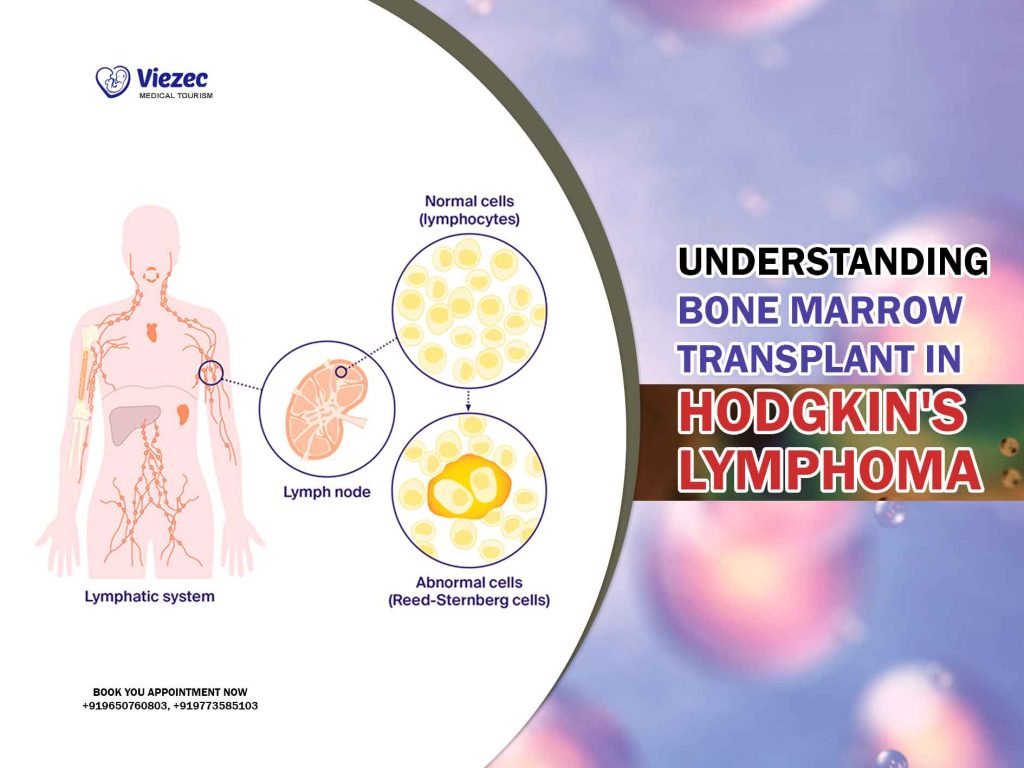
Hodgkin’s lymphoma is a type of cancer that originates in the lymphatic system, a vital part of the body’s immune system. It typically begins in the lymph nodes and can spread to other parts of the body, including the bone marrow. While there are various treatment options available for Hodgkin’s lymphoma, one of the more advanced and effective approaches is a bone marrow transplant. In this comprehensive guide, we will delve into the intricacies of bone marrow transplantation in the context of Hodgkin’s lymphoma.
Understanding Hodgkin’s Lymphoma
What is Hodgkin’s Lymphoma?
Hodgkin’s lymphoma, often referred to simply as Hodgkin’s disease, is a type of cancer characterized by the abnormal growth of cells in the lymphatic system. It is named after Thomas Hodgkin, the British physician who first described the condition in 1832. Hodgkin’s lymphoma is relatively rare compared to other forms of cancer, accounting for around 10% of all lymphoma cases.
Causes and Risk Factors
The exact cause of Hodgkin’s lymphoma remains unknown. However, certain risk factors may increase the likelihood of developing the disease. These include:
- Age: Hodgkin’s lymphoma can occur at any age but is most commonly diagnosed in early adulthood (between the ages of 15 and 40) and in older adults (after age 55).
- Gender: Males are slightly more likely to develop Hodgkin’s lymphoma than females.
- Family history: Having a close relative, such as a parent or sibling, with Hodgkin’s lymphoma may increase your risk.
- Weakened immune system: Conditions that weaken the immune system, such as HIV/AIDS or autoimmune diseases, may elevate the risk of Hodgkin’s lymphoma.
- Epstein-Barr virus (EBV) infection: Infection with the Epstein-Barr virus, which causes mononucleosis (mono), has been linked to an increased risk of Hodgkin’s lymphoma.
Symptoms
The signs and symptoms of Hodgkin’s lymphoma can vary widely among individuals. Common symptoms include:
- Painless swelling of lymph nodes: The most common sign of Hodgkin’s lymphoma is the painless enlargement of one or more lymph nodes, usually in the neck, armpits, or groin.
- Persistent fatigue: Unexplained fatigue that doesn’t improve with rest.
- Fever and chills: Recurrent fevers, often accompanied by night sweats and chills.
- Unexplained weight loss: Significant weight loss without dieting or increased physical activity.
- Itchy skin: Pruritus (itchy skin) without an apparent cause.
- Persistent cough: Continuous coughing or shortness of breath.
- Pain: Rarely, affected lymph nodes may cause pain or discomfort, especially after drinking alcohol.
Treatment Options for Hodgkin’s Lymphoma
Chemotherapy
Chemotherapy involves the use of powerful drugs to destroy cancer cells. It is often the primary treatment for Hodgkin’s lymphoma, either alone or in combination with other therapies. Chemotherapy drugs can be administered orally or intravenously and work by targeting rapidly dividing cells, including cancer cells.
Radiation Therapy
Radiation therapy uses high-energy beams to kill cancer cells. It is commonly used in combination with chemotherapy to treat Hodgkin’s lymphoma, particularly when the disease is localized to specific areas of the body. Radiation therapy may be administered externally (external beam radiation) or internally (brachytherapy).
Immunotherapy
Immunotherapy harnesses the body’s immune system to fight cancer. One type of immunotherapy called checkpoint inhibitors has shown promise in treating Hodgkin’s lymphoma by blocking proteins that prevent the immune system from attacking cancer cells.
Targeted Therapy
Targeted therapy targets specific molecules involved in cancer growth and progression. While not yet a standard treatment for Hodgkin’s lymphoma, targeted therapies are being studied in clinical trials and may offer new options for patients with refractory or relapsed disease.
Stem Cell Transplantation
Stem cell transplantation, also known as a bone marrow transplant, is a procedure used to replace damaged or diseased bone marrow with healthy stem cells. It plays a crucial role in the treatment of Hodgkin’s lymphoma, particularly in cases of relapsed or refractory disease.
Bone Marrow Transplantation in Hodgkin’s Lymphoma
Types of Transplants
There are two main types of bone marrow transplants used in the treatment of Hodgkin’s lymphoma:
Autologous Transplant
An autologous transplant involves using the patient’s own stem cells. Before the transplant, the patient undergoes a process called stem cell mobilization, where stem cells are collected from the bloodstream or bone marrow. These stem cells are then frozen and stored until needed. After receiving high-dose chemotherapy or radiation therapy to destroy cancer cells, the patient’s stem cells are infused back into their body to rebuild the bone marrow and restore normal blood cell production.
Allogeneic Transplant
An allogeneic transplant involves using stem cells from a donor, typically a family member or unrelated matched donor. Before the transplant, the patient undergoes conditioning therapy, which consists of chemotherapy and/or radiation therapy to eliminate cancer cells and suppress the immune system. The donor’s stem cells are then infused into the patient’s bloodstream, where they migrate to the bone marrow and begin producing healthy blood cells.
Indications for Transplant
Bone marrow transplantation may be recommended for patients with Hodgkin’s lymphoma under the following circumstances:
- Relapsed Disease: Patients whose Hodgkin’s lymphoma has relapsed (returned) after initial treatment with chemotherapy and/or radiation therapy may benefit from a transplant to achieve a remission.
- Refractory Disease: Patients whose Hodgkin’s lymphoma does not respond to initial treatment (refractory disease) may undergo a transplant as a salvage therapy.
- High-Risk Features: Patients with high-risk features, such as advanced stage disease or bulky tumors, may be considered for a transplant as part of upfront therapy to improve outcomes.
The Transplant Process
Pre-Transplant Evaluation
Before undergoing a bone marrow transplant, patients undergo a thorough evaluation to assess their overall health and determine their eligibility for the procedure. This evaluation may include:
- Medical history and physical examination
- Blood tests and imaging studies
- Cardiac and pulmonary function tests
- Dental evaluation
- Psychosocial assessment
Stem Cell Collection
For autologous transplants, stem cells are typically collected from the patient’s bloodstream using a process called apheresis. During apheresis, blood is drawn from the patient through a catheter, and the stem cells are separated from the rest of the blood components using a machine. The remaining blood is then returned to the patient, while the collected stem cells are processed and stored for later use.
For allogeneic transplants, stem cells are obtained from a donor through a procedure called bone marrow harvest or peripheral blood stem cell collection. In bone marrow harvest, the donor undergoes a surgical procedure under anesthesia to collect bone marrow from the pelvic bones. In peripheral blood stem cell collection, the donor receives injections of a medication called granulocyte-colony stimulating factor (G-CSF) to stimulate the production and release of stem cells into the bloodstream. The stem cells are then collected through apheresis similar to the process used for autologous transplants.
Conditioning Therapy
Before receiving the stem cell transplant, patients undergo conditioning therapy, which involves high-dose chemotherapy and/or total body irradiation. The goal of conditioning therapy is to destroy cancer cells in the body and suppress the immune system to prevent rejection of the donor stem cells. The specific regimen used may vary depending on the patient’s disease status and overall health.
Transplantation
After completing conditioning therapy, patients receive the stem cell transplant, either as an outpatient procedure or during a short hospital stay. The transplant involves infusing the collected stem cells into the patient’s bloodstream through a central venous catheter, similar to receiving a blood transfusion. The infused stem cells travel to the bone marrow, where they engraft and begin producing new blood cells.
Recovery and Follow-Up
Following the transplant, patients require close monitoring and supportive care to manage potential complications and promote recovery. Common complications of bone marrow transplantation include infection, graft-versus-host disease (GVHD), and organ toxicity. Patients may need to stay in the hospital for several weeks to months after the transplant, depending on their individual circumstances. Long-term follow-up is essential to monitor for disease recurrence and late effects of treatment.
Make informed Decision
Bone marrow transplantation plays a crucial role in the treatment of Hodgkin’s lymphoma, offering a potential cure for patients with relapsed or refractory disease. By replacing damaged or diseased bone marrow with healthy stem cells, transplant therapy can help restore normal blood cell production and achieve long-term remission. However, the transplant process is complex and carries risks, requiring careful evaluation, planning, and supportive care. With advances in transplant techniques and supportive therapies, the outlook for patients with Hodgkin’s lymphoma undergoing bone marrow transplantation continues to improve, offering hope for a brighter future.