


Quick Answer
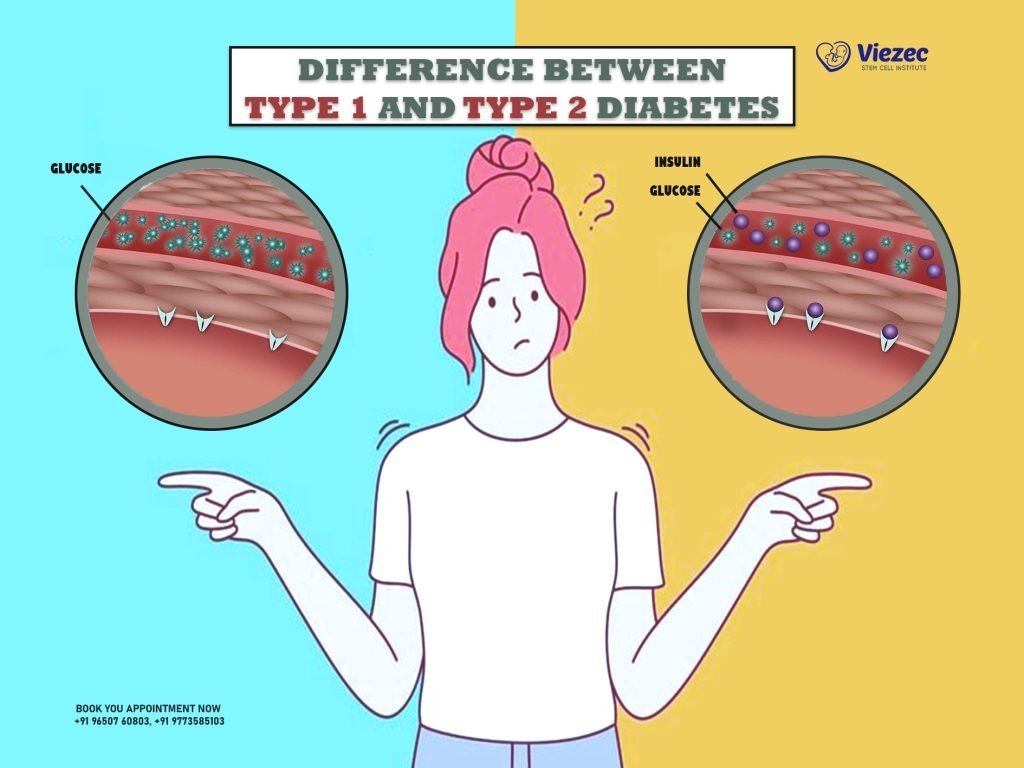
Type 1 diabetes is an autoimmune condition in which the immune system destroys the insulin-producing cells in the pancreas, usually starting in childhood or adolescence. People with Type 1 diabetes cannot produce insulin and need lifelong insulin therapy from diagnosis.
Type 2 diabetes develops when the body becomes resistant to insulin or the pancreas can’t produce enough of it, usually in adults with risk factors like excess weight, inactivity, or family history. It’s often managed first with diet, exercise, and oral medication, with insulin added later if needed.
The core difference: Type 1 is an autoimmune disease with total insulin dependence from the start; Type 2 is a metabolic condition that usually develops gradually and can often be managed without insulin, at least initially.
Type 1 vs Type 2 Diabetes: Comparison Table
| Feature | Type 1 Diabetes | Type 2 Diabetes |
|---|---|---|
| Cause | Autoimmune destruction of insulin-producing beta cells | Insulin resistance + gradual decline in insulin production |
| Typical age of onset | Childhood or adolescence (can occur at any age) | Adulthood, increasingly seen in younger people too |
| Insulin production | Little to none | Reduced or inefficiently used |
| Onset speed | Rapid, over days to weeks | Gradual, over months to years |
| Body weight link | Not weight-related | Strongly linked to excess weight/obesity |
| Insulin required? | Yes, from diagnosis, for life | Not always at first; often added later |
| Prevention possible? | No known prevention | Often preventable/delayable with lifestyle changes |
| Percentage of diabetes cases | ~5–10% | ~90–95% |
What Is Diabetes? A Quick Primer
Diabetes is a chronic condition where the body cannot properly regulate blood glucose (sugar) because of a problem with insulin — the hormone the pancreas makes to move sugar from the blood into cells for energy. When insulin is missing, insufficient, or not working properly, glucose builds up in the blood, leading to hyperglycemia and, over time, damage to organs like the eyes, kidneys, nerves, and heart.
There are two major forms — Type 1 and Type 2 — and while they share the same downstream problem (high blood sugar), their causes, onset, and treatment are quite different.
Type 1 Diabetes: Causes, Symptoms, and Treatment
Causes and Risk Factors
Type 1 diabetes is an autoimmune disease. The immune system mistakenly identifies insulin-producing beta cells in the pancreas as a threat and destroys them. Once enough beta cells are destroyed, the body can no longer make insulin. Genetics plays a role, and certain viral infections may act as triggers, but Type 1 diabetes is not caused by diet or lifestyle.
Symptoms
- Excessive thirst (polydipsia)
- Frequent urination (polyuria)
- Sudden, unexplained weight loss
- Extreme fatigue
- Blurred vision
- In severe cases, diabetic ketoacidosis (DKA) — a medical emergency
Diagnosis
Diagnosis typically involves fasting blood glucose tests, an A1C test, and autoantibody blood tests (e.g., GAD antibodies) that confirm the autoimmune nature of the condition.
Treatment and Management
People with Type 1 diabetes need lifelong insulin therapy — via injections or an insulin pump — from the time of diagnosis, since their bodies cannot produce it. Continuous glucose monitors (CGMs) and carbohydrate counting are core parts of daily management.
Type 2 Diabetes: Causes, Symptoms, and Treatment
Causes and Risk Factors
Type 2 diabetes develops when cells become resistant to insulin’s effects, and over time the pancreas struggles to keep up with the body’s insulin demand. Key risk factors include:
- Excess body weight, especially abdominal fat
- Physical inactivity
- Family history of diabetes
- Age over 45
- History of gestational diabetes or prediabetes
Symptoms
Symptoms often overlap with Type 1 but tend to develop more slowly and can go unnoticed for years:
- Increased thirst and urination
- Fatigue
- Slow-healing wounds
- Frequent infections
- Tingling or numbness in hands or feet
Diagnosis
Diagnosis relies on fasting blood glucose, the A1C test (average blood sugar over 2–3 months), and oral glucose tolerance testing.
Treatment and Management
Type 2 diabetes is typically managed first with lifestyle changes — diet, weight management, and exercise. If blood sugar remains high, oral medications (like metformin) are added, and insulin therapy may eventually be needed if the pancreas’s insulin output declines significantly.
Key Differences at a Glance
1. Age of Onset Type 1 usually appears in childhood or adolescence (“juvenile diabetes”), while Type 2 is typically diagnosed in adults — though rising obesity rates mean more younger people are now developing Type 2 as well.
2. Autoimmune vs. Metabolic Origin Type 1 is driven by the immune system attacking the pancreas. Type 2 is driven by insulin resistance and metabolic factors, closely tied to weight and lifestyle.
3. Insulin Dependence This is the most clinically important distinction. Type 1 patients have an absolute insulin deficiency and need insulin to survive from day one. Type 2 patients often retain some natural insulin production and can manage the condition initially without insulin.
4. Preventability Type 1 diabetes cannot currently be prevented. Type 2 diabetes risk can often be reduced or delayed through weight management, diet, and exercise.
Complications of Type 1 and Type 2 Diabetes
Both types carry similar long-term risks if blood sugar isn’t well controlled:
Short-term:
- Hypoglycemia (low blood sugar): shakiness, confusion, in severe cases loss of consciousness
- Hyperglycemia (high blood sugar): thirst, fatigue, frequent urination
Long-term:
- Cardiovascular disease (heart attack, stroke)
- Diabetic nephropathy (kidney damage)
- Diabetic neuropathy (nerve damage causing tingling, numbness, pain)
- Diabetic retinopathy (eye damage, potential vision loss)
- Diabetic foot ulcers and increased amputation risk
- Increased susceptibility to skin infections
Prevention and Lifestyle Tips
While Type 1 diabetes isn’t preventable, these steps can meaningfully lower Type 2 diabetes risk and help manage both types:
- Maintain a healthy weight — abdominal fat is a major Type 2 risk factor
- Follow a balanced diet rich in whole grains, lean protein, vegetables, and healthy fats
- Aim for 150+ minutes of moderate exercise weekly
- Monitor blood sugar regularly, especially if prediabetic
- Avoid smoking — it worsens insulin resistance
- Limit alcohol intake
For a deeper look at nutrition strategies, see our guide on Diet and Lifestyle in Diabetes Management and Diet Counselling.
Frequently Asked Questions
No. They are distinct conditions with different causes. However, some adults are initially misdiagnosed with Type 2 when they actually have a slow-developing form of autoimmune diabetes called LADA (Latent Autoimmune Diabetes in Adults).
Both types carry serious risks if poorly managed. Type 1 requires more immediate, intensive management because insulin is essential for survival, while Type 2 develops more gradually but is far more common and also raises cardiovascular risk significantly over time.
No. It’s an autoimmune condition without a known prevention method, though research into early immune-based interventions is ongoing.
Type 2 diabetes can often go into remission — meaning blood sugar returns to a normal range without medication — through significant weight loss, dietary changes, and increased activity, especially if caught early.
Type 1 always requires insulin. Type 2 doesn’t always require it initially but may need it later if oral medications and lifestyle changes aren’t enough to control blood sugar.
There is no outright cure for either type yet. Type 2 can sometimes be put into remission through lifestyle changes. Research into pancreatic and stem-cell-based approaches for Type 1 diabetes is ongoing but remains investigational — see our overview of Type 1 Diabetes research and Type 2 Diabetes management approaches.
Related Reading
- Diabetes and its Associated Complications: A Brief Overview
- Diabetes Treatments and How It Is Diagnosed
- Early Signs and Symptoms of Diabetes Type 1 and Type 2
- Does Keto Diet Work for Diabetes?
- Who Is Eligible for Diabetes Stem Cell Treatment?
- Beyond Insulin: The Role of Diet and Lifestyle in Diabetes Management
- Diabetic Retinopathy: Symptoms, Causes, Stages, and Treatment