


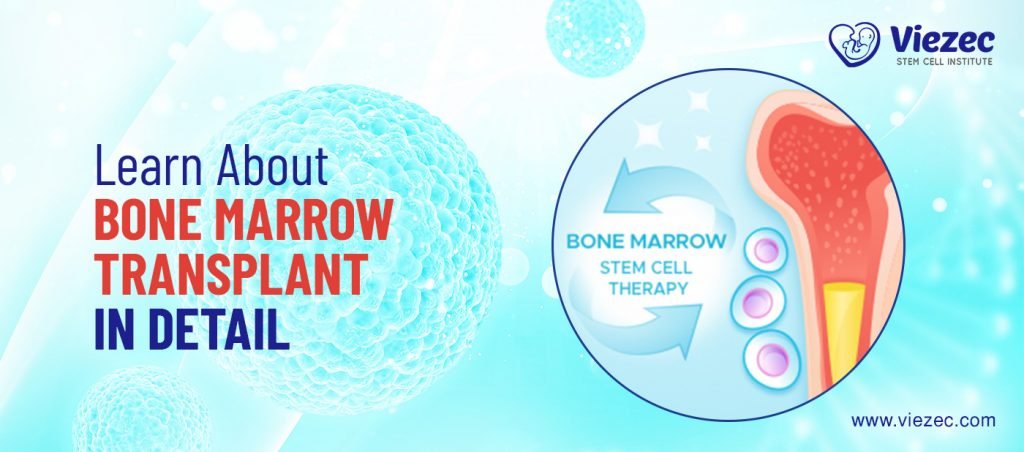
Stem cell bone marrow transplant, a revolutionary medical procedure, involves the replacement of damaged or diseased bone marrow with healthy stem cells. This procedure is essential for treating various life-threatening conditions such as leukemia, lymphoma, and other blood disorders. The process begins with the collection of stem cells from either the patient or a donor, which are then transplanted into the patient’s bloodstream. These stem cells travel to the bone marrow, where they begin to produce new, healthy blood cells. The primary goal of this treatment is to restore the body’s ability to produce healthy blood cells, thereby improving the patient’s overall health and longevity.
Importance in Treating Various Diseases
Stem cell bone marrow transplants play a crucial role in treating numerous diseases, particularly those related to blood and bone marrow. Conditions such as leukemia, lymphoma, and multiple myeloma can severely impair the body’s ability to produce healthy blood cells. By replacing the damaged bone marrow with healthy stem cells, this procedure can effectively restore normal blood cell production. Moreover, it can also be used to treat certain genetic disorders and immune system deficiencies. The ability to treat such a wide range of diseases underscores the significance of stem cell bone marrow transplants in modern medicine.
Types of Stem Cell Bone Marrow Transplants
There are three primary types of stem cell bone marrow transplants: autologous, allogeneic, and syngeneic transplants. Autologous transplants use the patient’s own stem cells, which are harvested and stored before treatment. This type is often used for patients undergoing high-dose chemotherapy or radiation therapy. Allogeneic transplants involve stem cells from a donor, who can be a sibling, relative, or an unrelated but genetically compatible person. This type is used when the patient’s own cells are damaged or insufficient. Syngeneic transplants are rare and involve stem cells from an identical twin, offering the best genetic match and reducing the risk of complications.
Medical Advancements in Delhi
Pioneering Hospitals and Research Centers
Delhi has emerged as a leading hub for medical advancements in stem cell bone marrow transplants, thanks to its pioneering hospitals and research centers. Institutions such as the All India Institute of Medical Sciences (AIIMS), Fortis Memorial Research Institute, and Apollo Hospital are at the forefront of this field. These hospitals are equipped with state-of-the-art facilities and a team of highly skilled medical professionals dedicated to providing the best possible care. Their commitment to research and development has led to numerous breakthroughs, making Delhi a preferred destination for patients seeking stem cell bone marrow transplants.
Recent Technological Developments
Recent technological developments have significantly enhanced the effectiveness and safety of stem cell bone marrow transplants in Delhi. Advances in genetic testing and molecular biology have improved the matching process, ensuring better compatibility between donors and recipients. Additionally, innovations in imaging technology and surgical techniques have made the transplant procedure less invasive and more precise. These technological strides have not only increased success rates but also reduced recovery times and minimized complications. Delhi’s hospitals are continuously adopting these cutting-edge technologies to provide world-class treatment to patients from around the globe.
Success Rates in Delhi
The success rates of stem cell bone marrow transplants in Delhi are among the highest in the world, thanks to the city’s advanced medical infrastructure and skilled healthcare professionals. On average, the success rate for these procedures in Delhi ranges between 60% to 80%, depending on various factors such as the type of transplant, the patient’s condition, and the compatibility of the donor. This high success rate is a testament to the expertise and dedication of Delhi’s medical community. Patients from across India and abroad flock to Delhi for this life-saving treatment, confident in the city’s ability to deliver exceptional outcomes.
Types of Stem Cell Bone Marrow Transplants
Autologous Transplants
Autologous transplants involve the use of the patient’s own stem cells, which are collected and stored before undergoing high-dose chemotherapy or radiation therapy. This type of transplant is particularly beneficial for patients with certain types of cancer, such as lymphoma and multiple myeloma. The main advantage of autologous transplants is that it eliminates the risk of immune rejection since the transplanted cells are the patient’s own. However, it is crucial that the collected stem cells are free from cancer cells to ensure a successful outcome. This procedure has proven to be highly effective in restoring healthy blood cell production and improving patient survival rates.
Allogeneic Transplants
Allogeneic transplants involve the transplantation of stem cells from a donor, who can be a sibling, relative, or an unrelated but genetically compatible person. This type of transplant is used when the patient’s own stem cells are damaged or insufficient. The primary advantage of allogeneic transplants is the potential for a graft-versus-tumor effect, where the donor’s immune cells help to destroy any remaining cancer cells. However, this type of transplant also carries a higher risk of complications, such as graft-versus-host disease (GVHD), where the donor’s immune cells attack the patient’s body. Despite these risks, allogeneic transplants have been instrumental in treating various blood disorders and cancers.
Syngeneic Transplants
Syngeneic transplants are a rare type of stem cell transplant that involves the use of stem cells from an identical twin. This type of transplant offers the best genetic match, virtually eliminating the risk of immune rejection or GVHD. Syngeneic transplants are considered the most ideal due to the perfect genetic compatibility between the donor and recipient. However, finding an identical twin donor is rare, making this type of transplant less common. When available, syngeneic transplants provide an excellent option for patients, offering the benefits of both autologous and allogeneic transplants with minimal complications.
Eligibility Criteria for Patients
Age and Health Conditions
Eligibility for stem cell bone marrow transplants is determined by several factors, including age and overall health condition. Generally, patients between the ages of 18 and 65 are considered ideal candidates, although younger and older patients may also be eligible depending on their health status. It is essential that candidates are in relatively good health aside from their underlying condition, as the transplant process can be physically demanding. Patients with significant organ dysfunction, active infections, or other severe medical conditions may not be suitable candidates for the procedure. A thorough medical evaluation is conducted to assess each patient’s eligibility.
Specific Diseases Treated
Stem cell bone marrow transplants are used to treat a wide range of diseases, primarily those affecting the blood and bone marrow. Conditions such as leukemia, lymphoma, multiple myeloma, and aplastic anemia are among the most common diseases treated with this procedure. Additionally, certain genetic disorders and immune system deficiencies can also be effectively treated with stem cell transplants. The decision to proceed with a transplant depends on the specific disease, its stage, and the patient’s overall health. In many cases, stem cell bone marrow transplants offer the best chance for long-term remission or cure.
Pre-Transplant Medical Evaluations
Before undergoing a stem cell bone marrow transplant, patients must undergo a series of comprehensive medical evaluations to ensure they are suitable candidates for the procedure. These evaluations include blood tests, imaging studies, and assessments of organ function to identify any potential risks or complications. Additionally, patients may undergo psychological evaluations to assess their mental readiness for the demanding transplant process. The results of these evaluations help the medical team develop a personalized treatment plan tailored to the patient’s needs. Thorough pre-transplant assessments are crucial for optimizing the chances of a successful outcome.
The Transplant Process
Pre-Transplant Preparations
Pre-transplant preparations are a critical phase of the stem cell bone marrow transplant process. Patients typically undergo a series of tests and evaluations to ensure they are in optimal condition for the transplant. This phase also involves discussions about the procedure, potential risks, and post-transplant care. In some cases, patients may need to undergo chemotherapy or radiation therapy to eliminate any remaining cancer cells and create space in the bone marrow for the new stem cells. Additionally, patients receive medications to prevent infections and manage any existing medical conditions. Thorough preparation is essential for a successful transplant.
The Transplant Procedure
The transplant procedure itself is relatively straightforward and is performed in a specialized hospital setting. Once the stem cells are collected from the patient or donor, they are infused into the patient’s bloodstream through an intravenous (IV) line. This process is similar to a blood transfusion and typically takes a few hours. The transplanted stem cells then travel to the bone marrow, where they begin to produce new, healthy blood cells. The procedure is closely monitored by a team of medical professionals to ensure the patient’s safety and to manage any immediate reactions or complications.
Post-Transplant Care and Monitoring
Post-transplant care and monitoring are crucial for ensuring the success of the stem cell bone marrow transplant. Patients typically spend several weeks in the hospital under close observation to monitor their recovery and manage any complications. During this period, they receive medications to prevent infections and reduce the risk of graft-versus-host disease. Regular blood tests and imaging studies are conducted to assess the progress of the new stem cells and to ensure the bone marrow is functioning properly. After discharge, patients continue to receive regular follow-up care to monitor their long-term recovery and overall health.
Risks and Complications
Common Side Effects
Like any medical procedure, stem cell bone marrow transplants come with potential side effects. Common side effects include nausea, vomiting, fatigue, and hair loss, which are often related to the chemotherapy or radiation therapy used before the transplant. Patients may also experience mouth sores, diarrhea, and loss of appetite. These side effects are typically temporary and can be managed with medications and supportive care. It is important for patients to communicate any symptoms to their medical team to receive appropriate treatment and to ensure a smooth recovery process.
Long-Term Health Risks
While stem cell bone marrow transplants can be life-saving, they also carry long-term health risks. One of the most significant risks is graft-versus-host disease (GVHD), where the donor’s immune cells attack the patient’s tissues. This condition can cause severe complications affecting the skin, liver, and digestive system. Other long-term risks include infections, organ damage, and the potential for secondary cancers. Regular follow-up care and monitoring are essential to detect and manage these risks early. Patients are advised to maintain a healthy lifestyle and adhere to their medical team’s recommendations to minimize long-term complications.
Strategies for Mitigating Complications
To mitigate the risks and complications associated with stem cell bone marrow transplants, several strategies are employed. These include rigorous pre-transplant evaluations to identify potential risk factors and customize the treatment plan accordingly. During the transplant process, patients receive medications to prevent infections and manage side effects. Post-transplant care involves close monitoring and early intervention to address any complications promptly. Additionally, advancements in medical technology and improved transplant techniques have significantly reduced the risk of complications. Ongoing research and clinical trials continue to enhance the safety and effectiveness of stem cell bone marrow transplants.
Recovery and Rehabilitation
Immediate Post-Transplant Recovery
The immediate post-transplant recovery period is a critical phase where patients require close monitoring and comprehensive care. During this time, patients are at an increased risk of infections and complications, so they are typically kept in a sterile hospital environment to minimize exposure to pathogens. They receive medications to support the engraftment of the new stem cells and to manage any side effects. Nutritional support and physical therapy are also essential components of the recovery process, helping patients regain strength and improve their overall health. The goal is to ensure a smooth and complication-free recovery.
Long-Term Rehabilitation Programs
Long-term rehabilitation programs play a vital role in helping patients fully recover and regain their quality of life after a stem cell bone marrow transplant. These programs often include physical therapy, occupational therapy, and nutritional counseling to support the patient’s overall health and well-being. Regular follow-up appointments with the medical team are crucial to monitor the patient’s progress and to detect any late-onset complications early. Psychological support and counseling are also important components of rehabilitation, addressing the emotional and mental challenges that patients may face during their recovery journey.
Psychological and Emotional Support
Psychological and emotional support is a critical aspect of the recovery process for patients undergoing stem cell bone marrow transplants. The procedure and the associated treatments can be physically and emotionally demanding, leading to stress, anxiety, and depression. Access to counseling services, support groups, and mental health professionals can significantly improve the patient’s emotional well-being. Family members and caregivers also play a crucial role in providing emotional support and encouragement. Comprehensive psychological support helps patients cope with the challenges of the transplant process and contributes to a more positive and successful recovery.
Cost and Financial Considerations
Average Costs in Delhi
The cost of stem cell bone marrow transplants in Delhi can vary widely depending on several factors, including the type of transplant, the hospital, and the patient’s specific condition. On average, the cost ranges from INR 15 lakhs to INR 25 lakhs. This includes the cost of pre-transplant evaluations, the transplant procedure, hospital stay, post-transplant care, and medications. While the cost may seem high, Delhi offers some of the most competitive rates compared to other cities and countries, making it an attractive destination for patients seeking high-quality and affordable medical care.
Insurance Coverage and Financial Aid
Insurance coverage and financial aid can significantly reduce the financial burden of stem cell bone marrow transplants for patients. Many health insurance plans in India cover a significant portion of the transplant costs, including pre-transplant evaluations, the transplant procedure, and post-transplant care. Patients are advised to check with their insurance providers to understand the extent of coverage and any out-of-pocket expenses. Additionally, several charitable organizations and government schemes offer financial aid and assistance to patients who cannot afford the treatment. Exploring these options can help patients access the necessary care without undue financial stress.
Cost Comparison with Other Cities and Countries
When compared to other cities and countries, the cost of stem cell bone marrow transplants in Delhi is relatively lower while maintaining high standards of care. For instance, the cost of similar procedures in the United States and Europe can be significantly higher, often exceeding USD 200,000. In contrast, Delhi offers world-class medical facilities, experienced healthcare professionals, and advanced technology at a fraction of the cost. This cost advantage, coupled with high success rates and quality care, makes Delhi a preferred destination for patients from around the world seeking affordable and effective stem cell bone marrow transplants.
Finding the Right Hospital in Delhi
Top Hospitals Specializing in Bone Marrow Transplants
Delhi is home to several top hospitals specializing in stem cell bone marrow transplants, each offering state-of-the-art facilities and expert medical teams. Some of the leading hospitals include the All India Institute of Medical Sciences (AIIMS), Fortis Memorial Research Institute, Apollo Hospital, and Max Super Speciality Hospital. These hospitals are renowned for their high success rates, advanced technology, and comprehensive patient care. They also have dedicated bone marrow transplant units and specialized staff trained in handling complex transplant procedures, ensuring the best possible outcomes for patients.
Criteria for Choosing a Hospital
Choosing the right hospital for a stem cell bone marrow transplant is a crucial decision that can significantly impact the outcome of the procedure. Patients should consider several factors when selecting a hospital, including the hospital’s reputation, success rates, availability of advanced technology, and the expertise of the medical team. It is also important to evaluate the hospital’s infrastructure, patient support services, and the overall quality of care. Seeking recommendations from healthcare professionals, reading patient reviews, and visiting the hospital for a consultation can help patients make an informed decision and choose the best hospital for their needs.
Patient Reviews and Testimonials
Patient reviews and testimonials provide valuable insights into the quality of care and the overall experience at a hospital. Reading about other patients’ experiences can help prospective patients understand the strengths and weaknesses of a particular hospital. Positive reviews and success stories can offer reassurance and build confidence in the hospital’s ability to deliver excellent care. Conversely, negative reviews may highlight potential issues or concerns that should be addressed. Patients are encouraged to research and consider multiple sources of feedback to gain a comprehensive understanding of the hospital’s reputation and performance.
Role of Donors in Bone Marrow Transplants
Finding Compatible Donors
Finding a compatible donor is a critical step in the success of an allogeneic stem cell bone marrow transplant. The donor’s stem cells must be a close match to the patient’s tissue type to reduce the risk of complications such as graft-versus-host disease. Sibling donors are often the first choice, as they are more likely to be a genetic match. When a sibling match is not available, unrelated donors from national and international donor registries are considered. Advances in genetic testing and donor matching techniques have improved the chances of finding suitable donors, ensuring better outcomes for patients.
Donor Registration and Matching Process
The donor registration and matching process involves several steps to identify suitable donors for patients in need of a stem cell bone marrow transplant. Potential donors undergo a series of tests to determine their tissue type and compatibility with patients. Once registered, their information is entered into a national or international database, making it accessible for matching. When a patient requires a transplant, the database is searched to find the best possible match. The selected donor then undergoes additional testing and medical evaluations to ensure they are healthy and fit to donate their stem cells. This meticulous process helps ensure the best match and optimal outcomes for patients.
Legal and Ethical Considerations
Legal and ethical considerations play a significant role in the stem cell bone marrow transplant process, particularly concerning donor registration, consent, and the rights of both donors and recipients. It is essential to ensure that donors are fully informed about the procedure and provide voluntary, informed consent without any coercion. Additionally, the privacy and confidentiality of both donors and recipients must be protected. Ethical guidelines also emphasize the importance of equitable access to transplant services, ensuring that all patients, regardless of their background or financial status, have the opportunity to receive life-saving treatment. Adhering to these legal and ethical standards is crucial for maintaining the integrity and trustworthiness of the transplant process.
FAQs
Q: What is the success rate of stem cell bone marrow transplants in Delhi?
A: The success rate of stem cell bone marrow transplants in Delhi ranges between 60% to 80%, depending on various factors such as the type of transplant, the patient’s condition, and the compatibility of the donor.
Q: What are the common side effects of a stem cell bone marrow transplant?
A: Common side effects include nausea, vomiting, fatigue, hair loss, mouth sores, diarrhea, and loss of appetite. These side effects are typically temporary and can be managed with medications and supportive care.
Q: How long does the recovery process take after a stem cell bone marrow transplant?
A: The immediate post-transplant recovery period usually lasts several weeks, but full recovery can take several months to a year. Regular follow-up care and rehabilitation programs are essential for long-term recovery.
Q: Are stem cell bone marrow transplants covered by insurance?
A: Many health insurance plans in India cover a significant portion of the transplant costs, including pre-transplant evaluations, the transplant procedure, and post-transplant care. Patients should check with their insurance providers for specific coverage details.