


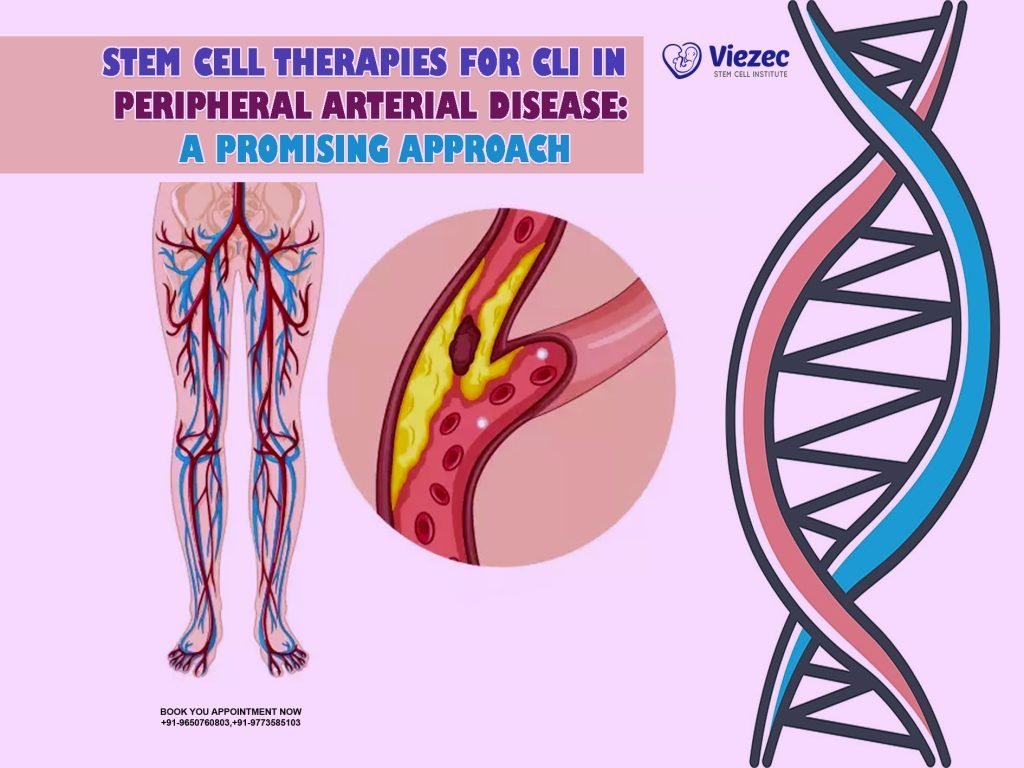
Peripheral Arterial Disease (PAD), particularly its advanced stage known as Critical Limb Ischemia (CLI), poses a formidable challenge to patients and healthcare providers. CLI is characterized by severely reduced blood flow to the extremities, often leading to excruciating pain and the looming threat of limb amputation. Traditional treatments, while valuable, may not always provide comprehensive solutions.
In recent years, a beacon of hope has emerged in the form of stem cell therapy. This innovative approach harnesses the regenerative power of stem cells to address the underlying causes of CLI, offering a potential lifeline to patients. As we delve deeper into the world of stem cell therapies for CLI in PAD, we uncover a promising avenue that may redefine the future of vascular medicine. In this article, we explore the significance of stem cell therapies, their potential advantages, and the ongoing research that is shaping the landscape of CLI treatment. Join us on this journey to discover how science, innovation, and compassion are converging to offer renewed hope for those affected by CLI in Peripheral Arterial Disease.
Understanding CLI in Peripheral Arterial Disease
What is Critical Limb Ischemia (CLI)?
Critical Limb Ischemia is an advanced stage of PAD characterized by severe obstruction of the arteries, leading to reduced blood flow to the limbs. This condition can result in pain, ulcers, and, in the worst cases, tissue loss and gangrene.
Link Between CLI and Peripheral Arterial Disease
CLI is often considered a complication of PAD. It typically occurs in individuals with long-standing, untreated PAD, where the blood flow to the limbs is critically impaired.
Symptoms and Consequences of CLI
The symptoms of CLI can include severe pain at rest, non-healing ulcers, and a high risk of limb amputation. The consequences are not only physical but also emotional, impacting the overall quality of life for patients.
Conventional Treatment vs. Stem Cell Therapies
Current Standard Treatments for CLI
Conventional treatments for CLI involve medications, lifestyle changes, and, in some cases, surgical interventions such as angioplasty or bypass surgery.
Limitations of Conventional Approaches
While these treatments can provide relief, they often fall short in cases of severe CLI, where amputation becomes a looming possibility. Moreover, conventional treatments do not address the root cause of the problem.
Rise of Stem Cell Therapies
Stem cell therapies, on the other hand, offer a groundbreaking approach by harnessing the regenerative potential of stem cells to repair damaged tissues and improve blood circulation in the affected limbs.
Stem Cell Basics
Stem cells are the unsung heroes of our bodies, possessing the unique ability to transform into various cell types. At their core, they serve as the building blocks of life, playing a fundamental role in growth, repair, and regeneration. These remarkable cells come in several forms, including embryonic, induced pluripotent, and adult stem cells, each with its own set of capabilities and potential applications. Stem cell research holds immense promise in the fields of medicine, offering solutions for diseases, injuries, and degenerative conditions. Understanding the basics of stem cells is the key to unlocking their potential and pioneering transformative advancements in healthcare.
How Stem Cell Therapies Work
Stem cell therapies operate on a fascinating principle – harnessing the body’s natural healing power at its most fundamental level. These therapies begin by isolating specific types of stem cells, often from a patient’s own body, such as bone marrow or adipose tissue. Alternatively, stem cells can be derived from external sources, like umbilical cord blood. Once harvested, these versatile cells are carefully cultivated and then reintroduced into the patient’s body, targeting the affected area. These transplanted stem cells act as cellular repair crews, differentiating into the required cell types and promoting tissue regeneration. Through this regenerative magic, stem cell therapies hold the potential to treat a myriad of conditions, ranging from degenerative diseases to injuries, offering hope for a healthier future.
Stem Cell Research Landscape in India
Prominent Research Centers
India boasts several renowned research centers and hospitals that actively engage in stem cell research, offering hope to CLI patients.
Regulatory Framework
The Indian regulatory framework for stem cell therapies ensures safety and ethical practices in clinical applications.
Clinical Trials and Success Stories
India has seen a surge in clinical trials exploring the effectiveness of stem cell therapies in CLI treatment, with some promising outcomes and patient success stories.
Applications of Stem Cell Therapy for CLI in India
Clinical Trials and Their Results
Researchers in India have been conducting clinical trials to evaluate the efficacy of stem cell therapies in CLI patients, with encouraging results.
Patient Success Stories
Real-life cases of patients in India who have experienced significant improvements in their CLI condition after receiving stem cell treatments.
Role of Mesenchymal Stem Cells
Mesenchymal stem cells, with their immunomodulatory properties, play a vital role in reducing inflammation and promoting tissue repair in CLI.
Challenges and Future Prospects
Ethical and Safety Concerns
Ethical considerations and safety are paramount in stem cell therapy, and India is taking steps to address these concerns.
Access and Affordability
Making stem cell therapies accessible and affordable to a wider patient population is a challenge that India is actively working on.
Future Innovations in Stem Cell Research
The field of stem cell research is dynamic, with continuous innovations that hold great promise for CLI patients in the future.
Patient-Centric Approach
Tailored Therapies for Individuals
A patient-centric approach to stem cell therapy ensures that treatments are customized to the specific needs of each CLI patient.
Importance of Patient Counseling
Counseling and support are integral parts of the patient journey, providing information, addressing concerns, and ensuring a positive experience.
Benefits and Risks of Stem Cell Therapies
Potential Advantages for CLI Patients
The potential benefits of stem cell therapies, including reduced pain, improved wound healing, and enhanced quality of life.
Possible Side Effects and Risks
Understanding the potential side effects and risks associated with stem cell therapies is crucial for informed decision-making.
Success Stories
Real-Life Examples of CLI Patients Benefitting from Stem Cell Therapies
Inspiring stories of individuals in India and beyond who have regained mobility and hope through stem cell treatments.
Comparing International and Indian Approaches
Global Progress in Stem Cell Therapies for CLI
A glimpse into the worldwide advancements in stem cell research for CLI, highlighting India’s unique contributions.
India’s Unique Advantages
Exploring the distinctive strengths and opportunities that India offers in the field of stem cell research and therapy.
Regulation and Ethical Considerations
Current Regulatory Landscape
An overview of the current regulatory framework in India to ensure the ethical and safe use of stem cell therapies.
Importance of Ethical Practices
Emphasizing the significance of ethical practices in stem cell research and treatment to protect patient interests.
Stem cell therapies present a promising approach for treating Critical Limb Ischemia in the context of Peripheral Arterial Disease. With their regenerative potential and innovative applications, these therapies offer new hope to patients in India and worldwide.
FAQs
What is Critical Limb Ischemia, and how does it relate to Peripheral Arterial Disease?
Critical Limb Ischemia is an advanced form of Peripheral Arterial Disease characterized by severely reduced blood flow to the limbs, which can lead to severe pain, ulcers, and a high risk of amputation.
Are stem cell therapies approved for CLI treatment in India?
While clinical trials are underway, stem cell therapies for CLI have not yet received widespread approval in India and are primarily offered through research studies.
What are the major challenges in implementing stem cell therapies for CLI?
Challenges include ethical concerns, safety issues, and ensuring broad access to these treatments in a cost-effective manner.
How do stem cell therapies differ from conventional treatments for CLI?
Stem cell therapies focus on tissue regeneration and repair, addressing the root cause of the condition, while conventional treatments mainly aim to manage symptoms and improve blood flow.
Are there any ongoing clinical trials for stem cell treatments in India?
Yes, India is actively conducting clinical trials to evaluate the effectiveness of stem cell therapies in CLI treatment, with several ongoing studies showing promising results.