


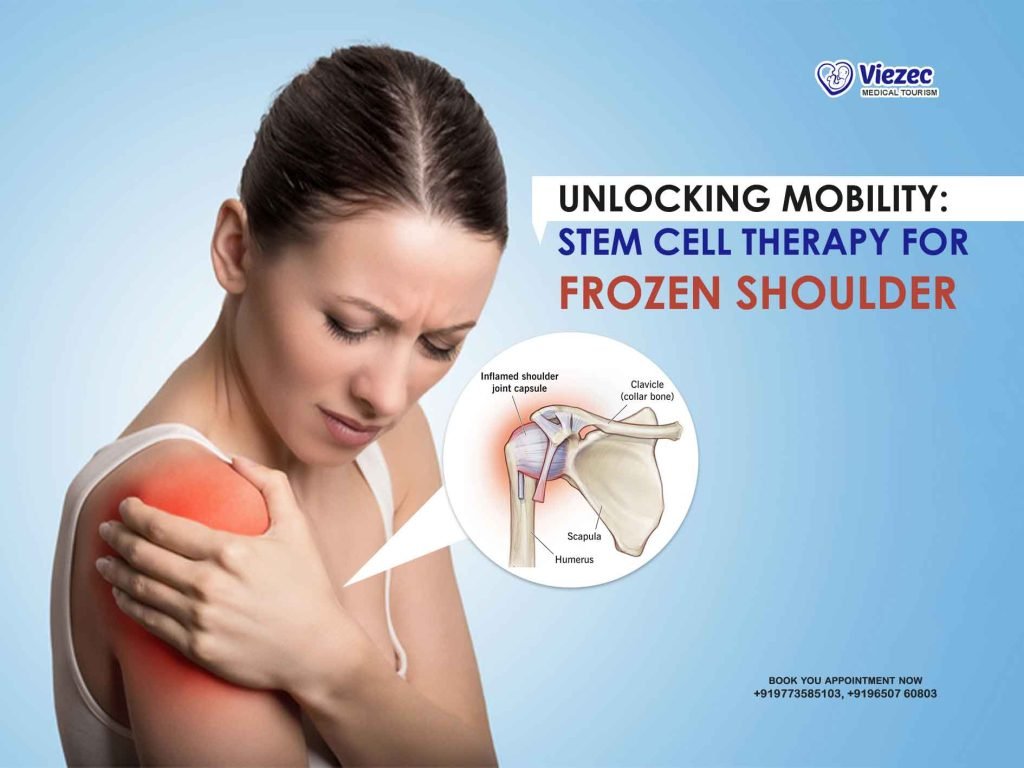
Frozen shoulder, medically known as adhesive capsulitis, is a debilitating condition characterized by pain, stiffness, and limited range of motion in the shoulder joint. It typically progresses through three stages: freezing, frozen, and thawing. During the freezing stage, patients experience increasing pain and stiffness. The frozen stage is marked by severe limitation in shoulder movement, while the thawing stage involves gradual improvement in mobility.
Importance of Mobility in Daily Life
Mobility in the shoulder joint is crucial for performing various activities of daily living, including reaching, lifting, and dressing. Loss of shoulder mobility can significantly impact quality of life, leading to difficulties in completing routine tasks and even affecting psychological well-being.
Role of Stem Cell Therapy
Stem cell therapy offers a promising approach for treating frozen shoulder by harnessing the regenerative potential of stem cells to repair damaged tissues and promote healing. This innovative treatment modality has gained attention for its ability to address the underlying pathology of frozen shoulder and provide long-term relief.
Anatomy and Physiology of the Shoulder
The shoulder joint is a complex structure comprised of bones, ligaments, tendons, and muscles. It consists of the humerus (upper arm bone), scapula (shoulder blade), and clavicle (collarbone), along with the surrounding soft tissues. The joint allows for a wide range of motion, including flexion, extension, abduction, adduction, and rotation.
Structure of the Shoulder Joint
The shoulder joint is a ball-and-socket joint formed by the articulation of the humerus and the glenoid fossa of the scapula. The joint is surrounded by a capsule and reinforced by ligaments and tendons, providing stability and support.
Functions of Different Components
Various muscles and tendons around the shoulder joint work together to facilitate movement and stability. The rotator cuff muscles, including the supraspinatus, infraspinatus, teres minor, and subscapularis, play a crucial role in shoulder function, particularly in overhead activities.
Mechanisms of Frozen Shoulder Development
The exact cause of frozen shoulder remains unclear, but it is believed to involve a combination of factors, including inflammation, fibrosis, and capsular thickening. Certain risk factors, such as diabetes, thyroid disorders, and previous shoulder injuries, may predispose individuals to develop frozen shoulder.
Current Treatment Modalities for Frozen Shoulder
Traditional treatments for frozen shoulder focus on relieving symptoms and improving mobility. These may include:
- Physical Therapy: Exercises and stretches to improve range of motion and strength.
- Medications for Pain Management: Nonsteroidal anti-inflammatory drugs (NSAIDs) or analgesics to alleviate pain.
- Corticosteroid Injections: Injections of corticosteroids into the shoulder joint to reduce inflammation and pain.
Challenges and Limitations of Traditional Treatments
While traditional treatments can provide temporary relief, they may not address the underlying pathology of frozen shoulder or offer long-term solutions. Moreover, corticosteroid injections are associated with potential side effects, such as tissue damage and risk of infection.
Understanding Stem Cell Therapy
Stem cell therapy involves the use of stem cells to promote tissue regeneration and repair damaged structures within the shoulder joint. Stem cells are undifferentiated cells capable of self-renewal and differentiation into various cell types, making them valuable for regenerative medicine applications.
What are Stem Cells?
Stem cells can be derived from various sources, including bone marrow, adipose tissue, and umbilical cord blood. They possess the unique ability to differentiate into specialized cell types, such as bone, cartilage, and muscle cells, allowing them to repair damaged tissues.
Mechanisms of Action in Tissue Regeneration
Stem cells exert their therapeutic effects through several mechanisms, including:
- Differentiation: Stem cells can differentiate into specific cell types needed for tissue repair.
- Paracrine Signaling: Stem cells secrete bioactive molecules that modulate inflammation, promote angiogenesis, and stimulate tissue regeneration.
- Immunomodulation: Stem cells regulate immune responses and modulate the inflammatory microenvironment, facilitating tissue healing.
Types of Stem Cell Therapies Available
Stem cell therapy for frozen shoulder may involve the use of autologous stem cells harvested from the patient’s own body or allogeneic stem cells obtained from donor sources. Commonly used stem cell types include mesenchymal stem cells (MSCs) and adipose-derived stem cells (ADSCs).
Evidence Supporting Stem Cell Therapy for Frozen Shoulder
Clinical trials and studies have demonstrated the potential efficacy of stem cell therapy in treating frozen shoulder and improving shoulder function. Patients who undergo stem cell therapy may experience significant reductions in pain, improvements in range of motion, and enhanced functional outcomes.
Clinical Trials and Studies
Several clinical trials have investigated the safety and efficacy of stem cell therapy for frozen shoulder, with promising results. These studies have shown that stem cell treatment can lead to significant improvements in shoulder mobility and function, with minimal adverse effects.
Patient Success Stories
Real-life examples of patients who have undergone stem cell therapy for frozen shoulder provide further evidence of its effectiveness. Many individuals report substantial improvements in pain and mobility following treatment, enabling them to resume their daily activities and enjoy a better quality of life.
Comparative Analysis with Traditional Treatments
Compared to traditional treatments, stem cell therapy offers several advantages, including:
- Regenerative Potential: Stem cell therapy targets the underlying pathology of frozen shoulder, promoting tissue repair and regeneration.
- Long-term Benefits: Unlike corticosteroid injections, which provide temporary relief, stem cell therapy may offer long-lasting improvements in shoulder function.
- Reduced Risk of Side Effects: Stem cell therapy is generally well-tolerated, with minimal risk of adverse effects compared to corticosteroid injections.
Patient Selection Criteria for Stem Cell Therapy
Patient selection for stem cell therapy is based on various factors, including the stage and severity of frozen shoulder, medical history, and treatment goals. Ideal candidates for stem cell therapy are those who have failed to respond to conservative treatments and are motivated to undergo a regenerative approach to shoulder repair.
Procedure of Stem Cell Therapy
The process of stem cell therapy for frozen shoulder typically involves:
- Pre-treatment Evaluation: Comprehensive assessment of the patient’s medical history, shoulder function, and imaging studies to determine eligibility for treatment.
- Harvesting of Stem Cells: Collection of stem cells from the patient’s bone marrow, adipose tissue, or other sources through minimally invasive procedures.
- Administration Techniques: Delivery of stem cells to the affected shoulder joint using ultrasound or fluoroscopic guidance, ensuring precise placement and optimal therapeutic effect.
Post-treatment Care and Rehabilitation
Following stem cell therapy, patients undergo a tailored rehabilitation program aimed at optimizing shoulder function and promoting tissue healing. This may include:
- Physical Therapy Protocols: Specific exercises and stretches to improve range of motion, strength, and stability in the shoulder joint.
- Monitoring Progress and Recovery: Regular follow-up visits to assess treatment outcomes, monitor progress, and adjust rehabilitation protocols as needed.
- Lifestyle Modifications: Adoption of healthy lifestyle habits, including proper nutrition and exercise, to support long-term shoulder health and function.
Safety and Efficacy of Stem Cell Therapy
Stem cell therapy for frozen shoulder is generally safe and well-tolerated, with minimal risk of adverse effects. However, as with any medical procedure, there are potential risks, including infection, bleeding, and allergic reactions. It is essential for patients to discuss the benefits and risks of stem cell therapy with their healthcare provider and make informed decisions about treatment.
Regulatory Compliance and Guidelines
Regulatory agencies and professional organizations provide guidelines and standards for the safe and ethical use of stem cell therapy in clinical practice. Healthcare providers offering stem cell treatments for frozen shoulder should adhere to these guidelines to ensure patient safety and quality of care.
Cost-effectiveness and Accessibility of Stem Cell Therapy
The cost of stem cell therapy for frozen shoulder may vary depending on factors such as the type of stem cells used, the complexity of the procedure, and the healthcare provider’s fees. While stem cell therapy may represent an initial investment, its potential long-term benefits and reduced need for additional treatments may contribute to cost-effectiveness over time.
Comparative Cost Analysis with Traditional Treatments
When compared to the cumulative costs of multiple corticosteroid injections or ongoing physical therapy sessions, stem cell therapy may offer a cost-effective alternative for patients seeking sustainable relief from frozen shoulder.
Directions and Emerging Technologies
Advancements in stem cell research hold promise for further enhancing the efficacy and accessibility of stem cell therapy for frozen shoulder. Future developments may include:
- Integration with Other Therapeutic Modalities: Combining stem cell therapy with other regenerative approaches, such as platelet-rich plasma (PRP) therapy or tissue engineering techniques, to augment tissue repair and regeneration.
- Personalized Medicine Approaches: Tailoring stem cell treatments based on individual patient characteristics, such as genetic predisposition, immune status, and tissue compatibility, to optimize therapeutic outcomes.
- Case Studies and Clinical Outcomes: Continued research and documentation of clinical outcomes and patient experiences to refine treatment protocols and identify predictors of treatment response.
Stem cell therapy holds significant promise as a regenerative treatment option for frozen shoulder, offering the potential for long-term relief and improved shoulder function. While further research is needed to elucidate the optimal protocols and patient selection criteria, current evidence suggests that stem cell therapy may represent a valuable addition to the armamentarium of treatments for frozen shoulder.
Outlook for Stem Cell Therapy in Frozen Shoulder Management
As our understanding of stem cell biology and regenerative medicine continues to evolve, stem cell therapy is poised to play an increasingly prominent role in the management of frozen shoulder. With ongoing advancements in technology, patient care, and regulatory oversight, the future holds exciting possibilities for unlocking the full potential of stem cell therapy in restoring mobility and enhancing quality of life for individuals with frozen shoulder.