


Acute myocardial infarction (AMI), commonly known as a heart attack, is a life-threatening condition that occurs when blood flow to a part of the heart is blocked, leading to tissue damage and potential cardiac complications. While traditional treatments such as medications, angioplasty, and bypass surgery are effective in restoring blood flow and preventing further damage, stem cell therapy has emerged as a promising option for repairing damaged heart tissue and improving cardiac function. In this comprehensive guide, we’ll explore the various stem cell treatment options available for acute myocardial infarction, their mechanisms of action, clinical applications, and potential benefits for patients.
Understanding Acute Myocardial Infarction
What is Acute Myocardial Infarction?
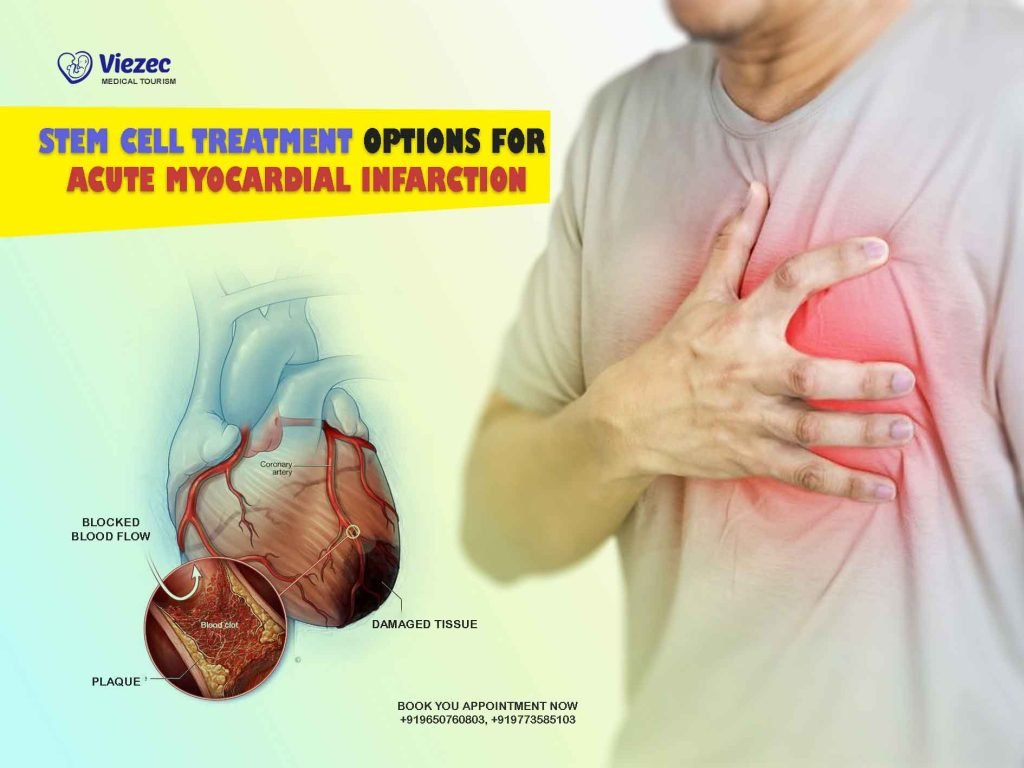
Acute myocardial infarction (AMI) occurs when a coronary artery becomes blocked, usually by a blood clot, cutting off blood supply to a part of the heart muscle. This leads to ischemia (lack of oxygen) and necrosis (cell death) of the affected heart tissue, resulting in symptoms such as chest pain, shortness of breath, and potential complications such as arrhythmias, heart failure, or even sudden cardiac death.
Current Treatment Approaches
The primary goals of treatment for acute myocardial infarction are to restore blood flow to the affected area of the heart, alleviate symptoms, and prevent further complications. Current treatment approaches may include:
- Medications: Administering medications such as aspirin, antiplatelet agents, beta-blockers, and statins to reduce clot formation, lower blood pressure, and improve cardiac function.
- Percutaneous Coronary Intervention (PCI): Performing procedures such as angioplasty and stent placement to open blocked coronary arteries and restore blood flow to the heart muscle.
- Coronary Artery Bypass Grafting (CABG): Performing surgical bypass procedures to reroute blood flow around blocked or narrowed coronary arteries, improving blood supply to the heart.
While these treatments are effective in managing acute myocardial infarction and reducing the risk of future cardiovascular events, they may not fully restore damaged heart tissue or prevent long-term complications such as heart failure.
Stem Cell Treatment Options
Mechanisms of Action
Stem cell therapy for acute myocardial infarction involves the administration of stem cells to the heart to promote tissue repair, regeneration, and angiogenesis (formation of new blood vessels). The mechanisms of action underlying stem cell therapy for AMI may include:
- Differentiation: Stem cells can differentiate into various cell types, including cardiomyocytes (heart muscle cells), endothelial cells (blood vessel lining cells), and smooth muscle cells, replenishing damaged or lost cells within the heart tissue.
- Paracrine Effects: Stem cells secrete a variety of growth factors, cytokines, and extracellular vesicles that stimulate tissue regeneration, reduce inflammation, and promote angiogenesis, enhancing overall cardiac repair and function.
- Immunomodulation: Stem cells can modulate the immune response, suppressing inflammation and promoting tissue tolerance, which is beneficial for reducing myocardial damage and preventing adverse remodeling of the heart.
Types of Stem Cells Used
Several types of stem cells have been investigated for their potential therapeutic benefits in treating acute myocardial infarction, including:
- Mesenchymal Stem Cells (MSCs): MSCs are multipotent stem cells found in various tissues, such as bone marrow, adipose tissue, and umbilical cord blood. MSCs have shown promise in promoting tissue repair and reducing inflammation in preclinical and clinical studies of AMI.
- Bone Marrow-Derived Stem Cells: Bone marrow-derived stem cells, including hematopoietic stem cells (HSCs) and mesenchymal stem cells (MSCs), have been extensively studied for their regenerative potential in treating acute myocardial infarction.
- Cardiac Progenitor Cells: Cardiac progenitor cells are a specialized type of stem cell found in the heart tissue with the potential to differentiate into cardiomyocytes and other cardiac cell types. These cells hold promise for cardiac regeneration and repair following AMI.
Clinical Applications
Stem cell therapy for acute myocardial infarction has been evaluated in numerous preclinical and clinical studies, with promising results in terms of safety, feasibility, and potential efficacy. Clinical trials have explored various aspects of stem cell therapy for AMI, including:
- Cell Delivery Methods: Investigating different routes of stem cell administration, such as intracoronary infusion, intramyocardial injection, and transendocardial delivery, to optimize cell retention and engraftment within the heart tissue.
- Cell Types and Sources: Comparing the therapeutic potential of different stem cell types and sources, such as bone marrow-derived MSCs, adipose-derived MSCs, and cardiac progenitor cells, to identify the most effective cell-based therapies for AMI.
- Combination Therapies: Assessing the synergistic effects of combining stem cell therapy with other treatment modalities, such as PCI, gene therapy, or pharmacological interventions, to enhance therapeutic outcomes and improve patient prognosis.
Potential Benefits
Stem cell therapy holds several potential benefits for patients with acute myocardial infarction, including:
- Improved Cardiac Function: Stem cells have the potential to regenerate damaged heart tissue, improve myocardial contractility, and restore cardiac function following AMI.
- Reduced Scar Formation: Stem cells can promote tissue repair and remodeling, reducing scar formation and preventing adverse cardiac remodeling, which is a hallmark of heart failure.
- Enhanced Angiogenesis: Stem cells secrete factors that stimulate angiogenesis and neovascularization, improving blood flow to ischemic areas of the heart and promoting tissue perfusion and oxygenation.
- Reduced Inflammation: Stem cells possess anti-inflammatory properties and can modulate the immune response, reducing myocardial inflammation and preventing further damage to the heart tissue.
Considerations for Stem Cell Therapy
Safety and Efficacy
While stem cell therapy holds promise for treating acute myocardial infarction, it’s essential to ensure that treatments are safe, effective, and supported by rigorous scientific evidence. Patients considering stem cell therapy should consult with qualified healthcare providers and participate in clinical trials when available to minimize potential risks and maximize potential benefits.
Patient Selection
Patient selection is crucial for identifying individuals who are most likely to benefit from stem cell therapy and optimizing treatment outcomes. Factors such as age, comorbidities, disease severity, and overall health status may influence patient eligibility and treatment response.
Timing of Intervention
The timing of stem cell therapy intervention is a critical factor in determining its efficacy and potential impact on patient outcomes. Early administration of stem cells following acute myocardial infarction may be more effective in promoting tissue repair and preventing adverse remodeling of the heart.
Long-Term Follow-Up
Long-term follow-up is essential for evaluating the safety, durability, and sustained efficacy of stem cell therapy for acute myocardial infarction. Patients undergoing stem cell therapy should undergo regular monitoring and assessment of cardiac function, symptomatology, and quality of life to ensure optimal outcomes.
Make an informed Decision
Stem cell therapy holds great promise for treating acute myocardial infarction by promoting tissue repair, regeneration, and angiogenesis within the heart. While the field of stem cell therapy for AMI continues to evolve, with ongoing research and clinical trials exploring new treatment approaches and optimizing existing protocols, several challenges and considerations remain. By understanding the mechanisms of action, types of stem cells used, clinical applications, and potential benefits of stem cell therapy for acute myocardial infarction, healthcare providers and patients can make informed decisions about treatment options and participate in the advancement of regenerative medicine for cardiovascular disease.