


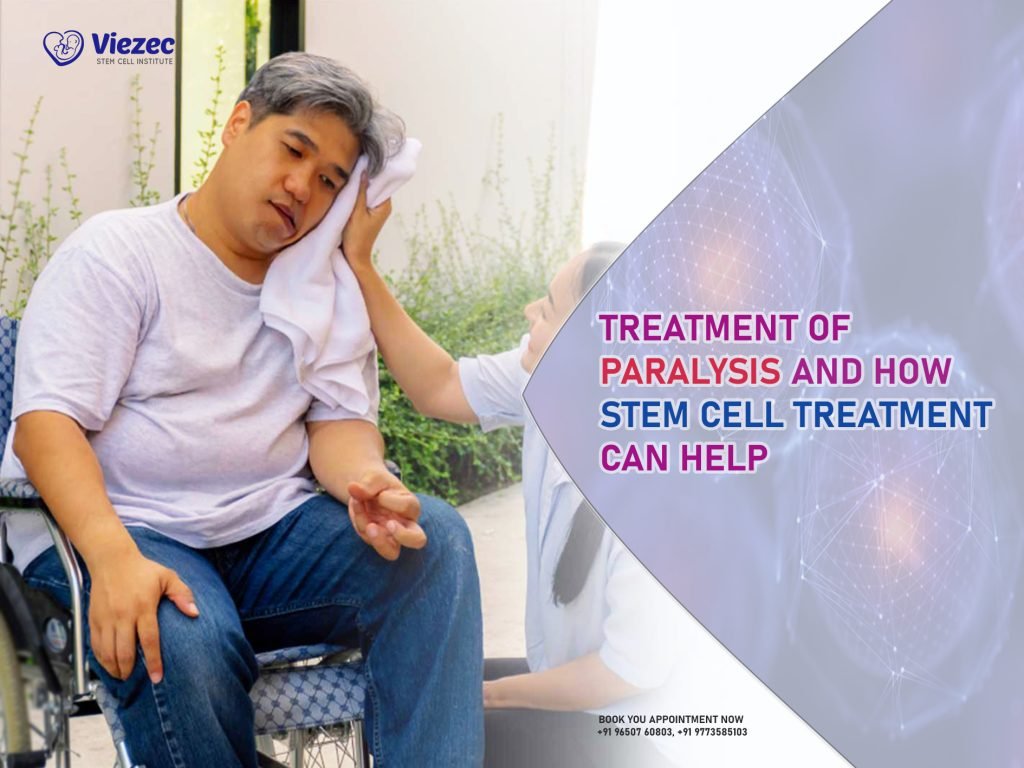
Paralysis is a debilitating condition characterized by the loss of muscle function in part or most of the body. It can result from various causes, including spinal cord injuries, strokes, traumatic brain injuries, and neurological disorders. Individuals suffering from paralysis often experience significant limitations in mobility, independence, and quality of life.
Definition of Paralysis
Paralysis is defined as the loss of voluntary muscle control due to damage or dysfunction of the nervous system. This loss of control can affect one or more parts of the body, depending on the location and severity of the injury or condition.
Causes of Paralysis
Paralysis can be caused by a range of factors, including:
- Traumatic injuries such as spinal cord injuries and traumatic brain injuries.
- Neurological disorders such as multiple sclerosis, Parkinson’s disease, and amyotrophic lateral sclerosis (ALS).
- Vascular conditions such as strokes and transient ischemic attacks (TIAs).
- Infectious diseases such as polio and Guillain-Barré syndrome.
- Genetic disorders such as muscular dystrophy and cerebral palsy.
Types of Paralysis
Paralysis is classified based on the affected body parts and the extent of muscle impairment. Common types of paralysis include:
- Monoplegia: Paralysis of one limb.
- Hemiplegia: Paralysis of one side of the body.
- Paraplegia: Paralysis of the lower half of the body, including both legs.
- Quadriplegia (Tetraplegia): Paralysis of all four limbs and usually the trunk.
Conventional Treatments for Paralysis
Conventional treatments for paralysis focus on symptom management, rehabilitation, and improving quality of life. These treatments may include:
Physical Therapy
Physical therapy aims to improve muscle strength, flexibility, and coordination through targeted exercises and interventions.
Medications
Medications such as muscle relaxants, pain relievers, and antispasmodic drugs may be prescribed to manage symptoms associated with paralysis.
Surgical Interventions
Surgery may be recommended to relieve pressure on nerves, repair damaged tissues, or stabilize spinal injuries in cases of paralysis resulting from trauma or spinal cord compression.
Limitations of Conventional Treatments
While conventional treatments can help manage symptoms and improve functional abilities to some extent, they often have limitations:
- Limited Efficacy: Conventional treatments may not always restore lost function or provide significant improvements in mobility.
- Side Effects: Medications used to manage paralysis symptoms can cause side effects such as drowsiness, dizziness, and gastrointestinal problems.
- High Cost: Surgical interventions and long-term rehabilitation can be expensive, making them inaccessible to many individuals.
- Chronic Nature: Paralysis often requires ongoing management and care, leading to long-term challenges for patients and caregivers.
Effectiveness of Conventional Treatments
The effectiveness of conventional treatments for paralysis varies depending on factors such as the cause and severity of the condition, individual response to treatment, and access to healthcare resources. While some patients may experience significant improvements in function and quality of life, others may have limited or no response to treatment.
Understanding Stem Cell Treatment
Stem cell therapy offers a promising approach for the treatment of paralysis by harnessing the regenerative potential of stem cells to repair damaged tissues and restore lost function.
What are Stem Cells?
Stem cells are undifferentiated cells capable of self-renewal and differentiation into specialized cell types. They can be derived from various sources, including embryonic tissue, umbilical cord blood, and adult tissues such as bone marrow and adipose tissue.
Mechanism of Stem Cell Therapy
Stem cell therapy involves the transplantation of stem cells into the body to replace or repair damaged cells and tissues. These transplanted stem cells have the potential to differentiate into neurons, glial cells, and other cell types involved in nerve regeneration and repair.
Types of Stem Cell Therapies
There are several types of stem cell therapies being investigated for the treatment of paralysis, including:
- Embryonic Stem Cells: Derived from early-stage embryos, these cells have the ability to differentiate into a wide range of cell types.
- Mesenchymal Stem Cells (MSCs): Found in adult tissues such as bone marrow and adipose tissue, MSCs have demonstrated potential for tissue repair and immunomodulation.
- Induced Pluripotent Stem Cells (iPSCs): Generated by reprogramming adult cells, iPSCs have the ability to differentiate into various cell types and hold promise for personalized regenerative medicine.
Potential of Stem Cell Treatment for Paralysis
Stem cell treatment offers several potential benefits for individuals with paralysis, including:
- Regeneration of Damaged Nerve Cells: Stem cells have the ability to differentiate into neurons and glial cells, promoting the regeneration of damaged nerve tissue.
- Reduction of Inflammation: Stem cells exert anti-inflammatory effects, which can help reduce tissue damage and promote healing.
- Improvement in Motor Function: By enhancing nerve regeneration and synaptic connectivity, stem cell therapy may lead to improvements in motor function and mobility.
Research and Clinical Trials on Stem Cell Treatment
Numerous research studies and clinical trials are underway to investigate the safety and efficacy of stem cell therapy for paralysis. These studies aim to:
- Evaluate the optimal sources and types of stem cells for transplantation.
- Assess the safety and feasibility of stem cell transplantation in humans.
- Determine the long-term effects and outcomes of stem cell therapy on motor function and quality of life.
Promising Studies and Findings
Several studies have reported promising results with stem cell therapy in preclinical and clinical settings. These findings suggest that stem cell transplantation may lead to improvements in motor function, sensory perception, and quality of life for individuals with paralysis.
Challenges and Limitations
Despite the potential benefits of stem cell therapy, several challenges and limitations need to be addressed:
- Safety Concerns: Stem cell transplantation carries risks such as tumor formation, immune rejection, and graft-versus-host disease.
- Ethical Considerations: The use of embryonic stem cells raises ethical concerns related to the destruction of human embryos.
- Technical Hurdles: Challenges related to cell transplantation techniques, cell survival, and integration into host tissues need to be overcome for successful implementation of stem cell therapy.
Future Directions in Stem Cell Research
Future research in stem cell therapy for paralysis will focus on:
- Improving Safety and Efficacy: Developing safer and more effective stem cell transplantation techniques and protocols.
- Personalized Medicine: Tailoring stem cell therapies to individual patient characteristics and disease profiles.
- Combination Therapies: Exploring combination approaches such as stem cell transplantation with growth factors, biomaterial scaffolds, and rehabilitation strategies.
Ethical Considerations and Controversies
Stem cell research and therapy raise various ethical considerations and controversies:
Ethical Issues Surrounding Stem Cell Research
Debates surrounding the use of embryonic stem cells, human-animal chimeras, and genetic modification raise ethical questions about the moral status of human embryos and the boundaries of scientific research.
Legal and Regulatory Frameworks
Legal and regulatory frameworks governing stem cell research and therapy vary across countries and jurisdictions. These frameworks aim to balance scientific progress with ethical considerations and patient safety.
Public Perception and Debates
Public perception of stem cell research is influenced by factors such as religious beliefs, cultural values, and media portrayals. Debates over the moral and ethical implications of stem cell therapy continue to shape public opinion and policy decisions.
Success Stories and Case Studies
Despite the challenges and controversies surrounding stem cell therapy, there have been notable success stories and case studies:
Notable Cases of Stem Cell Treatment for Paralysis
Several individuals with paralysis have reported significant improvements in motor function and quality of life following stem cell therapy. These success stories highlight the potential of stem cell treatment as a transformative intervention for paralysis.
Patient Experiences and Outcomes
Patient testimonials and qualitative research provide insights into the lived experiences and outcomes of individuals undergoing stem cell therapy for paralysis. These firsthand accounts offer valuable perspectives on the benefits, challenges, and uncertainties associated with this innovative treatment approach.
Lessons Learned from Successful Cases
Analyzing successful cases of stem cell treatment for paralysis can yield valuable lessons and insights for improving patient selection, treatment protocols, and long-term outcomes. These lessons can inform future research and clinical practice in the field of regenerative medicine.
Costs and Accessibility of Stem Cell Therapy
The cost and accessibility of stem cell therapy pose significant barriers to widespread adoption and equitable access:
Financial Implications
Stem cell therapy can be costly, with expenses related to cell processing, transplantation procedures, and post-treatment care. The high cost of treatment may limit access for individuals without adequate financial resources or health insurance coverage.
Insurance Coverage
Insurance coverage for stem cell therapy varies depending on factors such as treatment indications, regulatory approval, and payer policies. Many insurance providers do not cover experimental or investigational treatments, which may include stem cell therapy for paralysis.
Accessibility for Different Socioeconomic Groups
Disparities in access to stem cell therapy exist based on socioeconomic factors such as income, education, and geographic location. Individuals from marginalized communities may face greater barriers to accessing cutting-edge treatments due to financial constraints, lack of information, and structural inequalities in healthcare systems.
Conclusion and Future Outlook
Stem cell therapy holds tremendous promise for transforming the treatment of paralysis and improving the lives of individuals affected by this devastating condition. While significant progress has been made in understanding the mechanisms and potential applications of stem cell therapy, numerous challenges and uncertainties remain. Addressing these challenges will require interdisciplinary collaboration, ethical reflection, and sustained investment in research and innovation.
Summary of Key Points
- Paralysis is a debilitating condition characterized by the loss of muscle function, often resulting from injuries or neurological disorders.
- Conventional treatments for paralysis focus on symptom management and rehabilitation but have limitations in restoring lost function.
- Stem cell therapy offers a promising approach for treating paralysis by promoting nerve regeneration and tissue repair.
- Despite the potential benefits, stem cell therapy faces challenges such as safety concerns, ethical controversies, and accessibility issues.
- Future research and clinical efforts will focus on improving the safety, efficacy, and accessibility of stem cell therapy for paralysis.
Potential of Stem Cell Therapy in Transforming Paralysis Treatment
Stem cell therapy has the potential to revolutionize the treatment of paralysis by offering novel approaches for regenerating damaged tissues and restoring lost function. With ongoing advancements in stem cell research and clinical translation, the future holds promise for transformative interventions that can significantly improve the lives of individuals living with paralysis.
Areas for Further Research and Improvement
Continued research and innovation are needed to address remaining challenges and optimize the therapeutic potential of stem cell therapy for paralysis. Areas for further research and improvement include enhancing safety and efficacy, expanding access to treatment, and exploring synergistic approaches to maximize therapeutic outcomes. By addressing these critical areas, stem cell therapy can fulfill its promise as a game-changing intervention for paralysis and other neurological conditions.