


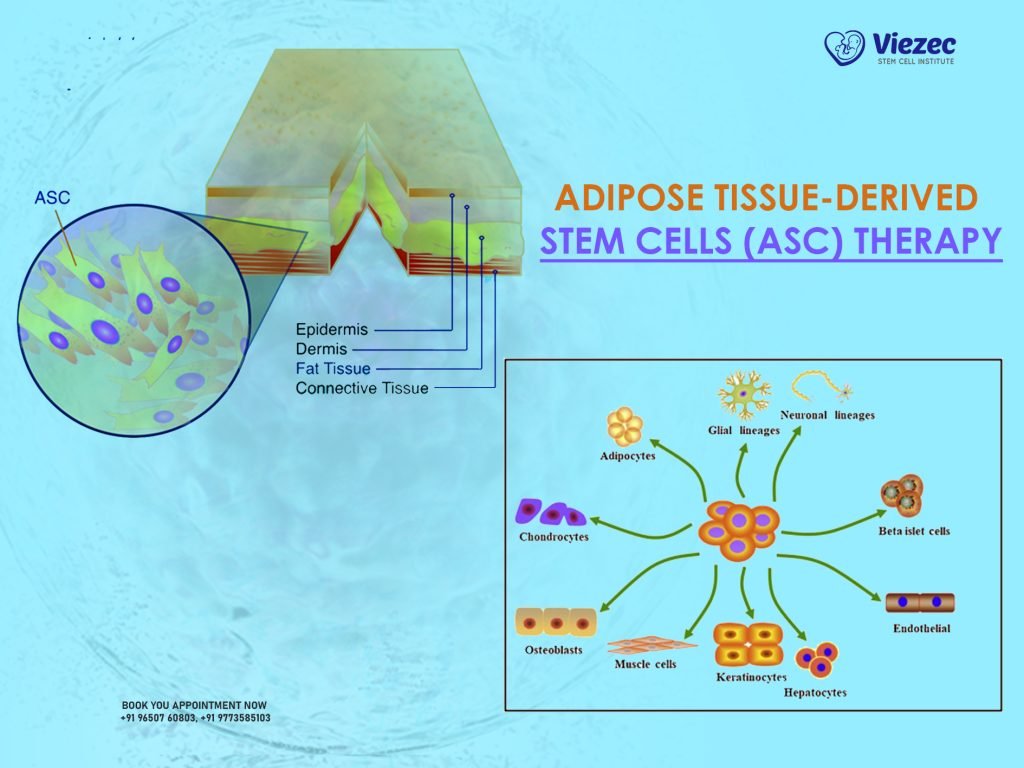
In the world of regenerative medicine, a remarkable and promising frontier has emerged – Adipose Tissue-Derived Stem Cells (ASC) Therapy. This cutting-edge approach harnesses the remarkable potential of stem cells found within our body’s fatty tissue to revolutionize healthcare and transform the way we treat a wide range of medical conditions.
Adipose tissue, commonly known as fat, was once overlooked as mere excess baggage in our bodies. However, recent scientific breakthroughs have unveiled its hidden treasure trove of stem cells. These versatile cells possess the extraordinary ability to differentiate into various cell types, making them an invaluable resource for tissue repair, regeneration, and even immune modulation.
In this blog, we will delve deep into the fascinating world of ASC therapy. We’ll explore how adipose-derived stem cells are being used to address conditions ranging from orthopedic injuries to autoimmune disorders, opening up new possibilities for personalized and effective treatments. Join us on this enlightening journey as we uncover the immense potential of ASC therapy and its game-changing implications for the future of medicine.
Adipose Tissue-Derived Stem Cells (ASC) Therapy
Definition and Overview of ASC Therapy
Adipose tissue-derived stem cell therapy, often referred to as ASC therapy, is a form of regenerative medicine that harnesses the regenerative potential of stem cells found in adipose tissue. These stem cells have the remarkable ability to differentiate into various cell types, making them a valuable tool for tissue repair and regeneration.
Importance of Regenerative Medicine
Regenerative medicine focuses on repairing or replacing damaged tissues and organs, offering hope to individuals with conditions that were once considered untreatable. ASC therapy is at the forefront of this medical revolution, offering new avenues for treatment.
ASC as a Promising Regenerative Therapy
ASC therapy has gained significant attention in recent years due to its versatility and potential to treat a wide range of medical conditions, from orthopedic injuries to degenerative diseases.
Sources and Characteristics of ASC
Adipose Tissue-Derived Stem Cells (ASCs) are a remarkable resource for regenerative medicine, offering unique characteristics and accessibility. These versatile cells primarily originate from adipose tissue, commonly found in regions like the abdomen and thighs. Unlike some other sources of stem cells, obtaining ASCs through a minimally invasive liposuction procedure is relatively straightforward, making them more readily available for therapeutic purposes.
One of the distinguishing features of ASCs is their capacity for multipotency, meaning they can differentiate into various cell types, including bone, cartilage, muscle, and fat cells. This differentiating potential is a key asset in addressing a wide array of medical conditions, from joint and cartilage problems to aesthetic rejuvenation.
Furthermore, ASCs exhibit a favorable safety profile, with minimal ethical concerns compared to embryonic stem cells. Their ability to support tissue repair and regeneration, coupled with their accessibility and relatively low risk, positions ASCs as a valuable asset in the ongoing evolution of regenerative medicine.
Mechanisms of ASC Therapy
How ASC Therapy Works at the Cellular Level
ASC therapy operates by harnessing the unique capabilities of Adipose Tissue-Derived Stem Cells (ASCs) at a cellular level. When introduced into damaged or degenerated tissues, ASCs differentiate into specific cell types, promoting tissue repair and regeneration. Their secretion of growth factors and anti-inflammatory properties further enhance healing processes, making ASC therapy a powerful tool for restoring and revitalizing damaged tissue.
Role in Tissue Repair and Regeneration
The key role of ASCs in tissue repair involves stimulating the production of new, healthy cells and modulating the body’s immune response. This results in enhanced tissue regeneration and reduced inflammation.
Applications of ASC Therapy
Common Medical Conditions Treated with ASC Therapy
ASC therapy has shown promise in treating a wide array of conditions, including musculoskeletal disorders, cardiovascular diseases, and even skin rejuvenation. Its versatility makes it a valuable asset in modern medicine.
Examples of Successful ASC Therapy Outcomes
Numerous success stories highlight the effectiveness of ASC therapy, with patients experiencing improved mobility, reduced pain, and enhanced quality of life after treatment.
Advantages and Limitations
Advantages of ASC Therapy
ASC therapy offers several advantages, including minimal risk of rejection, minimal invasiveness during the harvesting process, and a reduced risk of tumorigenesis compared to other stem cell sources.
Potential Limitations and Challenges
Despite its potential, ASC therapy also faces challenges such as limited long-term studies and regulatory hurdles. Research is ongoing to address these issues.
Safety and Regulation
Safety Considerations in ASC Therapy
Ensuring the safety of ASC therapy involves rigorous screening of donors, adherence to strict protocols, and monitoring for adverse effects. Patient safety remains a top priority in clinical applications.
Regulatory Framework and Ethical Considerations
The use of ASCs in medical practice is subject to regulatory oversight to ensure ethical standards are maintained. This includes adhering to guidelines for cell therapy and patient consent.
Current Research and Future Directions
Ongoing Research and Emerging Trends
Researchers are actively exploring new applications of ASC therapy, including neurological disorders and autoimmune diseases. Emerging trends include personalized treatments tailored to individual patients.
Potential Future Advancements in ASC Therapy
The future of ASC therapy holds exciting possibilities, such as optimizing cell delivery methods, enhancing differentiation capabilities, and developing innovative therapies for currently incurable conditions.
Adipose tissue-derived stem cell therapy, or ASC therapy, represents a revolutionary approach in regenerative medicine. With its unique characteristics, versatile applications, and ongoing research, ASC therapy offers hope to countless individuals seeking effective treatments for various medical conditions. As the field continues to evolve, it holds the potential to reshape the landscape of modern medicine.
FAQs
- Is ASC therapy safe?
- ASC therapy is generally considered safe when performed by qualified professionals and adhering to strict safety protocols.
- What conditions can be treated with ASC therapy?
- ASC therapy has shown promise in treating musculoskeletal disorders, cardiovascular diseases, autoimmune conditions, and more.
- How are ASCs harvested for therapy?
- ASCs are typically obtained through minimally invasive procedures like liposuction, making them readily accessible.
- Are there any ethical concerns with ASC therapy?
- The use of ASCs is subject to ethical guidelines and regulatory oversight to ensure responsible and ethical practices.
- What does the future hold for ASC therapy?
- The future of ASC therapy is promising, with ongoing research exploring new applications and personalized treatments for various conditions.