


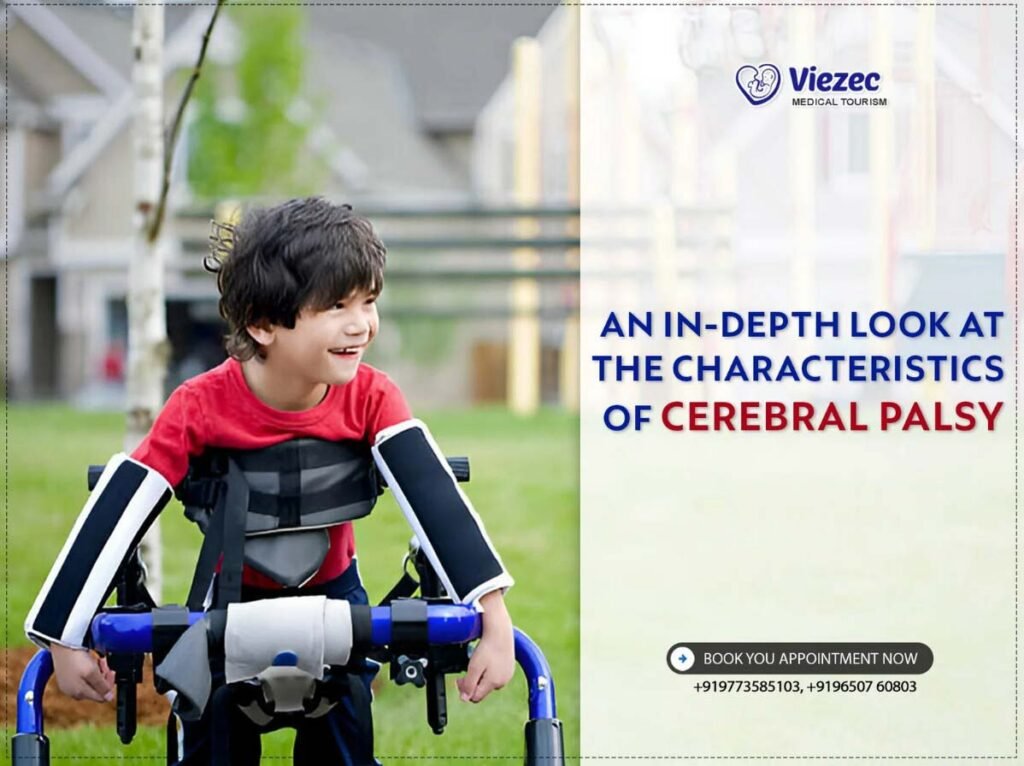
Cerebral palsy (CP) is a group of neurological disorders that affect movement, muscle tone, and posture. It is caused by damage to the developing brain, often occurring before birth but can also happen during infancy or early childhood. This damage disrupts the brain’s ability to control movement and posture. CP varies widely in severity and symptoms, leading to a spectrum of challenges and characteristics unique to each individual.
Definition and Scope
Cerebral palsy is defined as a non-progressive disorder of movement and posture caused by damage to the developing brain, specifically affecting motor skills. The scope of CP includes a range of conditions that impact movement control, muscle coordination, and balance. This condition manifests differently in each person, depending on the extent and location of brain damage.
Causes and Risk Factors
The causes of cerebral palsy can vary, including prenatal factors such as infections or maternal health issues, perinatal factors like birth complications or premature birth, and postnatal factors such as brain injuries or infections during infancy. Risk factors include low birth weight, premature birth, multiple births (twins, triplets), and maternal health issues.
Types of Cerebral Palsy
There are several types of cerebral palsy, categorized based on the areas of the brain affected and the resulting symptoms. These include spastic CP, dyskinetic CP (including athetoid and dystonic CP), ataxic CP, and mixed types. Each type presents unique challenges related to movement, muscle tone, and coordination.
Physical Characteristics
Individuals with cerebral palsy experience a range of physical challenges that affect their daily activities and mobility.
Motor Impairments
Spasticity
Spasticity is characterized by stiff, tight muscles and exaggerated reflexes. It can affect one or more limbs, leading to difficulties in movement, walking, and fine motor skills. Management often includes physical therapy, medications, and sometimes surgery to release tight muscles.
Dyskinesia
Dyskinesia involves involuntary movements that can be slow and writhing (athetosis) or jerky and abrupt (dystonia). These movements can affect the face, arms, and legs, impacting both gross and fine motor skills. Treatment focuses on symptom management and improving motor control.
Ataxia
Ataxia results in poor coordination and balance, making movements clumsy and unsteady. Individuals may have difficulty with precise movements like writing or buttoning a shirt. Therapy aims to improve balance and coordination through targeted exercises and adaptive strategies.
Muscle Tone and Reflexes
Hypertonia
Hypertonia refers to increased muscle tone, causing muscles to be stiff and resistant to movement. This can lead to difficulties with flexibility and joint mobility. Treatment includes stretching exercises, medications to relax muscles, and orthotic devices to support posture and movement.
Hypotonia
Hypotonia is characterized by low muscle tone, resulting in weak muscles and poor control over movement. It can affect posture, balance, and coordination. Therapy focuses on strengthening exercises, sensory stimulation, and adaptive equipment to support daily activities.
Communication Challenges
Communication can be significantly impacted in individuals with cerebral palsy, affecting both verbal and non-verbal communication methods.
Speech and Language Difficulties
Dysarthria
Dysarthria is a motor speech disorder that results in slurred or unclear speech due to weakness or lack of coordination of the muscles used for speech. Speech therapy helps improve articulation, breath control, and vocal quality.
Apraxia
Apraxia of speech involves difficulty planning and coordinating the movements necessary for speech production, despite intact muscles and comprehension. Therapy focuses on improving motor planning and sequencing of speech sounds.
Non-verbal Communication Methods
Augmentative and Alternative Communication (AAC)
AAC includes tools and techniques such as communication boards, speech-generating devices, and sign language to support individuals who cannot rely on verbal speech alone. These methods enhance communication effectiveness and independence.
Sign Language
Sign language allows individuals with CP who have difficulty speaking or producing clear speech to communicate using hand gestures, facial expressions, and body language. Learning sign language can significantly improve communication and social interaction.
Cognitive Impacts
Cerebral palsy can affect cognitive functions, including learning abilities and intellectual development.
Learning Disabilities
Many individuals with CP may experience learning disabilities that affect their ability to acquire, process, or retain information. These challenges can vary widely, from difficulties with reading and math to organizational skills and memory.
Intellectual Impairments
While not all individuals with CP have intellectual impairments, some may experience cognitive deficits that impact reasoning, problem-solving, and adaptive functioning. Early intervention and educational support are crucial in maximizing cognitive development and independence.
Sensory Issues
Sensory processing difficulties are common in individuals with cerebral palsy, affecting how they perceive and respond to sensory stimuli.
Vision and Hearing Impairments
Visual impairments, such as strabismus (crossed eyes) or cortical visual impairment (CVI), can occur due to damage to the visual centers of the brain. Hearing impairments may also be present, affecting communication and social interactions.
Sensory Processing Difficulties
Many individuals with CP have sensory sensitivities or difficulties processing sensory information, which can lead to challenges in regulating responses to touch, sound, light, and movement. Sensory integration therapy can help manage these issues and improve daily functioning.
Associated Medical Conditions
Individuals with cerebral palsy are at higher risk for various medical conditions that require ongoing management and treatment.
Epilepsy and Seizure Disorders
Epilepsy, characterized by recurrent seizures, is more prevalent in individuals with cerebral palsy due to abnormal brain activity. Seizure management includes medications, lifestyle modifications, and sometimes surgical interventions.
Gastrointestinal Issues
Gastrointestinal problems such as gastroesophageal reflux disease (GERD), constipation, and difficulty swallowing (dysphagia) are common in individuals with CP. Treatment involves dietary adjustments, medications, and therapies to improve digestion and nutrition.
Orthopedic Problems
Musculoskeletal issues like scoliosis, joint contractures, and osteoarthritis can develop due to abnormal muscle tone and posture. Orthopedic interventions may include bracing, corrective surgeries, and physical therapies to prevent or manage these conditions.
Social and Emotional Considerations
Living with cerebral palsy can impact social interactions, self-esteem, and emotional well-being.
Impact on Social Interactions
Barriers to mobility, communication challenges, and societal attitudes can affect social inclusion and participation in community activities. Supportive environments and inclusive practices are essential in promoting social integration and reducing isolation.
Emotional Well-being and Mental Health
Managing a chronic condition like cerebral palsy can lead to emotional stress, anxiety, or depression for both individuals and their families. Access to mental health services, peer support groups, and counseling can help address these emotional challenges effectively.
Treatment and Management Options
Comprehensive care for cerebral palsy involves a multidisciplinary approach to address physical, communication, cognitive, and emotional needs.
Physical Therapy
Physical therapy focuses on improving mobility, muscle strength, flexibility, and overall functional abilities through exercises, stretching, and therapeutic techniques tailored to individual needs.
Occupational Therapy
Occupational therapy aims to enhance independence in daily activities such as self-care, school tasks, and work-related skills. It includes adaptive strategies, assistive devices, and environmental modifications to promote functional independence.
Speech Therapy
Speech therapy addresses communication challenges by improving speech clarity, language comprehension, and alternative communication methods like AAC or sign language. Therapists work on vocal exercises, articulation techniques, and communication strategies.
Medications and Surgical Interventions
Medications may be prescribed to manage spasticity, seizures, pain, or other associated conditions. Surgical interventions such as selective dorsal rhizotomy (SDR) or orthopedic surgeries may be considered to improve mobility or alleviate musculoskeletal issues.
Stem Cell Therapy in Research and Development
Emerging therapies like stem cell treatment show promise in repairing damaged brain tissue and improving motor function in individuals with cerebral palsy. Ongoing research aims to explore the potential benefits and safety of these innovative treatments.
Educational and Support Services
Education and support play crucial roles in empowering individuals with cerebral palsy and their families to thrive.
Individualized Education Plans (IEPs)
IEPs are personalized educational plans designed to meet the unique learning needs of students with disabilities, including cerebral palsy. They outline goals, accommodations, and support services to ensure academic success and social development.
Support Groups and Advocacy Organizations
Support groups provide valuable peer support, information sharing, and resources for individuals with CP and their families. Advocacy organizations work to raise awareness, promote inclusive policies, and improve access to services and opportunities for people with disabilities.
Frequently Asked Questions
1. What are the early signs and symptoms of cerebral palsy?
Early signs may include delays in reaching developmental milestones (e.g., rolling over, sitting up), abnormal muscle tone (either too stiff or too floppy), and difficulty with motor skills like crawling or walking.
2. How is cerebral palsy diagnosed?
Diagnosis involves medical history review, physical examinations, and possibly neuroimaging (like MRI) to assess brain structure and function. Developmental assessments and evaluations by specialists also contribute to diagnosis.
3. What are the different types of cerebral palsy?
Cerebral palsy is categorized into spastic, dyskinetic (including athetoid and dystonic), ataxic, or mixed types based on the predominant movement impairments and affected limbs.
4. What are the long-term outlook and life expectancy for individuals with cerebral palsy?
Outcomes vary widely depending on the severity, associated conditions, and access to medical and supportive interventions. Many individuals with CP lead fulfilling lives with appropriate care and support, though life expectancy may be slightly reduced compared to the general population.
For more information on cerebral palsy, treatment options, and support services, visit us online. Understanding the characteristics and management of cerebral palsy is crucial for improving outcomes and enhancing quality of life for individuals affected by this condition.