
The ketogenic (keto) diet — very low carbohydrate, high fat — has become one of the most talked-about dietary approaches for managing Type 2 diabetes. Because carbohydrates have the biggest direct effect on blood sugar, cutting them drastically can produce a noticeable drop in blood glucose fairly quickly. But “it lowers blood sugar” and “it’s a safe, sustainable long-term strategy for everyone with diabetes” are two different claims — and the honest answer is that keto can help some people manage diabetes, but it isn’t a cure, isn’t right for everyone, and needs medical supervision, especially for anyone on insulin or blood-sugar-lowering medication.
Quick Answer
The keto diet can improve blood sugar control and insulin sensitivity for some people with Type 2 diabetes, primarily because drastically reducing carbohydrates directly lowers the main driver of blood glucose spikes. It is not a cure for diabetes, and it is not automatically safe for everyone with the condition — people on insulin or sulfonylureas face a real risk of dangerously low blood sugar (hypoglycemia) if medication isn’t adjusted alongside the diet. Anyone with diabetes considering keto should do so with medical supervision, not on their own.
How the Keto Diet Works
The keto diet restricts carbohydrate intake to roughly 20-50 grams a day, replacing those calories with fat and a moderate amount of protein. With carbohydrate intake this low, the body shifts into ketosis — a metabolic state where it burns fat for fuel instead of glucose, producing ketones as an alternate energy source.
Because carbohydrates are the primary driver of blood glucose spikes, removing most of them from the diet has a fairly direct and immediate effect on blood sugar levels — which is the core reason the diet has drawn so much interest from people managing diabetes.
What the Evidence Actually Shows
- Blood sugar control: Several clinical studies on very-low-carbohydrate diets in people with Type 2 diabetes have reported meaningful reductions in HbA1c (a marker of average blood sugar over 2-3 months) and fasting blood glucose, particularly in the first several months of the diet.
- Medication reduction: Some studies have found that a portion of participants were able to reduce or, in select cases, discontinue diabetes medication under medical supervision — this is not something to attempt without a doctor actively managing the adjustment, since stopping medication too fast on a low-carb diet can be dangerous.
- Weight loss: Keto often produces short-to-medium-term weight loss, which independently improves insulin sensitivity in people with Type 2 diabetes — some of the diet’s benefit may come from this rather than ketosis itself.
- Long-term data is limited: Most keto studies run for a matter of months, not years. There’s less robust evidence on long-term sustainability, cardiovascular effects, and outcomes beyond the first year or two compared to more established approaches like the Mediterranean diet.
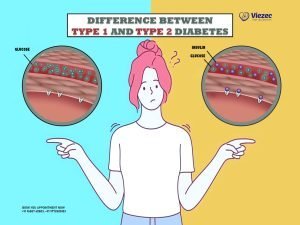
- Not a fit for Type 1 diabetes in the same way: Keto in Type 1 diabetes carries a specific and serious risk of diabetic ketoacidosis (DKA) if not carefully managed alongside insulin dosing, and should only be attempted under close specialist supervision, if at all.
Common Challenges and Side Effects
- “Keto flu” — fatigue, headache, nausea, and irritability in the first 1-2 weeks as the body adapts to ketosis
- Nutrient gaps — cutting most carbohydrate sources can also cut fiber, vitamins, and minerals unless the diet is built around a wide variety of low-carb vegetables, nuts, and seeds
- Sustainability — the strictness of keto makes long-term adherence harder for many people compared to more moderate approaches
- Hypoglycemia risk — for anyone on blood-sugar-lowering medication, this is the most serious and time-sensitive risk, and is exactly why medical supervision matters from day one, not after symptoms appear
Alternatives Worth Discussing With Your Doctor
Keto isn’t the only evidence-supported dietary approach for Type 2 diabetes. Others worth discussing include:
- Mediterranean diet — moderate carbohydrate, emphasis on healthy fats, vegetables, and whole grains, with strong long-term cardiovascular evidence
- Low-glycemic-index diet — focuses on carbohydrate quality and pacing rather than eliminating carbs entirely, often easier to sustain long-term
- Balanced calorie-controlled diet with regular activity — for many people, consistent moderate changes outperform strict short-term diets over the long run
For broader day-to-day nutrition guidance beyond keto specifically: Diet Tips for Diabetic Patients
How to Approach Keto Safely, If You and Your Doctor Decide to Try It
- Get medical clearance first — particularly if you take insulin or other glucose-lowering medication, which likely needs adjusting before you start
- Monitor blood sugar closely, especially in the first few weeks, to catch hypoglycemia early
- Prioritize nutrient-dense low-carb foods — non-starchy vegetables, nuts, seeds, and healthy fats — rather than defaulting to heavily processed “keto” products
- Schedule regular follow-ups with your doctor or a registered dietitian to track HbA1c, kidney function, and cholesterol
- Reassess periodically — what works well in month one may need adjusting by month six
Common Misconceptions
- “Keto cures diabetes.” It doesn’t. It can be a genuinely useful management tool for some people with Type 2 diabetes, but diabetes remains a chronic condition requiring ongoing monitoring regardless of diet.
- “If keto lowers blood sugar, less medication must be safer.” Not without medical guidance — stopping or reducing medication without supervision while on a low-carb diet is one of the more common and preventable causes of dangerous blood sugar swings.
- “Keto works the same way for everyone.” Individual responses vary meaningfully based on the type of diabetes, current medications, kidney function, and overall health.
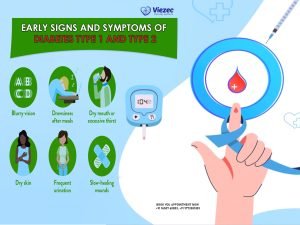
If you’re newer to diabetes or unsure which signs to watch for as your management plan changes: Early Signs and Symptoms of Diabetes: Type 1 and Type 2
Frequently Asked Questions
No. The keto diet is not a cure for diabetes. It can help some people manage blood sugar as part of a broader treatment plan, but diabetes remains a chronic condition that still requires ongoing monitoring and, often, medication.
It’s not advisable, especially if you take insulin or other diabetes medication. Starting keto without medical guidance raises a real risk of hypoglycemia if medication isn’t adjusted alongside the dietary change.
Yes. The Mediterranean diet and low-glycemic-index eating patterns are both well-supported alternatives that are often easier to sustain long-term, and can be discussed with a healthcare professional or registered dietitian.
The most common early side effect is “keto flu” — fatigue, headache, and nausea in the first one to two weeks. The more serious risk to watch for is hypoglycemia (low blood sugar), particularly for anyone on insulin or sulfonylureas.
There’s no universal duration — it depends on individual health goals, response to the diet, and guidance from a healthcare professional. Some people use keto short-term to jumpstart blood sugar control, others maintain a modified low-carb approach longer term.
It requires far more caution than in Type 2 diabetes, due to an increased risk of diabetic ketoacidosis (DKA) when combined with insulin therapy. Anyone with Type 1 diabetes considering keto should only do so under close specialist supervision.
It can, particularly if kidney function is already compromised — some keto diets are high in protein, which may add strain to the kidneys. Anyone with existing kidney concerns should discuss this specifically with their doctor before starting.
Take the Next Step
Considering keto or another dietary change to help manage your diabetes? Talk to your healthcare provider first, particularly if you’re on medication — and if diabetes has already led to complications affecting your eyes, nerves, kidneys, or feet, our team can walk you through regenerative treatment options available alongside your diabetes management plan.