
Written By:Nishat Arfin|Reviewed By:Viezec Medical Team|
Published: June 20, 2025 | Updated: July 27, 2026
Published: June 20, 2025 | Updated: July 27, 2026
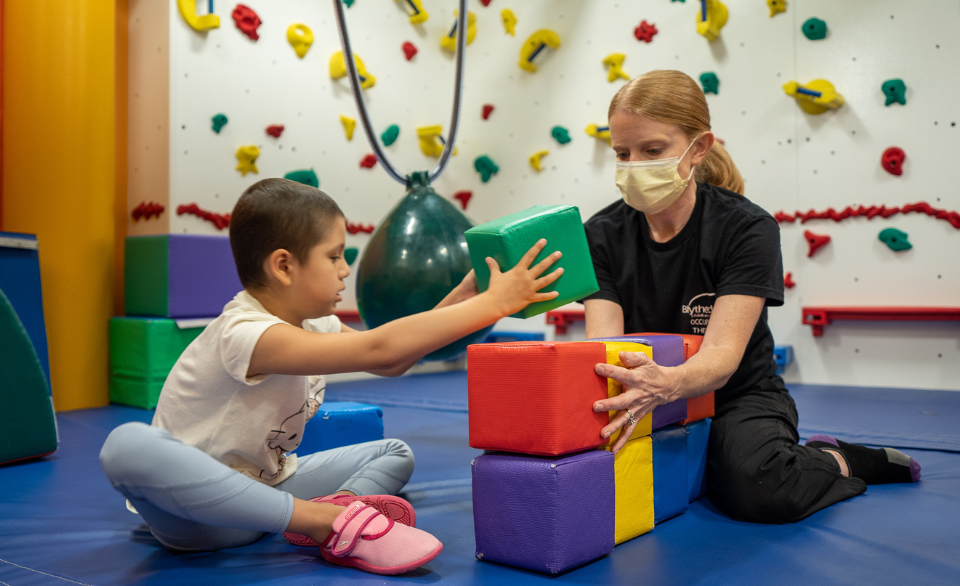
When a neurological condition, developmental delay, or physical injury changes how someone moves, feels, or processes the world, the loss is rarely just physical. Simple daily tasks — getting dressed, feeding yourself, writing, holding a cup, or playing with your child — can suddenly become difficult or impossible. This is where occupational therapy (OT) plays a central role in recovery.
Occupational therapy is a form of rehabilitative care focused on helping people of all ages regain, develop, or maintain the skills needed for everyday activities, or “occupations.” Unlike treatments that target a single symptom, OT looks at the whole person — their physical abilities, cognitive function, sensory processing, and environment — and builds a plan to help them function as independently as possible.
At Viezec, occupational therapy is often used alongside regenerative treatments such as stem cell therapy for conditions like cerebral palsy, autism, spinal cord injury, and stroke, since improving underlying neurological or musculoskeletal function works best when paired with structured, hands-on therapy that helps the brain and body relearn daily skills. This page explains what occupational therapy involves, who benefits from it, and how it fits into a broader rehabilitation and regenerative treatment plan.
Medical disclaimer: This content is for educational purposes only and does not replace individualized medical advice. Occupational therapy needs and outcomes vary by diagnosis, age, and severity of impairment. A qualified therapist and physician should evaluate each patient before starting treatment.
Definition: Occupational therapy is a healthcare discipline that helps individuals develop, recover, or maintain the skills needed to perform meaningful daily activities — including self-care, work, school, play, and social participation — despite physical, cognitive, sensory, or developmental challenges.
The word “occupation” in this context doesn’t refer to a job. It refers to any activity that occupies a person’s time and gives their life structure and meaning — brushing teeth, writing, cooking, dressing, using a computer, or playing with toys. Occupational therapists are trained to break these activities down into their component skills and rebuild them step by step when illness, injury, or developmental delay interrupts that ability.
Occupational therapists work with a wide range of patients, including:
Occupational therapists typically evaluate and treat across several domains:
Key takeaway: Occupational therapy is not a single technique — it’s a broad discipline that adapts based on whether the goal is helping a child hold a pencil, an adult relearn to cook after a stroke, or a patient with cerebral palsy improve hand function.
Our experienced occupational therapists create personalized rehabilitation plans to improve daily living skills, mobility, and overall quality of life. Schedule your consultation today.
Occupational therapy is widely used as part of a rehabilitation plan for:
Many of these same conditions — including cerebral palsy, autism, spinal cord injury, and stroke recovery — are also areas where patients explore stem cell therapy as a regenerative treatment option. Occupational therapy and regenerative medicine are frequently used together, since improving underlying neurological or muscular function through regenerative treatment does not automatically restore learned daily-living skills — those typically still need to be practiced and reinforced through structured therapy.
Patients and families often ask how occupational therapy differs from physical therapy, since the two are frequently used together.
| Factor | Occupational Therapy | Physical Therapy |
|---|---|---|
| Primary focus | Independence in daily activities (self-care, fine motor skills, cognition, sensory processing) | Movement, strength, mobility, and pain management |
| Typical goals | Dressing, feeding, writing, sensory regulation, adaptive strategies | Walking, balance, muscle strength, joint range of motion |
| Common tools | Adaptive equipment, sensory integration activities, fine motor exercises | Therapeutic exercise, manual therapy, gait training |
| Common conditions | Cerebral palsy, autism, stroke, hand injuries, developmental delays | Orthopedic injuries, stroke, spinal cord injury, sports injuries |
In practice, many patients — particularly those recovering from stroke, spinal cord injury, or cerebral palsy — receive both therapies as part of a coordinated rehabilitation plan.
For patients pursuing regenerative treatments such as stem cell therapy for neurological or developmental conditions, occupational therapy is often recommended as a complementary part of the overall care plan — before, during, or after regenerative treatment. The rationale is straightforward: regenerative therapies aim to support the underlying biological environment (such as neural or muscular tissue), while occupational therapy helps the patient practice, reinforce, and functionally apply any resulting gains in strength, coordination, or sensory processing.
Patients exploring this combined approach often review options such as:
A specialist can help determine whether combining regenerative treatment with a structured occupational therapy program is appropriate for an individual’s specific diagnosis and goals.
Whether you’re recovering from injury, managing a neurological condition, or helping a loved one regain independence, our specialists are here to help.
An occupational therapist evaluates a patient’s physical, cognitive, and sensory abilities, then designs individualized activities and strategies to help them perform daily tasks more independently.
No. While OT is widely used in pediatric developmental care, it is equally important for adults recovering from stroke, spinal cord injury, or orthopedic conditions, as well as older adults managing age-related decline.
Physical therapy focuses primarily on movement, strength, and mobility, while occupational therapy focuses on functional independence in daily activities, including fine motor, cognitive, and sensory skills.
This varies widely based on diagnosis, age, severity, and consistency of therapy; some patients notice functional improvements within weeks, while others require months of ongoing therapy.
Yes. Many patients undergoing regenerative treatment for neurological or developmental conditions also engage in occupational therapy to help translate any functional gains into practical daily-living skills.
Yes, sensory integration is a core component of pediatric occupational therapy, particularly for children with autism spectrum disorder or sensory processing differences.
Coverage varies significantly by country, insurer, and diagnosis; patients should verify coverage directly with their insurance provider.
The first session typically involves an evaluation of current abilities, discussion of goals, and the start of an individualized treatment plan.
To learn more about how occupational therapy fits into a broader treatment approach, explore these related resources:
If you’re considering occupational therapy as part of a rehabilitation or regenerative treatment plan, reach out through our consultation page to discuss your specific condition and goals with our team.
Occupational therapy plays a vital role in helping patients regain independence after neurological, developmental, or physical challenges. Rather than focusing on a single symptom, it addresses the full range of skills needed to participate in daily life — from fine motor control to sensory processing to cognitive function. For many patients with conditions such as cerebral palsy, autism, spinal cord injury, or stroke, occupational therapy works best as part of a coordinated care plan that may also include physical therapy, speech therapy, and regenerative treatments like stem cell therapy.
Because every patient’s needs and goals are different, the most effective path forward starts with a professional evaluation — not a generic program — to determine the right combination of therapies for your specific situation.