


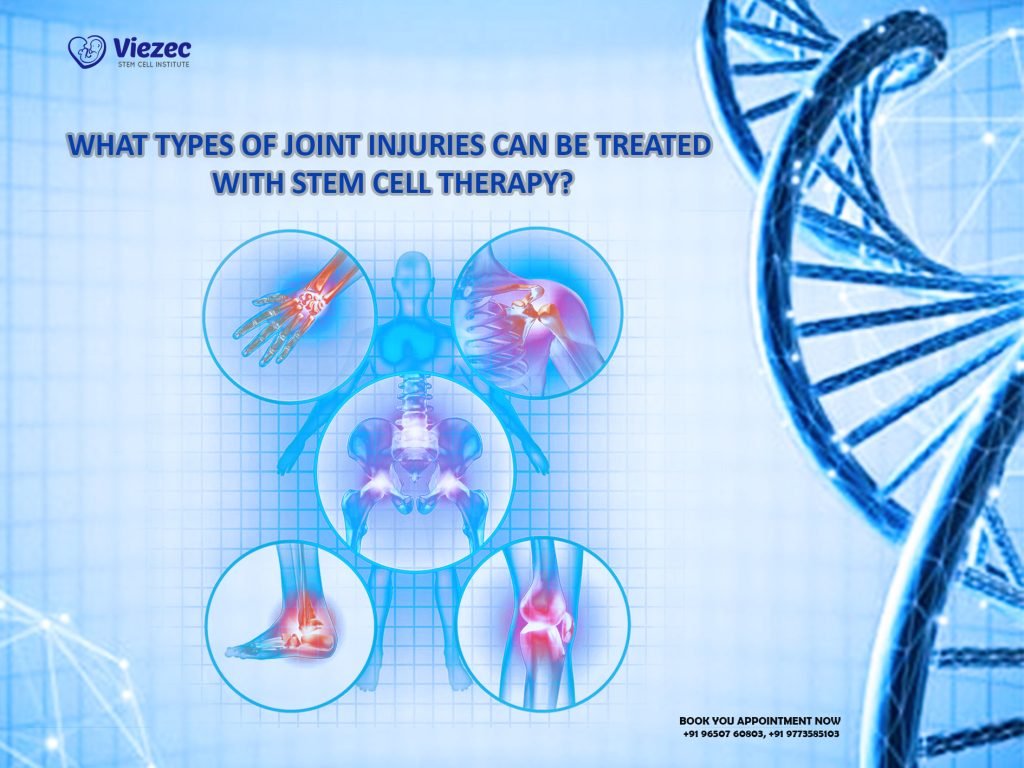
Joint injuries can significantly impact one’s quality of life, hindering mobility and causing chronic pain. Traditional treatments have their limitations, but the advent of stem cell therapy has opened new avenues for addressing joint injuries. In this article, we’ll explore how various types of joint injuries can benefit from stem cell therapy, and delve into the process and effectiveness of this innovative approach.
Understanding Joint Injuries
Joints are complex structures where bones meet and allow movement. Injuries can occur due to trauma, wear and tear, or overuse. While minor injuries may heal with time and rest, severe cases can lead to long-term complications. This is where stem cell therapy comes into play.
Promise of Stem Cell Therapy
Stem cells possess a unique ability to differentiate into various cell types, promoting tissue regeneration. Stem cell therapy harnesses this potential to treat a wide range of medical conditions, including joint injuries. By introducing stem cells into damaged joints, it’s possible to encourage the healing process and potentially reverse damage.
Common Types of Joint Injuries
Stem cell therapy has shown promise in treating several common joint injuries:
Osteoarthritis: A Degenerative Challenge
Osteoarthritis is characterized by the gradual breakdown of cartilage in joints. Traditional treatments provide symptomatic relief, but stem cell therapy aims to address the root cause. Stem cells can be used to stimulate cartilage growth, potentially slowing down or even halting the progression of osteoarthritis.
Ligament Tears and Stem Cell Potential
Ligaments connect bones to each other and are prone to injury, especially in athletes. Severe tears often require surgical intervention. However, stem cell injections could aid in the regeneration of damaged ligaments, offering a non-invasive alternative.
Healing Cartilage Damage
Cartilage acts as a cushion in joints, and injuries can lead to pain and restricted movement. Stem cells can be guided to differentiate into cartilage cells, promoting the repair of damaged tissue and improving joint function.
Tackling Tendon Injuries
Tendons connect muscles to bones and can be strained or torn due to repetitive motion or sudden impact. Stem cell therapy holds potential in accelerating the healing of tendon injuries by promoting the growth of healthy tissue.
Process of Stem Cell Treatment
Stem cell therapy for joint injuries involves several stages:
Preparing for Treatment
Before treatment, a thorough medical assessment is conducted to determine the suitability of the patient. Medical history, physical examination, and imaging help in crafting a personalized treatment plan.
Administering Stem Cell Injections
Stem cells can be sourced from the patient’s own body (autologous) or from donors (allogeneic). The stem cells are then carefully injected into the injured joint, guided by imaging techniques for precision.
Post-Treatment Rehabilitation
Following the injection, patients undergo rehabilitation to optimize the outcome. Physical therapy and exercises are tailored to gradually restore strength and mobility to the joint.
Effectiveness and Considerations
While stem cell therapy shows promise, its effectiveness can vary based on the type and severity of the injury. It’s essential to set realistic expectations and consult with medical professionals to make informed decisions.
Exploring Risks and Benefits
As with any medical procedure, stem cell therapy carries potential risks, such as infection or improper cell function. However, it also offers benefits like reduced downtime, minimal invasiveness, and the potential to avoid surgery.
Is Stem Cell Therapy Right for You?
Patient Criteria
Ideal candidates for stem cell therapy include those with chronic joint pain, limited mobility, or who haven’t responded well to traditional treatments.
Discussing Options with a Doctor
A healthcare professional can provide personalized guidance, discussing the benefits, risks, and alternatives to stem cell therapy based on individual circumstances.
Cost and Accessibility
Affordability and Insurance Coverage
Stem cell therapy costs can vary, and insurance coverage might not be comprehensive. It’s essential to explore financial options and discuss them with the healthcare provider.
Comparing Stem Cell Therapy with Traditional Treatments
While traditional treatments focus on managing symptoms, stem cell therapy aims to repair and regenerate tissues. This approach can potentially lead to more sustainable and long-lasting results.
Patient Experiences and Success Stories
Many individuals have experienced significant improvements in joint function and pain reduction after undergoing stem cell therapy. These success stories highlight the potential of this treatment approach.
Stem cell therapy holds immense promise in revolutionizing the treatment of joint injuries. By harnessing the regenerative capabilities of stem cells, we can potentially overcome the limitations of traditional treatments and provide individuals with a chance to regain their mobility and quality of life.
FAQs
Is stem cell therapy a guaranteed solution for all joint injuries?
Stem cell therapy’s effectiveness depends on various factors, including the injury type and individual response. Consulting with a medical professional is crucial.
Are there any ethical concerns regarding stem cell therapy?
The field has evolved to prioritize ethical considerations. Many therapies use ethically sourced stem cells or focus on using the patient’s own cells.
How long does it take to see results after stem cell treatment?
Results can vary, but some patients experience improvements within a few weeks to months after treatment. Long-term benefits may continue to develop.
Are there age restrictions for stem cell therapy?
While age can be a factor, suitability for treatment depends more on overall health and the specific injury. Older adults can still benefit from stem cell therapy.
Is stem cell therapy covered by insurance?
Currently, insurance coverage for stem cell therapy can be limited since it’s still considered an emerging treatment. It’s advised to check with your insurance provider.