
Written By:Nishat Arfin|Reviewed By:Viezec Medical Team|
Published: February 22, 2025 | Updated: July 23, 2026
Published: February 22, 2025 | Updated: July 23, 2026
Losing hair is rarely just a cosmetic issue. For many people, it changes how they see themselves in the mirror, how confident they feel in photos, and how they show up at work or in relationships. If you’ve watched your part widen, your ponytail thin, or your hairline recede a little more each year, you’ve probably already tried shampoos, supplements, or over-the-counter treatments with mixed results.
Hair biology becomes less forgiving with age. Hair follicles cycle through growth and rest phases for decades, but the number of follicles that stay active — and the thickness of the hair they produce — tends to decline over time. Genetics, hormones, inflammation, and circulation all play a role, and no single pill or serum addresses all of them at once.
This is where regenerative medicine has entered the conversation. Exosome therapy for hair loss is an emerging, cell-free approach that aims to work with the biology of the hair follicle rather than simply masking thinning hair. It is not a guaranteed cure, and it is not right for everyone. But understanding how it works — and how it compares with established options like PRP and hair transplantation — can help you make a more informed decision about your own hair restoration journey.
This guide explains the science of hair growth, why hair loss happens, what exosomes actually are, what current research does and doesn’t show, and what realistic expectations look like. The goal is to give you enough clear, evidence-based information that you don’t need to piece the answer together from ten different websites.
Medical disclaimer: This article is for educational purposes only and does not constitute medical advice. Exosome therapy is an evolving regenerative treatment, and individual results vary. Always consult a qualified, licensed physician for a personal evaluation before pursuing any hair restoration treatment.
Before evaluating any hair loss treatment, it helps to understand how healthy hair growth actually works.
Every hair on your scalp moves through three distinct phases:
At any given time, the vast majority of scalp hairs are in anagen, with a smaller percentage in telogen. When something disrupts this balance — pushing more follicles into telogen prematurely or shortening anagen — visible thinning and shedding follow.
The follicle is a small but biologically complex organ. Key structures include:
When this signaling environment becomes disrupted — through inflammation, hormonal changes, or reduced blood flow — follicles can miniaturize, producing thinner, shorter hairs over successive cycles until they eventually stop producing visible hair altogether.

Hair loss is rarely caused by just one factor. Common contributors include:
Key takeaway: Because hair loss has multiple overlapping causes, an accurate diagnosis — not guesswork — is the foundation of any effective treatment plan.
Not all hair loss is the same, and treatment approaches differ significantly by type.
Book a Free Consultation with Our Experts at Viezec !
Definition: Exosomes are small, membrane-bound extracellular vesicles (typically 30–150 nanometers in diameter) released by cells. They carry proteins, lipids, growth factors, cytokines, and microRNA (miRNA), acting as messengers that transmit biological signals between cells.
Exosomes are not cells themselves — they are cell-derived, cell-free particles. Cells throughout the body, including stem cells, release exosomes as part of normal intercellular communication. In regenerative medicine, exosomes used therapeutically are typically derived from mesenchymal stem cells (often sourced from bone marrow, adipose tissue, or umbilical cord tissue) and processed to isolate the vesicles while removing the cellular material itself.
Because they contain no intact cells or DNA capable of dividing, exosome-based products are sometimes described as “cell-free regenerative therapy.” Their proposed benefit lies in the cargo they deliver: growth factors and signaling molecules that may influence how neighboring cells behave, including cells within the hair follicle and surrounding scalp tissue.
It’s important to avoid oversimplifying this technology. Exosomes are not a single standardized product — they vary significantly depending on the source cell type, processing method, purity, and concentration. This variability matters clinically, because two “exosome” products from different manufacturers may not behave the same way or contain comparable concentrations of active signaling molecules.
Key takeaway: Exosomes are biological messengers, not living cells — their therapeutic potential lies in the growth factors and signaling molecules they deliver to surrounding tissue.
Proposed mechanisms of action for exosome therapy in hair restoration include:
It is worth being precise about what this therapy is proposed to do versus what it is not proposed to do: exosome therapy does not create new hair follicles where none exist, and it cannot reverse complete, long-standing follicle scarring. Its theorized value lies in optimizing the biological environment for follicles that are miniaturized but still viable.
Exosome therapy for hair loss sits at an early but active stage of clinical investigation.
Preclinical and animal studies: Laboratory and animal research has explored how stem cell-derived exosomes influence hair follicle cells and the hair cycle in mouse models, generally reporting effects on follicle signaling pathways relevant to growth. These studies provide mechanistic support but cannot be directly extrapolated to guaranteed outcomes in humans.
Human studies: A growing number of small clinical studies and case series have evaluated topical or injectable exosome application for androgenetic alopecia and other forms of hair thinning, generally reporting improvements in measures such as hair density and hair count over several months. However, most published human studies to date involve small sample sizes, short follow-up periods, and limited standardization between products and protocols — meaning findings should be interpreted cautiously rather than treated as definitive proof of efficacy.
Clinical trials: Registries such as ClinicalTrials.gov list an expanding number of studies investigating exosome-based regenerative therapies across multiple conditions, including dermatologic and hair-related applications. Larger, longer-term, placebo-controlled trials are still needed to establish standardized protocols, optimal dosing, and durable outcome data specific to hair restoration.
Current limitations: The field currently lacks universally standardized manufacturing methods, dosing protocols, and outcome measurement tools, which makes it difficult to directly compare results across studies or providers.
Regulatory considerations: As of 2026, regulatory bodies including the U.S. FDA have not approved any exosome product for hair loss or any other therapeutic indication. Exosome products used in clinics may fall under human cell and tissue product (HCT/P) regulations depending on jurisdiction, and oversight varies considerably by country. Patients should ask their provider directly about the regulatory status, sourcing, and safety testing of any exosome product before treatment, and should be cautious of clinics making guaranteed-result claims, since no regulatory body has approved exosome therapy as a guaranteed hair regrowth solution.
Ongoing research: Interest in exosome-based regenerative medicine continues to grow across dermatology, orthopedics, and wound care, with hair restoration representing one of several active areas of investigation. Organizations such as the International Society for Extracellular Vesicles (ISEV), along with academic dermatology and hair restoration groups, continue to publish evolving guidance as the evidence base matures.
Key takeaway: Exosome therapy for hair loss shows biologically plausible mechanisms and encouraging early clinical signals, but it remains an evolving field without large-scale, long-term, placebo-controlled trial data. It should be discussed with patients as a promising but not yet definitively proven treatment.

Myth: Exosome therapy guarantees hair regrowth for everyone. Fact: Results vary significantly based on the cause and stage of hair loss, follicle viability, and individual biology. No regenerative treatment can guarantee results.
Myth: Exosomes are the same as stem cells. Fact: Exosomes are cell-free vesicles derived from cells — they contain no living cells or DNA capable of dividing.
Myth: Exosome therapy can regrow hair on completely bald, scarred skin. Fact: Exosome therapy is generally considered most relevant for follicles that are miniaturized but still active, not for areas with complete, long-standing scarring alopecia.
Myth: All exosome products are equivalent. Fact: Source cell type, processing method, purity, and concentration vary widely between manufacturers, which can affect both safety and potential efficacy.
Myth: Exosome therapy is FDA-approved for hair restoration. Fact: As of 2026, no exosome product has received FDA approval for hair loss or any other therapeutic use in the United States.
Contact Viezec for Personalized Stem Cell Therapy Plan
Platelet-rich plasma (PRP) therapy is currently the more established regenerative option for hair loss, with a larger body of clinical evidence. Here’s how the two compare:
| Factor | Exosome Therapy | PRP Therapy |
|---|---|---|
| Source | Derived from stem cells (e.g., bone marrow, adipose, or cord tissue), processed into a cell-free product | Derived from the patient’s own blood, concentrated for platelets |
| Procedure | Topical application or microneedling/injection of exosome solution | Blood draw, centrifugation, then injection into the scalp |
| Growth factors | Curated concentration from donor-derived cells; composition varies by manufacturer | Patient’s own naturally occurring growth factors from platelets |
| Sessions | Typically 3–6 sessions, protocol-dependent | Typically 3–4 sessions, then maintenance |
| Recovery | Minimal; may include mild redness | Minimal; mild soreness or swelling possible |
| Downtime | Little to none | Little to none |
| Mechanism | Cell signaling via growth factors, cytokines, and miRNA from donor-derived exosomes | Growth factor release from the patient’s own activated platelets |
| Ideal candidate | Early to moderate thinning; patients seeking a non-autologous, cell-free option | Early to moderate androgenetic alopecia; patients preferring an autologous (self-derived) treatment |
| Evidence quality | Emerging; smaller studies, limited long-term data | More established; multiple studies and longer track record, though still evolving |
Some regenerative medicine providers combine PRP and exosome therapy in the same treatment plan, based on the premise that they may work through complementary mechanisms — though combined-protocol research is even more limited than research on either therapy alone.
Hair transplantation (such as FUE or FUT) remains the only treatment that physically relocates viable hair follicles into thinning or balding areas. It is fundamentally different from regenerative therapies like exosomes or PRP, which work with existing follicles rather than adding new ones.
| Factor | Exosome Therapy | Hair Transplant |
|---|---|---|
| Surgery | Non-surgical | Surgical procedure |
| Recovery | Minimal downtime | Days to weeks of recovery, depending on technique |
| Hair density | May support existing follicle health; does not add new follicles | Can meaningfully increase density in transplanted areas |
| Cost considerations | Generally lower per session, often requires repeat sessions | Higher upfront cost, typically a one-time or infrequent procedure |
| Ideal candidates | Early-stage thinning with follicles still active | Moderate to advanced hair loss with stable donor area |
| Long-term goals | Maintenance and support of existing hair | Structural, more permanent redistribution of hair |
Many regenerative medicine specialists view exosome therapy and PRP as complementary to hair transplantation — potentially useful before surgery to help optimize scalp health, or afterward to support healing and the growth of transplanted grafts — rather than as substitutes for transplantation in advanced hair loss.
Because hair growth is a slow biological process, visible results take time and vary widely between patients. A general (not guaranteed) pattern reported in clinical experience and early studies includes:
This timeline varies significantly depending on the underlying diagnosis, patient age, the number of still-viable follicles, adherence to the full treatment plan, and use of complementary therapies. Some patients may see minimal change; regenerative therapies do not work identically for everyone.
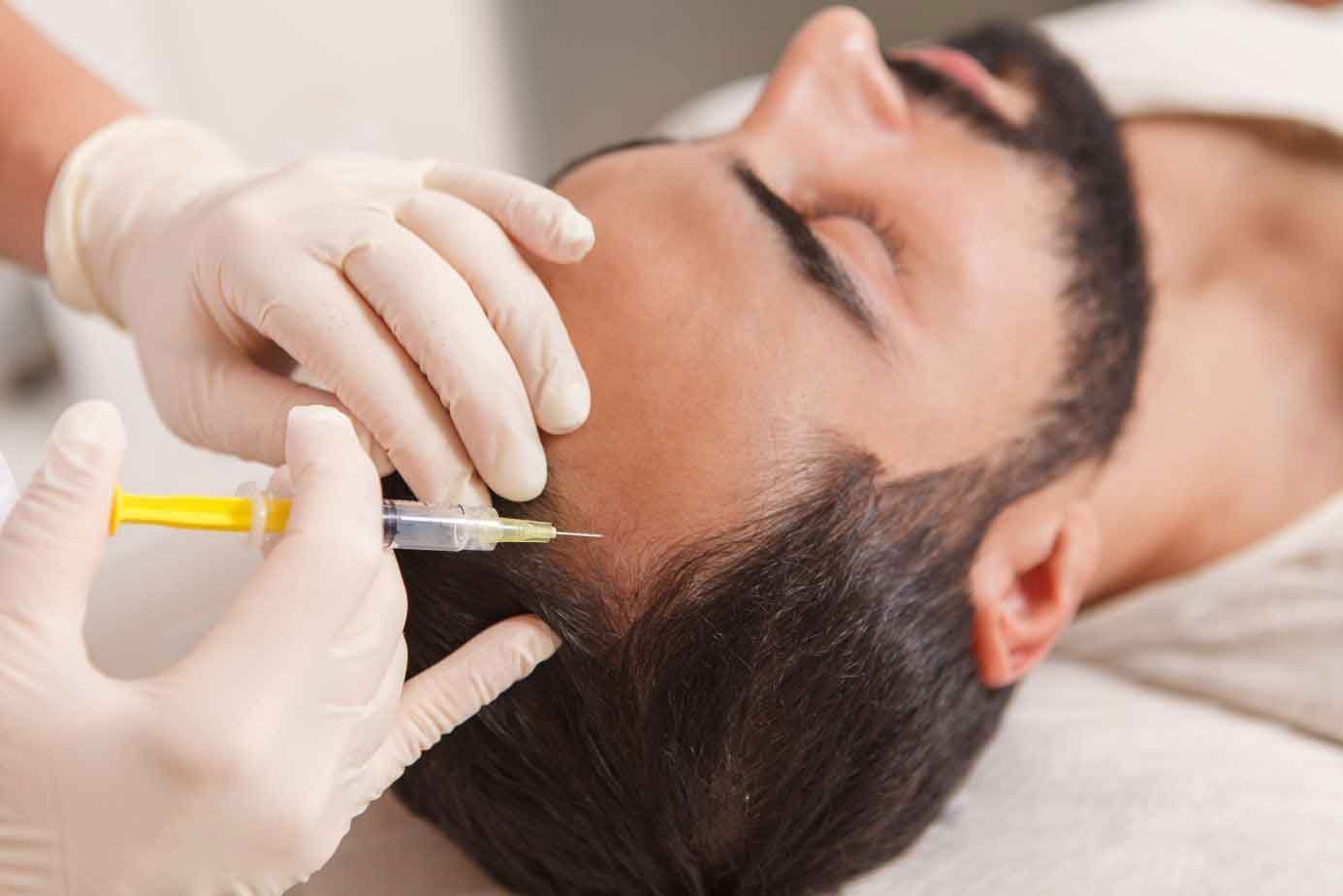
Potentially good candidates include:
Who may not benefit:
A qualified regenerative medicine specialist can help determine, through scalp examination and sometimes trichoscopy, whether enough viable follicles remain to make treatment worthwhile.
Reported risks associated with exosome therapy for hair loss include:
Because oversight of exosome products differs by country and is still evolving, patients should ask providers directly about product sourcing, safety testing, and any relevant regulatory clearances before treatment.
Speak directly with our specialist.
Regenerative treatments tend to work best alongside supportive lifestyle habits:
Key takeaway: No regenerative therapy operates in isolation — nutritional status, stress levels, and scalp care all influence how well the scalp environment can respond to treatment.
Viezec follows a structured regenerative care approach where precise biological signaling and targeted molecular communication work in alignment. This method allows the scalp and hair follicles to receive regenerative support without excessive stimulation or unnecessary intervention, helping maintain natural biological balance.
For hair loss and aging-related scalp concerns, this regenerative strategy focuses on improving follicle signaling, strengthening the scalp environment, and enhancing cellular resilience over time. Rather than forcing hair growth, the approach supports the body’s own ability to restore function and sustain healthy hair cycles naturally.
This integrated model reflects the broader evolution of regenerative medicine in India, where emphasis is placed on patient safety, evidence-based practices, and long-term biological health.
When it comes to exosome therapy for hair loss in India, there isn’t a one-size-fits-all cost. Every scalp is different, and so is every hair loss journey. That’s why treatment planning begins with understanding your hair concerns, scalp health, and how your follicles are responding over time.
Rather than offering a fixed price, the overall cost is shaped by a few important factors, such as:
How much thinning or hair loss you’re experiencing
The current health and sensitivity of your scalp
The number of sessions recommended to support regrowth
The quality and preparation standards of the exosomes used
This personalized approach ensures the treatment is tailored to your needs, with a focus on natural results, long-term scalp health, and a comfortable patient experience.
Exosome therapy is designed to support the scalp environment and follicle signaling; it may help improve hair density and thickness in some patients with active, viable follicles, but it does not guarantee regrowth for everyone.
Results are not necessarily permanent. Like most regenerative hair treatments, benefits may require maintenance sessions to sustain over time, since hair loss is often a progressive, ongoing process.
Most patients report mild discomfort during microneedling or injection, often manageable with topical numbing cream, and pain typically resolves quickly.
Yes. Exosome therapy is used for both male and female pattern hair loss, as well as certain other forms of thinning, following individual evaluation.
It is generally not effective for areas with fully inactive follicles or long-standing scarring alopecia, since there needs to be some remaining follicle activity for the therapy to have an effect.
Neither is universally “better” — PRP has a longer clinical track record and more published evidence, while exosome therapy is newer with promising but more limited data. The right choice depends on individual diagnosis and goals, best determined with a specialist.
Many regenerative medicine providers use exosome therapy alongside established medical treatments, though this should be discussed with your physician based on your specific health profile.
Exosomes are cell-free vesicles released by cells; they do not contain living cells or genetic material capable of cell division, unlike stem cell therapy itself.
It may help support follicle signaling and scalp circulation relevant to age-related thinning, though outcomes vary and evidence specific to aging-related hair loss is still developing.
Some research has explored exosome applications for inflammatory and autoimmune-related hair loss, but evidence remains preliminary, and treatment should be guided by a specialist familiar with autoimmune hair conditions.
Exosome therapy for cosmetic hair restoration is generally considered elective and is typically not covered by health insurance.
Exosome therapy represents a promising, evolving option within regenerative hair restoration. Rather than promising guaranteed regrowth, it aims to improve the scalp’s biological environment and support follicle signaling in hair that is thinning but not permanently lost. Current scientific evidence is encouraging but still developing, with most data coming from smaller studies and preclinical research rather than large-scale, long-term clinical trials.
The best outcomes tend to come from an accurate diagnosis, realistic expectations, and an individualized treatment plan — sometimes combining exosome therapy with established options like PRP, topical or oral medications, or lifestyle changes. Because hair loss has many possible causes and exosome products vary by source and quality, working with a qualified regenerative medicine specialist is essential to determine whether this treatment is appropriate for your specific situation.
If you’re considering exosome therapy for hair loss, the most valuable next step is a professional consultation and scalp evaluation — not a one-size-fits-all protocol — to determine whether your follicles are good candidates for regenerative support.
To explore how exosome-based regenerative therapy is used in other areas of aging and aesthetic care, you may find these resources helpful:
If you’re evaluating your options further, our regenerative medicine services page provides an overview of related stem cell and PRP therapies, and you can reach out through our consultation page to discuss your specific case with a specialist.
Evaluates exosome topical therapy following microneedling in male AGA patients (n=16), with hair density improvements over 12 months and high patient satisfaction.
https://pubmed.ncbi.nlm.nih.gov/40146273/ PubMed
Prospective trial (n=30) using intradermal injections of foreskin MSC-derived exosomes, showing statistically significant increases in hair density at 4 and 12 weeks post-treatment.
https://pubmed.ncbi.nlm.nih.gov/39174804/ PubMed
RCT of a formulation with exosome components that significantly improved hair counts vs placebo in Norwood grade 2–3 male pattern hair loss over 16 weeks.
https://www.mdpi.com/2075-1729/15/3/500 MDPI
Systematic analysis of clinical studies (including RCTs, prospective studies, case series) showing hair density and thickness improvements with MSC-derived exosomes; includes details on clinical outcomes and treatment routes.
https://pubmed.ncbi.nlm.nih.gov/40955427/ PubMed
Reviews topical and injectable exosome interventions in human alopecia patients (e.g., topical ADSC-exosomes in 39 AGA patients), reporting significant increases in hair parameters and minimal adverse reactions.
https://pubmed.ncbi.nlm.nih.gov/37381168/ PubMed
Preclinical mechanistic study on hUCMSC-derived exosomes activating Wnt/β-catenin and promoting follicular regeneration (in vivo models) — Stem Cell Research & Therapy (2025).
https://link.springer.com/article/10.1186/s13287-025-04538-5