


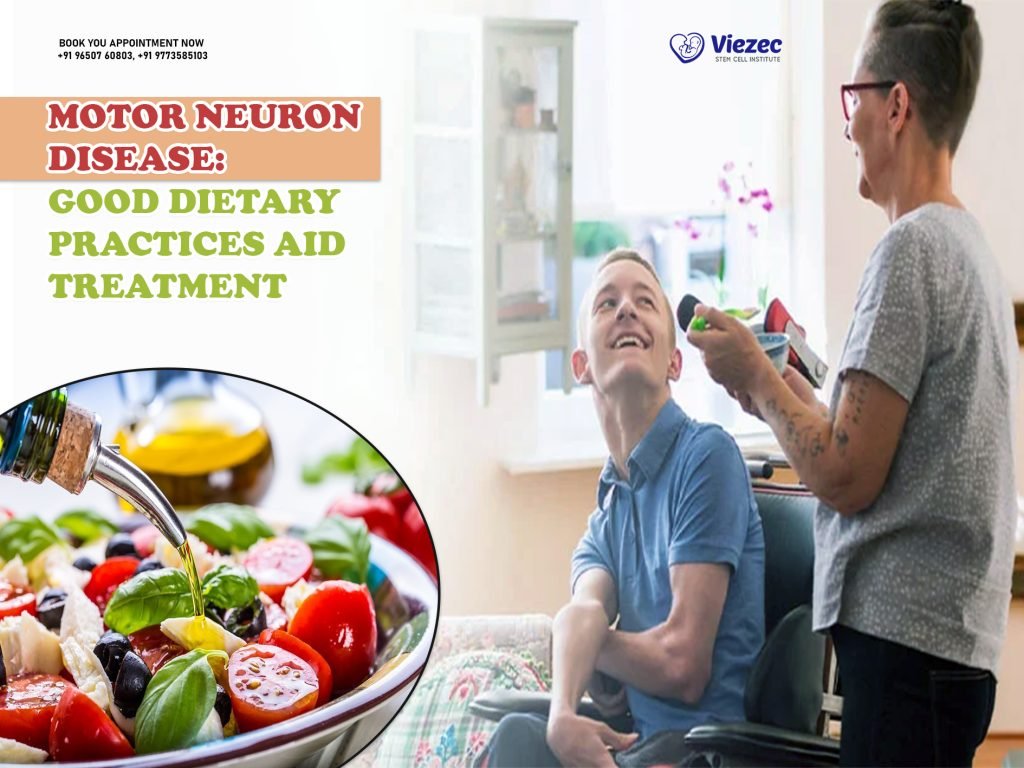
In the realm of health challenges, Motor Neuron Disease (MND) stands as a formidable adversary. Characterized by the gradual deterioration of motor neurons, MND can profoundly affect an individual’s ability to move, speak, and even breathe. While there’s no magic bullet to cure this complex condition, there’s a ray of hope in the form of good dietary practices.
In this enlightening journey through the world of MND and nutrition, we will uncover how the food we eat can play a pivotal role in managing this relentless disease. Join us as we delve into the science behind the connection between MND and diet, explore the guidelines that can make a difference, and discover the stories of resilience that inspire us to embrace every tool at our disposal in the battle against Motor Neuron Disease.
Understanding Motor Neuron Disease
What is MND?
Motor Neuron Disease, often referred to as Amyotrophic Lateral Sclerosis (ALS) in some regions, is a progressive and degenerative disorder that affects the nerve cells responsible for controlling muscle movement. Over time, these motor neurons deteriorate, leading to muscle weakness, loss of mobility, and difficulty in performing everyday tasks.
Different Types of MND
There are several forms of MND, including ALS, Primary Lateral Sclerosis (PLS), and Progressive Muscular Atrophy (PMA). Each type has its own set of symptoms and progression rates, but they all share the common feature of motor neuron degeneration.
Prevalence and Impact
MND is relatively rare, with an estimated 2 in 100,000 people affected worldwide. Despite its rarity, the impact on individuals and their families can be devastating. MND often leads to severe disability and, in some cases, can be life-threatening.
Role of Diet in MND
The link between nutrition and neurodegenerative diseases like MND is becoming increasingly evident. Diet plays a crucial role in supporting overall health and may also influence the progression of the disease.
Connection Between Nutrition and MND
Emerging research suggests that specific nutrients and dietary patterns can affect the course of MND. Nutritional support is essential to manage symptoms and potentially slow down the progression of the disease.
Key Nutrients for MND Patients
Certain nutrients, such as antioxidants, omega-3 fatty acids, and vitamins, have shown promise in MND management. These nutrients help reduce oxidative stress and inflammation in the body, which are common features of the disease.
Dietary Guidelines for MND Patients
Maintaining a balanced diet is of paramount importance for individuals with MND. Proper nutrition can help manage symptoms, maintain muscle strength, and enhance overall well-being.
Importance of a Balanced Diet
A well-balanced diet provides essential nutrients that support muscle function and overall health. It helps prevent malnutrition and weight loss, common issues in MND patients.
Foods to Include and Avoid
MND patients should focus on incorporating lean proteins, fruits, vegetables, whole grains, and healthy fats into their diets. Processed foods, sugary snacks, and excessive caffeine should be limited.
Meal Planning and Portion Control
Planning meals that are nutrient-dense and easy to consume can make eating more manageable for individuals with MND. Smaller, frequent meals are often better tolerated than large portions.
Hydration Matters
Staying adequately hydrated is crucial for MND patients. Dehydration can exacerbate muscle weakness and contribute to other health issues.
The Significance of Staying Hydrated
Proper hydration helps maintain muscle function, supports digestion, and prevents complications like urinary tract infections.
Tips for Ensuring Adequate Fluid Intake
MND patients may find it challenging to drink fluids due to swallowing difficulties. Sipping water throughout the day and consuming hydrating foods like fruits can help meet hydration needs.
Weight Management
Maintaining an appropriate weight is essential for MND patients, as both obesity and excessive weight loss can worsen symptoms.
Maintaining a Healthy Weight
A dietitian or healthcare provider can help determine an ideal weight range and offer guidance on achieving and maintaining it.
Strategies for Weight Management in MND
Strategies may include calorie counting, nutrition shakes, and monitoring weight changes over time.
Nutritional Supplements
In some cases, MND patients may benefit from nutritional supplements to address specific nutrient deficiencies.
Discuss the Use of Supplements
Consult with a healthcare provider before taking any supplements to ensure they are safe and appropriate for your individual needs.
Types of Supplements Commonly Recommended
Supplements like vitamin D, calcium, and omega-3 fatty acids may be recommended based on individual requirements.
Speech and Swallowing Challenges
Many individuals with MND experience difficulties with speech and swallowing, which can impact their ability to eat.
How MND Can Affect Speech and Swallowing
Muscle weakness in the throat and mouth can lead to choking and difficulty in swallowing safely.
Modified Diets and Techniques
Speech therapists can recommend modified diets and techniques to make eating and swallowing easier and safer.
Meal Preparation and Adaptations
Adapting meal preparation and dining practices can significantly improve the dining experience for MND patients.
Tips for Making Meal Preparation More Manageable
Simple modifications in the kitchen, such as using utensils with larger handles, can make meal preparation less strenuous.
Adaptive Utensils and Equipment
There are various adaptive utensils and kitchen gadgets designed to make eating and meal preparation more accessible for individuals with MND.
Emotional and Psychological Aspects
Coping with MND can be emotionally challenging for both patients and their loved ones.
The Emotional Impact of MND
MND can evoke feelings of frustration, sadness, and anxiety. It’s essential to acknowledge and address these emotions.
Strategies for Coping with Dietary Changes
Seeking emotional support through counseling or support groups can be invaluable in managing the emotional aspects of living with MND.
Family and Caregiver Support
The role of family and caregivers in providing dietary support is crucial for MND patients.
The Role of Caregivers in Dietary Support
Caregivers play a vital role in meal planning, preparation, and ensuring that patients are eating well.
Importance of Open Communication
Open and honest communication between patients and caregivers is essential for addressing dietary concerns and making necessary adjustments.
Staying Positive and Hopeful
While living with MND can be incredibly challenging, maintaining a positive outlook is essential.
Inspiring Stories of MND Patients
Reading about individuals who have thrived despite MND can provide hope and inspiration.
The Power of a Positive Mindset in Treatment
A positive mindset can enhance the effectiveness of treatments and improve overall well-being.
In the battle against Motor Neuron Disease, good dietary practices are a powerful ally. While diet alone cannot cure MND, it can significantly impact symptom management, quality of life, and overall well-being. By following proper dietary guidelines, staying hydrated, and seeking support from healthcare providers, caregivers, and support groups, individuals with MND can enhance their journey toward a better life.
Frequently Asked Questions
Can diet cure MND?
No, there is currently no known cure for Motor Neuron Disease (MND). However, maintaining a balanced and nutritious diet can help manage symptoms and improve the quality of life for individuals with MND.
What foods should MND patients avoid?
MND patients should avoid processed foods, sugary snacks, and excessive caffeine. These items can contribute to weight loss and negatively affect overall health.
Is a vegetarian or vegan diet suitable for MND patients?
Yes, a well-balanced vegetarian or vegan diet can be suitable for MND patients. However, it’s essential to ensure adequate intake of essential nutrients, such as protein, vitamins, and minerals, which may require careful planning.
How can I ensure my loved one with MND is eating enough?
Consult with a registered dietitian or healthcare provider for personalized dietary recommendations. They can help create meal plans and strategies to ensure your loved one is receiving proper nutrition.
Are there any specific recipes for MND patients?
There are no specific recipes exclusively for MND patients, but recipes that focus on nutrient-dense, easily digestible foods like smoothies, soups, and soft-textured meals can be beneficial. Consult with a dietitian for personalized recipe ideas.