
Written By:Nishat Arfin|Reviewed By:Viezec Medical Team|
Published: October 3, 2025 | Updated: September 5, 2026
Published: October 3, 2025 | Updated: September 5, 2026
Immunotherapy provides a promising approach for patients with liver cancer by harnessing the body’s immune system to identify and attack cancerous cells. At Viezec India, we offer advanced immunotherapy options—including immune checkpoint inhibitors, therapeutic vaccines, and targeted biologic therapies—designed to slow tumor growth, prevent recurrence, and enhance survival outcomes beyond standard treatments like surgery or chemotherapy.
With internationally recognized oncology protocols and a team of experienced specialists, Viezec ensures safe, effective, and personalized immunotherapy for liver cancer patients.
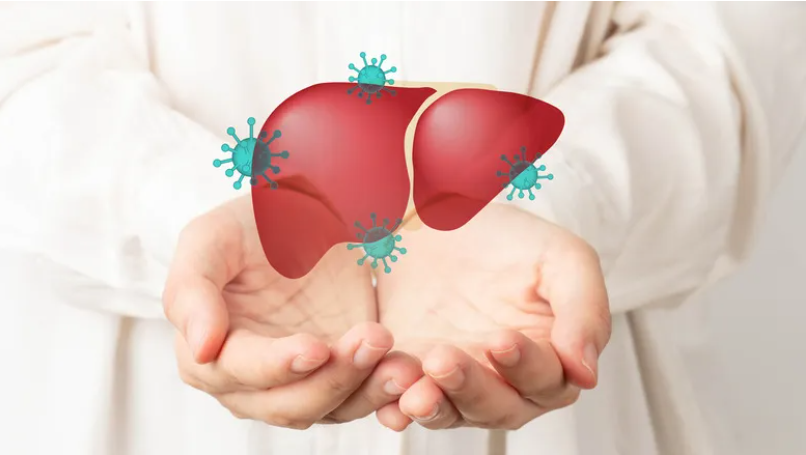
Hearing the words “liver cancer” is frightening, especially when the disease is found at an advanced stage where surgery may not be possible. In recent years, immunotherapy for liver cancer has become one of the most important advances in treating this disease, offering a new first-line option for many patients with advanced hepatocellular carcinoma (HCC), the most common type of primary liver cancer.
Immunotherapy works differently from older liver cancer treatments. Instead of directly attacking tumor cells the way chemotherapy does, it helps the patient’s own immune system recognize and destroy cancer cells in the liver. For a specific group of patients with unresectable or advanced HCC, combination immunotherapy is now considered a preferred first-line treatment by major international cancer guidelines.
This does not mean immunotherapy is right for everyone with liver cancer. Eligibility depends on liver function, tumor stage, overall health, and the specific type of liver cancer involved. This guide explains what immunotherapy for liver cancer is, how it works, who qualifies, what results and risks look like, and what the treatment journey involves — written in plain language, without exaggerated promises.
The liver is a common site for cancer, either starting there (primary liver cancer, most often hepatocellular carcinoma) or spreading there from another organ (secondary or metastatic liver cancer). Immunotherapy is most established for advanced or unresectable hepatocellular carcinoma, where surgery to remove the tumor is not possible.
Liver tumors are often good at suppressing the immune system in their immediate surroundings, which is one reason HCC can be difficult to treat with older drug therapies alone. Immunotherapy drugs, particularly checkpoint inhibitors, block the signals that cancer cells use to hide from immune cells, allowing T cells to recognize and attack the tumor.
For liver cancer specifically, immunotherapy is often combined with an anti-angiogenic drug (a drug that blocks the tumor’s blood supply) or with another checkpoint inhibitor, rather than used alone. This combination approach has shown better outcomes than older single-drug treatments in large clinical trials and is now reflected in international treatment guidelines.
What is immunotherapy for liver cancer?
Immunotherapy for liver cancer uses drugs, often combined with anti-angiogenic therapy, to help the immune system recognize and attack liver tumor cells. It is an established first-line option for many patients with advanced or unresectable hepatocellular carcinoma who are not candidates for surgery.
| Feature | Immunotherapy | Chemotherapy | TACE (Chemoembolization) | Surgery/Transplant |
|---|---|---|---|---|
| How it works | Activates immune system to attack liver tumor cells | Drugs kill fast-dividing cancer cells | Blocks blood supply and delivers chemo directly to tumor | Physically removes the tumor or diseased liver |
| Best suited for | Advanced/unresectable HCC, good liver function | Limited role in HCC; used in select cases | Intermediate-stage HCC | Early-stage HCC with adequate liver reserve |
| Typical side effects | Fatigue, rash, immune-related inflammation | Nausea, low blood counts, fatigue | Abdominal pain, fever, post-embolization syndrome | Surgical risks, recovery time |
| Treatment goal | Control disease, extend survival | Control disease in select cases | Control local tumor growth | Potentially curative in early stages |
Explore comprehensive cancer treatment in India for a full overview of options across cancer types.
Liver tumors create a local environment that suppresses immune activity, allowing cancer cells to grow largely undetected. Immunotherapy interrupts this process using a few key strategies:
Step 1 — Diagnosis and Staging: Imaging (CT/MRI), blood tests including alpha-fetoprotein (AFP), and sometimes biopsy confirm the cancer type and stage. Doctors typically use the Barcelona Clinic Liver Cancer (BCLC) staging system to guide treatment decisions.
Step 2 — Liver Function Assessment: Because the liver itself may already be affected by conditions such as cirrhosis, doctors assess liver function using the Child-Pugh score, since this affects which treatments are safe.
Step 3 — Checkpoint Blockade: Checkpoint inhibitor drugs block proteins such as PD-L1 or CTLA-4 that tumor cells use to switch off nearby T cells, allowing the immune system to become active again.
Step 4 — Combination Attack: In liver cancer, checkpoint inhibitors are often paired with an anti-angiogenic drug that restricts the tumor’s blood supply, or with a second checkpoint inhibitor, working together to slow tumor growth and support a stronger immune response.
Step 5 — Monitoring Response: Regular imaging and blood tests track how the tumor responds over time and check liver function throughout treatment.
This combination strategy is a major reason immunotherapy has changed outcomes for many patients with advanced HCC over the past several years.
The most established immunotherapy approach in liver cancer combines a PD-L1 or PD-1 checkpoint inhibitor with either an anti-angiogenic antibody or a second checkpoint inhibitor targeting CTLA-4.
Some patients receive a single checkpoint inhibitor, particularly in later treatment lines after other therapies, or when combination therapy is not suitable.
While not immunotherapy on their own, anti-angiogenic monoclonal antibodies are a standard partner to checkpoint inhibitors in liver cancer protocols, working by cutting off the blood vessels tumors need to grow.
Unlike blood cancers, CAR T-cell therapy and therapeutic cancer vaccines for liver cancer remain largely investigational and are being studied in clinical trials.
Oncolytic viruses, which are established for other cancers like melanoma, are being studied for liver tumors, sometimes delivered directly into the tumor.
| Type | Role in Liver Cancer | Current Status |
|---|---|---|
| Checkpoint inhibitor + anti-angiogenic combination | First-line treatment for eligible advanced/unresectable HCC | Established standard of care |
| Dual checkpoint inhibitor combination | Alternative first-line option for eligible patients | Established standard of care |
| Single-agent checkpoint inhibitor | Later-line or select first-line use | Established, more limited use |
| CAR T-cell therapy | Engineered immune cells targeting liver tumor markers | Investigational / clinical trials |
| Cancer vaccines | Trains immunity against liver tumor antigens | Investigational / clinical trials |
| Oncolytic virus therapy | Direct tumor destruction plus immune activation | Investigational / clinical trials |
Learn more about CAR T-cell therapy to understand how this approach works in cancers where it is established.
Eligibility for immunotherapy in liver cancer depends on several specific factors:
Who qualifies for liver cancer immunotherapy? Eligibility mainly applies to patients with advanced or unresectable hepatocellular carcinoma who have well-preserved liver function. Doctors assess liver function using the Child-Pugh score, screen for bleeding risk, and review overall health before recommending immunotherapy combinations as first-line treatment.
✔ Established first-line option for many patients with advanced, unresectable hepatocellular carcinoma
✔ Clinical trials have shown improved survival compared to older single-drug standard therapies in eligible patients
✔ May be considered when surgery, transplant, or local therapies like TACE are not suitable
✔ Combination regimens allow two treatment mechanisms working together against the tumor
✔ Ongoing research continues to refine which patients benefit most and to explore new combinations
As with all cancer treatments, results vary by individual, and immunotherapy does not guarantee tumor control or cure in every patient.
Immunotherapy for liver cancer is generally manageable but requires careful monitoring, particularly because the liver itself may already be under stress from underlying disease.
Checkpoint inhibitors can cause immune-related inflammation of organs including the liver itself, lungs, intestines, or thyroid. Anti-angiogenic partner drugs carry a risk of bleeding, including from esophageal varices, which is why pre-treatment endoscopic screening is standard practice. Blood pressure and liver function are monitored closely throughout treatment.
These risks are taken seriously and are actively managed through regular blood work, blood pressure checks, and clinical evaluation by the treating oncology and hepatology team, with prompt intervention if side effects appear.
| Factor | Immunotherapy Combination | Traditional Chemotherapy |
|---|---|---|
| Goal | Activate immune system and restrict tumor blood supply | Directly kill or slow cancer cell division |
| Mechanism | Checkpoint blockade plus anti-angiogenic or dual checkpoint action | Cytotoxic drug action on dividing cells |
| Side effects | Immune-related inflammation, high blood pressure, bleeding risk | Nausea, low blood counts, fatigue, hair loss |
| Duration | Ongoing cycles (often every 2–3 weeks) while effective and tolerated | Defined cycles over several months |
| Recovery | Many patients continue daily activities between infusions | Often requires more recovery time between cycles |
| Target specificity | Works through immune and vascular pathways rather than direct cell killing | Broad effect on fast-dividing cells |
Is immunotherapy better than chemotherapy for liver cancer? For eligible patients with advanced hepatocellular carcinoma and good liver function, immunotherapy combinations have shown better survival outcomes than older chemotherapy-based standards in clinical trials. However, suitability depends on liver function, tumor stage, and individual health, so the choice is always personalized.
Step 1 — Consultation: Meet with a hepatology-oncology team to review medical history, prior liver disease, and imaging.
Step 2 — Diagnosis and Staging: Imaging, AFP blood testing, and BCLC staging confirm tumor extent; biopsy is used selectively.
Step 3 — Eligibility Assessment: Child-Pugh scoring, bleeding-risk screening (such as endoscopy), and overall health review determine whether immunotherapy combination therapy is appropriate.
Step 4 — Treatment: Immunotherapy combinations are typically given by IV infusion on a set schedule, often every two to three weeks.
Step 5 — Monitoring: Regular imaging, liver function tests, and blood pressure checks track response and watch for side effects.
Step 6 — Follow-Up: Ongoing scans and lab work assess long-term response, with treatment adjusted based on how the tumor and liver function respond over time.
How long does liver cancer immunotherapy take? Immunotherapy combinations for liver cancer are usually given every two to three weeks and continued as long as the treatment is working and side effects remain manageable, which can range from several months to longer in patients with a sustained response.
Is liver cancer immunotherapy painful? The infusion itself is similar to an IV drip and is not typically painful. Some patients experience mild discomfort at the infusion site or temporary side effects like fatigue or high blood pressure afterward, which the care team monitors closely.
Viezec Healthcare helps international patients and families access experienced liver cancer specialists and coordinate the complex evaluation process that liver cancer treatment requires.
Viezec coordinates access to qualified specialists and hospitals; we do not provide treatment directly, and we do not guarantee specific outcomes. Every treatment decision is made by your treating hepatology-oncology team based on your individual diagnosis and liver function.
Learn about our international patient services or review our medical team’s credentials.
Considering treatment options for liver cancer? Book a consultation with our medical coordination team to discuss whether immunotherapy may be relevant for your case and to connect with experienced liver cancer specialists.
1. What is immunotherapy for liver cancer?
Immunotherapy for liver cancer uses drugs that help the immune system recognize and attack liver tumor cells, often combined with a drug that restricts the tumor’s blood supply. It is an established first-line treatment option for many patients with advanced or unresectable hepatocellular carcinoma who have well-preserved liver function, as confirmed through specialist evaluation.
2. Who is a candidate for liver cancer immunotherapy?
Candidates are typically patients with advanced or unresectable hepatocellular carcinoma who have good liver function, measured using the Child-Pugh score. Doctors also screen for bleeding risk and review overall health and prior treatments. A multidisciplinary team evaluates each case individually before recommending immunotherapy.
3. How does immunotherapy compare to surgery for liver cancer?
Surgery or liver transplant is generally preferred for early-stage liver cancer when the tumor can be fully removed and liver function allows it. Immunotherapy is used mainly for advanced or unresectable cases where surgery isn’t possible. The two are not typically interchangeable; the right approach depends on tumor stage and liver health.
4. What are the side effects of liver cancer immunotherapy?
Common side effects include fatigue, high blood pressure, mild rash, and diarrhea. Because standard regimens often combine a checkpoint inhibitor with an anti-angiogenic drug, bleeding risk and blood pressure changes are specifically monitored. Immune-related inflammation of organs can also occur and is managed closely by the care team.
5. Can immunotherapy cure liver cancer?
Immunotherapy can meaningfully extend survival and control disease in eligible patients with advanced hepatocellular carcinoma, but it is not described as a cure in this setting. Outcomes vary based on liver function, tumor stage, and individual response. Your treating team can explain realistic expectations based on your specific diagnosis.
6. Is immunotherapy for liver cancer available in India?
Yes, checkpoint inhibitor combination therapy for advanced hepatocellular carcinoma is available at leading cancer centers in India. Availability of specific drug combinations can vary by hospital, so it’s important to confirm current protocols with the treating center. Viezec can help coordinate this with our partner specialists.
7. How much does liver cancer immunotherapy cost in India?
Costs depend on the specific drug combination, treatment duration, hospital, and required monitoring tests. Many international patients consider India due to generally lower treatment costs compared to several Western countries. Viezec can provide a personalized cost estimate once your medical reports and staging information are reviewed.
8. What tests are needed before starting immunotherapy for liver cancer?
Before starting treatment, doctors typically order imaging (CT or MRI), blood tests including alpha-fetoprotein, liver function tests, and a Child-Pugh assessment. An endoscopy is often performed to check for bleeding risk from esophageal varices, especially before starting anti-angiogenic combination therapy.
9. Can immunotherapy be used if I have cirrhosis?
Immunotherapy combinations have mainly been studied in patients with well-preserved liver function, typically Child-Pugh class A. Patients with more advanced cirrhosis or liver dysfunction may not be suitable candidates, or may require a modified approach. This is assessed individually by the treating hepatology-oncology team.
10. How is liver cancer immunotherapy given?
Treatment is usually given through an IV infusion at a hospital or infusion center, typically every two to three weeks. Sessions generally take a few hours, and patients are monitored during and after the infusion for immediate reactions before being discharged the same day in most cases.
11. What happens if immunotherapy stops working for liver cancer?
If the tumor progresses despite treatment, the oncology team will reassess and may recommend a different systemic therapy, a local treatment such as TACE, or enrollment in a clinical trial, depending on liver function and overall health at that time. Regular imaging helps detect this early.
12. Is CAR T-cell therapy available for liver cancer?
CAR T-cell therapy for liver cancer remains investigational and is not yet a standard treatment option outside of clinical trials. It is well-established for certain blood cancers, but research for solid tumors like hepatocellular carcinoma is still in earlier stages of development.
13. How do doctors decide between single-agent and combination immunotherapy for liver cancer?
The decision depends on liver function, bleeding risk, prior treatments, and overall health. Combination regimens are generally preferred as first-line therapy for eligible patients, while single-agent checkpoint inhibitors may be considered in later treatment lines or when combination therapy isn’t suitable.
14. What is the difference between HCC and other types of liver cancer in terms of immunotherapy?
Most immunotherapy evidence in liver cancer is specific to hepatocellular carcinoma (HCC), the most common primary liver cancer. Other liver cancers, such as cholangiocarcinoma (bile duct cancer) or cancer that has spread to the liver from elsewhere, are evaluated separately, since treatment approaches and evidence differ by cancer type.
15. How can Viezec help me explore immunotherapy for liver cancer?
Viezec helps coordinate consultations with experienced hepatology-oncology specialists, supports diagnostic and staging work-up, and helps international patients navigate logistics around treatment. We connect you with qualified specialists who make the actual treatment decisions based on your individual diagnosis and liver function.
Explore our advanced therapies to enhance healing and improve quality of life.
Regenerative therapy to repair damaged tissues and restore function.
Cell-free therapy for tissue regeneration and healing support.
Specialized therapy to improve speech and communication skills.
Helps regain daily living skills and independence.
Tailored therapies for various medical conditions.
Promotes tissue repair and healing with platelet-rich plasma.
Customized nutrition plans to support recovery and health.
Advanced therapy targeting genetic disorders for lasting results.
Treatment for blood disorders and immune system support.
Supports nerve repair and neurological recovery.
Water-based therapy to improve mobility and strength.
For international patients, please
visit our International Patient Guide.
This page is for educational purposes only and does not constitute medical advice. Immunotherapy is not appropriate for every liver cancer patient, and eligibility depends on liver function, tumor stage, and overall health. Always consult a qualified oncologist or hepatologist for diagnosis and personalized treatment recommendations. Viezec Healthcare provides medical coordination and consultation support; it does not provide medical treatment directly, and does not guarantee specific outcomes, including cure.