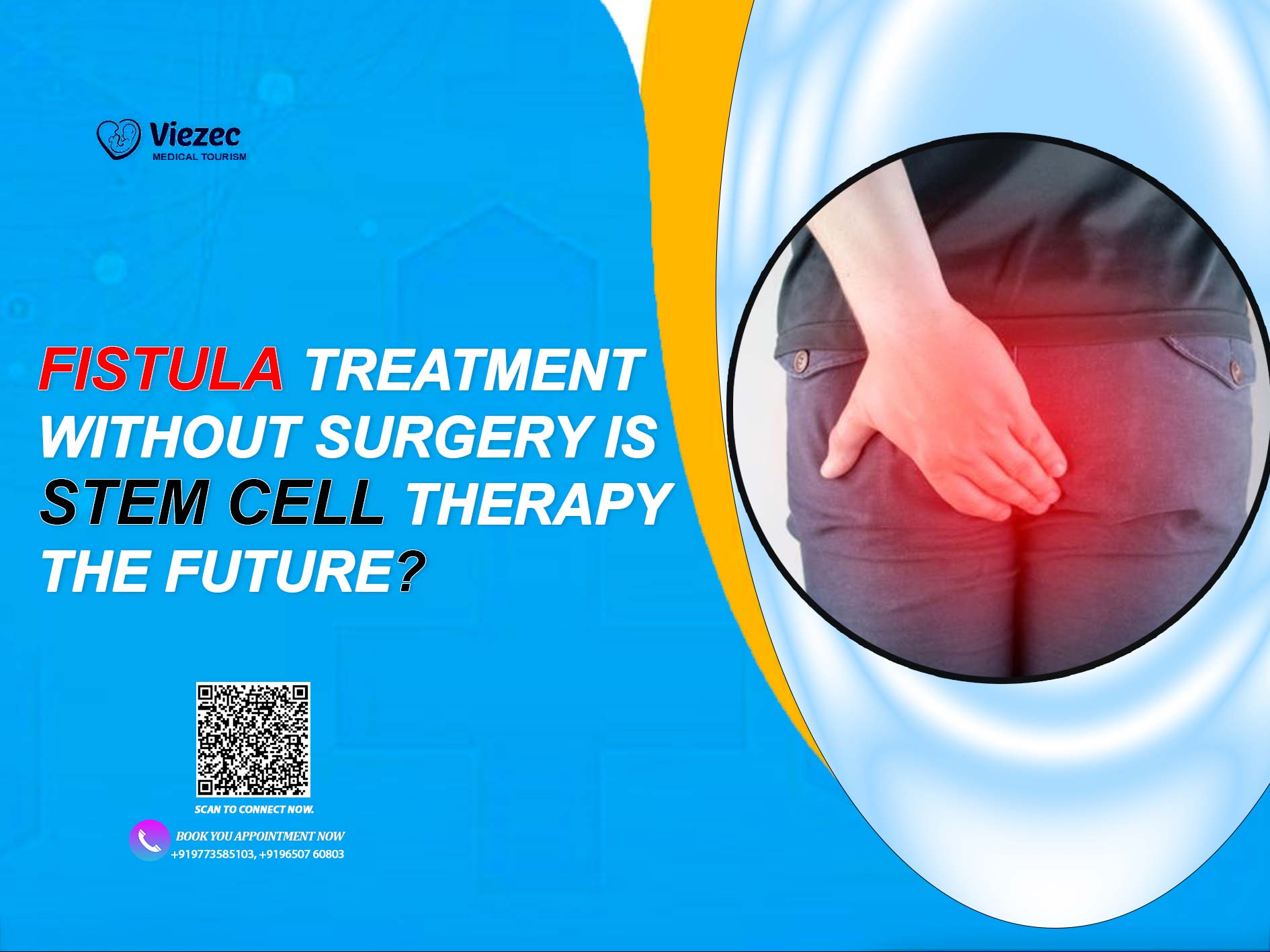
Living with a fistula can be physically painful and emotionally exhausting. Persistent discomfort, discharge, and the fear of recurrence often make patients anxious—especially when surgery is presented as the only option. Many people hesitate due to concerns about pain, complications, or long recovery times.
But what if there was a way to treat a fistula without undergoing traditional surgery?
Advancements in regenerative medicine have introduced stem cell therapy as a promising alternative. This innovative approach focuses on healing damaged tissue naturally, offering hope to patients seeking less invasive solutions.
In this article, we’ll explore whether fistula treatment without surgery is truly possible—and if stem cell therapy could represent the future of care.
What Is a Fistula?
A fistula is an abnormal tunnel-like connection that forms between two parts of the body. The most common type is an anal fistula, which develops between the anal canal and the skin near the anus.
This condition often arises after an infection or abscess that fails to heal properly. Over time, a passage forms, leading to recurring symptoms and discomfort.
Common Causes of Fistula
Fistulas don’t appear randomly—they usually result from underlying conditions such as:
- Chronic infections or untreated abscesses
- Inflammatory bowel diseases (like Crohn’s disease)
- Trauma or injury
- Previous surgeries in the anal region
- Tuberculosis or other infections (in rare cases)
Understanding the cause is essential for choosing the right treatment approach.
Symptoms You Should Not Ignore
Fistulas can significantly affect daily life. Common symptoms include:
- Persistent pain, especially while sitting
- Swelling and redness near the anus
- Recurrent abscess formation
- Discharge of pus or blood
- Irritation or itching around the area
- Fever (in severe cases)
If left untreated, these symptoms can worsen and lead to complications.
Traditional Surgical Treatments: Limitations & Risks
Surgery has long been considered the standard treatment for fistulas. Common procedures include fistulotomy, seton placement, and flap surgery.
Key Limitations of Surgery
- Painful recovery: Healing can take weeks or even months
- Risk of recurrence: Fistulas may return even after surgery
- Incontinence risk: Damage to surrounding muscles can affect bowel control
- Hospitalization required: Many procedures involve downtime
- Psychological stress: Fear and anxiety related to surgery
Because of these challenges, many patients actively seek non-surgical alternatives.
Is Non-Surgical Fistula Treatment Possible?
Yes—depending on the severity and type of fistula, non-surgical options may be considered.
Some conventional non-surgical approaches include:
- Antibiotics (for infection control)
- Fibrin glue injections
- Lifestyle and dietary changes
However, these options often provide temporary relief rather than long-term healing.
This is where stem cell therapy stands out as a next-generation solution.
What Is Stem Cell Therapy?
Stem cell therapy is a form of regenerative medicine that uses the body’s natural healing cells to repair damaged tissues.
Stem cells have the unique ability to:
- Transform into different cell types
- Promote tissue regeneration
- Reduce inflammation
- Enhance healing at the cellular level
In the context of fistula treatment, stem cells are used to close the abnormal tract and repair the surrounding tissue naturally.
How Stem Cell Therapy Works for Fistula
The process is designed to be minimally invasive and patient-friendly.
Step-by-Step Overview
- Cell Collection: Stem cells are typically extracted from the patient’s own fat tissue or bone marrow
- Processing: These cells are purified and prepared in a controlled environment
- Targeted Injection: The stem cells are injected into the fistula tract
- Healing Activation: The cells begin repairing damaged tissue and reducing inflammation
Over time, the tract closes, and healthy tissue replaces the damaged area.
Key Benefits of Stem Cell Therapy
Stem cell therapy is gaining attention because it addresses many limitations of surgery.
Why Patients Consider This Approach
- Minimally invasive procedure
- Reduced risk of complications
- Lower recurrence rates (as per emerging research)
- Faster recovery time
- Preserves surrounding muscles
- Less pain and discomfort
- No major incisions or stitches
This makes it particularly appealing for patients who want a safer, more comfortable treatment option.
Surgery vs Stem Cell Therapy: A Comparison
| Factor | Traditional Surgery | Stem Cell Therapy |
|---|---|---|
| Invasiveness | Highly invasive | Minimally invasive |
| Pain Level | Moderate to high | Low |
| Recovery Time | Weeks to months | Faster recovery |
| Risk of Recurrence | Moderate | Potentially lower |
| Hospital Stay | Often required | Usually minimal |
| Muscle Damage Risk | Possible | Very low |
| Approach | Removes tissue | Regenerates tissue |
This comparison highlights why stem cell therapy is being explored as a future-forward solution.
Who Is an Ideal Candidate?
Stem cell therapy may not be suitable for everyone, but it can be highly effective for:
- Patients with recurrent fistulas
- Individuals seeking to avoid surgery
- Cases where traditional treatments have failed
- Patients with complex or high-risk fistulas
- Those concerned about incontinence risks
A detailed medical evaluation is always necessary to determine eligibility.
Safety, Effectiveness & Research
Stem cell therapy is still evolving, but early clinical studies and trials have shown encouraging results.
What Current Evidence Suggests
- Improved healing rates in certain types of fistulas
- Reduced inflammation and tissue damage
- Lower recurrence in selected patients
However, it’s important to note:
- Results can vary depending on the patient
- Long-term data is still being studied
- Treatment should be performed by qualified professionals
This balanced perspective helps patients make informed decisions.
Recovery and Aftercare
One of the biggest advantages of stem cell therapy is faster and smoother recovery.
What to Expect
- Minimal discomfort after the procedure
- Return to daily activities relatively quickly
- Regular follow-up visits for monitoring
- Improved symptoms within weeks
Aftercare Tips
- Maintain proper hygiene
- Follow a fiber-rich diet
- Stay hydrated
- Avoid strain during bowel movements
- Attend all follow-up consultations
Proper care can significantly improve outcomes.
Global Perspective on Non-Surgical Fistula Treatment
Around the world, there is a growing shift toward minimally invasive and regenerative treatments.
Patients are increasingly:
- Seeking alternatives to surgery
- Exploring advanced medical technologies
- Prioritizing faster recovery and quality of life
Stem cell therapy is part of this global movement toward personalized and less invasive healthcare solutions.
Availability of Advanced Treatment Options
Advanced therapies like stem cell treatment are becoming more accessible in specialized medical centers worldwide.
When considering treatment, patients should look for:
- Experienced medical professionals
- Proper clinical infrastructure
- Transparent consultation process
- Ethical and evidence-based practices
Choosing the right provider plays a crucial role in treatment success.
Conclusion
Fistula can be a challenging condition, especially when traditional treatments feel overwhelming or ineffective. While surgery has been the standard approach for years, it is no longer the only option.
Stem cell therapy offers a promising, minimally invasive alternative at Viezec that focuses on healing rather than removal. With ongoing advancements in regenerative medicine, it may very well represent the future of fistula treatment.
However, every patient is different. The best approach is always one that is tailored to individual needs, guided by expert medical advice.
References
Long-term Efficacy and Safety of Stem Cell Therapy (Cx601) for Complex Perianal Fistulas
https://pubmed.ncbi.nlm.nih.gov/29277560/
Mesenchymal Stem Cells Transplantation for Perianal Fistulas: Systematic Review & Meta-analysis
https://stemcellres.biomedcentral.com/articles/10.1186/s13287-023-03331-6
The Clinical Efficacy of Stem Cell Therapy for Complex Perianal Fistulas (Meta-analysis)
https://pubmed.ncbi.nlm.nih.gov/31049792/
Stem Cell Therapy: A Compassionate Use Program in Perianal Fistula
https://pmc.ncbi.nlm.nih.gov/articles/PMC6525789/
Clinical Trial: Stem Cell Therapy in Perianal Fistula (ClinicalTrials.gov – NCT03726255)
https://clinicaltrials.gov/study/NCT03726255