Receiving a diagnosis of muscular dystrophy can be overwhelming for patients and their families. Along with managing the physical and emotional challenges of a progressive neuromuscular condition, many people also face difficult financial decisions while exploring available treatment options. One of the most common questions patients ask is, “How much does stem cell treatment for muscular dystrophy cost in India?”
Although cost is an important consideration, it should never be the only factor influencing your decision. The quality of medical care, the experience of the healthcare team, the treatment approach, rehabilitation services, and long-term follow-up all contribute to the overall value of treatment.
India has become a recognized destination for regenerative medicine, attracting patients from around the world because of its advanced healthcare facilities, experienced specialists, and comparatively affordable medical services. Stem cell therapy is increasingly being explored as a supportive treatment for certain patients with muscular dystrophy. While it is not considered a cure, researchers continue to investigate its potential role in improving quality of life, supporting muscle function, and complementing comprehensive rehabilitation programs.
This guide explains what influences treatment costs, what patients can expect throughout the treatment journey, and why individualized medical evaluation is essential before making any decisions.
Understanding Muscular Dystrophy
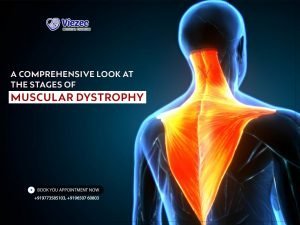
Muscular dystrophy (MD) refers to a group of inherited disorders that gradually weaken skeletal muscles responsible for movement. These conditions occur because of genetic mutations that interfere with the production of proteins needed to maintain healthy muscle tissue. Over time, muscle fibers become damaged and are replaced by fatty or fibrous tissue, leading to progressive muscle weakness.
Although muscular dystrophy affects people differently, most forms become more noticeable as the disease progresses. Early diagnosis and supportive care can help manage symptoms, preserve mobility, and improve overall quality of life.
Common Symptoms of Muscular Dystrophy
Symptoms vary depending on the specific type and severity of the condition. Common signs may include:
- Progressive muscle weakness
- Difficulty walking or climbing stairs
- Frequent falls
- Trouble standing from a seated position
- Muscle cramps or stiffness
- Difficulty lifting objects
- Balance and coordination problems
- Fatigue during daily activities
- Contractures or joint stiffness
- Respiratory or cardiac complications in some advanced cases
Not every individual experiences the same symptoms or disease progression. Some people maintain mobility for many years, while others may require assistive devices earlier in life.
Different Types of Muscular Dystrophy
Muscular dystrophy includes several distinct conditions, each with unique characteristics.
Duchenne Muscular Dystrophy (DMD)
DMD is one of the most common and severe forms, usually diagnosed during early childhood. It primarily affects boys because it is linked to the X chromosome. Symptoms often begin between two and five years of age and progress relatively quickly.
Becker Muscular Dystrophy
Becker muscular dystrophy shares similarities with DMD but typically progresses more slowly. Many individuals retain mobility for longer periods and experience milder symptoms during childhood.
Limb-Girdle Muscular Dystrophy (LGMD)
This type primarily affects muscles around the hips and shoulders. Muscle weakness usually develops gradually and can vary considerably between individuals.
Facioscapulohumeral Muscular Dystrophy (FSHD)
FSHD commonly affects the facial muscles, shoulders, and upper arms. Symptoms may appear during adolescence or adulthood, with progression differing from one patient to another.
Other Forms
Additional types include congenital muscular dystrophy, distal muscular dystrophy, Emery-Dreifuss muscular dystrophy, and myotonic dystrophy. Because each condition behaves differently, treatment plans should always be tailored to the individual’s needs.
Wondering How Much Muscular Dystrophy Treatment May Cost?
Speak with our specialists to receive a personalized treatment plan and estimated cost based on your medical condition.
Can Stem Cell Therapy Be Considered for Muscular Dystrophy?
Traditional management of muscular dystrophy focuses on symptom control, physical therapy, medications, orthopedic care, respiratory support, and lifestyle interventions. As regenerative medicine continues to advance, stem cell therapy has emerged as an area of ongoing research for selected neuromuscular disorders.
Stem cells possess the ability to develop into specialized cells and interact with damaged tissues. Researchers are studying whether these cells may help support the body’s natural repair mechanisms by reducing inflammation, encouraging tissue regeneration, and creating an environment that supports healthier muscle function.
It is important to understand that stem cell therapy is not currently considered a cure for muscular dystrophy. Instead, it may be considered as part of a broader, multidisciplinary treatment plan for carefully selected patients.
Goals of Stem Cell Therapy
Depending on the individual’s condition and treatment plan, the objectives may include:
- Supporting muscle health
- Promoting tissue repair
- Reducing inflammatory responses
- Improving mobility
- Enhancing balance and coordination
- Increasing independence during daily activities
- Supporting rehabilitation outcomes
- Improving overall quality of life
Patient selection remains one of the most important aspects of treatment. Physicians evaluate medical history, disease progression, overall health, and diagnostic findings before determining whether stem cell therapy may be an appropriate option.
Rehabilitation also plays a central role. Physiotherapy, occupational therapy, nutritional guidance, and regular medical monitoring often work alongside regenerative medicine to optimize outcomes.
Stem Cell Treatment Cost for Muscular Dystrophy in India
One of the first questions families ask is whether there is a standard price for stem cell therapy. In reality, there is no single fixed cost because every patient requires a personalized treatment approach based on their medical condition.
Rather than offering one-size-fits-all packages, experienced healthcare providers typically perform a comprehensive medical evaluation before preparing an individualized treatment plan and cost estimate.
Factors That Influence Treatment Cost
Several variables contribute to the overall cost of stem cell treatment in India.
Type of Stem Cells Used
Different treatment protocols may involve various sources of stem cells depending on the clinical assessment and therapeutic goals. The collection, processing, quality testing, and preparation methods can influence overall treatment expenses.
Severity of the Disease
Patients with advanced muscle weakness or multiple complications often require more extensive medical care, additional monitoring, and longer rehabilitation programs than those in earlier stages.
Patient's Age and Overall Health
Age, physical condition, nutritional status, and associated medical problems can all affect treatment planning. These factors may influence the intensity of rehabilitation and the level of supportive care required throughout the treatment journey.
Number of Treatment Sessions
Some patients may be advised to undergo a single treatment cycle, while others may benefit from additional sessions based on their physician’s evaluation, response to therapy, and long-term care goals.
Diagnostic Evaluation
Comprehensive assessments before treatment may include laboratory investigations, imaging studies, genetic reports, neurological examinations, cardiac assessments, pulmonary function tests, and other specialized evaluations. These investigations help physicians design a safe and individualized treatment plan.
Hospitalization and Clinical Care
The duration of hospitalization, physician supervision, nursing care, rehabilitation support, and post-treatment observation can all contribute to the overall cost.
Rehabilitation and Physiotherapy
Stem cell therapy is often combined with structured rehabilitation programs. Ongoing physiotherapy, occupational therapy, and exercise planning are important components of comprehensive care and may influence the total treatment investment.
Could Stem Cell Therapy Be Right for You?
Share your medical reports with our experts and receive a personalized assessment, treatment recommendations, and expected outcomes.
What Is Usually Included in the Treatment Cost?
When comparing treatment options, it is important to understand that the overall cost often reflects more than the stem cell procedure itself. A comprehensive treatment program typically includes multiple services designed to ensure patient safety, individualized care, and ongoing rehabilitation.
Although inclusions vary between healthcare providers and treatment plans, many programs may cover the following components.
Initial Medical Consultation
The treatment journey usually begins with a detailed consultation. During this stage, physicians review the patient’s medical history, previous treatments, genetic reports, neurological findings, and current symptoms. This helps determine whether stem cell therapy may be an appropriate supportive option.
For international patients, this initial assessment is often conducted remotely through secure video consultations and review of medical records before travel.
Comprehensive Medical Evaluation
A thorough clinical assessment is essential before any treatment begins. Physicians may recommend diagnostic investigations to evaluate the patient’s overall health and establish a baseline for future monitoring.
These evaluations may include:
- Blood investigations
- Neurological examination
- Cardiac assessment
- Pulmonary function tests
- Imaging studies (if clinically indicated)
- Muscle function assessment
- Physical performance evaluation
- Functional mobility testing
The results help healthcare professionals develop a personalized treatment strategy based on the patient’s specific condition.
Stem Cell Preparation and Quality Testing
The preparation of stem cells is a specialized laboratory process that follows strict quality standards. Depending on the selected protocol, cells undergo careful screening, processing, and testing before administration.
Quality control measures help ensure that the prepared cells meet established safety criteria and are suitable for clinical use.
Stem Cell Administration
The treatment procedure itself is performed under medical supervision by experienced healthcare professionals. The method of administration depends on the patient’s clinical condition and the physician’s treatment plan.
During and after the procedure, patients are closely monitored for comfort and safety.
Hospital Stay and Nursing Care
Some patients may require observation for a short period following treatment, while others with more complex medical needs may benefit from extended monitoring.
Professional nursing care includes:
- Vital sign monitoring
- Medication administration
- Patient education
- Assistance with mobility
- Ongoing medical observation
The duration of hospitalization depends on the patient’s overall health and recovery.
Rehabilitation and Physiotherapy
Rehabilitation is often one of the most valuable parts of the treatment journey. Stem cell therapy alone is generally not considered sufficient for managing muscular dystrophy. Instead, it works alongside structured rehabilitation programs designed to maintain or improve physical function.
A rehabilitation plan may include:
- Physiotherapy
- Stretching exercises
- Balance training
- Muscle strengthening (when appropriate)
- Gait training
- Occupational therapy
- Breathing exercises
- Home exercise planning
Regular participation in rehabilitation can help patients maximize their functional potential and maintain independence in daily activities.
Follow-Up Care
Recovery does not end after discharge. Ongoing follow-up allows physicians to monitor progress, evaluate functional changes, and adjust rehabilitation strategies when needed.
Patients may receive recommendations regarding:
- Exercise progression
- Nutritional support
- Lifestyle modifications
- Future medical evaluations
- Additional rehabilitation sessions
For international patients, follow-up consultations are often available through telemedicine.
Why Do International Patients Choose India?
India has become one of the leading destinations for medical tourism, attracting patients from Asia, the Middle East, Africa, Europe, and other regions seeking advanced healthcare at comparatively affordable costs.
While cost savings are often a motivating factor, international patients also value the quality of care and comprehensive treatment experience offered by many Indian healthcare institutions.
Experienced Medical Specialists
India is home to physicians with extensive experience in neurology, regenerative medicine, rehabilitation, orthopedics, and multidisciplinary patient care. Complex neuromuscular conditions often require collaboration among specialists, allowing patients to receive coordinated care under one treatment plan.
Advanced Healthcare Infrastructure
Many hospitals and specialty centers are equipped with modern diagnostic facilities, advanced laboratory services, rehabilitation units, and international patient departments. These resources support detailed evaluations and individualized treatment planning.
Cost-Effective Medical Care
Compared with many Western countries, healthcare services in India are often more affordable while maintaining high standards of clinical practice. This makes advanced treatments accessible to a broader range of patients.
However, patients should evaluate clinics based on medical expertise, safety protocols, transparency, and patient support rather than cost alone.
Personalized Treatment Plans
Every patient experiences muscular dystrophy differently. Indian healthcare providers often emphasize individualized care, tailoring treatment according to disease progression, functional status, age, and overall health.
This personalized approach helps ensure that therapies are aligned with each patient’s specific needs and goals.
International Patient Services
Many healthcare centers offer dedicated support for overseas visitors, including assistance with:
- Medical record review before arrival
- Visa invitation letters
- Airport transfers
- Accommodation arrangements
- Interpreter services (when required)
- Travel guidance
- Post-treatment follow-up
These services can reduce stress and make the treatment journey smoother for patients and their families.
The Stem Cell Treatment Process
Understanding each stage of the treatment journey can help patients feel more prepared and confident.
Step 1: Medical Record Review
Before recommending treatment, physicians carefully review the patient’s medical history, genetic reports, imaging results, neurological assessments, and previous therapies. This helps determine whether stem cell therapy may be appropriate.
Step 2: Eligibility Assessment
Not every individual with muscular dystrophy is a suitable candidate for stem cell therapy. Eligibility depends on several factors, including:
- Type of muscular dystrophy
- Disease progression
- Current mobility
- Overall health
- Cardiac function
- Respiratory status
- Previous treatments
This careful screening helps ensure patient safety and realistic treatment planning.
Step 3: Personalized Consultation
During the consultation, the medical team discusses:
- Treatment goals
- Expected outcomes
- Potential limitations
- Rehabilitation requirements
- Possible risks
- Questions from the patient and family
Open communication is essential so patients can make informed decisions.
Step 4: Individualized Treatment Planning
After completing the evaluation, physicians develop a treatment plan tailored to the patient’s condition. The plan may include stem cell therapy along with physiotherapy, occupational therapy, nutritional guidance, and supportive care.
Step 5: Stem Cell Preparation
The selected stem cells are prepared according to established laboratory protocols. Throughout the process, quality assurance measures are followed to support safety and consistency.
Step 6: Stem Cell Administration
The treatment is performed under medical supervision. Patients are monitored during the procedure, and the healthcare team remains available to address any concerns.
The method of administration is determined by the physician based on the patient’s condition and clinical judgment.
Step 7: Observation and Recovery
After treatment, patients are observed to ensure they recover comfortably. Medical staff monitor vital signs and provide supportive care as needed before discharge.
Step 8: Rehabilitation
Rehabilitation begins as soon as appropriate and continues after discharge. This phase is essential because maintaining muscle flexibility, strength, and functional mobility requires ongoing effort.
A structured rehabilitation program may improve the patient’s ability to perform daily activities and support long-term functional outcomes.
Step 9: Follow-Up Care
Regular follow-up appointments allow physicians to assess progress, monitor functional changes, and adjust rehabilitation strategies when necessary. Continuous communication between patients and the healthcare team helps ensure coordinated long-term care.
Factors That May Influence Treatment Outcomes
Every patient responds differently to treatment. While stem cell therapy offers potential benefits for some individuals, outcomes depend on multiple medical and lifestyle factors.
Disease Stage
Patients in earlier stages of muscular dystrophy may retain greater muscle function, which can influence rehabilitation goals and treatment planning.
Age
Younger patients often have different rehabilitation needs than adults. Age is one factor considered during clinical assessment but does not determine outcomes on its own.
Overall Health
Good nutritional status, stable cardiac and respiratory function, and the absence of significant complications may support a more effective rehabilitation process.
Commitment to Rehabilitation
Consistent participation in physiotherapy, home exercises, and occupational therapy is often one of the most important contributors to maintaining or improving physical function.
Nutrition and Lifestyle
A balanced diet, appropriate physical activity, adequate sleep, and regular medical monitoring all play supportive roles in comprehensive muscular dystrophy care.
Realistic Expectations
Stem cell therapy should be viewed as one component of a broader treatment strategy rather than a standalone solution. Setting realistic goals with the healthcare team helps patients and families make informed decisions and focus on meaningful improvements in function and quality of life.
Benefits Patients Hope to Achieve
Every individual with muscular dystrophy has different symptoms, disease progression, and treatment goals. For this reason, expected outcomes should always be discussed during a comprehensive medical evaluation rather than assumed in advance. Stem cell therapy is generally considered part of a multidisciplinary care plan and is not intended to replace established treatments such as physiotherapy, medication, nutritional support, or regular specialist follow-up.
When combined with appropriate rehabilitation, some patients aim to achieve improvements such as:
- Better mobility and movement during daily activities
- Improved muscle function in selected muscle groups
- Enhanced balance and coordination
- Reduced fatigue during routine tasks
- Increased independence in personal care and mobility
- Improved flexibility and joint movement
- Better participation in physiotherapy programs
- Enhanced overall quality of life
It is important to remember that responses vary from person to person. Factors such as the type of muscular dystrophy, disease stage, age, overall health, and adherence to rehabilitation all influence outcomes. No healthcare provider can guarantee specific results or promise a cure.
Need Help Planning Your Treatment in India?
Our patient coordinators can guide you through treatment costs, travel arrangements, accommodation, and your complete treatment journey.
Preparing for Stem Cell Treatment in India
Planning ahead can help patients and caregivers experience a smoother treatment journey, particularly when traveling from another country.
Organize Medical Records
Before traveling, collect all relevant medical documents, including:
- Previous consultation notes
- Genetic testing reports
- MRI or imaging reports
- Laboratory results
- Medication history
- Physiotherapy records
- Cardiac and pulmonary assessments (if available)
Providing complete records allows physicians to perform a more accurate clinical assessment.
Plan Your Travel
International patients should confirm visa requirements, flight schedules, airport transportation, and accommodation before departure. Many hospitals have international patient coordinators who can assist with travel planning.
Arrange Accommodation
Depending on the treatment plan, patients may need to remain in India for several days or weeks to complete evaluations, receive therapy, and participate in early rehabilitation. Staying close to the treatment center can make follow-up visits more convenient.
Travel With a Companion
Many patients, particularly children or individuals with reduced mobility, benefit from traveling with a family member or caregiver who can provide physical and emotional support throughout the treatment process.
Understand the Treatment Timeline
The total duration varies depending on the individual’s condition and rehabilitation needs. Ask your healthcare provider about the expected schedule, follow-up appointments, and any recommendations before returning home.
Plan for Rehabilitation After Returning Home
Recovery continues after discharge. Patients should continue physiotherapy, prescribed exercises, nutritional guidance, and routine medical follow-up in their home country whenever possible.
Frequently Asked Questions
Stem cell therapy remains an area of active research for muscular dystrophy. Depending on the country, regulations and clinical use may differ. Patients should consult qualified healthcare professionals to understand whether a particular treatment is appropriate for their individual situation.
Suitability depends on factors such as the type of muscular dystrophy, disease progression, age, overall health, and findings from a comprehensive medical evaluation. Every patient requires an individualized assessment.
The duration varies according to the treatment protocol, diagnostic evaluation, rehabilitation requirements, and follow-up plan. Your physician can provide a personalized timeline after reviewing your medical records.
Some patients may undergo a single treatment cycle, while others may be advised to have additional sessions based on clinical assessment and long-term treatment goals.
Insurance coverage differs between providers and countries. Patients should check directly with their insurance company to understand whether any portion of the treatment or associated medical services is covered.
Several factors contribute to the total cost, including diagnostic evaluations, the treatment plan, laboratory processing, hospitalization, rehabilitation, physician expertise, follow-up care, and the patient’s individual medical needs.
Yes. Many healthcare providers in India offer dedicated services for international patients, including assistance with medical record review, travel planning, accommodation guidance, and post-treatment follow-up.
Final Thoughts
Understanding the cost of stem cell treatment for muscular dystrophy in India involves much more than comparing prices. Every patient has unique medical needs, and treatment plans should be based on a thorough clinical assessment rather than a standard package.
India continues to attract patients from around the world because of its experienced healthcare professionals, advanced medical facilities, multidisciplinary rehabilitation programs, and cost-effective healthcare services. However, choosing a treatment provider should always involve careful consideration of clinical expertise, safety protocols, transparency, and ongoing patient support.
If you or a loved one is exploring stem cell therapy for muscular dystrophy, schedule a comprehensive consultation with qualified medical professionals. An individualized evaluation can help you better understand available treatment options, expected outcomes, rehabilitation requirements, and the factors that influence the overall cost of care.
Medical Disclaimer
This article is intended for educational purposes only and should not be considered medical advice, diagnosis, or treatment. Stem cell therapy for muscular dystrophy is an evolving area of regenerative medicine, and its suitability depends on individual clinical circumstances. Always consult qualified healthcare professionals before making decisions regarding diagnosis or treatment. Treatment outcomes vary between patients, and no specific results can be guaranteed.