Medical disclaimer: This article is for general education only and is not a substitute for professional medical advice. Individual results vary, and not every condition responds to stem cell therapy. Always consult a qualified physician and review your specific case before making any treatment decision.
If you or a loved one is exploring stem cell treatment in India, you’re likely juggling hope, urgency, and a fair amount of confusion. Search results are crowded with clinics making bold promises, and it can be hard to tell which ones are backed by real science and which are simply good at marketing.
This guide walks you through what stem cell therapy actually is, how it’s regulated in India, and — most importantly — how to evaluate a clinic or facilitator so you can make an informed, safe decision. You’ll find a practical checklist, a comparison table of questions to ask, and an honest look at where the evidence currently stands for different conditions.
What Is Stem Cell Therapy?
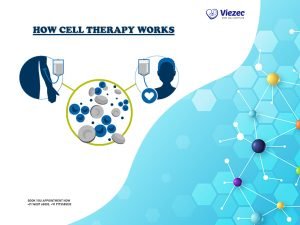
Stem cells are the body’s raw material — unspecialized cells with the ability to develop into different cell types and, in some cases, to help repair or replace damaged tissue. In therapy, stem cells (most commonly mesenchymal stem cells, or MSCs, drawn from bone marrow, adipose/fat tissue, or umbilical cord tissue) are collected, processed in a laboratory, and then reintroduced into the body — through injection, infusion, or a targeted procedure — with the goal of reducing inflammation, supporting tissue repair, or modulating an overactive immune response.
It’s important to understand that stem cell therapy is not a single standardized treatment. The cell source, processing method, dose, and delivery route all differ from clinic to clinic and condition to condition, which is one reason outcomes can vary so widely.
One area where stem cell-based treatment is well established and broadly approved is hematopoietic stem cell transplantation (bone marrow transplant) for certain blood cancers and blood disorders. For most other conditions — orthopedic, neurological, autoimmune, and metabolic — research is ongoing, and treatments are generally considered investigational rather than routine, approved therapy.
Why India Is a Popular Destination for Stem Cell Treatment
India has become a significant hub for medical tourism in regenerative medicine for a few concrete reasons:
- Cost. Procedures that can run into tens of thousands of dollars in the US, UK, or parts of Europe are typically available at a fraction of that price in India, largely due to lower operational, staffing, and facility costs.
- Clinical infrastructure and specialist availability. Major Indian cities have hospitals and laboratories equipped for cell processing, along with specialists across orthopedics, neurology, and immunology.
- Established medical tourism ecosystem. Many facilities offer visa assistance, translation, accommodation coordination, and follow-up support for international patients.
That said, affordability and infrastructure alone don’t guarantee quality. The regulatory environment and the clinic’s individual practices matter far more than the country’s general reputation, which is why the next section matters so much.
Is Stem Cell Therapy Regulated in India?
Yes — but the regulatory picture is more nuanced than “approved” or “banned,” and understanding it is central to protecting yourself.
In India, stem cell research and therapy fall under the National Guidelines for Stem Cell Research, jointly issued by the Indian Council of Medical Research (ICMR) and the Department of Biotechnology (DBT), first published in 2007 and substantially revised in 2017. These guidelines classify most stem cell-based interventions outside of hematopoietic stem cell transplantation as investigational, meaning they should only be offered within the framework of an approved clinical trial, with informed consent, ethics committee oversight, and safety monitoring — not marketed as routine, guaranteed treatments.
Separately, the Central Drugs Standard Control Organisation (CDSCO), India’s national drug regulatory authority, oversees new drugs and clinical trials, including cell-based products, under the New Drugs and Clinical Trials Rules. In practice, this means any clinic offering stem cell therapy for a non-hematological condition outside a registered trial is operating in a regulatory grey zone — which is exactly why patient diligence is so important.
Globally, bodies like the U.S. Food and Drug Administration (FDA) and the International Society for Stem Cell Research (ISSCR) have issued similar cautions, warning patients about clinics that market unproven stem cell products directly to consumers without adequate regulatory oversight. The ISSCR’s patient handbook is a useful, plain-language resource for understanding what questions to ask before undergoing any stem cell procedure, anywhere in the world.
None of this means stem cell therapy in India is inherently unsafe — many reputable providers operate within these guidelines, using accredited labs and transparent consent processes. It does mean the burden is on you, the patient, to verify that a specific clinic is one of them.
Wondering If Stem Cell Therapy Is Right for You?
Get a personalized assessment from Viezec’s medical team. Discuss your condition, treatment options, estimated costs, and expected outcomes—all before making a decision.
Step-by-Step: How to Choose the Right Clinic
Credentials and Accreditation to Verify
Before you go further than an initial inquiry, ask the clinic to confirm, in writing:
- Registration and licensing of the treating hospital or facility
- Whether their laboratory follows Good Manufacturing Practice (GMP) or equivalent quality standards for cell processing
- Whether the specific treatment is offered under an approved clinical trial or an established, non-experimental protocol
- The qualifications of the treating physicians — ask to review our stem cell specialists or the equivalent team page for any clinic you’re considering
- Their informed consent process, including a written document outlining risks, expected outcomes, and alternatives
Questions to Ask Before Consultation
Bring this table to your first conversation with any clinic — including us. A trustworthy provider will welcome every one of these questions.
| Question | Why It Matters |
|---|---|
| Is this treatment part of an approved clinical trial or investigational protocol? | Tells you whether you’re receiving regulated, monitored care or an unregulated procedure |
| Where do the stem cells come from (autologous vs. allogeneic)? | Cell source affects safety profile, rejection risk, and regulatory status |
| What published evidence supports this specific use of stem cell therapy? | Separates evidence-based practice from marketing claims |
| What are the realistic, likely outcomes — not best-case scenarios? | Protects you from inflated expectations |
| What are the known risks and possible side effects? | Every medical procedure carries risk; a clinic that says “none” is a red flag |
| Who performs the procedure, and what are their qualifications? | Confirms you’re being treated by trained specialists, not administrative staff |
| Is there a written consent form detailing the protocol? | Documents that you were properly informed before treatment |
| What follow-up and monitoring is included after treatment? | Recovery and complications should be tracked, not left to chance |
| Can I see de-identified outcome data or patient success stories with real context? | Distinguishes transparent providers from those relying on testimonials alone |
Red Flags of Unethical or Unproven Clinics
Watch for these warning signs:
- Language that promises a “cure” or guarantees results
- Pressure to book quickly, pay in full upfront, or “act before the offer ends”
- No mention of risks, side effects, or the investigational status of the treatment
- Refusal to provide physician credentials or lab accreditation details
- Reliance on video testimonials with no clinical documentation
- Treatment offered for conditions with little or no supporting research, framed as routine care
Importance of Transparent, Published Outcomes
A clinic confident in its results should be willing to share how outcomes are tracked — even informally — and should distinguish clearly between anecdote and evidence. Ask specifically how many patients with your condition they’ve treated, over what time period, and how follow-up was conducted. If a provider only offers glowing quotes with no clinical detail, treat that as incomplete information rather than proof of efficacy.
Understanding Costs Without Compromising Safety
Stem cell therapy cost in India varies considerably based on the condition being treated, the cell source, the number of sessions required, and the reputation and infrastructure of the provider. As a general pattern, India’s pricing tends to sit well below equivalent procedures in the US, UK, or Australia — but a lower price should never be the deciding factor on its own.
When comparing quotes, ask for an itemized breakdown covering consultation, diagnostics, cell collection and processing, the procedure itself, and follow-up care. Be cautious of packages priced dramatically below the market range, as this can sometimes signal shortcuts in lab standards, physician experience, or aftercare — the areas that matter most for your safety.
What to Expect: Consultation, Evaluation, Treatment, Follow-Up
A responsible treatment journey generally follows four stages:
- Initial consultation. Your medical history, prior treatments, and current condition are reviewed, often remotely before you travel, to assess whether stem cell therapy is a reasonable option for you at all.
- Diagnostic evaluation. Imaging, bloodwork, or functional testing confirms your diagnosis and rules out contraindications.
- Treatment. Cells are collected (if autologous), processed, and administered via injection, IV infusion, or a targeted procedure, depending on your condition.
- Follow-up. Recovery is monitored over weeks to months, since regenerative effects — where they occur — typically develop gradually rather than immediately.
If a provider skips straight from inquiry to treatment scheduling without a genuine evaluation step, that’s worth questioning.
Conditions Where Stem Cell Therapy Has Evidence vs. Where It's Still Experimental
| Status | Examples | What This Means |
|---|---|---|
| Established, widely approved | Certain blood cancers and blood disorders treated via hematopoietic (bone marrow) stem cell transplant | Backed by decades of clinical trials and regulatory approval globally |
| Growing clinical research, promising early data | Knee and joint osteoarthritis, certain tendon and cartilage injuries, some autoimmune conditions | Multiple trials published in journals such as Stem Cell Research & Therapy and Cytotherapy; results vary by study design and patient population, and treatment is generally still considered investigational outside formal trials |
| Early-stage / experimental | Autism spectrum disorder, cerebral palsy, Parkinson’s disease, spinal cord injury, ALS, stroke recovery | Actively studied in research settings; current evidence does not support claims of routine effectiveness or cure, and these should only be pursued through properly registered trials with full informed consent |
Spinal cord injuries often require a specialized, multidisciplinary approach to regeneration. If you’re exploring options, our dedicated program for Stem Cell Therapy for Spinal Cord Injury in India combines advanced cell-based protocols with rehabilitative support to help patients regain function.
If you’re researching a specific diagnosis, look at conditions we treat with stem cell therapy — including options like stem cell therapy for knee osteoarthritis — and ask directly what evidence level applies to your case rather than assuming.
Patient Safety Checklist
Before you commit to any clinic, confirm you can check off each of these:
- The treating facility and laboratory are licensed and accredited
- The clinic has clearly stated whether treatment is part of a registered trial or standard protocol
- You’ve received a written informed consent document detailing risks and expected outcomes
- Physician credentials have been verified independently, not just taken on faith
- Realistic outcomes — not guarantees — have been discussed
- You understand the total, itemized cost before travel
- A follow-up and monitoring plan is in place after treatment
- You’ve had time to consult your home physician about the plan
- You know how complications, if any, will be handled
Take the Next Step Toward Better Health
Every patient’s condition is unique. Speak with our specialists to understand whether stem cell therapy is suitable for you, what the treatment process involves, and what results you can realistically expect.
✔ Personalized Treatment Guidance ✔ Experienced Medical Team ✔ Support for International Patients
Frequently Asked Questions
Yes, but it is regulated. Hematopoietic stem cell transplants for blood disorders are established practice. Most other applications fall under the ICMR-DBT National Guidelines for Stem Cell Research and should be offered within approved clinical trials with proper oversight, rather than as unregulated standalone treatments.
Costs vary by condition, cell source, and number of sessions, and are generally lower than equivalent treatments in Western countries. Reputable clinics provide an itemized quote after reviewing your medical history — treat any provider unwilling to do this with caution.
Most procedures involve a minor injection or IV infusion and are not typically described as significantly painful, though mild soreness, swelling, or fatigue at the site is possible, similar to other minor medical procedures.
Immediate recovery from the procedure itself is usually quick — often within a day. However, any therapeutic effect, where evidence supports one, tends to develop gradually over weeks to months, not overnight.
No responsible provider should claim a cure. Current evidence supports stem cell therapy as something that may help manage symptoms or support tissue repair for certain conditions, and it is being actively studied for many others. Language promising a guaranteed cure is a red flag.
Request documentation of hospital and lab accreditation, physician credentials, informed consent processes, and — where applicable — clinical trial registration. Cross-check this information independently rather than relying solely on the clinic’s own marketing materials.
Reputable clinics offer remote follow-up consultations and coordinate with your local physician for ongoing monitoring. Ask specifically what this looks like before you travel.
Making Your Decision
Choosing stem cell therapy is a significant medical and financial decision, and it deserves the same scrutiny you’d apply to any major treatment choice — arguably more, given how much unregulated marketing exists in this space. The clinics worth trusting are the ones that welcome hard questions, provide documentation without hesitation, and are honest about what the evidence does and doesn’t yet show for your specific condition.
If you’re ready to have that conversation, our team is happy to walk through your medical history, explain what current evidence applies to your case, and give you a transparent, itemized picture of your options — no pressure, no guarantees we can’t back up. You can book a free consultation to get started, or review our frequently asked questions about stem cell therapy if you have more questions first.