
Written By:Nishat Arfin|Reviewed By:Viezec Medical Team|
Published: October 2, 2025 | Updated: July 23, 2026
Published: October 2, 2025 | Updated: July 23, 2026
At Viezec, we offer cutting-edge immunotherapy designed to harness your body’s natural immune system to fight diseases effectively. Our treatments are tailored to target specific cells while minimizing side effects, ensuring maximum safety and therapeutic benefit.
Learn About Our Immunotherapy Options
Trusted by patients worldwide for innovative, safe, and effective immunotherapy solutions.
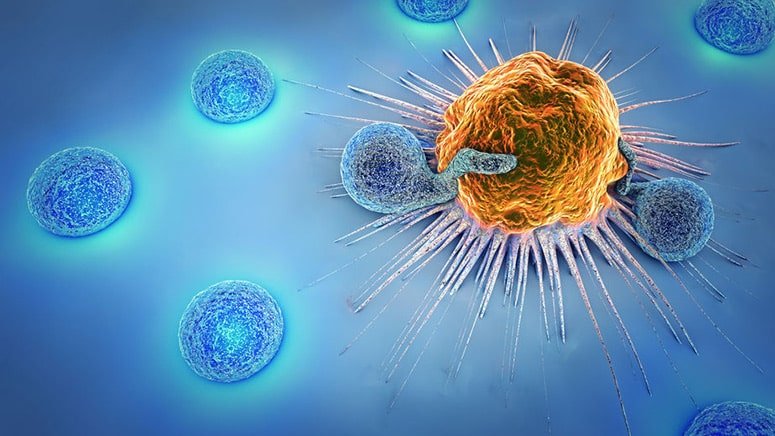
Your immune system is a network of cells, tissues, and organs that protects your body from infection and disease. At the center of this defense system are white blood cells, including T cells, which can recognize and destroy abnormal cells, including some cancer cells.
Cancer cells are tricky. They often find ways to hide from the immune system or send out signals that turn immune cells “off.” Immunotherapy is a form of biological therapy designed to remove these hiding tricks, restore the immune system’s ability to recognize cancer, and boost its power to destroy diseased cells.
This is different from older cancer treatments. Chemotherapy and radiation work by directly damaging or killing cancer cells, but they can also harm healthy, fast-growing cells like hair follicles and the lining of the gut. Immunotherapy instead trains and equips the immune system itself to do the targeting, which can mean more precision for certain cancers.
Immunotherapy is not a single drug. It is a category of treatments — including checkpoint inhibitors, CAR T-cell therapy, monoclonal antibodies, cancer vaccines, cytokines, and oncolytic viruses — each working through a different biological pathway.
| Feature | Immunotherapy | Chemotherapy | Radiation Therapy |
|---|---|---|---|
| How it works | Activates and strengthens the immune system to attack cancer | Uses drugs to kill fast-dividing cells | Uses high-energy rays to damage cancer cell DNA |
| Target specificity | Often targets specific immune pathways or cancer markers | Broadly affects fast-growing cells, healthy and cancerous | Targets a specific area of the body |
| Common side effects | Fatigue, skin rash, flu-like symptoms, immune-related inflammation | Hair loss, nausea, low blood counts, fatigue | Skin irritation, fatigue, localized tissue damage |
| Treatment duration | Weeks to months, sometimes longer maintenance cycles | Cycles over several months | Days to weeks of daily sessions |
| Best suited for | Selected cancers with specific biomarkers (e.g., PD-L1 positive tumors) | Wide range of cancers, especially fast-growing tumors | Localized tumors |
Many patients receive a combination of these treatments, decided by a multidisciplinary oncology team based on cancer type, stage, and biomarker results.
Learn more about comprehensive cancer treatment in India for a full overview of available options.
To understand immunotherapy, it helps to understand a normal process called immune surveillance — your body’s ongoing patrol system that looks for and eliminates abnormal cells before they become a problem.
Cancer develops when abnormal cells slip past this patrol system. They do this in a few ways:
Immunotherapy interrupts this escape process. Here is a simplified, step-by-step look at how many immunotherapy drugs work:
Step 1 — Detection: Diagnostic tests identify markers on the tumor, such as PD-L1 expression or specific genetic mutations, that indicate whether immunotherapy is likely to help.
Step 2 — Blocking the “off switch”: Checkpoint inhibitor drugs block proteins like PD-1, PD-L1, or CTLA-4, which cancer cells use to deactivate T cells.
Step 3 — Reactivation: With the “off switch” blocked, T cells become active again and can recognize cancer cells as a threat.
Step 4 — Attack: Reactivated T cells multiply and attack cancer cells directly, and in some therapies, antibodies mark cancer cells for destruction by other immune cells.
Step 5 — Immune memory: In some patients, the immune system “remembers” the cancer cells, which may help control the disease over the longer term.
This process does not work the same way for every patient or every cancer type, which is why biomarker testing and specialist evaluation are essential before starting treatment.
There are several major categories of cancer immunotherapy, each suited to different situations.
Checkpoint inhibitors are drugs that block proteins such as PD-1, PD-L1, and CTLA-4, which cancer cells use to switch off T cell activity. By blocking these checkpoints, the drugs allow T cells to stay active and attack tumor cells.
CAR T-cell therapy is a personalized cell-based treatment. A patient’s own T cells are collected, genetically modified in a lab to recognize a specific marker on cancer cells, multiplied, and then infused back into the patient.
Read about CAR T-cell therapy in detail to understand the full treatment process.
Monoclonal antibodies are lab-made proteins designed to attach to specific targets on cancer cells or immune cells.
Cancer vaccines aim to trigger or strengthen an immune response against cancer-specific proteins.
Cytokines are signaling proteins that help regulate immune cell activity. Certain cytokines, given at controlled doses, can boost the immune system’s overall response to cancer.
Oncolytic virus therapy uses modified viruses that preferentially infect and destroy cancer cells while sparing healthy tissue, and can also trigger a broader immune response against the tumor.
| Type | Main Mechanism | Delivery Method | Current Status |
|---|---|---|---|
| Checkpoint inhibitors | Blocks PD-1/PD-L1/CTLA-4 “off switches” | IV infusion | Established for multiple cancers |
| CAR T-cell therapy | Genetically modified T cells target cancer | One-time cell infusion | Established mainly for blood cancers |
| Monoclonal antibodies | Marks or blocks cancer cell targets | IV infusion | Established for many cancer types |
| Cancer vaccines | Trains immune system against cancer antigens | Injection | Approved for select uses; many in trials |
| Cytokines | Boosts overall immune cell activity | Injection/IV | Used selectively, often in combination |
| Oncolytic virus therapy | Destroys cancer cells and triggers immune response | Direct tumor injection | Approved for select indications |
Immunotherapy is an established option, often alongside other treatments, for a defined list of cancers, including:
See detailed treatment approaches for liver cancer and lung cancer.
Eligibility always depends on cancer stage, biomarker status, prior treatments, and overall health — not just the diagnosis alone.
Not every cancer patient is a suitable candidate for immunotherapy. Oncologists evaluate several factors before recommending it:
This is why a thorough consultation and diagnostic work-up always comes before any treatment decision — immunotherapy is not a one-size-fits-all option.
Who qualifies for immunotherapy? Eligibility depends on cancer type, stage, and biomarker results such as PD-L1 expression or genetic mutations. Doctors also review a patient’s overall health and immune status. A multidisciplinary oncology team confirms candidacy through diagnostic testing before starting treatment.
✔ Can produce long-lasting responses in some patients, even after treatment ends
✔ Often more targeted than traditional chemotherapy, which may reduce certain side effects
✔ Available as a single treatment or combined with chemotherapy, radiation, or surgery
✔ Growing number of approved uses across multiple cancer types
✔ Some patients experience improved quality of life during treatment compared to intensive chemotherapy regimens
✔ Ongoing research continues to expand safe and effective uses
It’s important to know that responses vary widely between patients. Immunotherapy helps many people, but it does not work for everyone, and outcomes cannot be guaranteed.
Immunotherapy is generally well-tolerated, but because it activates the immune system, it can sometimes cause the immune system to attack healthy tissue as well as cancer cells. Most side effects are manageable when caught early.
Less commonly, immunotherapy can cause inflammation in organs such as the lungs, liver, intestines, kidneys, thyroid, or other hormone-producing glands. CAR T-cell therapy carries specific risks, including cytokine release syndrome (a systemic inflammatory reaction) and temporary neurological effects, both of which require close hospital-based monitoring, especially in the days following infusion.
These effects are taken seriously, but they are typically identified early and managed effectively by an experienced oncology team using established monitoring protocols and, when needed, medications that calm the immune response. Patients are monitored closely throughout treatment through regular blood work, imaging, and clinical check-ins, and are encouraged to report new symptoms immediately rather than waiting for a scheduled visit.
| Factor | Immunotherapy | Chemotherapy |
|---|---|---|
| Goal | Activate the immune system to recognize and destroy cancer | Directly kill or slow the growth of cancer cells |
| Mechanism | Blocks immune checkpoints or re-engineers immune cells | Interferes with cell division of fast-growing cells |
| Side effects | Immune-related inflammation, fatigue, skin reactions | Hair loss, low blood counts, nausea, fatigue |
| Duration | Weeks to months; some maintenance regimens last longer | Typically several months in defined cycles |
| Recovery | Varies; some patients maintain daily activities during treatment | Often requires more recovery time between cycles |
| Target specificity | High for targeted therapies; depends on biomarker match | Broad; affects both healthy and cancerous fast-dividing cells |
Is immunotherapy better than chemotherapy?
Neither is universally “better.” Immunotherapy targets the immune system and works well for cancers with specific biomarkers, often with different side effects than chemotherapy. Chemotherapy remains essential for many cancers. The right choice depends on cancer type, stage, and individual patient factors.
Step 1 — Consultation: Patients meet with an oncology specialist to review medical history, previous treatments, and current health status.
Step 2 — Diagnosis and Testing: Biopsy, imaging, and laboratory tests confirm the cancer type, stage, and relevant biomarkers such as PD-L1 or genetic mutations.
Step 3 — Eligibility Review: A multidisciplinary tumor board reviews test results to determine whether immunotherapy is appropriate, alone or combined with other treatments.
Step 4 — Treatment: Depending on the type, immunotherapy is given by IV infusion, injection, or, for CAR T-cell therapy, a one-time cell infusion after a preparatory regimen.
Step 5 — Monitoring: Regular blood tests, imaging scans, and clinical evaluations track response and watch for side effects throughout treatment.
Step 6 — Follow-Up: After the treatment course, patients continue periodic scans and check-ins to monitor long-term response and overall health.
How long does immunotherapy take?
Treatment length varies by type and cancer. Checkpoint inhibitors are often given every two to six weeks for months or longer. CAR T-cell therapy involves a single infusion after several weeks of preparation, followed by close monitoring for the first month.
Is immunotherapy painful?
Most immunotherapy infusions are similar to an IV drip and are not painful, though some patients feel discomfort at the injection site or mild flu-like symptoms afterward. CAR T-cell therapy involves a more intensive process requiring hospital monitoring.
Viezec supports international patients and families in navigating cancer care with clarity and coordination. Our role is to help you connect with experienced oncology specialists and accredited hospitals, and to guide you through what can otherwise be an overwhelming process.
Viezec does not provide treatment directly — we coordinate access to qualified specialists and hospitals so that patients can make informed, well-supported decisions. We do not promise cures, and any treatment plan is determined solely by the treating oncology team based on your individual diagnosis.
Learn more about our international patient services or explore our medical team’s credentials.
Ready to explore your options? Book a consultation with our medical coordination team to discuss whether immunotherapy may be relevant to your case, and to get connected with an experienced oncology specialist.
1. What is immunotherapy in simple terms?
Immunotherapy is a cancer treatment that helps your own immune system recognize and fight cancer cells. Instead of directly attacking the tumor like chemotherapy or radiation, it removes the “brakes” cancer cells use to hide from immune cells, or it re-engineers immune cells to target cancer directly. It is used for specific cancer types and stages, decided after testing confirms it is likely to help.
2. How is immunotherapy different from chemotherapy?
Chemotherapy directly kills fast-dividing cells, including some healthy ones, which is why it causes side effects like hair loss. Immunotherapy instead activates the immune system to identify and destroy cancer cells, often with a different side-effect profile. Some patients receive both, depending on their cancer type, stage, and biomarker results, as determined by their oncology team.
3. Who is a good candidate for immunotherapy?
Candidacy depends on cancer type, stage, biomarker results such as PD-L1 expression, and overall health. Certain cancers, like melanoma, lung cancer, and some blood cancers, respond well in eligible patients. A multidisciplinary oncology team reviews diagnostic tests before confirming whether immunotherapy is appropriate for an individual case.
4. Is immunotherapy safe?
Immunotherapy is generally well-tolerated, but it can cause side effects because it stimulates the immune system. Most reactions are mild, such as fatigue or rash, but immune-related inflammation of organs can occur in some patients. Close monitoring by an oncology team helps catch and manage side effects early, making treatment safer overall.
5. What cancers can immunotherapy treat?
Immunotherapy is an established option for melanoma, non-small cell lung cancer, kidney cancer, bladder cancer, certain lymphomas and leukemias, head and neck cancers, and selected cases of liver, breast, and colorectal cancer. Use in other cancers may still be under clinical investigation, depending on the specific indication and country.
6. How long does immunotherapy treatment last?
Duration varies by therapy type and individual response. Checkpoint inhibitors are typically given every few weeks for several months or longer, sometimes as maintenance therapy. CAR T-cell therapy is usually a one-time infusion following a preparation period, with intensive monitoring in the following weeks.
7. What are the common side effects of immunotherapy?
Common side effects include fatigue, skin rash, flu-like symptoms, nausea, and joint pain. These are usually manageable. Less common but more serious immune-related side effects can affect organs like the lungs, liver, or thyroid, which is why regular monitoring throughout treatment is an essential part of care.
8. Can immunotherapy cure cancer?
Immunotherapy can lead to long-lasting remission in some patients, and ongoing research continues to improve outcomes, but it cannot be guaranteed to cure cancer in every case. Results vary based on cancer type, stage, and individual biology. Your oncology team can explain realistic expectations based on your specific diagnosis and test results.
9. How much does immunotherapy cost in India?
Costs vary significantly based on the type of immunotherapy, cancer type, treatment duration, and hospital. India is often considered by international patients due to comparatively lower treatment costs versus many Western countries, though exact pricing depends on individual diagnosis. Viezec can help provide cost estimates after reviewing your medical reports.
10. Is immunotherapy available in India?
Yes, immunotherapy, including checkpoint inhibitors and monoclonal antibody treatments, is available at leading cancer hospitals in India. Certain advanced options, like CAR T-cell therapy, may be available at select specialized centers. Availability depends on the specific therapy and cancer type, so it’s important to confirm with the treating hospital.
11. How is eligibility for immunotherapy determined?
Eligibility is determined through biopsy results, imaging, and biomarker testing such as PD-L1 expression or genetic mutation analysis. Doctors also review overall health, prior treatments, and any autoimmune conditions. A multidisciplinary tumor board typically reviews these results together before recommending immunotherapy as part of a treatment plan.
12. What happens during an immunotherapy infusion?
Most immunotherapy drugs are given through an IV infusion, similar to a chemotherapy session, usually lasting 30 minutes to a few hours. Patients are monitored during and after the infusion for any immediate reactions. Sessions are typically scheduled every two to six weeks, depending on the specific drug protocol.
13. Can immunotherapy be combined with other treatments?
Yes. Immunotherapy is often combined with chemotherapy, radiation, targeted therapy, or surgery, depending on the cancer type and stage. Combination approaches are decided by the oncology team based on clinical evidence for the specific cancer, aiming to improve overall treatment effectiveness while managing side effects.
14. What is the difference between CAR T-cell therapy and checkpoint inhibitors?
Checkpoint inhibitors are drugs that block proteins cancer cells use to suppress immune attack, allowing existing T cells to work better. CAR T-cell therapy is a personalized process where a patient’s own T cells are removed, genetically modified to target cancer, multiplied, and reinfused. Both are immunotherapy but work through different mechanisms.
15. How do I know if immunotherapy is right for me or my family member?
The only way to know is through a proper diagnostic work-up and consultation with an oncology specialist, including biomarker and genetic testing specific to your cancer type. Viezec can help coordinate this evaluation with experienced specialists so you receive a personalized, evidence-based recommendation rather than a generic answer.
Explore our advanced therapies to enhance healing and improve quality of life.
Regenerative therapy to repair damaged tissues and restore function.
Cell-free therapy for tissue regeneration and healing support.
Specialized therapy to improve speech and communication skills.
Helps regain daily living skills and independence.
Tailored therapies for various medical conditions.
Promotes tissue repair and healing with platelet-rich plasma.
Customized nutrition plans to support recovery and health.
Advanced therapy targeting genetic disorders for lasting results.
Treatment for blood disorders and immune system support.
Supports nerve repair and neurological recovery.
Water-based therapy to improve mobility and strength.
For international patients, please
visit our International Patient Guide.
This page is for educational purposes only and does not constitute medical advice. Immunotherapy is not appropriate for every patient or every cancer type, and outcomes vary by individual. Always consult a qualified oncologist for diagnosis and personalized treatment recommendations. Viezec Healthcare provides medical coordination and consultation support; it does not provide medical treatment directly, and does not guarantee specific outcomes, including cure.