Written By:Nishat Arfin|Reviewed By:Viezec Medical Team|
Published: June 19, 2025 | Updated: July 27, 2026
Published: June 19, 2025 | Updated: July 27, 2026
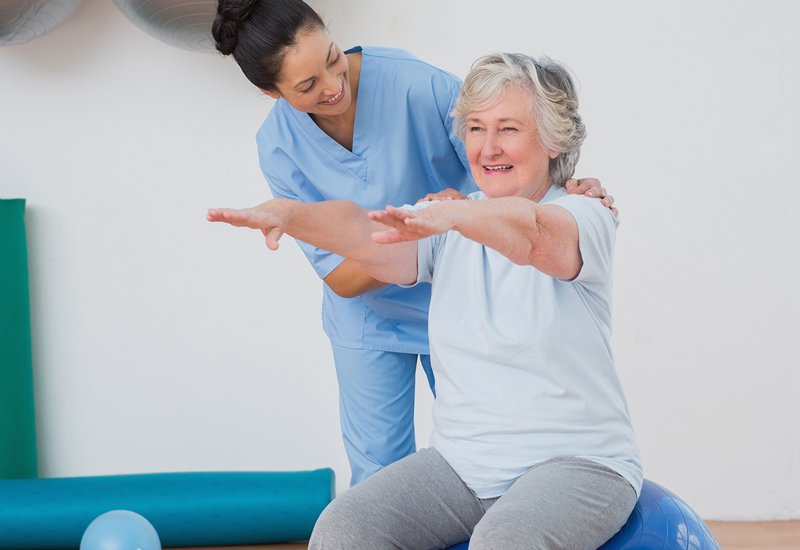
Recovering from a neurological condition, spinal cord injury, orthopedic surgery, or a chronic degenerative disease is rarely a single-step process. Medical treatment can address the underlying condition, but regaining strength, coordination, speech, or day-to-day independence usually takes structured, ongoing rehabilitation. That is where rehabilitation therapy plays its role — not as a standalone cure, but as a coordinated, function-focused recovery program built around each patient’s specific needs.
At Viezec, rehabilitation therapy is offered as a supportive therapy, meaning it is typically used alongside a patient’s broader medical care plan rather than in isolation. For many patients exploring regenerative medicine options for neurological, orthopedic, or age-related conditions, a well-structured rehabilitation program is often what determines how much of a functional improvement is ultimately sustained and built upon in daily life.
This page explains what rehabilitation therapy involves, who typically benefits from it, the different modalities used, and how it fits alongside other supportive and regenerative treatment approaches.
Medical disclaimer: This content is for general educational and informational purposes only. It does not constitute medical advice, and it does not guarantee specific outcomes. Rehabilitation needs and results vary significantly from patient to patient. Please consult a qualified healthcare professional for an individualized assessment.
Rehabilitation therapy is a broad term for structured, goal-directed treatment programs designed to help a person regain, maintain, or improve physical function, mobility, communication ability, and independence after illness, injury, surgery, or the onset of a chronic or progressive condition.
A rehabilitation program is rarely built around a single technique. Instead, it usually combines several complementary therapies, sequenced and adjusted based on the patient’s condition, progress, and goals — whether that means walking independently again, regaining hand function, improving speech clarity, or simply managing daily activities with greater ease.
Key takeaway: Rehabilitation therapy is not a single treatment — it is a coordinated, individualized program combining multiple therapeutic approaches based on the patient’s diagnosis and functional goals.
Rehabilitation is commonly recommended for patients managing:
Because these conditions differ so widely in how they affect the body, the specific combination and intensity of rehabilitation therapies used will differ from patient to patient.
✔ Expert Rehabilitation Support
Our rehabilitation specialists create personalized therapy programs to improve mobility, strength, independence, and quality of life.
A comprehensive rehabilitation plan may draw on several distinct disciplines, each targeting a different aspect of function and recovery.
Focuses on restoring movement, strength, balance, and physical function through targeted exercises, manual therapy, and mobility training. Physiotherapy is often the foundation of a rehabilitation program for orthopedic and neurological conditions alike. Learn more about our physiotherapy approach.
Helps patients regain the practical skills needed for daily living — such as dressing, eating, writing, or using tools — particularly important after stroke, brain injury, or hand and upper-limb conditions. Explore our occupational therapy programs.
Addresses speech, language, swallowing, and communication difficulties that can arise after stroke, brain injury, or certain neurological and developmental conditions. Read more about our speech therapy services.
Uses the buoyancy and resistance of water to support low-impact movement and strengthening, which can be particularly useful for patients with limited weight-bearing tolerance or joint sensitivity. Learn more about aqua therapy.
A supportive therapy that delivers oxygen at increased atmospheric pressure, sometimes used to support tissue healing and recovery alongside a broader rehabilitation plan. Learn more about hyperbaric oxygen therapy.
A structured, progressive mobility program designed specifically for patients working toward improved walking function after spinal cord injury. Learn more about our spinal cord injury walking track program.
Some rehabilitation plans for spinal cord and neurological conditions may also incorporate approaches such as epidural stimulation treatment or nerve growth factor treatment as part of a broader, individualized care strategy.
A non-invasive technique sometimes used to support neurological rehabilitation goals. Learn more about transcranial magnetic stimulation therapy.
Chronic illness and disability recovery often carry an emotional and psychological dimension. Our behavioral therapy and psychological intervention services are designed to support patients and families through this aspect of recovery.
Recovery and tissue repair are supported by adequate nutrition. Our nutrition therapy and diet counselling services help patients align their diet with their rehabilitation goals.
Key takeaway: Effective rehabilitation typically combines several of these disciplines rather than relying on just one, tailored to the patient’s diagnosis, functional limitations, and personal goals.
Many patients come to Viezec exploring regenerative approaches such as stem cell therapy or exosome therapy for neurological, orthopedic, or age-related conditions. Rehabilitation therapy is generally positioned as a complementary, supportive component of care — not a substitute for medical evaluation, and not a guarantee of a specific outcome from any single therapy.
The general reasoning is straightforward: even where a medical intervention supports tissue health or neurological signaling, the nervous system and musculoskeletal system typically still require active, structured retraining to translate any physiological change into practical improvements in strength, coordination, or daily function. This is why many comprehensive care plans for conditions like stroke, spinal cord injury, or cerebral palsy pair medical treatment with an ongoing rehabilitation schedule rather than treating either in isolation.
It’s important to be clear that outcomes vary significantly between patients, and no rehabilitation or regenerative therapy can guarantee a specific level of recovery. A qualified care team can help set realistic, individualized goals based on the specific diagnosis, severity, and duration of the condition.
Rehabilitation is typically an ongoing process rather than a short, fixed course of treatment, particularly for chronic neurological or degenerative conditions.
As with any therapy, the degree of improvement varies by individual, condition severity, and consistency of participation in the program.
Whether you’re recovering from a stroke, spinal cord injury, orthopedic condition, or neurological disorder, our rehabilitation experts are here to help you regain confidence and improve daily function.
It is used to help patients regain or improve physical function, mobility, communication, and independence following injury, surgery, or the onset of a neurological or chronic condition.
Physiotherapy is one component of rehabilitation, but a full rehabilitation program may also include occupational therapy, speech therapy, and other supportive modalities depending on the patient’s needs.
Duration varies widely depending on the condition, its severity, and individual response — ranging from a few weeks for some post-surgical recovery plans to ongoing, long-term programs for chronic neurological conditions.
Many care plans combine rehabilitation with other medical and regenerative approaches, as functional retraining is often considered an important part of translating any physiological improvement into practical recovery. This should be discussed with your care team based on your specific diagnosis.
Yes. Pediatric rehabilitation is commonly used for conditions such as cerebral palsy and certain developmental or neuromuscular disorders, with programs adapted to the child’s age and needs.
No. Outcomes vary significantly based on the underlying condition, its severity, the patient’s overall health, and consistency of participation. No therapy can guarantee a specific result.
Spinal cord injury, stroke, cerebral palsy, multiple sclerosis, and Parkinson’s disease often involve long-term, ongoing rehabilitation as part of comprehensive care.
Rehabilitation therapy plays a central, practical role in helping patients rebuild function, mobility, and independence after injury, surgery, or the onset of a chronic condition. Rather than working as a single technique, effective rehabilitation typically combines physiotherapy, occupational therapy, speech therapy, and other supportive approaches into an individualized plan — often alongside broader medical or regenerative care.
If you or a family member are exploring rehabilitation options as part of a broader recovery or treatment plan, our team can help outline an approach suited to the specific condition and goals involved. You can schedule an appointment, request a call back, or explore our supportive therapy options to learn more about how rehabilitation fits into a comprehensive care plan.