Written By:Nishat Arfin|Reviewed By:Viezec Medical Team|
Published: June 20, 2025 | Updated: July 27, 2026
Published: June 20, 2025 | Updated: July 27, 2026
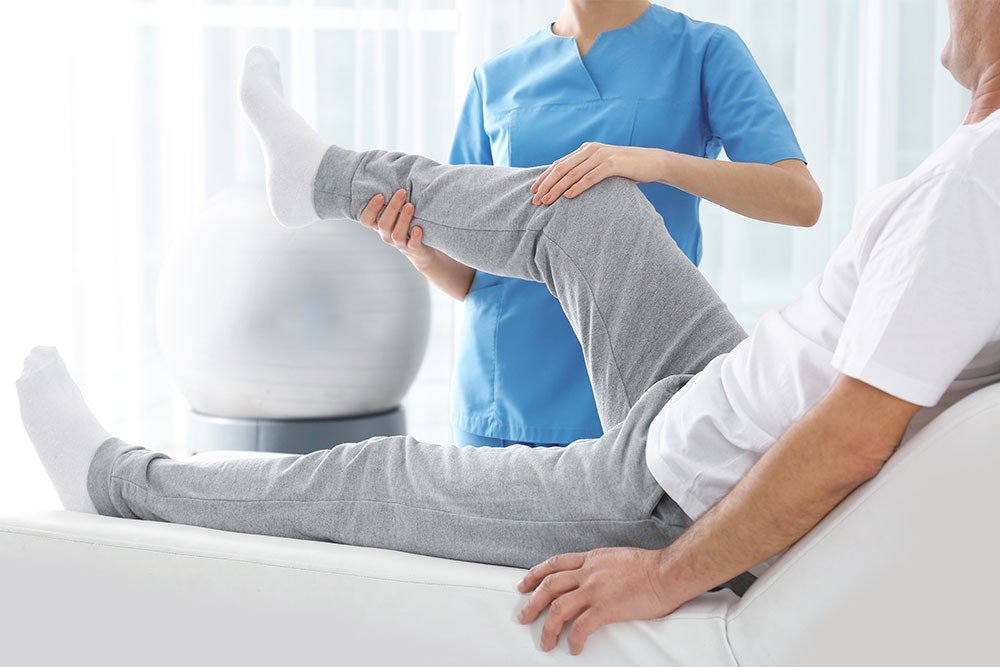
Recovering from an injury, surgery, or a chronic condition is rarely just about the initial treatment — it’s about what happens afterward. Whether you’re regaining strength after a stem cell procedure, managing joint pain, or working to walk again after a neurological injury, the rehabilitation phase often determines how much function you actually get back.
Physiotherapy is one of the most well-established and evidence-based tools for that phase of recovery. It focuses on restoring movement, reducing pain, and rebuilding strength through targeted physical techniques — not medication, not surgery, but structured, hands-on rehabilitation guided by a trained professional.
At Viezec, physiotherapy is offered both as a standalone rehabilitation service and as a core part of our broader regenerative medicine approach, where it is frequently combined with treatments such as stem cell therapy to help patients recovering from orthopedic, neurological, and age-related conditions regain function more effectively.
Medical disclaimer: This content is for educational purposes only and does not replace individualized medical advice. Physiotherapy plans should always be designed and supervised by a licensed physiotherapist based on a personal clinical assessment.
Definition: Physiotherapy (also called physical therapy) is a healthcare discipline focused on assessing, diagnosing, and treating problems with movement, function, and physical performance using non-surgical, non-pharmacological methods such as exercise, manual therapy, and physical modalities.
Physiotherapists are trained to look beyond the site of pain or injury to understand the underlying mechanical, neurological, or muscular cause of a problem. Based on that assessment, they design a personalized program intended to restore normal movement patterns, reduce pain, and lower the risk of the problem recurring.
Whether you’re recovering from an injury, surgery, or chronic pain, our experienced physiotherapists create personalized treatment plans to restore your mobility and improve your quality of life.
Restricted joint movement and muscle stiffness are among the most common reasons people seek physiotherapy. Structured stretching and strengthening exercises help restore range of motion, whether the underlying cause is an acute injury, post-surgical stiffness, or a chronic degenerative condition such as osteoarthritis.
Manual therapy techniques, targeted exercise, and modalities like therapeutic ultrasound or dry needling can help reduce both acute and chronic pain. This is particularly relevant for patients managing conditions such as chronic low back pain or fibromyalgia, where pain relief and functional improvement need to be addressed together.
Beyond treating the current problem, physiotherapy strengthens supporting muscle groups and corrects movement patterns that may have contributed to the original injury — an important consideration for athletes recovering from sports injuries or anyone prone to recurring strain.
For patients recovering from a stroke, brain injury, or conditions such as cerebral palsy, physiotherapy plays a central role in retraining motor patterns, improving balance, and rebuilding functional independence — often as part of a longer-term, multidisciplinary rehabilitation plan.
Whether the goal is walking without pain, returning to sport, or simply managing daily tasks more comfortably, physiotherapy is designed to translate clinical improvement into real, functional independence.
Key takeaway: Physiotherapy addresses the underlying mechanics of movement and pain — not just the symptoms — which is why it remains a cornerstone of rehabilitation across orthopedic, neurological, and chronic pain conditions.
Physiotherapy and regenerative treatments such as stem cell therapy and exosome therapy address recovery from two different but complementary angles. Regenerative therapies aim to support tissue repair at a cellular level, while physiotherapy works to translate that biological improvement into actual strength, coordination, and functional movement.
It’s important to set realistic expectations here: physiotherapy does not accelerate the underlying biological healing process from regenerative treatment, and outcomes vary based on the individual’s diagnosis, age, and overall health. Its role is to help ensure that any functional gains achieved through treatment are maintained, strengthened, and built upon over time.
Key takeaway: Physiotherapy is not a replacement for regenerative treatment, and regenerative treatment is not a replacement for physiotherapy — at Viezec, the two are typically used together as part of a coordinated rehabilitation plan.
Myth: Physiotherapy is only for athletes or people recovering from major surgery. Fact: Physiotherapy is used across a wide range of situations, from chronic back pain and posture correction to neurological rehabilitation and age-related mobility decline.
Myth: More sessions always mean faster recovery. Fact: Recovery depends on the underlying condition, adherence to home exercises, and overall health — not simply the number of clinic visits.
Myth: Physiotherapy alone can reverse structural joint damage. Fact: Physiotherapy improves strength, mobility, and function around a joint, but it does not repair damaged cartilage or tissue — that is one reason it is often paired with regenerative approaches for degenerative conditions.
Our rehabilitation specialists are here to help you regain strength, reduce pain, and return to your daily activities with confidence.
Physiotherapy is used to restore movement and function, relieve pain, and support recovery from injuries, surgeries, chronic conditions, and neurological impairments.
Physiotherapy techniques are generally designed to be tolerable and are adjusted to your comfort level; some mild soreness after exercise-based sessions is common, but sessions should not cause severe pain.
This depends entirely on your condition, goals, and response to treatment — your physiotherapist will provide an estimated timeline after your initial assessment.
Yes. Physiotherapy is commonly used alongside stem cell therapy and exosome therapy to support functional recovery, though the appropriate combination depends on your specific diagnosis and treatment plan.
Yes, physiotherapy is commonly used to help older adults maintain mobility, balance, and independence, with programs adjusted for individual fitness levels and health conditions.
Physiotherapy can be part of a broader management plan for chronic pain conditions, focusing on gentle movement, strengthening, and pain-coping strategies, generally alongside other medical care.
Yes, physiotherapy is a core component of post-stroke rehabilitation, focused on retraining motor function, balance, and mobility.
Physiotherapy primarily focuses on movement, strength, and physical function, while occupational therapy focuses on helping patients perform daily activities and tasks independently — the two are often used together in rehabilitation plans.
Physiotherapy is one part of a broader rehabilitation ecosystem at Viezec. Depending on your condition, your care plan may also draw on:
To understand how physiotherapy fits into a broader treatment plan, you can also explore our regenerative medicine services, read about how stem cell therapy works, or review conditions we support, including osteoarthritis, spinal cord injury, and stroke recovery.
If you’d like to discuss a personalized physiotherapy or combined rehabilitation plan, you can schedule an appointment or contact our team for a consultation.
Physiotherapy remains one of the most reliable, evidence-based tools for restoring movement, reducing pain, and rebuilding independence after injury, surgery, or the onset of a chronic condition. While it cannot repair damaged tissue on its own, it plays a vital role in translating clinical improvement — including improvements supported by regenerative treatments — into real, lasting functional gains.
At Viezec, physiotherapy is offered both independently and as part of a broader, individualized rehabilitation plan that may include regenerative medicine, supportive therapies, and lifestyle guidance. The right approach depends on your specific diagnosis, goals, and overall health, which is why a personal consultation is the best starting point.