
Stem Cell Therapy: What’s Actually Approved vs. Investigational in India
Before comparing hospitals, it helps to understand what “stem cell therapy” covers in India, because the term gets used loosely in marketing but means very different things clinically.
Why this distinction matters
This distinction matters more than which hospital’s brochure looks the most polished. A hospital that clearly tells you which category your proposed treatment falls under is giving you more useful information than one that promises a specific outcome.
Best Stem Cell Therapy Hospitals in Delhi: Comparison Overview
Delhi has several major hospitals and research institutions involved in stem cell transplantation, regenerative medicine, and clinical research. The right facility depends on the condition being treated, the type of stem cell therapy being considered, available clinical evidence, and the hospital’s relevant specialty services.
Delhi Hospital Profiles
Delhi has several major hospitals and research institutions involved in stem cell research, transplantation, hematology, regenerative medicine, and related clinical programs. The institutions below differ significantly in their specialties, research activity, treatment models, and patient access.
Before Choosing a Hospital
Hospital reputation alone should not determine whether a stem cell treatment is appropriate. Before proceeding, ask:
- Is the proposed treatment approved for my condition?
- Is it part of a registered clinical trial or an investigational protocol?
- What type and source of cells will be used?
- Where are the cells processed and what quality controls are used?
- Which specialist will supervise my treatment?
- What are the expected benefits, risks, alternatives, and follow-up requirements?
Beyond Delhi: Other Notable Centers in India
If you’re open to traveling within India, a few other institutions are frequently referenced for specific specialties:
Tata Memorial Hospital
Mumbai
One of India’s largest cancer centers, with an established bone marrow transplant program for blood cancers.
PGIMER
Chandigarh
A leading government medical research institute, active in multiple stem-cell-related clinical trials, including liver regeneration research alongside AIIMS and ILBS.
CMC Vellore
Vellore
A long-standing hematology and bone marrow transplant program, and one of the earliest centers in India to perform bone marrow transplants.
NIMHANS
Bengaluru
Relevant for neurological conditions where regenerative approaches are being researched alongside standard neurology and neurosurgery care.
Important:
The institutions above are included because of their established expertise or research activity in specific medical specialties. Their inclusion does not mean that stem cell therapy is an approved or routinely available treatment for every condition. Patients should confirm current clinical trial availability, eligibility, and treatment status directly with the institution.
How to Vet Any Stem Cell Therapy Hospital (Delhi or Elsewhere)
Before choosing a stem cell therapy hospital, take time to verify the provider, the treatment pathway, and the quality standards behind the service. These checks can help you distinguish a medically responsible program from one that relies mainly on marketing claims.
Verify Hospital Accreditation
Ask for current NABH or JCI accreditation certificates and verify them against the accrediting body's public registry. Do not rely solely on a hospital brochure or website claim.
Understand the Treatment Status
Ask which category your treatment falls under — an approved application or an investigational/clinical-trial protocol — under the ICMR-DBT National Guidelines for Stem Cell Research.
Check Cell Processing Standards
Ask whether cell processing takes place in an in-house laboratory or an independently licensed laboratory, and what quality-control documentation is available for the cells being used.
Review the Treating Physician
Check the treating physician's specific credentials and experience in regenerative medicine, hematology, hepatology, or the relevant specialty — not simply a general medical degree.
Request an Itemized Estimate
Ask for a written, itemized cost estimate after medical evaluation. Be cautious of providers that quote a fixed treatment price before reviewing your medical history and reports.
Be Alert to Cure Guarantees
Treat guaranteed-cure claims as a red flag, not a selling point. For most non-blood-cancer applications, a legitimate provider cannot promise a specific outcome.
A practical rule: A trustworthy stem cell program should be willing to explain what is known, what remains uncertain, what risks exist, and whether conventional or approved treatment options may be more appropriate for your situation.
Stem Cell Therapy Cost in India
Costs vary widely depending on the condition, whether the approach is autologous or allogeneic, hospital tier, and the extent of post-treatment monitoring required.
Medical Condition
The underlying condition and complexity of the proposed protocol can significantly influence the overall cost.
Cell Type & Protocol
Costs may differ depending on whether an autologous or allogeneic approach is considered.
Hospital & Monitoring
Hospital tier, length of stay, follow-up testing, and post-treatment monitoring can affect the final estimate.
Why India can be more cost-effective
As a general pattern, treatment in India for comparable protocols tends to run significantly lower than in the US, UK, or Western Europe. However, international cost comparisons should always be made carefully because treatment protocols, hospital services, monitoring, and regulatory requirements can differ.
Ask for an itemized estimate
Any specific number should come from an itemized estimate after your medical reports are reviewed, not a quote given sight-unseen. A personalized estimate can help clarify what is included in the proposed treatment, hospital care, testing, and follow-up.
Be cautious of unusually low flat-rate quotes
Be especially cautious of low flat-rate quotes for conditions where the underlying therapy is still investigational. Cost transparency and regulatory transparency are important considerations when evaluating any stem cell treatment. Patients should understand what is being offered, what evidence supports it, what is included in the quoted cost, and what limitations or uncertainties remain.
Autologous vs. Allogeneic Stem Cell Therapy
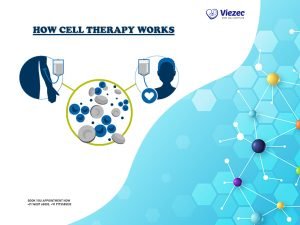
The main difference between autologous and allogeneic stem cell therapy is where the cells come from. The choice depends on the condition being treated, the treatment protocol, and the patient’s overall health.
Which approach is right for you? There is no single option that is appropriate for every patient. The choice between autologous and allogeneic therapy depends on your condition, available cell source, treatment protocol, and overall health. A qualified specialist should review your medical history and explain the reasoning behind the recommended approach for your specific case.
What International and Out-of-State Patients Should Expect
Traveling to Delhi for medical evaluation or treatment can feel complicated. Our patient coordination process is designed to make each stage clearer, from your initial case review through follow-up care.
Remote Case Review
Share your medical history, diagnostic reports, imaging, and other relevant records for an initial feasibility assessment before making travel arrangements.
Medical Visa Support
When applicable, patients traveling from abroad can receive assistance with the documentation and invitation letters needed for medical travel to India.
On-Ground Coordination
Depending on your arrangements, patient coordinators can help organize airport transfers, accommodation near the treatment facility, appointments, and other practical details.
Multilingual Patient Support
Larger treatment centers and patient facilitators may provide multilingual coordination to help patients and families understand appointments, instructions, and treatment plans.
Post-Treatment Follow-Up Planning
Regenerative treatments may require monitoring over weeks or months rather than ending with the procedure itself. Follow-up arrangements should therefore be discussed and planned before you return home.
Planning ahead matters.
International and out-of-state patients should complete their medical review and understand the proposed evaluation, expected stay, follow-up requirements, and estimated costs before booking travel.
Safety and Regulatory Oversight
ICMR
Provides national guidance for the ethical and scientific conduct of stem cell research and distinguishes established uses from investigational applications.
DBT
Works with ICMR on India’s national framework governing stem cell research, including scientific and ethical oversight.
CDSCO
Regulates specific cell-based products that fall within categories such as biologics or new drugs.
A key distinction:
Regulatory status can vary depending on the specific cell product, indication, protocol, and setting. Patients should ask their provider to clearly explain whether a proposed intervention is an approved therapy, part of an authorized clinical trial, or an investigational treatment.
Frequently Asked Questions
Find clear answers to common questions about stem cell therapy hospitals, treatment options, regulations, costs, and accreditation in India.
What is the best stem cell therapy hospital in India?
There isn't a single universal answer — it depends on your condition. For blood cancers and inherited blood disorders, hospitals with an established bone marrow transplant program, such as AIIMS, Apollo Indraprastha, Max Saket, Tata Memorial, and CMC Vellore, have the longest track record. For liver-specific regenerative research, ILBS is a notable option given its active clinical trials. For general orthopedic or degenerative conditions, ask any hospital directly for its documented case volume and whether the treatment is approved or investigational.
Which hospital in Delhi is best for stem cell therapy?
Among Delhi hospitals, AIIMS, Indraprastha Apollo, Max Saket, and BLK-Max are frequently referenced because of their accreditation, scale, and specialty infrastructure. The "best" option depends on your specific diagnosis and which hospital has documented experience treating your particular condition.
Is stem cell therapy legal in India?
Yes, stem cell research and certain stem cell applications are legal and regulated in India under applicable ICMR-DBT guidelines and CDSCO requirements. However, the extent of regulatory approval varies by application. Ask your hospital directly which regulatory category applies to the specific treatment being offered.
How much does stem cell therapy cost in Delhi hospitals?
Costs vary depending on the condition, treatment protocol, cell type, hospital, and level of medical care required. Prices may also differ considerably between hospitals. A credible provider should give you an itemized estimate after reviewing your medical reports rather than quoting a generic price without understanding your case.
Is AIIMS Delhi good for stem cell treatment?
AIIMS has a long-standing reputation for medical research and an established bone marrow transplant program, making it an important reference point for research-linked and hematopoietic stem cell applications. As a government institution, however, patients may experience longer waiting times compared with some private hospitals.
How do I know if a hospital's stem cell program is accredited?
Ask the hospital for its current NABH or JCI accreditation certificate and verify the information through the relevant accrediting body's public registry. A credible hospital should be willing to provide documentation of its accreditation, relevant specialty credentials, and the regulatory status of the specific stem cell treatment being offered.
Important: Hospital reputation, accreditation, and research activity do not by themselves establish that a stem cell treatment is effective or approved for a particular condition. Always confirm the treatment's evidence, regulatory status, potential risks, and available alternatives with qualified medical professionals.