
Written By:Nishat Arfin|Reviewed By:Viezec Medical Team|
Published: January 9, 2021 | Updated: August 14, 2026
Published: January 9, 2021 | Updated: August 14, 2026
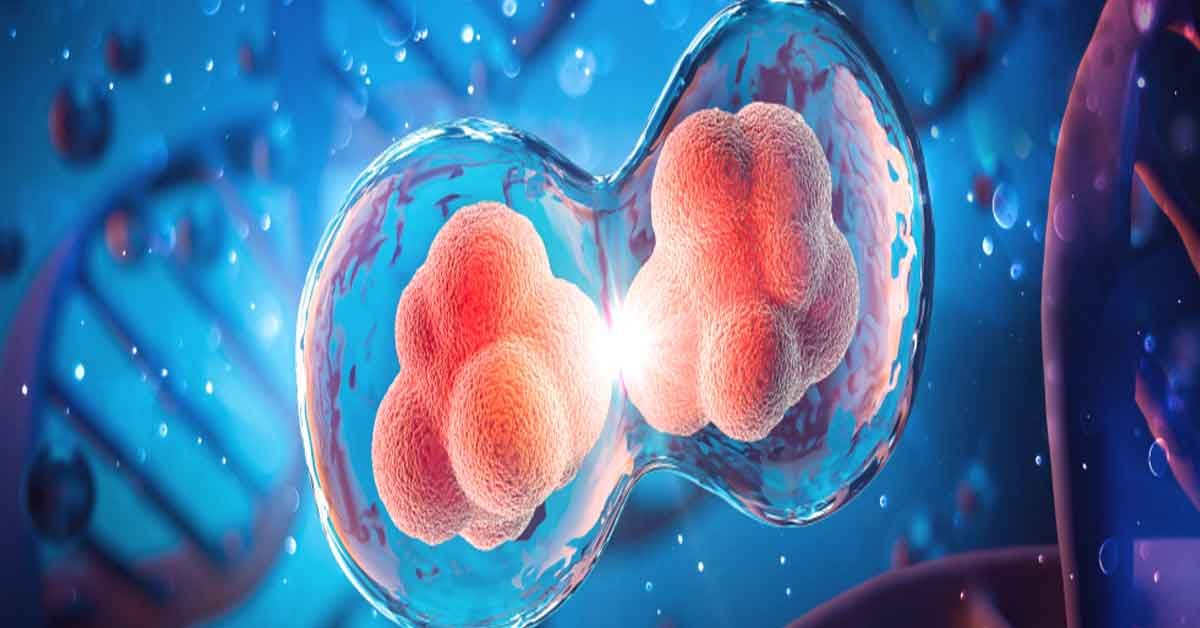
Advanced Regenerative Medicine India is an emerging field that combines biology, technology, and clinical research to explore how the body’s own cells might support healing in chronic and degenerative conditions. Over the past decade, India has become an active center for this research, drawing both domestic and international patients who want to understand their options. This guide walks you through what advanced regenerative medicine actually involves, which conditions researchers are studying it for, what the treatment process looks like, and how to think about safety and cost before you make any decisions.
Regenerative medicine is a branch of medical science focused on helping the body repair, replace, or regenerate damaged cells and tissue. Rather than only managing symptoms, it looks at the underlying biological environment — inflammation, tissue damage, and cell signaling — and asks whether targeted biological therapies can support the body’s own repair mechanisms.
The most talked-about tool in this field is the stem cell: an early-stage cell that has the potential to develop into different cell types depending on the signals around it. Alongside stem cells, researchers are also studying exosomes (tiny particles released by cells that carry signaling molecules), growth factors, and Platelet Rich Plasma (PRP), which concentrates a patient’s own platelets to support tissue repair.
To understand the science in more depth, you can read about how stem cell therapy works and the healing potential of stem cells, both of which explain the underlying biology in plain language.
It’s important to state clearly: these are investigational approaches. They are not universally approved as standard-of-care treatments for most conditions, and they are typically offered within research-oriented or closely monitored clinical settings rather than as guaranteed cures.
India has become a significant destination for patients exploring regenerative medicine treatment in India, for a few practical reasons:
You can learn more about why India is being explored for stem cell therapy and how stem cell medical tourism in India is organized for patients traveling from abroad.
Speak with our regenerative medicine specialists to understand whether personalized stem cell therapy may be suitable for your condition.
Researchers and clinicians are studying advanced cell therapy India-based approaches across a wide range of chronic and degenerative conditions. It’s worth repeating: in most cases, this research is exploratory, and outcomes vary from person to person. None of the following should be read as a promise of a cure.
Conditions such as Parkinson’s disease, cerebral palsy, multiple sclerosis, ALS/MND, and stroke-related disability are among the most actively studied areas in regenerative neurology. The goal in these cases is generally to explore whether cell-based approaches, alongside conventional neurological care, may help support quality of life. You can read more about Parkinson’s disease stem cell treatment, cerebral palsy stem cell treatment, and multiple sclerosis stem cell therapy.
Emerging therapies are reshaping recovery timelines for traumatic injuries. Our Regenerative Medicine for Spinal Cord Injury in Delhi program is one example of how cell-based treatment is being applied to support nerve tissue repair.
Regenerative orthopedics is one of the more established areas of this field, with research exploring joint, cartilage, and autoimmune-related conditions such as osteoarthritis and rheumatoid arthritis. These approaches are generally studied as a complement to physiotherapy and conventional orthopedic management, not a replacement for it. See more on osteoarthritis regenerative treatment and rheumatoid arthritis stem cell therapy.
Regenerative medicine continues to show promise for chronic inflammatory conditions. Learn how stem cell therapy for ulcerative colitis and Crohn’s disease is being studied as a potential approach to tissue repair and immune modulation.
Chronic liver disease, kidney disorders, and cardiovascular conditions are also areas of ongoing research interest, where scientists are studying whether cell-based therapies may support tissue function alongside standard medical management. Learn more about liver disease stem cell treatment and cardiovascular stem cell treatment.
Conditions like retinitis pigmentosa and optic nerve disorders are being studied to see whether regenerative approaches can support retinal or optic nerve health in select cases. More detail is available on retinitis pigmentosa treatment.
Type 1 and type 2 diabetes, along with related complications such as diabetic neuropathy, are an active research area, with scientists exploring whether cell-based therapies might support metabolic and nerve health over time. Read more about diabetes stem cell treatment.
Some patients explore regenerative approaches for skin rejuvenation, hair thinning, and general aging-related concerns, generally as an aesthetic or wellness-oriented application rather than a medical necessity.
Regenerative approaches are also being studied in the context of male and female infertility, generally as a supportive option alongside standard fertility treatment protocols. You can read about female infertility stem cell therapy and male infertility stem cell therapy.
Several distinct categories fall under the umbrella of cell-based therapy India clinics may discuss with patients:
While every case is evaluated individually, a general process for stem cell therapy India clinics typically follow includes:
You can read more about the procedure of stem cell therapy and post-treatment care, including how rehabilitation therapy fits into recovery.
This is the most important section for any patient to read carefully.
In India, stem cell and related cell-based therapies are governed by national guidelines that classify most such applications as investigational — meaning they are intended to be conducted within regulated research or clinical-trial-like settings, not marketed as guaranteed treatments. The Indian Council of Medical Research (ICMR) publishes national guidelines for stem cell research that outline this framework, and the International Society for Stem Cell Research (ISSCR) provides a patient-facing handbook explaining what questions to ask before considering any cell-based therapy. For therapies still in active research, ClinicalTrials.gov is a useful public registry to check trial status and phase.
Patients should also understand potential risks and limitations — no therapy is risk-free, and individual response varies widely. You can read more about stem cell treatment safety and adverse reactions and review informed consent for treatment before proceeding with any center.
This content is for informational and educational purposes only. Regenerative and cell-based therapies discussed here are considered investigational and are not a substitute for professional medical advice, diagnosis, or treatment — patients should consult qualified healthcare professionals before making any medical decisions.
Regenerative medicine cost in India varies significantly depending on the condition being addressed, the type of therapy used, the number of sessions required, and whether additional supportive care (labs, rehabilitation, accommodation) is included. Rather than quote a fixed price, most reputable centers provide an individualized cost estimate after case evaluation, along with a clear breakdown of what is and isn’t included — such as pre-treatment labs, travel, and follow-up care. If you’re planning to travel from abroad, it’s worth reviewing plan your visit resources and details for international patients.
Our medical experts are here to guide you through treatment options, expected outcomes, eligibility, and the complete patient journey.
Given the investigational nature of this field, choosing where to seek an opinion matters as much as the therapy itself. Look for:
You can read more about our quality commitment and why patients choose Viezec as part of your research process.
No. Most stem cell and related cell-based therapies are considered investigational in India and are generally offered within research-oriented or closely supervised clinical settings, not as approved first-line treatments.
Conventional treatment typically manages symptoms directly (medication, surgery), while regenerative approaches explore whether the body’s own repair processes can be supported at a cellular level — usually alongside, not instead of, conventional care.
No medical procedure is entirely risk-free. Response varies by individual, and patients should discuss potential risks, in detail, with a qualified clinician before proceeding. You can read more in our safety and adverse reaction resource.
This depends heavily on the condition and therapy type. Many centers recommend a structured rehabilitation and follow-up period rather than expecting immediate results.
Candidacy depends on medical history, current health status, and the specific condition involved. A documented case evaluation by a qualified team is the only reliable way to determine this — self-diagnosis based on online research isn’t sufficient.
For more common questions, see our full stem cell FAQ.
Advanced Regenerative Medicine represents a genuinely evolving area of medical research — one that offers hope for many patients with chronic and degenerative conditions, while still requiring honest conversations about what is known, what is still being studied, and what realistic expectations look like. If you’re researching options for yourself or a family member, the most useful next step is usually a personalized case evaluation rather than relying on general information alone.
If you’d like to discuss your specific case, you can get an expert opinion or schedule a free tele-consultation with our team.

Tell us about your condition. Our medical team will review your details and get back to you within 24–48 hours.