Traveling abroad for stem cell treatment has become a serious consideration for patients facing chronic, degenerative, or rare medical conditions. Many people explore international options after exhausting conventional treatments in their home country or when advanced regenerative therapies are unavailable, restricted, or unaffordable locally.
Stem cell therapy is evolving rapidly. While some countries strictly regulate its use, others actively support clinical applications under well-defined ethical and medical frameworks. This global variation has led to a growing trend known as stem cell medical tourism.
However, traveling overseas for medical treatment is not a simple decision. It involves medical, legal, financial, and emotional factors that every patient must understand clearly before moving forward.
This guide explains everything you need to know before traveling abroad for stem cell therapy, from choosing the right country and clinic to understanding risks, safety standards, costs, and post-treatment care.
Why Patients Travel Abroad for Stem Cell Treatment
Patients choose international stem cell treatment for several key reasons.
Limited Availability in Home Country
In many countries, stem cell therapy is still restricted to clinical trials or approved only for a small number of conditions. Patients with neurological disorders, autoimmune diseases, orthopedic degeneration, or vision loss often find limited treatment options at home.
Advanced Clinical Experience
Some countries have specialized centers that focus exclusively on regenerative medicine. These centers may have years of hands-on clinical experience treating thousands of international patients using standardized protocols.
Cost Differences
Stem cell treatment costs vary significantly worldwide. Procedures that cost extremely high amounts in developed countries may be available at a more accessible price in other regions, without compromising medical infrastructure.
Faster Access to Treatment
Long waiting lists and regulatory delays push many patients to seek timely treatment abroad, especially when disease progression is ongoing.
Common Conditions Treated with Stem Cell Therapy Abroad
Stem cell therapy is explored for a wide range of medical conditions. While outcomes vary based on individual health status, disease stage, and treatment protocol, patients frequently travel for conditions such as:
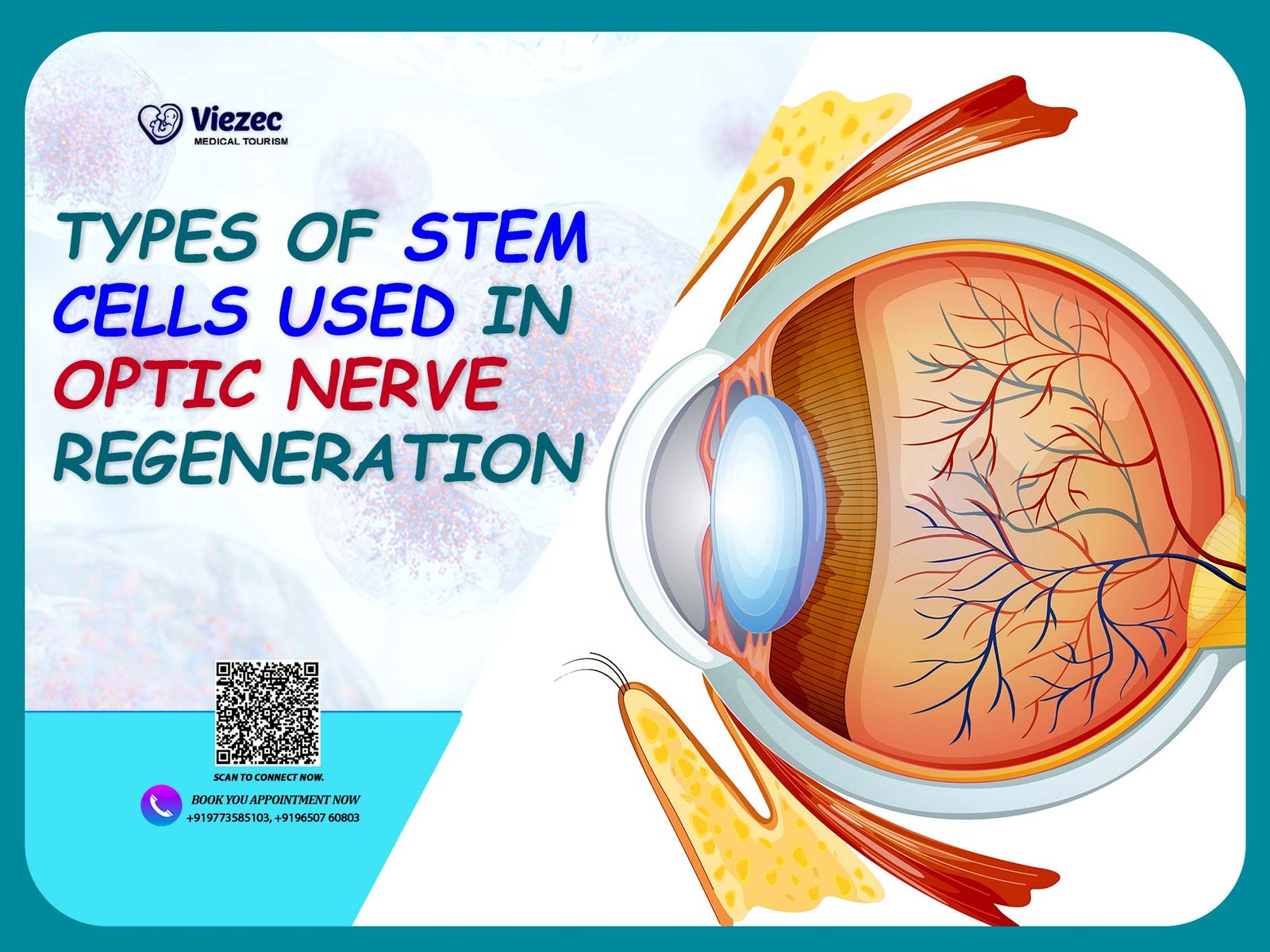
Optic nerve damage and vision disorders
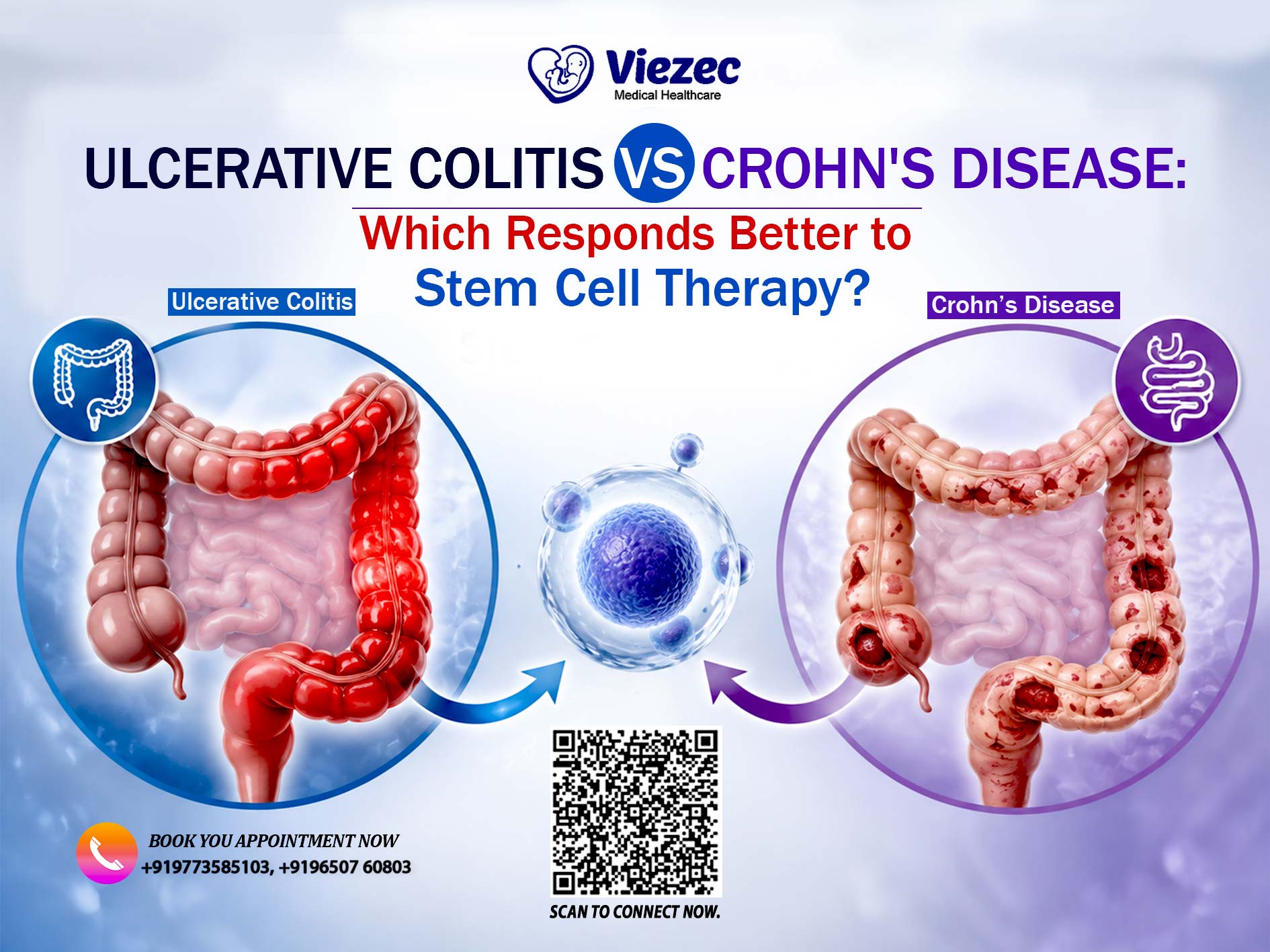
Autoimmune conditions
Chronic pain and inflammatory disorders
It is important to understand that stem cell therapy is not a guaranteed cure. Ethical clinics present it as a regenerative or supportive treatment, not a miracle solution.
International patients researching regenerative medicine options often compare providers across conditions and cities. For neuromuscular disorders specifically, see our dedicated guide to regenerative medicine treatment for muscular dystrophy in Delhi, which covers accreditation, delivery methods, and realistic outcomes.
Discover if Stem Cell Therapy Can Help You!
Book a Free Consultation with Our Experts at Viezec !
Popular Countries for Stem Cell Treatment
Several countries have emerged as leading destinations for stem cell therapy due to their regulatory environment, clinical expertise, and medical infrastructure.
India
India is becoming a trusted destination for regenerative medicine. It offers advanced hospitals, skilled specialists, and cost-effective treatment options. Many Indian centers follow internationally accepted ethical guidelines and provide comprehensive patient support.
Viezec, based in India, plays a key role in guiding international patients toward transparent, ethical, and medically appropriate stem cell treatment pathways.
Mexico
Mexico is popular among North American patients due to proximity and established regenerative clinics. Regulations allow clinical applications under physician oversight.
Thailand
Thailand combines advanced healthcare infrastructure with medical tourism experience. Many hospitals follow international accreditation standards.
Turkey
Turkey has invested heavily in medical tourism and regenerative medicine, attracting patients from Europe, the Middle East, and Asia.
Germany and Eastern Europe
Some European countries offer regulated stem cell therapies within specific clinical frameworks, though costs are often higher.
Understanding Stem Cell Types Used in Treatment
Before traveling, patients must understand what type of stem cells are being used.
Mesenchymal Stem Cells (MSCs)
The most commonly used stem cells in clinical therapy. They are derived from sources such as:
Bone marrow
Adipose tissue
Umbilical cord tissue
MSCs are known for their anti-inflammatory, immunomodulatory, and regenerative properties.
Autologous vs Allogeneic Stem Cells
Autologous stem cells come from the patient’s own body.
Allogeneic stem cells come from screened donors, often umbilical cord tissue.
Each approach has specific indications, benefits, and limitations depending on the condition being treated.
How to Choose the Right Stem Cell Clinic Abroad
Choosing the right clinic is the most critical decision in your treatment journey.
Medical Credentials and Experience
Verify the qualifications of doctors, researchers, and clinical staff. Experienced clinics should have documented treatment protocols and case experience.
Transparency in Communication
Ethical providers clearly explain:
What stem cell therapy can and cannot do
Possible risks and limitations
Expected outcomes without exaggerated claims
Avoid clinics that promise guaranteed cures.
Regulatory Compliance
The clinic should operate within the legal framework of its country and follow ethical medical standards.
Patient Reviews and Case Studies
Look for independent patient testimonials, treatment outcomes, and documented follow-ups.
Viezec help patients navigate this complex process by connecting them with credible treatment providers and ensuring transparent communication throughout the journey.
Start Your Regenerative Journey Today!
Contact Viezec for Personalized Stem Cell Therapy Plan
Safety and Risks of Stem Cell Treatment Abroad
Stem cell therapy is generally considered safe when performed by qualified professionals under sterile conditions. However, like any medical procedure, it carries potential risks.
Possible Risks Include
Infection
Immune reactions
Inflammation at injection sites
Temporary worsening of symptoms
Lack of response to treatment
Serious complications are rare but can occur if treatment is performed by unregulated or inexperienced providers.
Understanding safety protocols, laboratory standards, and post-treatment monitoring is essential before proceeding.
Legal and Ethical Considerations
Medical regulations vary widely across countries. What is legal in one nation may be restricted in another.
Patients must understand:
Whether the therapy is approved or offered under clinical practice
Consent and documentation requirements
Ethical sourcing of stem cells
Compliance with international medical standards
Responsible facilitators and clinics ensure ethical sourcing, patient consent, and regulatory transparency.
Cost of Stem Cell Treatment Abroad
Costs depend on several factors:
Type of stem cells used
Number of sessions required
Condition being treated
Hospital stay and rehabilitation
Travel and accommodation
On average, international stem cell treatment may cost significantly less than similar procedures in Western countries. However, the cheapest option is not always the safest.
A detailed cost breakdown and clarity on what is included in the treatment package are essential.
Travel Planning and Medical Preparation
Traveling abroad for medical treatment requires careful preparation.
Medical Records
Patients should carry:
Diagnostic reports
Imaging results
Blood tests
Treatment history
Pre-Treatment Evaluation
Many clinics conduct remote medical evaluations before confirming eligibility for stem cell therapy.
Visa and Travel Documents
Some countries offer medical visas. Planning travel timelines around treatment schedules is crucial.
What to Expect During Treatment
Stem cell therapy protocols vary by condition but typically include:
Initial medical assessment
Stem cell administration via IV infusion, injection, or localized delivery
Monitoring for immediate reactions
Short recovery period
Treatment duration may range from a few days to a couple of weeks depending on complexity.
Recovery and Post-Treatment Care
Recovery does not end when you return home.
Follow-Up Care
Reputable clinics provide follow-up guidance, progress monitoring, and recommendations for rehabilitation or supportive therapy.
Lifestyle and Rehabilitation
Patients may be advised on:
Physiotherapy
Nutrition
Activity modification
Medication adjustments
Recovery outcomes depend heavily on adherence to post-treatment recommendations.
Is Your Condition Eligible for Stem Cell Therapy?
Speak directly with our specialist.
Red Flags to Watch Out For
Patients should be cautious of clinics that:
Guarantee cures
Refuse to share doctor credentials
Do not explain risks
Avoid follow-up responsibility
Pressure patients into quick decisions
Stem cell therapy should always be approached as a medical treatment, not a commercial product.
Role of Medical Tourism Facilitators
Navigating international treatment alone can be overwhelming. Trusted facilitators assist with:
Clinic verification
Medical coordination
Travel planning
Language support
Post-treatment follow-up
Viezec supports patients by focusing on ethical guidance, patient education, and connecting individuals with suitable treatment options based on medical needs rather than marketing claims.
Is Traveling Abroad for Stem Cell Treatment Right for You?
Stem cell therapy abroad is not for everyone. It may be suitable if:
Conventional treatments have failed
You understand the experimental nature of therapy
You are medically stable for travel
You choose a reputable provider
Patients should always consult their local physician before making a final decision.
Frequently Asked Questions
Traveling abroad for stem cell treatment can be safe when patients choose licensed clinics that follow ethical guidelines, use properly screened stem cells, and employ experienced medical professionals. Safety depends heavily on clinic standards, doctor expertise, and transparent treatment protocols rather than the country alone.
The cost of stem cell treatment abroad varies based on the condition treated, type of stem cells used, number of sessions, and country. In many cases, international treatment is more affordable than in Western countries, but patients should always request a detailed cost breakdown before proceeding.
Popular countries for stem cell treatment include India, Mexico, Thailand, Turkey, and select European nations. The best country depends on the specific medical condition, regulatory framework, clinic experience, and overall patient support rather than location alone.
Potential risks include infection, inflammation, immune reactions, lack of treatment response, or temporary symptom changes. These risks are generally low when therapy is performed at reputable centers, but patients should avoid clinics that guarantee cures or fail to explain possible complications.
Patients should look for clinics with qualified doctors, transparent communication, ethical stem cell sourcing, clear consent processes, and structured follow-up care. Working with trusted medical facilitators like Viezec can help patients make informed decisions and avoid unreliable providers.
Final Thoughts
Traveling abroad for stem cell treatment is a life-changing decision that requires careful research, realistic expectations, and ethical medical guidance.
When done responsibly, international stem cell therapy can offer hope, improved quality of life, and access to advanced regenerative care. However, success depends on choosing the right clinic, understanding risks, and committing to proper follow-up care.
Viezec help simplify this journey by prioritizing patient safety, transparency, and informed decision-making. With the right preparation and medical support, patients can explore stem cell treatment abroad with confidence and clarity.
List of References
The Rise of Stem Cell Tourism: Evaluating the Top Countries for Medical Travel
https://www.medicaltourism.com/articles/the-rise-of-stem-cell-tourism-evaluating-the-top-countries-for-medical-travel
Ethical, Legal, and Social Implications of Stem Cell Tourism
https://www.medicaltourism.com/articles/ethical-legal-and-social-implications-of-stem-cell-tourism
Stem Cell Tourism: Weighing the Risks and Benefits
https://www.medicaltourism.com/articles/stem-cell-tourism-weighing-the-risks-and-benefits
Stem Cell Tourism: 10 Destinations for Cutting-Edge Treatment
https://www.magazine.medicaltourism.com/article/stem-cell-tourism-10-destinations-for-cutting-edge-treatment
Stem-Cell Tourism and Scientific Responsibility (NIH / PMC)
https://pmc.ncbi.nlm.nih.gov/articles/PMC3185342/