
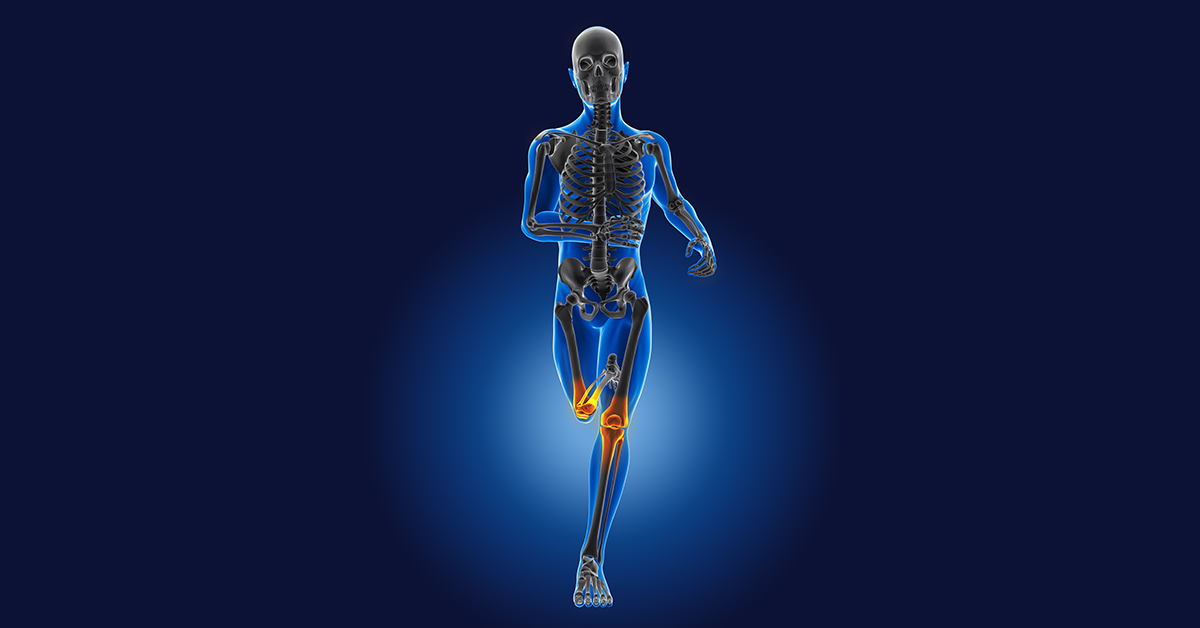
Avascular necrosis (AVN) is a medical condition that occurs when there is a loss of blood flow to a bone, leading to the death of bone tissue. This disruption of blood supply can cause the bone to weaken, leading to fractures or the collapse of the affected bone. AVN most commonly affects the hip, but it can also involve other joints such as the knee, shoulder, and ankle.
As the condition progresses, the affected bone may deteriorate, and the joint can lose its normal function. Over time, if not addressed, AVN can lead to significant pain and disability, often making movement difficult. The condition tends to affect individuals in their 30s to 50s, although it can occur in people of any age.
When left untreated, AVN can progress to joint deformity, impacting the quality of life for those affected. Managing the disease often involves careful monitoring and may require lifestyle adjustments to limit the stress on the affected joints. Patients with AVN may experience fluctuating symptoms as the condition progresses, requiring ongoing evaluation to manage the functional limitations associated with the disease.
Avascular necrosis (AVN), also known as osteonecrosis, occurs when there is a loss of blood supply to the bone, leading to bone death and potential joint collapse. Several causes contribute to AVN:
- Trauma or Injury: Fractures or dislocations can damage blood vessels, impairing the flow of blood to the affected bone. This can occur in the hip, knee, shoulder, or other bones.
- Long-term Steroid Use: Corticosteroids, often used to treat conditions like asthma, arthritis, or autoimmune disorders, can interfere with the blood supply to bones. This is particularly common in the hip joint.
- Excessive Alcohol Consumption: Chronic alcohol use can interfere with fat metabolism, leading to fat deposits in the blood vessels, which may reduce blood flow to bones, especially in the hip.
- Medical Conditions: Diseases such as sickle cell anemia, lupus, or HIV can reduce blood flow to bones. Conditions like diabetes and high cholesterol also increase the risk of AVN.
- Blood Clots and Blockages: Clots or blockages in the blood vessels can disrupt circulation to bones, leading to necrosis. This can be related to surgery or other underlying medical issues.
- Radiation Therapy: Radiation treatment, particularly when applied near bone areas, can damage blood vessels, which may result in reduced blood flow to bones and the development of AVN.
- Other Factors: Genetic predisposition, obesity, and long-term use of certain medications can also increase the likelihood of developing avascular necrosis.
If left untreated, AVN can lead to severe joint damage, pain, and disability, often requiring surgery such as a joint replacement.
Avascular necrosis (AVN), also known as osteonecrosis, is a condition that occurs when blood flow to a bone is disrupted, leading to the death of bone tissue. Over time, this can result in the bone weakening and breaking. The symptoms of AVN may vary depending on the stage of the condition, the affected bone, and its severity. Here are the common symptoms:
- Joint Pain: One of the primary symptoms of AVN is pain in the affected joint. Initially, the pain may be mild and intermittent but gradually becomes more intense and constant as the disease progresses. The pain often worsens with activity or weight-bearing movements and may improve with rest.
- Limited Range of Motion: As the bone tissue deteriorates, the affected joint may lose its ability to move freely. This limited range of motion is a result of pain, stiffness, and joint damage.
- Swelling: The joint may appear swollen, particularly in the later stages of the condition. This swelling can occur due to inflammation caused by the dying bone tissue and its effect on surrounding tissues.
- Tenderness: The affected area, especially around the joint, may feel tender to the touch. This tenderness is often associated with increased pain when pressure is applied to the area.
- Limping: In cases where AVN affects the hips or knees, individuals may develop a noticeable limp due to pain and reduced mobility in the joint.
- Progressive Difficulty Walking: As the condition progresses, the ability to walk or bear weight on the affected limb may become increasingly difficult. This is due to joint pain, stiffness, and potential structural damage to the bone.
- Bone Fractures: In advanced stages of AVN, the weakened bone may break more easily, even with minimal trauma. This can lead to additional symptoms like sudden, severe pain and the inability to use the affected joint.
It’s important to note that the symptoms of AVN can develop gradually and may not be noticeable until the condition reaches an advanced stage. Early diagnosis and treatment are crucial to prevent further bone damage and preserve joint function. If you experience persistent pain, stiffness, or swelling in a joint, it is important to seek medical advice for proper evaluation and treatment.
Avascular necrosis (AVN), also known as osteonecrosis, is a condition where bone tissue dies due to a lack of blood supply. Early diagnosis is crucial for effective treatment and to prevent further joint damage. Here’s a detailed overview of how AVN is diagnosed:
1. Medical History
A thorough medical history is the first step in diagnosing avascular necrosis. Doctors will inquire about any risk factors, such as:
- Previous trauma or fractures
- Use of corticosteroids or alcohol consumption
- Conditions like lupus or sickle cell anemia
- Family history of AVN
2. Physical Examination
During a physical exam, a doctor assesses the affected joint for signs of AVN, such as:
- Pain or tenderness
- Limited range of motion
- Swelling or instability
3. Imaging Tests
Imaging plays a key role in diagnosing AVN. Common tests include:
- X-rays: Early stages of AVN may not show up on X-rays, but as the condition progresses, the bone may appear collapsed or show signs of joint space narrowing.
- MRI (Magnetic Resonance Imaging): MRI is the most sensitive method for detecting early AVN, even before changes are visible on X-rays. It reveals the extent of bone damage and the condition of surrounding tissues.
- CT Scan: In cases where MRI isn’t available or isn’t suitable, a CT scan can provide detailed images of the bones.
- Bone Scintigraphy (Bone Scan): This test involves injecting a small amount of radioactive material into the bloodstream, which accumulates in areas of abnormal bone activity, helping identify affected bones.
4. Blood Tests
While there is no specific blood test to diagnose AVN, blood tests may be conducted to rule out other conditions that can contribute to bone damage, such as:
- Infections
- Autoimmune disorders
- Blood clotting disorders
5. Arthroscopy
In some cases, doctors may recommend an arthroscopy. This minimally invasive procedure involves inserting a small camera into the joint to visually assess the extent of bone damage and tissue health.
6. Bone Biopsy
A bone biopsy is a rare diagnostic tool used when doctors need to confirm the diagnosis, especially if other tests are inconclusive. A sample of bone tissue is removed and examined under a microscope for signs of necrosis.
Diagnosing avascular necrosis early is essential for effective treatment. A combination of medical history, physical examination, imaging tests (especially MRI), and sometimes blood tests or more invasive procedures, helps ensure the correct diagnosis and an appropriate treatment plan.
Avascular necrosis (AVN), also known as osteonecrosis, is a condition where the blood supply to a bone is disrupted, leading to the death of bone tissue. This can result in bone collapse, joint pain, and eventually arthritis. AVN commonly affects the hip, but it can also impact other joints like the knee, shoulder, and ankle.
Stem cell therapy has emerged as a promising treatment for AVN, particularly in its early stages. The procedure involves injecting stem cells into the affected bone to promote healing and regeneration. Stem cells have the unique ability to differentiate into various cell types, including bone and cartilage cells, helping to repair damaged tissue and restore function.
There are two main sources of stem cells used in treating AVN:
- Bone Marrow-Derived Stem Cells (BMSCs): Bone marrow contains mesenchymal stem cells that can be extracted and injected into the affected area. These cells are believed to stimulate the repair of the bone and surrounding tissue, potentially slowing or halting the progression of AVN.
- Adipose-Derived Stem Cells: Fat tissue is another rich source of stem cells. These cells can also differentiate into bone and cartilage, helping to regenerate the damaged areas.
Benefits of Stem Cell Treatment for AVN:
- Pain Reduction: Stem cells can stimulate tissue repair, leading to a reduction in pain caused by bone damage.
- Improved Mobility: By promoting healing, stem cells can improve joint function and restore mobility.
- Minimally Invasive: Unlike traditional surgeries, stem cell injections are relatively non-invasive, allowing for quicker recovery and fewer complications.
While stem cell therapy for AVN holds great promise, it is important to consult with a healthcare provider to determine if this treatment is appropriate for your condition.
Stem cell implantation for avascular necrosis (AVN) is an emerging treatment option in India for this debilitating condition. Avascular necrosis, also known as osteonecrosis, occurs when there is a disruption in blood supply to the bone, leading to its degeneration and eventual collapse. This can result in joint pain, limited mobility, and, in severe cases, the need for joint replacement surgery.
What Is Stem Cell Therapy for AVN?
Stem cell therapy for AVN involves injecting stem cells into the affected area of the bone. The idea is to promote regeneration of the bone tissue and stimulate the growth of new blood vessels, improving blood supply to the bone. The stem cells are typically harvested from the patient’s own body (autologous stem cells), often from sources like bone marrow or adipose (fat) tissue.
Process of Stem Cell Implantation
- Consultation and Diagnosis: The first step is a thorough examination by an orthopedic specialist to assess the severity of the AVN. Imaging techniques such as MRI or X-rays are used to evaluate the extent of bone damage.
- Stem Cell Harvesting: In most cases, stem cells are collected from the patient’s bone marrow or adipose tissue. Bone marrow is typically extracted from the iliac crest (pelvic bone), and fat tissue is taken from areas like the abdomen or thighs.
- Processing of Stem Cells: The harvested tissue is processed in a laboratory to extract and concentrate the stem cells. This process ensures that the cells are suitable for implantation and that the maximum number of viable stem cells is available.
- Injection into the Affected Bone: After the stem cells are processed, they are injected directly into the damaged area of the bone. This can be done using a fine needle under guidance from imaging techniques like fluoroscopy to ensure accurate placement.
- Recovery and Monitoring: After the procedure, the patient may need to rest the joint for a short period to allow the stem cells to begin their work. Follow-up appointments are necessary to monitor progress and check for improvements in bone healing and blood flow.
Benefits of Stem Cell Therapy for AVN
- Regeneration of Bone Tissue: Stem cells can differentiate into bone-forming cells, helping repair damaged bone and restore its structure.
- Restoration of Blood Supply: The therapy may encourage the formation of new blood vessels (angiogenesis), which can help restore blood flow to the affected bone, slowing down or reversing the damage caused by AVN.
- Minimally Invasive: Stem cell implantation is less invasive than traditional surgery, reducing recovery time and minimizing the risk of complications.
- Delay or Avoidance of Joint Replacement: For many patients with early or moderate AVN, stem cell therapy can help delay the need for hip or knee replacement surgery.
Availability and Cost in India
India has become a popular destination for stem cell therapy due to the availability of world-class medical facilities and experienced specialists at a fraction of the cost compared to Western countries. The cost of stem cell implantation for AVN in India depending on the complexity of the case, the clinic’s reputation, and the type of stem cells used.
Stem cell implantation for avascular necrosis is a promising, less invasive alternative to joint replacement surgery, especially for patients with early or moderate stages of AVN. India offers affordable and high-quality options for stem cell therapy, making it an attractive destination for patients seeking effective treatment.
Avascular Necrosis (AVN), also known as osteonecrosis, occurs when blood flow to a bone is disrupted, leading to bone cell death and potential joint collapse. Stem cell therapy is emerging as a potential treatment for AVN, aiming to repair damaged tissues and promote bone regeneration. Here’s a breakdown of the mechanism of action of stem cells in AVN:
- Cellular Regeneration: Stem cells, particularly mesenchymal stem cells (MSCs), are introduced into the affected bone or joint. These cells can differentiate into bone-forming cells (osteoblasts) and cartilage-producing cells (chondrocytes). By regenerating the damaged bone tissue, stem cells help restore the structural integrity of the bone and joint.
- Angiogenesis: One of the key factors in AVN is the loss of blood supply to the bone. Stem cells have the ability to promote angiogenesis—the formation of new blood vessels. This helps to restore blood flow to the affected bone, supporting the healing process and preventing further damage.
- Reduction of Inflammation: Stem cells can release bioactive molecules like cytokines and growth factors that reduce inflammation within the affected area. This helps to minimize further tissue destruction and create an environment conducive to healing and regeneration.
- Stimulation of Bone Remodeling: Stem cells also secrete various growth factors, such as bone morphogenetic proteins (BMPs), which stimulate the natural process of bone remodeling. This enhances the repair of necrotic bone tissue and promotes the formation of healthy bone.
- Differentiation into Osteoblasts: Once injected into the area of necrosis, stem cells can differentiate into osteoblasts. These are specialized cells responsible for bone formation. Osteoblasts lay down new bone matrix, which can help regenerate the necrotic tissue.
- Reduction of Fibrosis: In cases of AVN, fibrotic tissue can develop, preventing proper bone healing. Stem cells help to reduce fibrosis and improve the quality of the regenerated bone tissue.
- Pain Reduction: Stem cells may also help reduce the pain associated with AVN by promoting tissue repair and reducing inflammation in the affected area. This can improve joint function and mobility for patients.
Stem cell therapy for AVN works through multiple mechanisms, including cellular regeneration, angiogenesis, inflammation reduction, bone remodeling, osteoblast differentiation, and fibrosis reduction. By addressing the root causes of AVN, stem cells have the potential to slow disease progression, promote healing, and improve joint function, offering hope for patients who may otherwise face joint replacement.
Avascular Necrosis (AVN) is a condition where the blood supply to a bone is disrupted, leading to the death of bone tissue and eventual joint collapse. Stem cell therapy has emerged as a promising treatment option for AVN, offering potential improvements that may reduce pain and enhance mobility. Here are the key benefits observed after stem cell treatment for Avascular Necrosis:
1. Pain Reduction
Stem cell therapy has been shown to significantly reduce pain in patients with AVN. By promoting tissue repair and regeneration, stem cells can help alleviate the discomfort caused by the death of bone tissue. Many patients experience reduced dependence on pain medications after undergoing treatment.
2. Bone Regeneration
Stem cells have the ability to differentiate into bone-forming cells, promoting the repair of damaged bone tissue in the affected area. This can lead to improved bone density and strength, preventing further deterioration of the joint and enhancing overall function.
3. Enhanced Joint Function
As the stem cells promote healing and restore bone structure, patients often experience improved joint function. This includes better range of motion and reduced stiffness, which are common symptoms of AVN. As a result, daily activities may become easier and more comfortable.
4. Delaying or Avoiding Surgery
One of the significant improvements observed is the potential to delay or even avoid joint replacement surgery. By restoring bone health and reducing the need for surgical intervention, stem cell therapy provides a non-invasive option for patients with AVN, offering a better long-term prognosis.
5. Improved Quality of Life
Many patients report an improved overall quality of life following stem cell treatment. With reduced pain, restored mobility, and a better functioning joint, patients are able to return to their normal activities and enjoy a more active lifestyle.
6. Minimal Side Effects
Unlike traditional treatments, stem cell therapy typically involves minimal side effects. Since the stem cells are harvested from the patient’s own body, the risk of immune rejection is low, making it a safer alternative to more invasive treatments.
7. Long-Term Benefits
The regenerative effects of stem cell therapy are often long-lasting, providing relief for months or even years. Regular follow-up assessments can ensure that the healing process continues, and any necessary adjustments to treatment can be made.
Stem cell therapy offers a promising alternative to traditional treatments for Avascular Necrosis. Improvements such as pain reduction, bone regeneration, and enhanced joint function can help patients manage the condition effectively and improve their overall well-being.
Viezec Healthcare emphasizes the transformative potential of stem cell therapy, offering innovative solutions for conditions that previously relied on traditional methods like surgery. Their approach harnesses stem cells’ regenerative properties to promote natural healing and tissue repair. For instance, stem cells derived from bone marrow or adipose tissue are used to treat degenerative joint diseases, such as osteoarthritis, helping to regenerate cartilage and reduce inflammation.
Additionally, Viezec employs advanced techniques, such as direct injections and scaffold-based systems, to ensure precise delivery to affected areas. By focusing on minimally invasive methods, they aim to minimize recovery times and enhance patient outcomes.
Follow-up care after stem cell treatment for Avascular Necrosis (AVN) is crucial for ensuring the best possible outcomes and monitoring progress. Avascular Necrosis is a condition where bone tissue dies due to a lack of blood supply, often leading to joint collapse and pain. Stem cell therapy can help regenerate damaged tissues and restore blood flow.
Here are some important aspects of follow-up care after stem cell treatment for AVN:
1. Initial Post-Treatment Monitoring
Right after the procedure, your healthcare provider will monitor you closely for any adverse reactions or side effects. You may experience mild discomfort at the injection site or in the affected joint. Pain management is key during this phase, and you may be prescribed medications to alleviate discomfort.
2. Regular Imaging and X-rays
Follow-up imaging, such as X-rays or MRIs, is often necessary to evaluate the progress of healing. These tests will help your doctor assess the condition of the affected bone and joint, monitor stem cell activity, and identify any potential complications like infection or worsening of AVN.
3. Physical Therapy and Rehabilitation
Depending on the severity of the AVN and the area treated, your doctor may recommend physical therapy. Rehab exercises can help restore mobility, strengthen surrounding muscles, and improve joint function. Starting therapy shortly after the procedure can promote healing and prevent further joint damage.
4. Progress Check-ups
You will likely have follow-up appointments at regular intervals, ranging from a few weeks to several months after treatment. These check-ups will allow your doctor to assess your recovery, adjust your treatment plan if necessary, and track improvements in pain, range of motion, and quality of life.
5. Symptom Management
If symptoms persist or worsen after treatment, you may be advised to modify your activity levels. Overuse of the joint may hinder healing, so it is essential to rest and avoid activities that could put excessive strain on the affected area. Your doctor may recommend bracing or assistive devices to reduce pressure on the joint.
6. Long-Term Monitoring
Even after the initial follow-up period, long-term monitoring may be necessary. AVN can be a progressive condition, so it is important to continue periodic evaluations to track the success of stem cell therapy and the overall health of the joint. Your doctor may suggest ongoing imaging every 6 to 12 months to ensure optimal recovery.
7. Diet and Lifestyle Considerations
During the follow-up period, you may be advised to make certain lifestyle changes. This could include adopting a healthy diet rich in nutrients that support bone health, such as calcium and vitamin D. Avoiding smoking and reducing alcohol intake can also improve healing outcomes.
By closely following these steps and maintaining consistent communication with your healthcare provider, you can maximize the benefits of stem cell therapy for AVN and improve the likelihood of long-term joint preservation.
1. What is Avascular Necrosis (AVN)?
Avascular Necrosis (AVN) is a condition where the blood supply to a bone is disrupted, leading to bone death. This often affects joints like the hip and shoulder, causing pain, stiffness, and, in severe cases, joint collapse.
2. How does stem cell treatment help in Avascular Necrosis?
Stem cell therapy promotes healing by stimulating tissue regeneration and improving blood flow to the affected area. Stem cells can develop into bone, cartilage, or other tissues, potentially repairing damaged bones and restoring joint function.
3. What types of stem cells are used to treat AVN?
Mesenchymal stem cells (MSCs) are commonly used to treat AVN. These cells are found in bone marrow, fat tissue, or umbilical cord blood and can differentiate into various tissues, including bone and cartilage.
4. Is stem cell treatment for AVN safe?
Stem cell treatments for AVN have shown promising results in many studies, but like any medical procedure, risks exist. These may include infection, tissue rejection, or complications from the injection. It’s important to consult with a qualified physician before proceeding.
5. What is the process of stem cell therapy for AVN?
Stem cells are typically harvested from the patient’s own bone marrow or fat tissue. The cells are then concentrated and injected into the affected joint under local anesthesia. The procedure is minimally invasive and can be done on an outpatient basis.
6. How long does it take to see results from stem cell therapy for AVN?
Results can vary, but patients often begin to see improvements in pain and mobility within 3-6 months after treatment. Some may take longer, and multiple treatments might be necessary depending on the severity of the AVN.
7. What are the benefits of stem cell treatment for AVN compared to surgery?
Stem cell therapy is a less invasive option compared to joint replacement surgery. It can promote natural healing, preserve the joint, and reduce the need for long-term medication or more invasive surgeries.
8. Are stem cell treatments for AVN covered by insurance?
Currently, stem cell treatments are often considered experimental by many insurance companies, so they may not be covered. It’s important to check with your insurance provider beforehand to determine if any part of the treatment will be reimbursed.
9. Can stem cell therapy cure Avascular Necrosis?
While stem cell therapy can significantly improve symptoms and slow the progression of AVN, it may not fully reverse the condition in all cases. For severe AVN, stem cell therapy may be part of a broader treatment plan, which could include medications or surgery.
Stem cell therapy for Avascular Necrosis (AVN), also known as osteonecrosis, has shown promising results in treating the condition, particularly in the early stages. AVN occurs when the blood supply to the bone is disrupted, leading to bone cell death and potential joint collapse. While traditional treatments like joint replacement surgery or medications may provide relief, stem cell therapy is gaining attention as a potential regenerative treatment that could offer significant benefits without invasive surgery.
How Stem Cell Therapy Works for AVN
Stem cells have the unique ability to regenerate and repair damaged tissues. In the case of AVN, stem cells are typically harvested from the patient’s bone marrow or adipose (fat) tissue. These cells are then processed and injected into the affected joint. The goal is for the stem cells to differentiate into bone and cartilage cells, repair the damaged bone, and restore blood flow to the area.
Initial Treatment Results
In the short term, many patients experience a reduction in pain and inflammation after stem cell therapy. This can be attributed to the healing properties of the stem cells, which promote tissue regeneration and improve joint function. Pain reduction is often one of the most immediate and noticeable results following the procedure.
Medium to Long-Term Results
Over a longer period, studies have indicated that stem cell therapy for AVN may help in slowing down or even reversing the progression of bone damage. The stem cells work by encouraging the growth of new blood vessels (angiogenesis) and promoting the repair of the affected bone tissue. This can potentially prevent the need for more invasive procedures, such as joint replacement, and improve overall joint mobility.
Patients who undergo stem cell therapy for AVN often report improved range of motion, enhanced quality of life, and the ability to resume normal activities. These improvements are generally gradual and may take several months to manifest fully.
Success Rates
While early studies and clinical trials have shown favorable outcomes, the success rates of stem cell therapy for AVN vary based on factors such as the stage of the disease, the location and extent of bone damage, and the patient’s overall health. Research suggests that stem cell therapy is most effective when used in the early stages of AVN, before significant bone collapse has occurred. In these cases, stem cell therapy has shown to be successful in halting the progression of the disease and promoting the regeneration of the affected bone tissue.
Stem cell therapy for Avascular Necrosis offers a potentially groundbreaking treatment for those suffering from this debilitating condition. While results vary, early and medium-term outcomes have been encouraging, with many patients experiencing pain relief, improved joint function, and slowed disease progression. With ongoing research and refinement, stem cell therapy could become a leading non-surgical option for managing AVN and preserving joint health.
Quality control in stem cell therapy for Avascular Necrosis (AVN) at Viezec is a critical process aimed at ensuring the safety, efficacy, and consistency of treatments. Viezec, known for its expertise in regenerative medicine, follows rigorous quality control protocols to maximize the benefits of stem cell therapy in treating AVN, a condition where bone tissue dies due to lack of blood supply. The following key elements are involved in their quality control procedures:
1. Stem Cell Sourcing and Isolation
The first step in quality control is ensuring the stem cells used are of the highest quality. Viezec follows strict protocols for sourcing stem cells, primarily using autologous stem cells (from the patient’s own body) to minimize the risk of rejection. These stem cells are carefully isolated from tissues such as bone marrow or adipose tissue. The isolation process is carried out under sterile conditions to prevent contamination. Only stem cells that meet predefined purity criteria are selected for treatment, ensuring that they have the regenerative potential needed to promote healing in AVN-affected areas.
2. Cell Culturing and Expansion
Once isolated, the stem cells undergo culturing and expansion. This process involves growing the cells in controlled laboratory conditions to increase their number. Viezec utilizes state-of-the-art bioreactors and incubators to ensure the cells remain viable and maintain their potency throughout the expansion process. Quality control measures include monitoring the temperature, humidity, oxygen levels, and pH to mimic the conditions required for optimal cell growth. Regular testing is performed to verify the cells’ functionality and ensure they retain their regenerative properties.
3. Sterility and Contamination Prevention
Preventing contamination is a major aspect of quality control. Viezec employs strict sterilization techniques at every stage of the process. This includes using sterile equipment, clean rooms, and implementing good manufacturing practices (GMP) standards. All staff involved in the stem cell therapy process undergo regular training on maintaining a sterile environment to reduce any risk of infection. Additionally, the stem cells are tested for any microbial contamination, such as bacteria, fungi, or viruses, before they are administered to patients.
4. Characterization of Stem Cells
To ensure that the stem cells are suitable for AVN therapy, Viezec uses advanced technologies for cell characterization. This includes checking for specific markers that confirm the cells’ ability to differentiate into the types of tissue necessary for healing AVN, such as osteoblasts (bone-forming cells). Quality control testing also evaluates the stem cells’ potency and ability to proliferate, which is crucial for their regenerative potential. The cells undergo genetic and phenotypic analyses to confirm their identity and function before being used in treatment.
5. Patient Safety and Monitoring
Before administering stem cell therapy, Viezec conducts thorough assessments of patients to ensure they are suitable candidates for treatment. This includes evaluating the severity of their AVN, overall health, and any contraindications to stem cell therapy. Throughout the process, patients are closely monitored for any adverse reactions or complications. After the therapy, regular follow-up visits ensure the stem cells are effectively promoting bone healing, and patients’ progress is tracked through imaging tests and physical evaluations.
6. Regulatory Compliance
Viezec adheres to international and local regulatory standards for stem cell therapy. This includes following ethical guidelines and ensuring all treatments are compliant with medical regulations in the respective country. The clinic works closely with regulatory authorities to ensure that stem cell therapy for AVN meets the highest safety standards and is conducted according to the latest scientific research.
7. Post-Treatment Follow-Up and Data Collection
To assess the long-term effectiveness of the stem cell treatment for AVN, Viezec conducts comprehensive post-treatment monitoring. This involves regular imaging tests, such as MRI scans, to evaluate bone regeneration and ensure the success of the therapy. Detailed data is collected on patient outcomes, which helps improve the protocol for future treatments and contributes to ongoing research in the field of regenerative medicine.
By implementing these quality control measures, Viezec ensures that patients receive the best possible care, optimizing the chances of successful treatment for Avascular Necrosis using stem cell therapy.
Ahead of undergoing this process; a patient needs to understands that stem cell therapy is an experimental therapy that might not work at certain times. At the time of procedure, a patient might be refused the treatment or the proposed protocol might change depending on the patient’s health condition.
At Viezec, our main motive is to give the best technology and safety available; of which has been proven across the globe.
As with any medical treatment, there are no guarantees or claims of cures are made as to the extent of the response to treatment. Every patient has different internal status of body; hence results vary from patient to patient, even with a similar diagnosis. This means that we cannot offer, infer or suggest that there is any certainty of a given outcome. For our any treatment we do not use embryonic or fetal cells.