
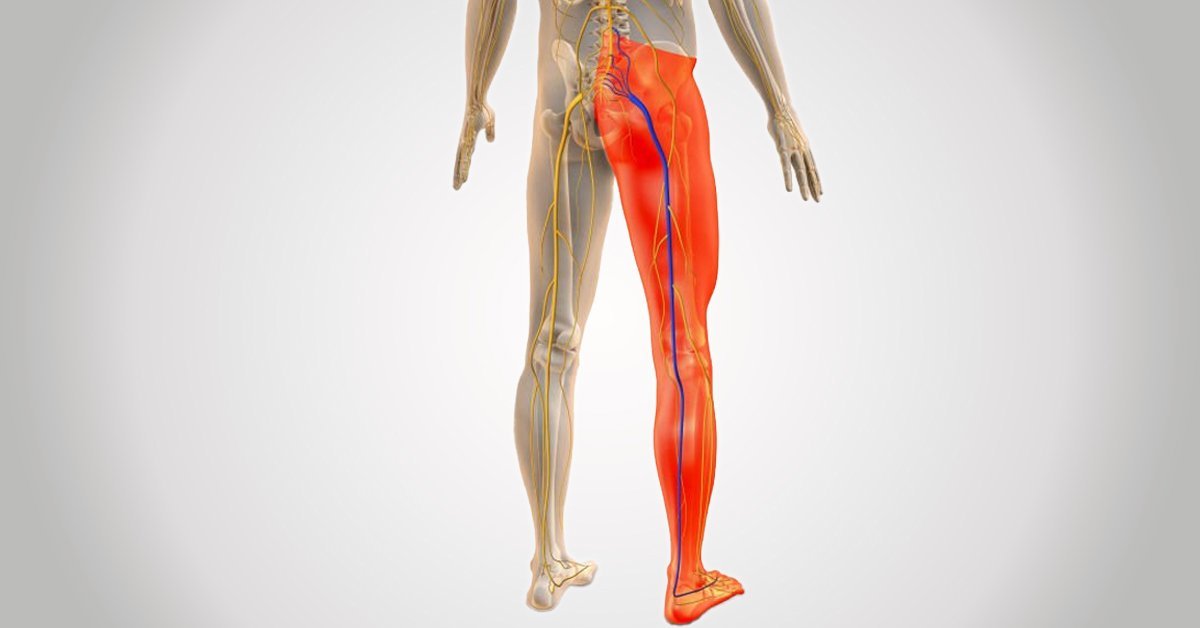
A sciatic nerve injury can occur when the nerve, which runs from the lower back down to the legs, experiences compression or damage. This can lead to a variety of challenges in movement, function, and comfort. The sciatic nerve plays a key role in allowing leg and foot movement, so when it is affected, it can impact daily activities such as walking, sitting, or even standing. In some cases, individuals may experience pain, tingling, or weakness that can make these activities difficult. The condition can range from mild discomfort to more severe limitations, depending on the extent of the nerve involvement. Rest and gentle movement are often important in managing the effects of a sciatic nerve injury, and in many cases, individuals find relief over time. However, seeking professional guidance is typically recommended to ensure appropriate care and support.
Sciatic nerve injury occurs when the sciatic nerve, the largest nerve in the body, is damaged or compressed. This nerve extends from the lower back, through the hips and buttocks, and down each leg. Sciatic nerve injury can cause pain, numbness, tingling, and weakness in the lower back, legs, and feet. There are several potential causes of sciatic nerve injury, and understanding them can help in preventing or treating the condition effectively.
1. Herniated Disc
A common cause of sciatic nerve injury is a herniated disc, also known as a slipped or ruptured disc. The discs act as cushions between the vertebrae in the spine. When a disc herniates, its soft inner material pushes through the tough outer layer, potentially pressing on the sciatic nerve. This pressure can cause inflammation and pain, which radiates down the leg. A herniated disc is often a result of age-related wear and tear, but it can also be caused by sudden trauma or repetitive strain.
2. Spinal Stenosis
Spinal stenosis refers to the narrowing of the spinal canal, which can put pressure on the nerves, including the sciatic nerve. As the space between the vertebrae decreases, it can compress the nerve roots that lead to the sciatic nerve. Spinal stenosis typically occurs in the lower back (lumbar spine) and is often associated with aging, degenerative disc disease, or arthritis. Symptoms include pain, numbness, and weakness in the legs.
3. Piriformis Syndrome
The piriformis muscle is located in the buttocks and helps with the rotation and movement of the hip. In some cases, the piriformis muscle can become tight or inflamed, which may lead to compression of the sciatic nerve. This condition is called piriformis syndrome. Activities that involve prolonged sitting, intense physical activity, or sudden movements can trigger inflammation in the piriformis muscle, leading to sciatic nerve pain. Piriformis syndrome can be mistaken for a herniated disc, but it specifically affects the muscle rather than the spine.
4. Trauma or Injury
Direct trauma to the lower back or pelvis, such as from a car accident, fall, or sports injury, can lead to damage or irritation of the sciatic nerve. Fractures, dislocations, or contusions in the pelvic area can cause pressure on the nerve or even sever it, leading to severe pain, weakness, or loss of sensation in the leg. In some cases, surgery may be required to repair the nerve or surrounding structures.
5. Degenerative Disc Disease
Degenerative disc disease is a condition where the intervertebral discs of the spine lose their hydration and elasticity over time. As the discs lose height and become less flexible, they can begin to compress nearby spinal nerves, including the sciatic nerve. This condition is often associated with aging and wear and tear but can be aggravated by factors such as poor posture, obesity, and a sedentary lifestyle.
6. Spondylolisthesis
Spondylolisthesis occurs when one vertebra slips forward over the one below it, which can pinch or compress the sciatic nerve. This displacement can result from age-related degenerative changes in the spine or due to an injury or congenital defect. The condition can cause lower back pain, leg pain, and discomfort when standing or walking for long periods.
7. Tumors or Abnormal Growths
In rare cases, tumors or abnormal growths can form along the spine or in the pelvic area, putting pressure on the sciatic nerve. These growths may be benign or cancerous, and they can lead to sciatic pain if they interfere with nerve function. Tumors pressing on the sciatic nerve can cause severe pain, weakness, and numbness in the lower limbs, necessitating medical intervention.
8. Infections or Inflammation
Infections or inflammatory conditions can also lead to sciatic nerve injury. Conditions like osteomyelitis (infection of the bone) or abscesses in the spinal area can cause swelling and pressure on the nerve. Inflammation due to conditions like rheumatoid arthritis or ankylosing spondylitis may also affect the nerves in the spine, leading to sciatic pain.
9. Diabetes
People with diabetes are at a higher risk for nerve damage due to a condition known as diabetic neuropathy. Over time, high blood sugar levels can damage the nerve fibers, including those of the sciatic nerve. This damage can result in pain, tingling, or numbness in the legs, particularly in the lower back and buttocks.
10. Poor Posture and Lifestyle Factors
Sitting for long periods, poor posture, or improper lifting techniques can contribute to sciatic nerve injury. Over time, these habits can lead to imbalances and misalignments in the spine, which can compress the sciatic nerve. Additionally, a lack of regular exercise or stretching can cause muscles in the back and legs to weaken, further contributing to nerve pressure. Maintaining good posture, staying active, and using proper body mechanics can help prevent sciatic nerve injury.
11. Pregnancy
During pregnancy, the growing uterus can put pressure on the sciatic nerve, particularly in the third trimester. This condition, sometimes referred to as pregnancy-related sciatica, can cause pain and discomfort in the lower back and legs. Hormonal changes that relax the ligaments and joints in the pelvis can also contribute to nerve compression.
12. Obesity
Excess body weight can place additional strain on the spine and back muscles, contributing to pressure on the sciatic nerve. Obesity can lead to degenerative changes in the spine, such as disc herniation or spinal stenosis, which can increase the risk of sciatic nerve injury. Weight management through diet and exercise can reduce the risk of developing sciatic nerve pain.
Sciatic nerve injury, often referred to as sciatica, can lead to a variety of symptoms that vary in intensity and duration. The sciatic nerve is the largest nerve in the body, running from the lower back, through the hips and buttocks, and down each leg. When this nerve is injured, it can result in pain, numbness, and other issues along its path. Here are the detailed symptoms of sciatic nerve injury:
1. Pain Along the Sciatic Nerve Pathway
The most common symptom of sciatic nerve injury is pain that travels along the sciatic nerve, from the lower back or buttocks, down the leg, and sometimes reaching the foot. This pain can range from mild to severe and is typically described as sharp, burning, or shooting. The pain often worsens with certain movements, such as sitting, standing up, or bending over.
2. Numbness and Tingling Sensations
Another symptom of sciatic nerve injury is numbness or a “pins and needles” sensation in the affected leg or foot. This is caused by the disruption in the nerve’s ability to transmit sensory signals. It may start in the lower back or buttock and travel down to the foot, affecting one side of the body.
3. Muscle Weakness
Sciatica can cause weakness in the muscles of the affected leg. This weakness may make it difficult to move or control the leg properly. For instance, people may have trouble walking, standing up, or lifting their foot when walking (a condition called foot drop). This can severely impact mobility and independence.
4. Increased Pain When Sitting
Sitting for long periods is often a trigger for sciatic pain. The pressure placed on the sciatic nerve from sitting down or being seated for prolonged periods can aggravate the condition. This is because sitting can compress the discs in the spine, which might irritate the nerve further, causing an increase in pain, numbness, or tingling.
5. Pain That Radiates Down the Leg
In many cases, sciatic pain radiates down from the lower back to the thigh, knee, and even the foot. The pain often follows a pattern that corresponds to the route of the sciatic nerve. Depending on which part of the nerve is affected, the pain may be felt more intensely in certain areas, such as the lower back, the buttocks, or the back of the thigh.
6. Loss of Reflexes
Sciatic nerve injury can sometimes lead to a loss of reflexes in the affected leg. Reflexes are automatic responses to stimuli, and when the sciatic nerve is injured, these responses may be diminished or absent. This can include a loss of the knee-jerk reflex or other similar reflexes in the lower limbs.
7. Pain That Worsens with Movement or Coughing
Sciatica pain often worsens when you perform certain movements, like coughing, sneezing, or making a sudden motion, as these actions increase pressure on the spinal discs or nerves. The pain is usually sharp and acute when triggered by these actions, and it can be temporarily debilitating.
8. Difficulty Standing or Walking
Severe sciatic nerve injury can affect a person’s ability to stand or walk. Pain, muscle weakness, and numbness can make it difficult to support the body’s weight, leading to imbalance or unsteadiness when standing or walking. In some cases, people may experience a limp due to the weakness or pain.
9. Severe Cases – Loss of Bladder or Bowel Control
Although rare, a severe sciatic nerve injury, especially if the condition is associated with a herniated disc or spinal stenosis, can lead to the loss of bowel or bladder control. This condition, called cauda equina syndrome, requires immediate medical attention. Symptoms include incontinence or difficulty urinating, which is a medical emergency and needs urgent treatment.
10. Pain That Worsens with Physical Activity
Physical activities such as heavy lifting, bending, or twisting motions can make sciatic nerve pain worse. These movements may irritate the nerves or discs in the lower back, resulting in increased pain, discomfort, and difficulty performing basic activities.
Diagnosing a sciatic nerve injury requires a combination of medical history, physical examination, and advanced diagnostic tools. The sciatic nerve, the largest nerve in the human body, extends from the lower back down to the legs. Injury to this nerve can cause pain, weakness, or numbness in the affected leg. Accurately identifying the cause of the injury is critical to determining the appropriate treatment plan.
1. Medical History
The first step in diagnosing sciatic nerve injury involves a thorough review of the patient’s medical history. The doctor will ask about the onset and progression of symptoms, including pain, weakness, numbness, and tingling sensations in the lower back, buttocks, and legs. Previous injuries, surgeries, or conditions that could lead to nerve compression, like herniated discs, spinal stenosis, or trauma, are important to note. Understanding lifestyle factors, such as activities that may contribute to nerve strain (e.g., heavy lifting, prolonged sitting), is also essential for the diagnosis.
2. Physical Examination
A detailed physical examination helps evaluate the severity and location of the injury. The doctor will assess muscle strength, reflexes, and sensation in the affected leg. Specific tests used during this examination include:
- Straight Leg Raise Test: The patient lies flat while the doctor lifts one leg at a time. Pain or discomfort experienced when the leg is raised at certain angles suggests sciatic nerve irritation or compression.
- Strength Testing: The doctor tests the strength of muscles controlled by the sciatic nerve, such as the hamstrings and calf muscles. Weakness in these muscles can indicate nerve involvement.
- Sensory Testing: A loss of sensation or abnormal sensations, such as tingling, may point to sciatic nerve damage.
3. Imaging Tests
In some cases, imaging tests are necessary to confirm the diagnosis and identify the underlying cause of the injury. Commonly used imaging techniques include:
- X-rays: While X-rays are not typically used to diagnose soft tissue injuries like sciatic nerve damage, they can help rule out bone-related issues, such as fractures, tumors, or spinal deformities, that may contribute to nerve compression.
- Magnetic Resonance Imaging (MRI): MRI is one of the most effective tools for evaluating the soft tissues, including nerves, discs, and the spinal cord. It helps identify herniated discs, spinal stenosis, or other abnormalities pressing on the sciatic nerve.
- Computed Tomography (CT) Scan: A CT scan is sometimes used in cases where MRI is not available. It provides detailed images of the spine and surrounding structures, aiding in identifying issues that may affect the sciatic nerve.
- Electromyography (EMG) and Nerve Conduction Studies (NCS): These tests measure the electrical activity in muscles and nerves. They help determine the extent of nerve damage and can distinguish between a muscle injury and a nerve injury, confirming the diagnosis of sciatic nerve damage.
4. Differential Diagnosis
Several conditions mimic the symptoms of sciatic nerve injury, so it is crucial to rule out other potential causes of lower back and leg pain. These include:
- Piriformis Syndrome: This condition occurs when the piriformis muscle compresses the sciatic nerve, leading to similar symptoms.
- Spinal Stenosis: A narrowing of the spinal canal can lead to pressure on the sciatic nerve, causing pain and discomfort.
- Herniated Discs: A slipped or bulging disc in the lumbar spine can press on the sciatic nerve roots, causing sciatica symptoms.
- Spondylolisthesis: A condition where one vertebra slips out of alignment with the others, potentially compressing the sciatic nerve.
- Tumors or Infections: Rarely, tumors or infections affecting the spine or pelvic area may cause nerve compression and sciatica-like symptoms.
5. Other Tests
In some cases, if a specific underlying condition is suspected, additional tests may be ordered. For instance:
- Blood Tests: Blood tests may be conducted to rule out infections, inflammation, or autoimmune conditions that might affect the sciatic nerve.
- Spinal Fluid Analysis: If an infection or inflammatory condition is suspected, a lumbar puncture (spinal tap) may be performed to examine the cerebrospinal fluid for signs of disease.
Sciatic nerve injuries can be debilitating, causing pain, numbness, and weakness in the lower back, legs, and feet. Traditionally, treatments such as physical therapy, medications, and surgery have been used to manage sciatic nerve damage. However, an emerging and promising approach is stem cell therapy, which offers the potential for regeneration and healing of damaged nerves. Here, we explore how stem cell treatment works for sciatic nerve injuries, its benefits, and what you should know about the process.
Understanding Sciatic Nerve Injury
The sciatic nerve is the largest and longest nerve in the body, extending from the lower back down through the hips, buttocks, and legs. It controls muscle movement and provides sensation to the legs and feet. Sciatic nerve injuries typically result from herniated discs, spinal stenosis, or trauma, and they can lead to intense pain, a condition called sciatica. If left untreated, nerve damage can result in permanent disability.
Stem Cell Therapy: A Potential Solution
Stem cell therapy involves using undifferentiated cells that can transform into various types of cells, including nerve cells. In the case of sciatic nerve injury, stem cells can potentially repair or regenerate damaged nerve tissue, promote healing, and restore function to the affected areas. These cells can be sourced from the patient’s own body, often from bone marrow or adipose tissue, or from donor cells.
Mechanism of Action
When stem cells are injected into the injured site, they work in several ways to aid in recovery. First, they can differentiate into nerve cells, directly repairing damaged tissues. Additionally, stem cells release growth factors and cytokines, which stimulate the body’s natural healing processes. This helps reduce inflammation, improve blood circulation, and promote the regeneration of nerve fibers. Over time, this cellular activity may lead to significant improvement in nerve function.
Types of Stem Cells Used
There are several types of stem cells used for sciatic nerve injuries, each with its own benefits:
- Mesenchymal Stem Cells (MSCs): These stem cells, usually derived from bone marrow or adipose tissue, are highly effective in promoting tissue repair. MSCs can differentiate into various cell types, including nerve cells, and are known for their ability to modulate inflammation and encourage regeneration.
- Induced Pluripotent Stem Cells (iPSCs): iPSCs are adult cells that have been genetically reprogrammed to an embryonic-like state. These cells are promising because they can differentiate into any cell type, including neurons.
- Neural Stem Cells (NSCs): These stem cells are specifically geared toward nerve regeneration. They are often sourced from the brain or spinal cord and have a high potential for repairing neural damage.
Benefits of Stem Cell Treatment for Sciatic Nerve Injury
- Pain Relief: One of the most significant benefits of stem cell therapy is its ability to alleviate pain. By repairing the nerve and reducing inflammation, stem cells can provide long-lasting relief from sciatic nerve pain.
- Reduced Inflammation: Chronic inflammation is often a key contributor to nerve damage. Stem cells help regulate inflammation at the injury site, which can prevent further nerve degeneration and promote faster healing.
- Regeneration of Nerve Tissue: Unlike traditional treatments, which may only manage symptoms, stem cell therapy offers the potential for actual nerve regeneration. This can help restore function and movement in the affected limbs.
- Non-Surgical Treatment Option: Stem cell therapy provides a non-invasive treatment option for patients who are not candidates for surgery or want to avoid the risks associated with invasive procedures.
- Faster Recovery: Stem cell therapy can accelerate the healing process, potentially reducing the time needed for recovery compared to conventional treatments.
The Procedure
Stem cell therapy for sciatic nerve injury typically involves the following steps:
- Consultation and Evaluation: The process begins with a thorough consultation with a healthcare provider specializing in regenerative medicine. Imaging studies, such as MRIs, may be performed to assess the severity of the nerve injury.
- Harvesting Stem Cells: Stem cells are collected from the patient’s body. This can be done through a simple procedure where cells are extracted from bone marrow or fat tissue.
- Injection of Stem Cells: Once the stem cells are prepared, they are injected directly into the area of nerve damage. The procedure is minimally invasive and can often be done on an outpatient basis.
- Follow-Up Care: After the procedure, patients may need to rest and undergo physical therapy to support the healing process. Follow-up appointments are scheduled to monitor progress and assess the effectiveness of the treatment.
Stem cell therapy represents a cutting-edge treatment option for sciatic nerve injury, offering hope for patients suffering from chronic pain and nerve damage. By promoting healing and regeneration, stem cells can provide significant improvements in function and quality of life. If you are considering stem cell treatment for sciatic nerve injury, it’s essential to consult with a healthcare provider specializing in regenerative medicine to determine whether this approach is suitable for you.
Stem cell implantation for sciatic nerve injury is an emerging and innovative treatment aimed at repairing damaged nerve tissues and restoring function. Sciatic nerve injuries can result from trauma, surgery, or diseases, leading to chronic pain, weakness, and loss of mobility. Traditional treatments, such as medications or physical therapy, may not always provide sufficient relief, which is where stem cell therapy offers a potential solution.
1. Stem Cell Selection
The first step in the stem cell implantation process is the selection of appropriate stem cells. The most commonly used stem cells for nerve injuries are mesenchymal stem cells (MSCs), which can be harvested from the patient’s bone marrow, adipose tissue, or even from umbilical cord tissue. These cells are favored for their ability to differentiate into nerve cells and support the regeneration of damaged tissues.
2. Stem Cell Harvesting
The harvesting procedure typically involves a minimally invasive method. For example, bone marrow-derived stem cells are collected through a needle inserted into the bone (often the hip). Alternatively, fat-derived stem cells can be extracted through liposuction. These samples are processed in a laboratory to isolate the stem cells, ensuring only the healthiest and most potent cells are used for treatment.
3. Preparation of Stem Cells
After collection, the stem cells undergo a series of laboratory procedures. This can include culture expansion to increase the number of viable cells, along with potential treatment with growth factors that promote nerve healing. Depending on the treatment protocol, the stem cells may also be enriched to enhance their regenerative properties before implantation.
4. Pre-Surgical Evaluation
Before the implantation procedure, the patient undergoes thorough medical evaluations. This includes imaging studies like MRI or CT scans to assess the extent of nerve damage and ensure that the sciatic nerve is accessible for treatment. The evaluation also confirms that the patient is a good candidate for stem cell therapy, considering their overall health, the severity of the injury, and previous treatments.
5. Implantation Procedure
The actual implantation of stem cells involves a minimally invasive surgery. Under local or general anesthesia, the surgeon uses image-guided techniques, such as ultrasound or fluoroscopy, to precisely inject the stem cells into the area surrounding the sciatic nerve. This ensures that the stem cells are delivered directly to the injured tissue, increasing the likelihood of a successful healing response.
In some cases, stem cells can be combined with other treatments, such as scaffolds or biodegradable matrices, to provide a supportive framework for the growing cells. These scaffolds help guide the stem cells to the targeted area and promote the regeneration of nerve fibers.
6. Post-Operative Care
Following the implantation, the patient typically remains in the medical facility for a few hours for observation. Afterward, they may be discharged with specific instructions for post-operative care. This could include resting the affected leg, avoiding strenuous activities, and taking prescribed medications to manage any discomfort or inflammation.
Physical therapy may also be recommended to help the patient regain strength and mobility, as well as to monitor the progression of nerve recovery. Regular follow-up appointments will be scheduled to track the healing process through imaging and neurological exams.
7. Stem Cell Integration and Nerve Regeneration
Over the next few months, the implanted stem cells begin to integrate into the damaged tissue. The stem cells have the potential to differentiate into nerve-like cells, producing neurotrophic factors that encourage the growth and regeneration of nerve fibers. Additionally, they promote vascularization, the growth of new blood vessels, which is crucial for supplying oxygen and nutrients to the healing tissue.
Through this regeneration process, the goal is for the sciatic nerve to repair itself gradually, leading to improved function and reduced pain. The success of the treatment depends on factors such as the severity of the injury, the timing of the therapy, and the patient’s overall health.
8. Possible Outcomes and Success Rates
While stem cell therapy shows promise for sciatic nerve injury, it is important to note that results can vary. Some patients experience significant improvements in pain relief, muscle strength, and mobility. Others may see more gradual recovery over time. Success rates depend on factors such as the extent of nerve damage and the specific type of stem cells used.
Mechanism of Stem Cell Therapy for Sciatic Nerve Injury
Stem cell therapy is an emerging treatment for various forms of nerve damage, including sciatic nerve injury. The sciatic nerve, which runs from the lower back down the legs, is the longest and largest nerve in the human body. When this nerve is damaged, it can result in severe pain, numbness, and weakness, severely affecting mobility and quality of life. Stem cell therapy aims to accelerate healing by harnessing the regenerative capabilities of stem cells to promote nerve repair and regeneration.
Types of Stem Cells Used for Sciatic Nerve Injury
- Mesenchymal Stem Cells (MSCs)
MSCs are derived from bone marrow, adipose tissue, or umbilical cord tissue. These cells are multipotent, meaning they can differentiate into various cell types, including those needed for nerve regeneration. MSCs are particularly useful in nerve injury treatment because they secrete bioactive molecules that promote healing and tissue repair, including growth factors that stimulate nerve regeneration. - Induced Pluripotent Stem Cells (iPSCs)
iPSCs are adult cells reprogrammed to a pluripotent state, meaning they have the ability to differentiate into any cell type, including neurons. These cells are still in experimental stages but hold promise for nerve injury treatments due to their potential to generate nerve cells for repair. - Neural Stem Cells (NSCs)
Neural stem cells are specific to the nervous system and can differentiate into various types of neural cells, including neurons, astrocytes, and oligodendrocytes. NSCs are considered an ideal choice for treating sciatic nerve injury as they directly contribute to the regeneration of damaged nerves.
Mechanism of Action
Stem cell therapy for sciatic nerve injury works through several mechanisms aimed at promoting nerve regeneration and alleviating the symptoms of nerve damage. These mechanisms include:
- Neuroprotection and Anti-Inflammatory Effects
Upon injection into the site of injury, stem cells release cytokines and growth factors that reduce inflammation. Chronic inflammation can exacerbate nerve damage, so reducing this inflammation helps create a more conducive environment for nerve healing. - Neurotrophic Factor Secretion
Stem cells secrete neurotrophic factors such as nerve growth factor (NGF) and brain-derived neurotrophic factor (BDNF). These molecules are crucial for the survival, development, and function of nerve cells. They support the repair of damaged axons and enhance the regrowth of neurons, which is vital for nerve function restoration. - Differentiation into Neuronal and Schwann Cells
Some stem cells, particularly neural stem cells, can differentiate into neurons and Schwann cells, which are essential for myelination. Myelination is the process of coating nerve fibers with a fatty substance called myelin, which is necessary for proper nerve signal conduction. The regeneration of Schwann cells aids in remyelination, improving the functionality of the sciatic nerve. - Axonal Regeneration and Synaptic Repair
Stem cells support the regeneration of damaged axons, the long projections of nerve cells that transmit electrical signals. They also aid in synaptic repair, helping to re-establish the connections between neurons. This regeneration of axons and synapses helps restore communication between the brain and the muscles in the lower body, improving motor function. - Angiogenesis
Stem cells can stimulate angiogenesis, the formation of new blood vessels. Proper blood supply is essential for tissue healing, as it provides oxygen and nutrients necessary for cell survival and regeneration. Angiogenesis enhances the overall healing process in the injured nerve tissue.
Stem cell therapy has shown significant potential in the treatment of sciatic nerve injuries, offering hope for patients who suffer from chronic pain and impaired mobility. The sciatic nerve, the longest and largest nerve in the body, runs from the lower back down to the legs. When injured, it can lead to severe pain, weakness, numbness, or even paralysis. Traditional treatments often focus on pain management and physical rehabilitation. However, stem cell therapy is emerging as a promising option to accelerate healing and improve long-term outcomes.
Mechanisms of Action
Stem cells are unique due to their ability to transform into various types of cells. When introduced into the body, they can promote regeneration by differentiating into nerve cells, thereby repairing damaged tissue. In the case of sciatic nerve injuries, stem cells work by releasing growth factors that help stimulate the repair of the damaged nerve fibers. These factors can reduce inflammation, encourage tissue regeneration, and prevent further degeneration. Additionally, stem cells may reduce scar tissue formation around the injured area, which often inhibits proper healing.
Pain Reduction
One of the most noticeable improvements after stem cell therapy for sciatic nerve injury is a reduction in pain. Patients commonly experience sharp, burning, or shooting pain along the path of the sciatic nerve, often referred to as sciatica. Stem cells help by promoting tissue healing and reducing inflammation, which directly alleviates pain. Studies have shown that many patients report a significant decrease in pain levels following treatment. In some cases, patients have reported being able to reduce or even stop relying on pain medications.
Enhanced Nerve Function
Another improvement after stem cell therapy is the restoration of nerve function. The sciatic nerve injury often leads to symptoms like weakness in the leg muscles and difficulty walking. Stem cell therapy has shown promise in stimulating the regrowth of nerve cells, potentially restoring movement and strength. This is particularly important for individuals who have lost the ability to walk or perform daily activities due to nerve damage. Over time, as the stem cells work to regenerate the nerve tissue, patients may experience increased mobility and the ability to engage in physical activities that were previously difficult.
Regeneration of Damaged Nerve Tissue
Stem cells have the capacity to regenerate damaged tissues, including nerve fibers. After an injury, the sciatic nerve can experience axonal degeneration, where the nerve fibers break down and lose their ability to transmit signals effectively. By introducing stem cells into the injury site, the body can potentially regenerate these nerve fibers. Research suggests that stem cells may help form new connections between the nerve and surrounding tissues, facilitating better communication and function. This regeneration of nerve tissue can improve both sensory and motor functions in patients with sciatic nerve injuries.
Long-term Benefits
Stem cell therapy for sciatic nerve injury not only provides immediate relief but may also offer long-term benefits. The regenerative properties of stem cells continue to work even after the treatment, which can result in prolonged improvement. Studies have shown that patients who undergo stem cell therapy experience sustained pain relief and functional recovery for several months or even years after the procedure. This offers an attractive alternative to traditional treatments, which often provide only short-term relief and may not address the root cause of nerve damage.
Reduced Need for Surgery
In severe cases of sciatic nerve injury, surgery is often considered as a last resort. However, stem cell therapy may reduce the need for invasive surgical procedures. By promoting healing and tissue regeneration, stem cells can improve nerve function and reduce the severity of the injury to the point where surgery becomes unnecessary. This can be particularly beneficial for patients who are not candidates for surgery due to age, other health conditions, or personal preference.
Overall Quality of Life
The combination of pain relief, improved mobility, and long-term recovery can significantly enhance the quality of life for patients with sciatic nerve injuries. Stem cell therapy allows individuals to resume normal activities and return to a lifestyle that might have seemed impossible before treatment. Whether it’s returning to work, enjoying hobbies, or simply performing daily tasks, the improvements in nerve function and pain management can have a profound effect on a patient’s well-being.
Stem cell therapy for sciatic nerve injury offers promising results, with patients experiencing significant improvements in pain reduction, nerve regeneration, and overall function. By harnessing the body’s ability to heal and regenerate, stem cells provide a potential solution for those suffering from the debilitating effects of sciatic nerve damage. As research continues to advance, the scope of stem cell therapy’s benefits for nerve injuries may expand, offering even more effective treatments for individuals seeking relief and recovery.
Stem cell therapy offers a promising approach for treating sciatic nerve injuries, a condition that can cause severe pain, muscle weakness, and mobility issues. At Viezec, a leading medical center specializing in innovative treatments, stem cell therapy is utilized to regenerate nerve tissue, reduce inflammation, and promote healing in patients suffering from sciatic nerve injuries.
The Science Behind Stem Cell Therapy for Sciatic Nerve Injury
Sciatic nerve injuries often result from trauma, herniated discs, or degenerative conditions, leading to intense pain and sometimes permanent nerve damage. Stem cell therapy works by harnessing the regenerative potential of stem cells, which can differentiate into various types of tissue, including nerve cells. These cells are administered directly to the site of injury, where they help stimulate the regeneration of nerve fibers and promote tissue repair.
At Viezec, stem cells are typically derived from sources like adipose (fat) tissue, bone marrow, or umbilical cord blood. These stem cells contain growth factors and cytokines that are essential for healing and tissue regeneration. When injected into the affected area, they can reduce inflammation, improve circulation, and stimulate the production of new, healthy nerve cells.
Benefits of Stem Cell Therapy for Sciatic Nerve Injury
- Regeneration of Nerve Tissue: Stem cells have the potential to promote nerve regeneration, aiding in the restoration of function and reducing the long-term effects of nerve damage.
- Pain Reduction: Stem cell therapy helps alleviate chronic pain associated with sciatic nerve injury by promoting healing and reducing inflammation.
- Improved Mobility: As nerve function improves, patients often experience a significant improvement in their ability to move and perform daily activities without pain.
- Reduced Dependence on Medications: Many patients with sciatic nerve injuries rely on pain medications to manage their symptoms. Stem cell therapy provides a natural alternative, potentially reducing the need for long-term drug use.
The Procedure at Viezec
Stem cell therapy at Viezec begins with a thorough evaluation of the patient’s condition. This includes medical imaging (such as MRI or CT scans) to determine the extent of the sciatic nerve injury. Once the evaluation is complete, a tailored treatment plan is developed.
During the procedure, stem cells are harvested from a source such as adipose tissue or bone marrow, using minimally invasive techniques. These cells are then processed in the lab to concentrate them before being injected into the injured area. The entire procedure is typically performed under local anesthesia, and patients can usually go home the same day.
Why Choose Viezec for Stem Cell Therapy?
Viezec stands at the forefront of stem cell therapy for sciatic nerve injuries, offering several advantages:
- Expert Team: Viezec’s team of specialists includes experienced physicians, surgeons, and researchers who are well-versed in regenerative medicine and cutting-edge therapies.
- State-of-the-Art Facilities: Viezec is equipped with advanced medical technology to ensure the highest standards of care and safety.
- Personalized Care: Treatment plans at Viezec are customized to meet the unique needs of each patient, ensuring the best possible outcomes.
Stem cell therapy at Viezec represents a transformative approach to treating sciatic nerve injuries. By leveraging the body’s own healing power, stem cells can offer significant improvements in nerve function, pain management, and overall quality of life. If you’re struggling with sciatic nerve pain or injury, Viezec’s innovative treatment options could be the solution you’ve been searching for. For more information or to schedule a consultation, visit Viezec today.
After undergoing stem cell therapy for a sciatic nerve injury, follow-up care is a critical component in ensuring optimal recovery and long-term results. Stem cell therapy aims to promote tissue repair, reduce inflammation, and stimulate the regeneration of damaged nerve cells. However, the process does not end once the procedure is completed. Proper follow-up care can significantly enhance healing and help monitor any changes in your condition.
1. Initial Post-Therapy Check-up
The first follow-up appointment usually occurs within a week to 10 days after the stem cell procedure. During this visit, the healthcare provider will assess the immediate effects of the therapy, such as swelling, redness, or discomfort at the injection site. The doctor will also review the patient’s pain levels and any changes in symptoms, such as improved mobility or decreased sciatic nerve pain. Early signs of improvement or complications are discussed, and the healthcare provider will advise on any necessary lifestyle modifications or additional treatments.
2. Physical Therapy Integration
Physical therapy (PT) is often recommended following stem cell therapy for sciatic nerve injury. The goal of PT is to improve strength, flexibility, and coordination in the affected area. The therapy may begin a few weeks after the stem cell injection, depending on the patient’s condition and the doctor’s recommendations. A physical therapist will guide exercises that target the lower back, legs, and affected areas to improve nerve function and reduce muscle atrophy. Regular PT sessions can help strengthen the muscles around the sciatic nerve and promote healing, thus preventing further injury.
3. Monitoring Progress Over Time
Ongoing monitoring is essential to track the patient’s progress after stem cell therapy. Follow-up visits typically occur every 4 to 6 weeks for the first few months. During these visits, the doctor will evaluate how the sciatic nerve is responding to the treatment. Changes in symptoms, such as pain reduction or improved movement, are carefully noted. Imaging studies like MRIs or ultrasounds may be ordered to monitor tissue regeneration and nerve repair. These evaluations help determine whether additional treatments, such as another round of stem cell injections or supplemental therapies, are needed.
4. Managing Pain and Inflammation
In the early stages following stem cell therapy, some patients may experience temporary discomfort or pain as the stem cells start to work. This is normal, but it’s crucial to manage it effectively. Doctors may prescribe pain management options, including non-steroidal anti-inflammatory drugs (NSAIDs) or recommend natural anti-inflammatory remedies. Ice packs and rest may also help alleviate discomfort. If the pain persists or worsens, the healthcare provider might investigate other underlying causes that could require further intervention.
5. Lifestyle and Activity Restrictions
In the first few weeks following stem cell therapy, it’s common for patients to be advised to avoid strenuous physical activities that could stress the healing nerve. Lifting heavy objects, high-impact sports, or other intense movements can hinder the healing process. Patients are encouraged to maintain a healthy lifestyle with a focus on balanced nutrition, hydration, and sleep, all of which contribute to the healing process. Your doctor may also recommend certain supplements or dietary changes to support nerve health and reduce inflammation.
6. Long-Term Monitoring and Follow-up Care
Long-term follow-up care is important for assessing the lasting benefits of stem cell therapy. Typically, follow-up appointments will occur every few months after the initial post-therapy period, especially in the first year. At these appointments, the healthcare provider will continue to track the recovery progress. For some individuals, additional therapies may be required to further enhance the results. These may include advanced physical therapy, acupuncture, or other regenerative medicine techniques.
7. Signs That Require Immediate Attention
While most individuals experience positive outcomes after stem cell therapy, it’s essential to remain vigilant for any signs of complications. Patients should contact their healthcare provider if they experience sudden worsening of pain, fever, or signs of infection at the injection site, such as increased redness or swelling. Other symptoms, such as numbness, tingling, or weakness in the leg, may suggest an adverse reaction or complications with the healing process.
8. Evaluating Success of the Treatment
The final goal of stem cell therapy for sciatic nerve injury is to restore nerve function and relieve pain, allowing individuals to return to their daily activities. As the healing process continues, your doctor will evaluate whether these goals have been met. Some patients may experience full recovery, while others may require additional interventions. Success can be determined by improvements in pain levels, mobility, and overall nerve function.
9. Patient Education and Support
Ongoing education plays a vital role in the recovery process. Your healthcare provider should provide you with clear instructions on how to manage your recovery and any limitations in physical activity. Some clinics offer support groups or counseling for individuals recovering from sciatic nerve injuries, where patients can share their experiences and recovery tips. Knowing what to expect during the healing process can provide reassurance and foster a sense of control.
10. Final Assessment and Long-Term Outlook
As recovery progresses, a final assessment will determine the overall success of the stem cell therapy. If the treatment proves effective, the patient may return to normal activities with minimal pain. In some cases, patients may require booster treatments or periodic follow-up to maintain the results. The long-term outlook for sciatic nerve injury is generally positive with stem cell therapy, as it helps repair and regenerate damaged tissues.
Follow-up care after stem cell therapy for sciatic nerve injury is essential for ensuring a successful recovery. Monitoring progress, managing pain, and participating in physical therapy are critical components of the healing process. By staying in close contact with healthcare providers, patients can ensure the best possible outcomes and return to a pain-free, active lifestyle.
1. What is Stem Cell Therapy for Sciatic Nerve Injury?
Stem cell therapy for sciatic nerve injury involves using stem cells to promote healing and regeneration of damaged nerves. The sciatic nerve, which runs from the lower back down to the legs, can suffer from injuries like compression or trauma. Stem cells, typically derived from the patient’s bone marrow, adipose tissue, or other sources, are injected into the injured area. These cells have the potential to regenerate tissues, reduce inflammation, and enhance nerve recovery, offering a non-invasive alternative to traditional treatments like surgery or pain medications.
2. How Does Stem Cell Therapy Help in Sciatic Nerve Injury Recovery?
Stem cells are known for their ability to repair and regenerate damaged tissues. When used in sciatic nerve injury treatment, stem cells can stimulate the production of growth factors that promote healing. They may differentiate into nerve cells or help in the formation of new blood vessels, aiding in the recovery process. Furthermore, stem cells can reduce inflammation, decrease pain, and improve overall nerve function, potentially speeding up the healing process and improving mobility.
3. What Types of Stem Cells Are Used for Sciatic Nerve Injury Treatment?
There are primarily two types of stem cells used in sciatic nerve injury treatments: mesenchymal stem cells (MSCs) and neural stem cells (NSCs). MSCs, often harvested from bone marrow or fat tissue, have shown promise in promoting tissue repair and reducing inflammation. NSCs, which have a more direct role in nerve regeneration, are typically derived from neural tissue and are specialized for nerve repair. Both types of stem cells are effective, though MSCs are more commonly used due to their easier accessibility.
4. Is Stem Cell Therapy Safe for Sciatic Nerve Injuries?
Yes, stem cell therapy for sciatic nerve injuries is generally considered safe, with minimal side effects. Since the therapy uses the patient’s own cells (autologous stem cells), the risk of rejection is low. The procedure is minimally invasive, typically involving an injection into the injured area, which reduces the risk of complications associated with surgery. However, as with any medical treatment, there may be some risks, such as infection or bruising at the injection site. It’s important to consult with a qualified physician to assess suitability and potential risks.
5. How Long Does It Take to See Results from Stem Cell Therapy for Sciatic Nerve Injury?
The time it takes to see results can vary depending on the severity of the injury and the individual’s response to the therapy. Many patients report improvements within 4 to 6 weeks, with more significant progress seen over 3 to 6 months. Stem cell therapy may help to reduce pain and inflammation relatively quickly, but full nerve regeneration and functional recovery could take several months. In some cases, patients may require multiple treatments to achieve optimal results.
6. Are There Any Side Effects of Stem Cell Therapy for Sciatic Nerve Injury?
Stem cell therapy is generally well-tolerated, with most patients experiencing few side effects. Common, minor side effects may include temporary swelling, redness, or bruising at the injection site. In rare cases, patients may experience an allergic reaction or infection, though these risks are minimal. Additionally, some patients may experience mild discomfort as the body adjusts to the healing process. It’s crucial to follow the post-procedure care instructions to minimize any complications and ensure proper healing.
7. Can Stem Cell Therapy Replace Surgery for Sciatic Nerve Injury?
In many cases, stem cell therapy can provide a viable alternative to surgery for treating sciatic nerve injuries. It is particularly beneficial for patients with less severe nerve damage or those who are not candidates for surgery. While surgery may be necessary for more severe injuries, such as those involving nerve compression or structural issues, stem cell therapy can help reduce pain, promote healing, and improve mobility without the need for invasive procedures. Your doctor can help determine whether stem cell therapy or surgery is the best option based on your condition.
8. Is Stem Cell Therapy Covered by Insurance for Sciatic Nerve Injury?
Currently, most insurance companies do not cover stem cell therapy for sciatic nerve injury as it is considered an experimental or elective treatment. However, coverage policies are gradually evolving as stem cell research progresses and more clinical evidence is generated. Patients are often required to pay out-of-pocket for stem cell treatments, but some clinics offer financing options or payment plans. It’s recommended to check with both the treatment provider and insurance company to confirm coverage options and explore possible financial assistance.
Stem cell therapy for sciatic nerve injury offers promising results, especially for patients who experience chronic pain or limited mobility after traditional treatments fail. The sciatic nerve, which runs from the lower back to the legs, can be severely damaged due to trauma, surgery, or degenerative conditions. Stem cells, particularly mesenchymal stem cells (MSCs), have demonstrated their potential to repair nerve tissue and promote healing in a variety of studies. These cells can regenerate damaged tissues and modulate the inflammatory response, resulting in significant improvements in function and pain reduction.
Pain Relief
One of the most notable outcomes of stem cell therapy for sciatic nerve injuries is pain relief. Damaged nerves can lead to persistent pain, often described as shooting, burning, or tingling sensations. Stem cells work by reducing inflammation around the injured nerve, a key factor in chronic pain. In many cases, patients report a noticeable decrease in pain within weeks to months after treatment. Studies suggest that stem cell therapy not only alleviates pain but also helps patients reduce their reliance on pain medications, contributing to an improved quality of life.
Functional Recovery
Stem cells can promote the regeneration of nerve fibers, helping restore nerve function in areas affected by injury. Sciatic nerve damage often results in muscle weakness, numbness, and limited movement. Stem cell injections, particularly those using MSCs, can stimulate the growth of new nerve cells and enhance the formation of connections between damaged nerves and muscles. Over time, this process can lead to improved motor function. Many patients experience increased strength, mobility, and coordination in the affected leg or feet after receiving stem cell therapy, which is a significant improvement for those with limited recovery from conventional treatments.
Improved Nerve Regeneration
One of the key factors influencing the success of stem cell therapy is the ability of stem cells to regenerate nerve tissues. Stem cells can differentiate into specialized cells, such as nerve cells, and can aid in the healing process by encouraging the formation of new nerve tissues. This regenerative ability is crucial for restoring nerve function after injury. In clinical trials, stem cell therapy has shown a positive impact on the regeneration of sciatic nerves, with some studies reporting that patients experience significant nerve growth and reinnervation, particularly when stem cells are injected near the site of injury.
Reduction in Inflammation
Inflammation is a major contributor to sciatic nerve pain and delayed healing. Stem cells have the ability to modulate the immune response, decreasing the levels of inflammatory cytokines and promoting a more favorable environment for tissue repair. This anti-inflammatory effect helps prevent further damage to the nerve while supporting the healing process. As a result, many patients notice a reduction in swelling and inflammation in the affected area, leading to faster recovery and less discomfort.
Long-Term Outcomes
While the short-term benefits of stem cell therapy are impressive, the long-term outcomes are still being studied. However, early results suggest that the therapy may offer lasting relief for many patients. Some studies have shown that the benefits of stem cell treatment continue to improve over time, with patients maintaining improved nerve function and reduced pain months or even years after treatment. It is important to note that the long-term success of stem cell therapy for sciatic nerve injury depends on various factors, including the severity of the injury, the type of stem cells used, and the individual patient’s overall health.
Potential for Regenerative Treatment
Stem cell therapy for sciatic nerve injury represents an exciting frontier in regenerative medicine. Although the therapy is still in the experimental stages, its potential to treat nerve damage that was once considered irreparable is a major advancement. As more clinical trials and studies are conducted, it is likely that stem cell therapy will become a more widely accepted treatment option for individuals with sciatic nerve injuries, offering hope for those who have struggled with long-term pain and disability.
Stem cell therapy for sciatic nerve injury is showing significant promise as a treatment that can lead to pain relief, improved mobility, and nerve regeneration. While the long-term results still require further research, the initial outcomes offer hope for patients who have not responded well to other treatments. As this field continues to evolve, stem cell therapy could become a standard approach to treating sciatic nerve injuries and similar conditions, offering patients a better quality of life with fewer side effects than traditional pain management therapies.
At Viezec, the quality control of stem cell therapy for sciatic nerve injury is paramount to ensuring the safety, efficacy, and consistency of the treatments provided to patients. Stem cell therapy for sciatic nerve injuries aims to regenerate nerve tissue, reduce pain, and restore lost functionality. Quality control measures ensure that every step of the treatment process is meticulously monitored, from stem cell collection to post-treatment care.
1. Stem Cell Sourcing and Selection
The first step in quality control for stem cell therapy at Viezec is sourcing high-quality stem cells. Stem cells can be derived from various tissues, including adipose tissue, bone marrow, or umbilical cord tissue. Viezec uses only ethically sourced stem cells that meet stringent regulatory standards. The cells are selected for their potency and ability to differentiate into nerve cells. All stem cells undergo genetic screening and thorough testing for contamination to ensure purity and minimize any risk of immune rejection or adverse reactions.
2. Cell Culture and Expansion
Once stem cells are harvested, they are cultured in specialized laboratories at Viezec, where their growth and proliferation are carefully controlled. During this phase, the cells are monitored for consistency in morphology and growth rate. The lab conditions, such as temperature, pH, and oxygen levels, are precisely regulated to optimize cell expansion. Quality control teams conduct regular assessments to ensure that the cells are multiplying correctly and retaining their regenerative capabilities.
3. Characterization and Testing
Before stem cells are administered to a patient, they undergo a series of rigorous tests to assess their functional qualities. This includes evaluating their ability to differentiate into nerve cells under specific conditions. At Viezec, each batch of stem cells is subjected to thorough characterization tests, such as flow cytometry and gene expression analysis, to confirm the cells’ identity and quality. These tests ensure that the stem cells are capable of promoting nerve regeneration and healing, a crucial step for treating sciatic nerve injuries.
4. Preparation for Injection
Once the stem cells pass all the necessary quality tests, they are prepared for injection into the injured area. Viezec’s skilled medical professionals follow strict protocols to ensure that the stem cells are handled safely and effectively. The preparation process includes the use of sterile equipment and environment, ensuring there is no contamination. Additionally, the correct dosage of stem cells is calculated based on the severity of the injury, the patient’s specific needs, and the best practices for sciatic nerve regeneration.
5. Pre-Procedure Screening and Patient Monitoring
Quality control also extends to the patient’s pre-treatment screening. Before undergoing stem cell therapy for sciatic nerve injury, each patient at Viezec undergoes comprehensive medical evaluations, including blood tests, imaging studies, and physical assessments. These evaluations help to ensure that the patient is suitable for stem cell therapy and that no contraindications exist. Following this, the patient’s medical history is reviewed to identify any factors that could affect the success of the treatment.
During and after the stem cell injection, continuous monitoring is crucial. Viezec employs state-of-the-art technology to track the patient’s response to the therapy. Immediate post-treatment monitoring includes pain management, vital sign checks, and tracking any adverse reactions. Regular follow-up appointments are scheduled to assess the progress of nerve regeneration and to adjust the treatment plan if needed.
6. Post-Treatment Care and Outcome Evaluation
After the procedure, Viezec emphasizes the importance of post-treatment care in achieving the best possible outcomes. Patients receive personalized care plans that include physical therapy, pain management, and follow-up appointments to monitor recovery. Regular evaluations of nerve function, mobility, and pain levels allow the healthcare team to track the progress and effectiveness of the therapy.
Quality control does not end with the injection; Viezec maintains a long-term follow-up program to assess the regenerative progress of the sciatic nerve. This includes repeat imaging studies and functional tests to evaluate the extent of nerve regeneration and muscle recovery. Any complications or issues arising post-treatment are promptly addressed, ensuring the highest level of care.
7. Regulatory Compliance and Ethical Standards
Viezec operates under the highest regulatory and ethical standards, adhering to local and international guidelines for stem cell research and therapy. This includes compliance with good manufacturing practices (GMP), which ensures that all procedures, from stem cell sourcing to patient care, are conducted under controlled conditions. The clinic also ensures that all patients are fully informed about the treatment, its potential risks, and the expected outcomes.
Viezec’s approach to the quality control of stem cell therapy for sciatic nerve injury is a comprehensive, multi-step process that ensures the highest level of care and treatment effectiveness. From sourcing the stem cells to post-treatment follow-ups, every phase is monitored and controlled to guarantee patient safety and the best possible outcomes. By focusing on precision, ethical standards, and continuous research, Viezec provides cutting-edge stem cell therapy that offers real hope for patients suffering from sciatic nerve injuries.
Ahead of undergoing this process; a patient needs to understands that stem cell therapy is an experimental therapy that might not work at certain times. At the time of procedure, a patient might be refused the treatment or the proposed protocol might change depending on the patient’s health condition.
At Viezec, our main motive is to give the best technology and safety available; of which has been proven across the globe.
As with any medical treatment, there are no guarantees or claims of cures are made as to the extent of the response to treatment. Every patient has different internal status of body; hence results vary from patient to patient, even with a similar diagnosis. This means that we cannot offer, infer or suggest that there is any certainty of a given outcome. For our any treatment we do not use embryonic or fetal cells.