
Key Takeaways
- 01. Advanced regenerative approach:
Stem-cell therapy uses specialized cells (commonly mesenchymal stem cells) to repair damaged tissue, reduce inflammation, and promote healing in perianal fistula. - 02. Mechanism supports healing:
The therapy works by modulating immune response, reducing infection and inflammation, promoting tissue regeneration, and helping close fistula tracts effectively. - 03. Suitable for complex cases:
Ideal for patients with recurrent or complex perianal fistula who have not responded well to conventional treatments or want to avoid repeated surgeries. - 04. Reported benefits include reduced recurrence:
Patients may experience faster healing, less pain, improved quality of life, reduced drainage, and lower chances of fistula recurrence compared to traditional methods. - 05. Still evolving treatment option:
While results are promising, stem-cell therapy for perianal fistula is still developing. It should be considered alongside standard care, with awareness of potential risks and outcome variability.
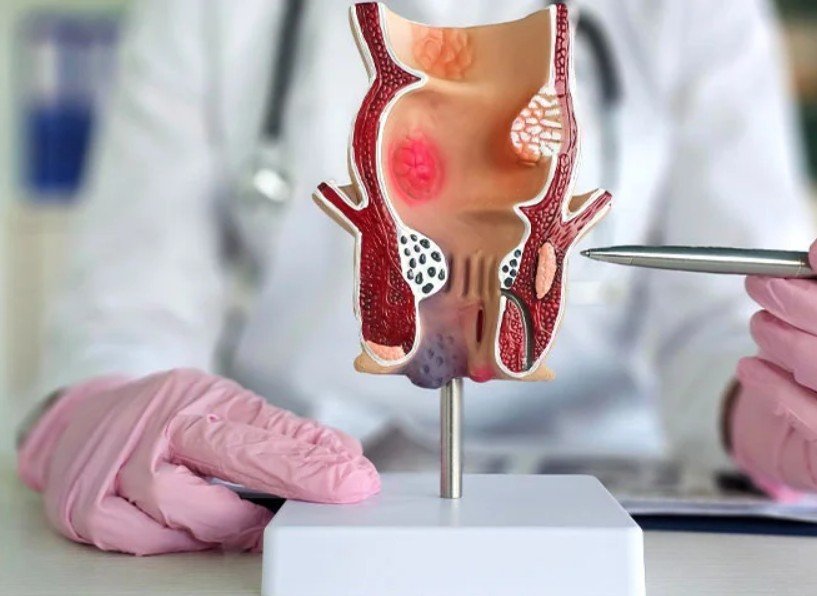
Perianal fistula is a chronic condition involving an abnormal tunnel that forms between the anal canal and the skin around the anus. It is most commonly caused by an infection in the anal glands that leads to the formation of an abscess. When the abscess fails to heal completely, it can develop into a fistula, resulting in persistent drainage, discomfort, and irritation in the affected area.
The inflammation associated with a perianal fistula can extend into surrounding tissues, causing pain, swelling, and recurrent infections. Over time, this ongoing inflammation may lead to the formation of complex tracts or multiple openings on the skin surface. These complications can make the condition more difficult to treat and may increase the risk of further health issues if left unmanaged.
One notable feature of perianal fistula is its tendency to recur, even after initial treatment. Individuals may experience periods where symptoms improve, followed by flare-ups characterized by pain, discharge, or swelling. This recurring pattern can significantly impact daily comfort and hygiene, requiring careful and consistent management.
The course of a perianal fistula can vary widely from person to person. Some individuals may have a simple fistula that responds well to treatment, while others may develop complex or recurrent forms that require more intensive care. This variability often makes the condition challenging to manage effectively over time.
Moreover, perianal fistula can sometimes be associated with underlying systemic conditions such as Crohn’s disease, where chronic inflammation affects multiple parts of the body. In such cases, the fistula is not just a localized issue but part of a broader inflammatory process that may require comprehensive medical attention.
Although there is no universal single-step cure for all types of perianal fistula, many individuals manage it through a combination of medical treatments, minimally invasive procedures, and sometimes surgery. Treatment plans are usually tailored based on the complexity of the fistula and the individual’s overall health, with the goal of eliminating infection and promoting healing.
The unpredictability of perianal fistula often requires individuals to adjust their daily routines. For example, they may need to maintain strict hygiene, follow specific dietary recommendations, or attend regular medical check-ups to monitor healing and prevent recurrence. These lifestyle adjustments play an important role in long-term management.
Living with a perianal fistula can also have emotional and psychological effects, as the persistent nature of the condition may cause stress or discomfort. Concerns about pain, drainage, or repeated treatments can impact confidence and quality of life. Therefore, support from healthcare providers, family, and friends is essential in helping individuals cope with both the physical and emotional challenges of this condition.
Perianal fistula is an abnormal tunnel that forms between the anal canal and the skin near the anus, often resulting from an infection or abscess. The exact cause of a perianal fistula is not always fully understood, but several factors are known to contribute to its development. These include infections, chronic inflammatory conditions, trauma, and immune system-related issues.
1. Anal Gland Infection
One of the most common causes of a perianal fistula is an infection in the anal glands. These small glands inside the anus can become blocked and infected, leading to the formation of an abscess. When the abscess does not heal completely or drains improperly, it can create a tunnel between the anal canal and the skin surface. This persistent tract is known as a fistula. The infection often begins with bacteria entering the gland, causing inflammation and pus accumulation.
2. Chronic Inflammatory Conditions
Chronic inflammatory diseases, particularly Crohn’s disease, are strongly associated with the development of perianal fistulas. In such conditions, ongoing inflammation in the digestive tract can extend to the anal region, leading to tissue damage and fistula formation. Individuals with inflammatory bowel diseases are more prone to recurrent fistulas due to continuous irritation and impaired healing of the intestinal lining and surrounding tissues.
3. Trauma or Injury
Physical trauma or injury to the anal or rectal area can also contribute to fistula formation. This may include injuries from surgery, childbirth, or accidents affecting the anal region. Damage to the tissues can disrupt normal healing processes, increasing the risk of infection and abscess formation. If the wound becomes infected and does not heal properly, it may develop into a fistula over time.
4. Previous Abscess Formation
A history of perianal abscess is one of the strongest risk factors for developing a fistula. Even after treatment, some abscesses may not heal completely, leaving behind a tract that evolves into a fistula. Studies suggest that a significant number of patients with an anal abscess eventually develop a fistula, especially if the infection was deep or recurrent.
5. Infections and Microbial Factors
Certain bacterial infections play a key role in the formation of perianal fistulas. The anal region naturally contains a high number of bacteria, which can easily infect blocked glands or damaged tissues. Conditions such as tuberculosis, sexually transmitted infections, or other chronic infections may also increase the risk. These infections can weaken the surrounding tissues, making them more susceptible to fistula formation.
6. Immune System Dysfunction
An impaired or weakened immune system can contribute to the development of perianal fistulas. Individuals with conditions that affect immunity, such as diabetes or HIV, may have a reduced ability to fight infections. This can lead to prolonged inflammation, delayed healing, and a higher likelihood of abscesses progressing into fistulas.
7. Auto-inflammatory Response
In some cases, the body’s immune system may overreact to local infections or bacteria in the anal region, leading to excessive inflammation. This auto-inflammatory response can damage healthy tissues and prevent proper healing. As a result, the persistent inflammation may promote the formation of abnormal tracts, eventually leading to a fistula.
8. Lifestyle and Hygiene Factors
Poor hygiene, prolonged sitting, and unhealthy lifestyle habits can indirectly increase the risk of infections in the anal area. While not direct causes, these factors can create conditions that favor bacterial growth and inflammation. Additionally, habits such as smoking may impair blood flow and delay healing, further increasing the chances of fistula development.
While the exact cause of perianal fistula may vary from person to person, it is generally believed to result from a combination of infection, inflammation, immune response, and underlying health conditions. Understanding these contributing factors is essential for early diagnosis, effective treatment, and prevention of recurrence in this often persistent condition.
Perianal fistula is a painful condition that develops near the anus, often as a result of an infection or abscess. It is an abnormal tunnel that forms between the anal canal and the skin around the anus. This condition leads to persistent discomfort, discharge, and irritation. Symptoms can range from mild to severe and may come and go, especially if the fistula becomes blocked or infected again.
1. Persistent Pain Around the Anus
One of the most common symptoms of perianal fistula is constant pain near the anus. The pain may worsen while sitting, walking, or during bowel movements. It is often described as throbbing or sharp, especially when the fistula becomes infected or inflamed during flare-ups.
2. Swelling and Redness
Swelling around the anal area is frequently seen in people with a perianal fistula. The skin may appear red, tender, and warm to the touch. This usually indicates inflammation or infection, particularly if an abscess is present or forming again.
3. Pus or Bloody Discharge
A key sign of perianal fistula is continuous or intermittent discharge of pus or blood from an opening near the anus. This discharge may have a foul smell and can stain underwear. It often increases when the fistula becomes active or infected.
4. Recurrent Anal Abscess
Many individuals with a perianal fistula experience repeated anal abscesses. An abscess is a collection of pus that forms due to infection. Even after drainage, the infection may return, leading to the formation of a fistula tract over time.
5. Irritation and Itching
Chronic discharge from the fistula can cause irritation of the surrounding skin. This often leads to itching, burning, or discomfort around the anus. The constant moisture can make the area sensitive and prone to further skin problems.
6. Pain During Bowel Movements
People with perianal fistula may experience pain while passing stool. The discomfort can be sharp or burning and may persist even after the bowel movement. This symptom can make individuals hesitant to use the bathroom regularly.
7. Fever and Malaise
In some cases, especially when infection is present, a low-grade fever may occur. This is usually accompanied by general weakness or a feeling of being unwell. Fever is more common when an abscess is actively forming or worsening.
8. Visible Opening Near the Anus
A small hole or opening on the skin near the anus is a typical sign of a fistula. This external opening may leak fluid or pus. Sometimes, it may close temporarily and reopen later, depending on the activity of the infection.
9. Difficulty Sitting Comfortably
Due to pain, swelling, and irritation, sitting for long periods can become uncomfortable. Many people shift positions frequently or avoid sitting altogether, especially during flare-ups when symptoms are more intense.
10. Foul Odor
The discharge from a perianal fistula often has an unpleasant smell. This odor is caused by infection and accumulation of pus. It can lead to embarrassment and affect a person’s daily social and professional life.
11. Fatigue
Ongoing infection and discomfort can lead to fatigue. The body’s immune response to chronic inflammation, along with disturbed sleep due to pain, can make individuals feel constantly tired and low in energy.
12. Skin Hardening Around the Area
Over time, repeated infection and healing can cause the skin around the fistula to become thickened or hardened. This may be felt as a lump or firm area near the anus, indicating a chronic condition.
13. Bleeding During or After Stool Passage
Some people may notice slight bleeding during or after bowel movements. This occurs due to irritation or damage to the tissues surrounding the fistula tract. The bleeding is usually mild but should not be ignored.
14. Complex Tracts and Multiple Openings
In more severe cases, the fistula may branch into multiple tracts, creating several openings around the anal area. These complex fistulas can be more difficult to treat and may cause increased pain, discharge, and complications.
The symptoms of perianal fistula can differ from person to person. Some individuals may have mild discomfort, while others experience severe pain and recurring infections. Early diagnosis and proper treatment are crucial to prevent complications. If you notice any of these symptoms or suspect a perianal fistula, it is important to consult a qualified healthcare provider for accurate diagnosis and effective management.
Diagnosing perianal fistula typically involves a combination of medical history review, physical examination, and diagnostic tests. Since the symptoms of a perianal fistula often overlap with those of other anorectal conditions, it can be challenging to identify the condition without thorough evaluation. Early and accurate diagnosis is crucial for effective management and treatment. Here’s a detailed breakdown of the diagnostic process.
1. Medical History and Symptom Review
The first step in diagnosing a perianal fistula usually involves a comprehensive review of the patient’s medical history and symptoms. Doctors ask about the duration and nature of symptoms, including pain near the anus, swelling, discharge of pus or blood, and recurrent abscess formation. A history of previous anal abscess is particularly important, as fistulas often develop after abscess drainage. A detailed symptom review helps rule out other conditions, such as hemorrhoids or anal fissures, that may present similarly.
2. Physical Examination
During the physical exam, doctors look for visible signs of a perianal fistula, such as external openings, redness, swelling, or discharge near the anal region. Gentle palpation may reveal a tract under the skin or tenderness around the anus. A digital rectal examination may also be performed to assess internal openings or associated abnormalities. The physical examination is essential but often requires further testing to confirm the diagnosis and determine fistula complexity.
3. Blood Tests
Blood tests are not always diagnostic for a perianal fistula but can help assess infection or underlying conditions. Some of the key blood tests include:
Complete Blood Count (CBC): This test checks for signs of infection, such as elevated white blood cells.
C-Reactive Protein (CRP): Elevated CRP levels indicate inflammation or ongoing infection.
Erythrocyte Sedimentation Rate (ESR): Like CRP, ESR helps evaluate the level of inflammation in the body.
Blood Sugar Levels: These are important, especially in diabetic patients, as high glucose levels can delay healing.
4. Pus or Discharge Analysis
If there is active discharge from the fistula, a sample may be collected for laboratory analysis. This helps identify bacterial infection and guides appropriate antibiotic therapy if needed. In some cases, testing may also be done to rule out tuberculosis or other specific infections, especially in recurrent or non-healing fistulas. Discharge analysis supports accurate diagnosis and targeted treatment planning.
5. Proctoscopy and Anoscopy
Proctoscopy or anoscopy is commonly used to examine the anal canal and lower rectum. A small instrument with a light is inserted into the anus to identify the internal opening of the fistula. These procedures help visualize inflammation, internal openings, or associated conditions. Identifying the internal opening is crucial for planning appropriate treatment and reducing recurrence risk.
6. Imaging Studies
Imaging techniques play a critical role in diagnosing perianal fistula and evaluating its complexity and extent. Some of the commonly used imaging methods include:
MRI (Magnetic Resonance Imaging): MRI is the gold standard for fistula evaluation, providing detailed images of fistula tracts, abscesses, and their relationship to sphincter muscles.
Endoanal Ultrasound: This technique uses sound waves to create images of the anal canal and can help detect fistula tracts and abscesses.
CT Scan (Computed Tomography): A CT scan may be used in complicated cases to identify deep infections or abscesses not visible on examination.
7. Examination Under Anesthesia (EUA)
In many cases, doctors recommend an examination under anesthesia to accurately assess the fistula. This allows a thorough and pain-free evaluation of the anal region. During EUA, the surgeon can probe the fistula tract, identify internal and external openings, and assess its path. This method is particularly useful in complex or recurrent fistulas where imaging alone may not provide complete information.
8. Fistulography (Less Common)
Fistulography is a specialized imaging technique where contrast dye is injected into the external opening of the fistula, followed by X-ray imaging. This helps map the fistula tract and identify its course. However, it is used less frequently today due to the availability of more advanced imaging techniques like MRI, which provide more accurate and detailed results.
9. Differential Diagnosis
Since a perianal fistula shares symptoms with other anorectal conditions such as abscesses, hemorrhoids, anal fissures, or even malignancies, it is important to rule out these possibilities. The healthcare provider will consider other diagnoses based on clinical findings, imaging results, and patient history to ensure accurate identification of the condition.
The diagnosis of a perianal fistula is comprehensive and involves multiple steps, including a detailed medical history, physical examination, imaging, and sometimes surgical evaluation. Each of these elements helps doctors determine the type, complexity, and exact location of the fistula while ruling out other conditions. Given the potential complications and recurrence, early diagnosis is important for effective treatment and long-term relief. If you suspect you may have a perianal fistula, it is essential to seek medical attention promptly for proper evaluation and diagnosis.
Stem cell therapy for perianal fistula is an innovative treatment approach that aims to harness the body’s natural healing potential to manage and, in some cases, even heal the abnormal tract associated with this chronic condition. A perianal fistula is an abnormal tunnel that forms between the anal canal and the skin near the anus, often resulting from infection or abscess. It can cause symptoms such as pain, swelling, discharge, and recurrent infections. Traditional treatments include antibiotics, seton placement, and surgery, but they may involve recurrence risks and prolonged healing. Stem cell therapy represents a promising alternative.
How Stem Cell Therapy Works for Perianal Fistula
Stem cell therapy involves the use of specialized cells that have the potential to develop into various types of cells within the body. In the context of perianal fistula, stem cells can be used to promote tissue regeneration, reduce inflammation, and support healing of the fistula tract. The process typically involves harvesting stem cells from the patient’s own body (autologous stem cells), such as from adipose (fat) tissue or bone marrow.
Once harvested, these stem cells are processed and concentrated. The processed cells are then carefully injected into and around the fistula tract. The aim is that the stem cells will promote closure of the fistula, repair damaged tissue, and reduce inflammation, helping prevent recurrence and improving overall healing outcomes.
Types of Stem Cells Used for Perianal Fistula
There are two main types of stem cells that are being explored for treating perianal fistula:
Mesenchymal Stem Cells (MSCs): These cells are commonly derived from adipose tissue, bone marrow, or umbilical cord tissue. MSCs are known for their strong anti-inflammatory and regenerative properties. In perianal fistula cases, MSCs help promote tissue repair, reduce local inflammation, and support closure of the fistula tract.
Hematopoietic Stem Cells (HSCs): These stem cells are obtained from bone marrow or peripheral blood and are mainly involved in blood cell formation. They also have immune-modulating effects. Although less commonly used specifically for fistulas, they may support immune regulation in complex or recurrent cases.
Benefits of Stem Cell Therapy for Perianal Fistula
Stem cell therapy holds several potential benefits for patients suffering from perianal fistula:
Tissue Regeneration and Healing: Stem cells can promote regeneration of damaged tissues and assist in closing the fistula tract naturally.
Reduction of Inflammation: Their anti-inflammatory properties help control local infection and inflammation, improving healing conditions.
Minimally Invasive Approach: Compared to traditional surgery, stem cell therapy is less invasive and may reduce complications such as incontinence.
Lower Risk of Recurrence: By addressing the underlying inflammation and tissue damage, stem cell therapy may reduce the chances of fistula recurrence.
Faster Recovery Time: Patients may experience quicker recovery and less post-procedure discomfort compared to conventional surgical methods.
Improved Quality of Life: Reduced pain, discharge, and recurrence can significantly enhance daily comfort and overall well-being.
Stem cell therapy offers exciting potential for patients with perianal fistula, particularly for those who have recurrent or complex fistulas not responding well to conventional treatments. While still under clinical evaluation, it shows promise in promoting healing, reducing inflammation, and minimizing recurrence. As research advances, stem cell therapy may become an important option in fistula management. Patients considering this approach should consult a qualified specialist to understand the potential benefits, risks, and available treatment options.
Stem cell treatment for perianal fistula is an emerging area of medical research and therapy. A perianal fistula is an abnormal tunnel that forms between the anal canal and the skin near the anus, often resulting from an infection or abscess. It can cause symptoms like pain, swelling, discharge, and discomfort during bowel movements. Traditional treatments usually involve surgery, but recurrence rates can be high, and healing may be prolonged. Stem cell therapy, particularly in countries like India, is being explored as a potential treatment to promote healing, reduce inflammation, and repair damaged tissues effectively.
Stem Cell Therapy Overview
Stem cells are undifferentiated cells that have the ability to develop into different cell types based on the signals they receive. In the context of perianal fistula, stem cells are used to promote tissue regeneration, enhance healing of fistula tracts, and modulate the inflammatory response that prevents proper closure.
There are primarily two types of stem cells used for treating perianal fistula:
Autologous stem cells: These stem cells are derived from the patient’s own body, usually from adipose (fat) tissue or bone marrow. Since they originate from the patient, the risk of rejection is very low.
Allogenic stem cells: These are obtained from a donor, commonly from umbilical cord tissue, which contains a rich concentration of regenerative stem cells.
How Stem Cell Therapy Works for Perianal Fistula
Stem cell therapy aims to treat perianal fistula through several mechanisms:
Promoting Tissue Healing: Stem cells are injected into the fistula tract to accelerate healing and closure by regenerating damaged tissue.
Reducing Inflammation: Chronic inflammation is a key factor in fistula persistence. Stem cells help reduce this inflammation and create a better healing environment.
Modulating the Immune Response: Stem cells can regulate immune activity, preventing excessive responses that delay healing.
Closing the Fistula Tract: By enhancing tissue regeneration and reducing infection risk, stem cells support the natural closure of the fistula tract.
Stem Cell Therapy for Perianal Fistula in India
India has become a well-known destination for stem cell treatments due to its advanced healthcare infrastructure, experienced specialists, and cost-effective treatment options compared to Western countries. Many hospitals and specialized clinics offer stem cell therapy for perianal fistula, focusing on both simple and complex cases.
Treatment Process
The stem cell treatment process for perianal fistula in India generally involves the following steps:
Consultation and Diagnosis: The patient undergoes detailed evaluation by a colorectal surgeon and stem cell specialist. Imaging tests like MRI, ultrasound, and clinical examination help determine fistula complexity and suitability for therapy.
Stem Cell Collection: Depending on the treatment plan, stem cells are harvested from the patient’s fat tissue or bone marrow, or sourced from donor tissue. This procedure is minimally invasive and safe.
Stem Cell Processing: The collected stem cells are processed in a specialized laboratory to isolate and concentrate the most effective cells for treatment.
Stem Cell Application: The prepared stem cells are injected directly into the fistula tract and surrounding tissues to promote healing and closure.
Follow-up Care: Patients are closely monitored after the procedure with regular follow-ups to assess healing progress and ensure there is no recurrence.
Advantages of Stem Cell Treatment in India
Cost-Effectiveness: Compared to countries like the United States and Europe, stem cell treatment in India is significantly more affordable while maintaining high medical standards.
Advanced Medical Facilities: Hospitals are equipped with modern technology and skilled professionals experienced in regenerative medicine.
Promising Outcomes: Many patients report reduced pain, faster healing, and lower recurrence rates after stem cell therapy.
Minimal Waiting Time: Patients can typically begin treatment quickly without long waiting periods seen in other healthcare systems.
Stem cell therapy for perianal fistula in India represents a promising and evolving treatment approach. While it offers hope for patients dealing with recurrent or complex fistulas, it is important to understand that it is still developing in clinical practice. With advanced facilities, expert care, and affordable options, India continues to be a preferred destination for patients seeking innovative and less invasive solutions for conditions like perianal fistula.
Frequently Asked Questions
What is stem cell treatment for perianal fistula?
Stem cell treatment for perianal fistula involves using regenerative cells, typically mesenchymal stem cells, to promote healing of the fistula tract, reduce inflammation, and support tissue repair without extensive surgery.
Who is eligible for stem cell therapy for perianal fistula?
Patients with complex or recurrent perianal fistulas, especially those not responding to conventional surgical or medical treatments, may be considered suitable candidates after proper medical evaluation.
How are stem cells administered for perianal fistula?
Stem cells are typically injected directly into and around the fistula tract under controlled clinical conditions to encourage closure of the tract and healing of surrounding tissues.
Is stem cell therapy safe for perianal fistula?
Stem cell therapy is generally considered safe when performed by experienced professionals in accredited medical facilities. Mild side effects like temporary discomfort or swelling at the injection site may occur.
How long does it take to see results?
Healing timelines vary, but many patients begin to notice reduced drainage and discomfort within a few weeks, with gradual closure of the fistula over several months.
How many sessions are typically required?
Most patients require one session, but depending on the complexity and response, additional treatments or follow-up procedures may be recommended.
Can stem cell therapy replace surgery for perianal fistula?
Stem cell therapy can be an alternative to surgery in certain cases, especially for complex fistulas, but it may also be used alongside surgical techniques depending on individual conditions.
How can I schedule a consultation for perianal fistula treatment?
You can schedule a consultation by contacting our clinic via phone, email, or through the appointment form on our website. Our specialists will evaluate your case and recommend a personalized treatment approach.
For more questions, visit our
FAQs page
or
request an evaluation
with our expert team.
How Much Does Stem Cell Therapy Cost for Perianal Fistula?
The cost of stem cell therapy for perianal fistula varies depending on several clinical and procedural factors — including the complexity of the fistula tract, presence of infection or abscess, previous surgical history, patient’s overall health condition, and the type of stem cells used (autologous or allogeneic).
The total expense may also include diagnostic imaging (MRI/ultrasound), stem cell harvesting and processing, injection procedure, hospitalization (if required), and follow-up care.
Treatment costs differ across countries due to variations in healthcare systems, expertise, and infrastructure. Below is a general cost comparison across selected countries.
Cost Comparison: Select Countries
The following table shows estimated cost ranges for a complete stem cell therapy program for perianal fistula, including consultation, stem cell preparation, minimally invasive injection procedure, and follow-up monitoring.
| Country | Average Cost (in USD) | Average Cost (in INR) |
|---|---|---|
| United States 🇺🇸 | $20,000 – $35,000 | ₹16,50,000 – ₹28,90,000 |
| United Kingdom 🇬🇧 | $15,000 – $28,000 | ₹12,40,000 – ₹23,10,000 |
| Germany 🇩🇪 | $18,000 – $30,000 | ₹14,90,000 – ₹24,80,000 |
| Singapore 🇸🇬 | $12,000 – $22,000 | ₹9,90,000 – ₹18,20,000 |
Patients looking for cost-effective and advanced treatment for perianal fistula often consider India as a preferred destination. Compared to countries like the USA, UK, and Germany, treatment costs in India are significantly lower while maintaining high standards of medical care.
In India, stem cell therapy for perianal fistula typically ranges between $4,000 – $8,000 (₹3,30,000 – ₹6,60,000), making it substantially more affordable than Western countries. This cost advantage is driven by lower operational expenses, skilled medical professionals, and advanced regenerative medicine infrastructure.
Leading hospitals and regenerative medicine centers in India follow international safety protocols, advanced imaging techniques, and minimally invasive procedures to ensure effective healing, reduced recurrence, and faster recovery for patients.
Why Choose Viezec?
Viezec connects patients with accredited hospitals and experienced regenerative medicine specialists who focus on treating complex anorectal conditions like perianal fistula. We offer transparent pricing, ethical medical practices, and end-to-end patient support throughout your treatment journey.
Get a Personalized Cost Estimate
Every fistula case is different. Contact our patient care team for a customized treatment plan and cost estimate tailored to your specific medical condition.
Stem cell treatment has shown promising improvements for individuals with perianal fistula, a painful and complex condition often associated with chronic inflammation and infection around the anal region. Stem cells, particularly mesenchymal stem cells (MSCs), have the ability to modulate immune responses, promote tissue regeneration, and support healing of fistula tracts. Below are some of the key improvements seen after stem cell treatment for perianal fistula:
- Reduction in Inflammation
One of the primary benefits of stem cell therapy for perianal fistula is the reduction of inflammation in the affected tissues. MSCs have immunosuppressive properties, meaning they can calm the overactive immune response responsible for persistent inflammation. This helps reduce pain, swelling, discharge, and irritation. Patients often report a noticeable decrease in discomfort and inflammation after treatment.
- Enhanced Healing of Fistula Tract
Perianal fistulas involve abnormal tunnels between the anal canal and skin. Stem cells promote regeneration of damaged tissues and help close these fistula tracts naturally. By supporting tissue repair and reducing infection risk, stem cell therapy can significantly improve healing outcomes and reduce recurrence rates.
- Reduced Infection and Discharge
Chronic infection and pus discharge are common symptoms of perianal fistula. Stem cells possess anti-inflammatory and antimicrobial-supportive effects, which help control infection and reduce persistent discharge. Many patients experience cleaner wound healing and improved hygiene after treatment.
- Reduction in Pain and Discomfort
Pain during sitting, walking, or bowel movements is a major concern in perianal fistula cases. Stem cell therapy helps reduce inflammation and promotes tissue repair, which directly contributes to pain relief. Patients often notice improved comfort in daily activities following treatment.
- Reduced Dependence on Surgery
Traditional treatment for perianal fistula often involves repeated surgeries, which may carry risks of complications or recurrence. Stem cell therapy offers a minimally invasive alternative that may reduce the need for multiple surgical interventions. This can be especially beneficial for patients with complex or recurrent fistulas.
- Improved Quality of Life
Patients undergoing stem cell therapy for perianal fistula frequently report significant improvements in their overall quality of life. Reduced pain, discharge, and discomfort allow individuals to return to normal daily activities, work, and social interactions with greater ease and confidence.
- Minimal Risk of Rejection
Stem cell treatments often use autologous cells (from the patient’s own body), which minimizes the risk of immune rejection. This makes the therapy safer and more compatible compared to treatments involving foreign materials or implants.
- Enhanced Immune Regulation
Stem cells help regulate the immune system by reducing excessive inflammatory responses. In perianal fistula, this balanced immune activity supports healing and prevents further tissue damage. This immune modulation plays a key role in long-term fistula management.
- Lower Risk of Recurrence
One of the major challenges in treating perianal fistula is recurrence after conventional treatments. Stem cell therapy targets the root cause by promoting deep tissue healing and reducing inflammation, which can lower the chances of fistula recurrence over time.
- Overall Improved Disease Management
By addressing both inflammation and tissue damage, stem cell therapy offers a comprehensive approach to managing perianal fistula. With proper follow-up and monitoring, patients can maintain long-term improvements and better control over their condition.
Stem cell therapy for perianal fistula offers significant potential for improvement, particularly in reducing inflammation, healing fistula tracts, and enhancing quality of life. While ongoing research continues to evaluate its long-term effectiveness, current clinical outcomes are encouraging for many patients. Stem cell therapy presents a promising future in the treatment of perianal fistula, offering hope for sustained healing and reduced recurrence. However, patients should always consult with their healthcare provider to understand the risks, benefits, and suitability of this treatment option.
Stem cell therapy for perianal fistula has emerged as a promising treatment option, offering potential benefits for patients who have not responded to conventional surgical or medical treatments. This condition, often associated with Crohn’s disease or chronic infection, leads to symptoms such as pain, swelling, discharge, and recurrent abscess formation. Standard treatments typically include antibiotics, seton placement, and surgery, but recurrence rates remain high in many cases. Stem cell therapy aims to promote tissue regeneration, close fistula tracts, and modulate the immune response to support long-term healing.
Types of Stem Cells Used
The two main types of stem cells used in perianal fistula treatment are autologous stem cells (from the patient’s own body) and allogeneic stem cells (from a donor source). Autologous stem cells are commonly preferred as they reduce the risk of immune rejection. These stem cells are usually derived from adipose (fat) tissue or bone marrow and are processed before application.
Mechanism of Action
Stem cell therapy works by repairing damaged tissue and regulating the immune response at the fistula site. Perianal fistulas involve chronic inflammation and abnormal tract formation between the anal canal and skin. Stem cells, when applied locally, help to:
- Repair fistula tract: Stem cells promote regeneration of healthy tissue, helping to close the abnormal tract.
- Reduce inflammation: Stem cells have anti-inflammatory properties that help calm the chronic infection and swelling.
- Support tissue healing: They enhance the body’s natural healing process, reducing recurrence risk and improving outcomes.
Treatment Process
Stem cell therapy for perianal fistula generally involves the following steps:
- Stem Cell Harvesting: Stem cells are collected from the patient’s fat tissue or bone marrow using minimally invasive procedures.
- Cell Processing: The harvested cells are processed and concentrated in a specialized laboratory setting.
- Application: The prepared stem cells are injected directly into and around the fistula tract to promote targeted healing.
- Follow-up and Monitoring: Patients are regularly evaluated for healing progress, symptom improvement, and any potential complications.
Clinical Results and Research
Clinical studies on stem cell therapy for perianal fistula have shown promising outcomes, although it is still evolving as an advanced treatment approach. Research findings include:
- Fistula closure: Many patients experience successful closure of fistula tracts with reduced recurrence rates compared to traditional methods.
- Symptom improvement: Patients often report decreased pain, discharge, and infection episodes after treatment.
- Enhanced quality of life: Improved healing leads to better daily functioning and reduced discomfort.
- Reduced need for surgery: Stem cell therapy may help avoid repeated surgical interventions and long recovery periods.
At Viezec, we are committed to revolutionizing the way perianal fistula is treated, offering cutting-edge stem cell therapy to provide lasting relief and improve the quality of life for patients suffering from this painful condition. Perianal fistula is a chronic abnormal tunnel between the anal canal and the skin, often caused by infection, leading to symptoms like pain, swelling, discharge, and recurrent abscesses. Traditional treatments often involve surgery, but stem cell therapy offers a promising alternative by targeting the root cause and promoting tissue regeneration.
Our Promise of Stem Cell Treatment:
Personalized Care: We understand that each patient’s condition is unique, and so is our approach to treatment. At Viezec, we offer personalized stem cell therapy plans tailored to meet the specific needs of each individual. Our medical team works closely with patients to understand their medical history, severity of fistula, and treatment goals for optimal outcomes.
Advanced Stem Cell Therapy: Stem cell therapy works by utilizing the body’s natural healing ability. At Viezec, we use advanced mesenchymal stem cells (MSCs), known for their anti-inflammatory and regenerative properties. These cells are ethically sourced and carefully processed to ensure safety, precision, and maximum therapeutic effectiveness.
Promoting Healing and Closure: The primary goal of stem cell therapy for perianal fistula is to promote natural healing and closure of the fistula tract. Stem cells help regenerate damaged tissues, reduce infection, and repair the affected area, significantly lowering the chances of recurrence and improving patient comfort.
Minimizing Side Effects: Unlike surgical procedures and long-term medications, stem cell therapy has minimal side effects. Traditional approaches may involve pain, risk of complications, or recurrence. Stem cell therapy at Viezec supports natural healing, reducing dependency on invasive procedures and minimizing associated risks.
Cutting-Edge Technology and Expertise: Our medical team consists of highly experienced professionals specializing in regenerative medicine and anorectal disorders. We use research-backed techniques and advanced protocols to ensure that every patient receives safe, effective, and high-quality care throughout the treatment process.
Long-Term Results: Stem cell therapy offers the potential for long-term healing and reduced recurrence rates. By addressing the underlying tissue damage and inflammation, patients may experience sustained relief and improved quality of life without repeated surgical interventions.
Ongoing Support and Monitoring: At Viezec, our care extends beyond the procedure. We provide continuous monitoring, follow-ups, and necessary adjustments to ensure proper healing. Our team remains available to guide patients throughout their recovery journey and address any concerns.
Ethical and Safe Practice: Patient safety and ethical standards are our top priorities. All stem cell treatments at Viezec are conducted in compliance with medical guidelines and strict safety protocols, ensuring a sterile, controlled, and scientifically supported treatment environment.
At Viezec, we believe in offering hope for patients suffering from perianal fistula through advanced stem cell therapy. Our goal is to deliver innovative, effective, and personalized care that promotes natural healing, reduces recurrence, and helps patients regain a healthier, pain-free life. Visit us today to learn how stem cell therapy can transform your recovery journey.
At Viezec, quality control in stem cell treatment for perianal fistula is a highly structured process aimed at ensuring safety and effectiveness. The clinic follows strict protocols during stem cell preparation, which include the sourcing, handling, and processing of stem cells to meet stringent medical standards. The stem cells are typically sourced from the patient’s own body (autologous stem cells), minimizing the risk of rejection and ensuring compatibility.
Viezec ensures that stem cells are properly isolated and cultured under sterile conditions to prevent contamination. Moreover, the stem cells are often combined with other treatments to enhance efficacy, such as antibiotics or immunomodulatory therapy, which helps control infection and inflammation associated with perianal fistula. Each treatment plan is personalized based on the severity of the fistula and the patient’s medical history.
In terms of monitoring, the clinic closely tracks patients before, during, and after the procedure. Regular follow-ups are performed to assess the success of the treatment, including clinical indicators like fistula closure, pain reduction, and infection control. This process is in line with broader clinical findings, where stem cell therapy shows potential in promoting healing and reducing recurrence, though further research is needed for long-term outcomes.
For optimal quality control, Viezec adheres to regulatory guidelines and maintains high standards of care, focusing on reducing complications while maximizing the therapy’s potential benefits for patients suffering from perianal fistula.
Ahead of undergoing this process; a patient needs to understand that stem cell therapy for perianal fistula is an experimental therapy that may not work in certain cases. At the time of procedure, a patient might be refused the treatment or the proposed protocol may change depending on the patient’s health condition and fistula severity.
At Viezec, our main motive is to provide the best technology and safety standards available; which have been demonstrated across the globe.
As with any medical treatment, there are no guarantees or claims of cures made regarding the extent of response to treatment. Every patient has a different internal body condition; hence results vary from patient to patient, even with a similar fistula diagnosis. This means that we cannot offer, infer, or suggest any certainty of a specific outcome. For all our treatments, we do not use embryonic or fetal cells.
Testimonials
Rahul S. – Mumbai, India – January 2020 – ⭐⭐⭐⭐☆
“Perianal fistula caused constant discomfort and drainage. After Viezec’s stem cell therapy, the pain reduced significantly, and healing improved.”
James T. – Manchester, UK – June 2020 – ⭐⭐⭐⭐⭐
“I struggled with recurring fistula infections for years. Post-treatment at Viezec, my symptoms reduced, and I finally feel relief.”
Omar A. – Dubai, UAE – November 2020 – ⭐⭐⭐⭐☆
“My fistula made daily life very uncomfortable. After Viezec’s therapy, drainage decreased, and I feel much more at ease.”
Lucia B. – Milan, Italy – March 2021 – ⭐⭐⭐⭐⭐
“I was dependent on repeated surgeries for my fistula. Stem cell therapy at Viezec helped reduce recurrence, and I feel healthier now.”
Nikos P. – Thessaloniki, Greece – September 2021 – ⭐⭐⭐⭐☆
“Persistent pain and swelling from fistula affected my routine. After treatment, the discomfort reduced, and recovery felt faster.”
Sophia M. – Vancouver, Canada – February 2022 – ⭐⭐⭐⭐⭐
“Living with a perianal fistula was exhausting. Viezec’s therapy helped control symptoms, and I feel more confident again.”
Yusuf K. – Doha, Qatar – August 2022 – ⭐⭐⭐⭐☆
“My fistula condition kept recurring despite treatments. After stem cell therapy, flare-ups are minimal, and I’m back to normal life.”
Carmen R. – Barcelona, Spain – April 2023 – ⭐⭐⭐⭐⭐
“Years of discomfort from fistula affected my health. Viezec’s treatment improved healing, and I feel much better now.”
Liam D. – Auckland, New Zealand – October 2023 – ⭐⭐⭐⭐☆
“Pain and drainage from fistula made life difficult. Post-treatment at Viezec, my condition improved, and I feel stronger.”
Aisha N. – Kuala Lumpur, Malaysia – May 2025 – ⭐⭐⭐⭐⭐
“I feared surgery was my only option for fistula. Thanks to Viezec’s therapy, my symptoms are controlled, and I feel relieved.”
Conclusion
Stem cell therapy for perianal fistula offers a regenerative approach that targets underlying inflammation, infection, and damaged tissue, helping patients achieve long-term healing and relief from recurrent symptoms. At Viezec, we combine advanced stem cell protocols with international medical standards to ensure safety, transparency, and effective outcomes. Our compassionate care team guides every patient through a personalized treatment journey, emphasizing ethical practices and evidence-based results. With India emerging as a leading destination for regenerative medicine, Viezec provides affordable access to world-class therapies. To explore whether stem cell treatment could help manage perianal fistula and improve your quality of life, reach out to our experts for a free consultation today.
Ethical & Transparent Patient Guidance
We provide consultation, case evaluation, and patient support services in regenerative medicine.
As per Indian guidelines, stem cell-based interventions (beyond approved uses) are
investigational and available only within regulated clinical research settings.
We also assist patients in accessing internationally accredited treatment pathways.
Our Testimonials
Related Videos
Recent Blog Posts
4.8 average based on 654 reviews.