
Published on: February 22, 2025Updated on: December 29, 2025BY Viezec
Hair loss is a deeply personal concern that affects confidence, appearance, and overall quality of life. For both men and women, thinning hair or progressive baldness is often linked to aging, hormonal changes, genetics, inflammation, and reduced cellular activity in the scalp. Traditional treatments focus on slowing hair loss, but they rarely address the underlying biological signals responsible for hair follicle degeneration.
Exosome therapy for hair loss represents a new frontier in regenerative medicine. Rather than masking symptoms, this advanced therapy focuses on restoring cellular communication, stimulating dormant follicles, and supporting long-term scalp health. As part of the broader field of aging and longevity medicine, exosome-based hair restoration is gaining attention for its science-backed, minimally invasive, and biologically targeted approach.
Understanding Hair Loss at a Cellular Level
Hair growth is a complex biological process regulated by signaling molecules, stem cells, growth factors, blood supply, and immune balance within the scalp. When these systems become disrupted, hair follicles gradually shrink, weaken, and eventually stop producing healthy hair.
Common cellular and biological contributors to hair loss include:
-
Reduced growth factor signaling
-
Chronic scalp inflammation
-
Oxidative stress and cellular aging
-
Hormonal imbalance, especially DHT sensitivity
-
Poor blood circulation to hair follicles
-
Stem cell exhaustion in follicular units
Over time, these factors push hair follicles into a prolonged resting phase. Once follicles lose their regenerative signals, conventional topical or oral treatments often become less effective.
This is where regenerative therapies like exosome treatment offer a fundamentally different solution.

What Is Exosome Therapy?
Exosomes are microscopic extracellular vesicles released by stem cells and other regenerative cells. They act as biological messengers, carrying proteins, lipids, growth factors, cytokines, and genetic material such as microRNA.
Unlike stem cells, exosomes do not divide or form tissue. Instead, they deliver precise instructions to surrounding cells, guiding repair, regeneration, and immune modulation. In hair restoration, exosomes help restore communication pathways that aging or damaged follicles have lost.
Exosome therapy for hair loss uses purified, cell-free exosomes derived from ethically sourced regenerative tissues. These exosomes are introduced into the scalp to activate dormant follicles and improve the scalp environment.
How Exosome Therapy Works for Hair Loss
Cellular Signaling Restoration
Hair follicles rely on constant molecular communication to stay in the growth phase. Exosomes deliver signals that encourage follicles to re-enter the anagen or active growth phase.
Follicle Regeneration Support
Exosomes stimulate dermal papilla cells, which play a central role in hair follicle development and cycling. Healthier dermal papilla cells lead to stronger, thicker hair shafts.
Anti-Inflammatory Effects
Chronic scalp inflammation is a major cause of progressive hair thinning. Exosome therapy helps regulate inflammatory pathways and reduces immune-mediated follicle damage.
Improved Blood Flow and Oxygenation
Growth factors carried by exosomes support angiogenesis, the formation of new blood vessels. Better circulation means improved nutrient and oxygen delivery to follicles.
Stem Cell Activation
Exosomes enhance the function of resident stem cells within hair follicles, promoting tissue repair without introducing foreign cells.
Discover if Stem Cell Therapy Can Help You!
Book a Free Consultation with Our Experts at Viezec !
Types of Hair Loss That May Benefit from Exosome Therapy
Hair loss does not follow a single pattern or cause. It develops through a combination of genetic, hormonal, inflammatory, and age-related factors. Exosome therapy is being studied and applied across a broad range of hair and scalp conditions because it works at the level of cellular signaling rather than targeting one isolated trigger.
Androgenetic Alopecia
Androgenetic alopecia is the most common form of hair loss in both men and women. It occurs when hair follicles become increasingly sensitive to dihydrotestosterone, leading to gradual thinning and shortened growth cycles. Exosome therapy supports follicular health by delivering regenerative signals that help reduce inflammatory stress and improve the biological environment around affected follicles.
Age-Related Hair Thinning
With advancing age, hair follicles naturally lose their regenerative capacity. Cellular communication slows, energy production declines, and growth signals weaken. Exosome therapy complements longevity-focused care by helping reactivate pathways involved in tissue renewal, supporting stronger and more resilient hair growth over time.
Stress-Related Hair Loss
Physical and emotional stress can significantly alter hair growth patterns by affecting hormones, immune response, and scalp inflammation. This often results in excessive shedding or stalled regrowth. Exosomes help regulate inflammatory pathways and support cellular recovery, allowing hair follicles to return to a more balanced growth cycle.
Postpartum Hair Loss
After childbirth, sudden hormonal changes can cause a large number of hair follicles to enter the resting phase simultaneously. This type of hair loss is usually temporary but can be distressing. Exosome therapy may assist in reactivating dormant follicles and encouraging a smoother transition back to normal hair growth patterns.
Hair Loss After Illness or Medical Treatments
Serious illness, infections, or certain medical treatments can weaken hair follicles and disrupt their normal function. When follicles remain viable but stressed, exosome therapy may help accelerate cellular repair and support the restoration of healthy hair production.
Exosome Therapy vs Traditional Hair Loss Treatments
Limitations of Conventional Treatments
Most traditional hair loss solutions focus on either blocking hormones or stimulating blood flow. While these methods can slow hair loss, they do not repair follicular biology.
Common limitations include:
-
Temporary results
-
Continuous long-term use required
-
Side effects with oral medications
-
Limited effectiveness in advanced hair loss
How Exosome Therapy Is Different
Exosome therapy works upstream by addressing the biological signals that control hair growth. Instead of forcing follicles to perform, it helps restore their natural regenerative capacity.
Key differences include:
-
Cell-free and minimally invasive
-
Targets inflammation, aging, and signaling pathways
-
Supports natural hair growth cycles
-
Focuses on long-term scalp health

The Exosome Hair Loss Treatment Process
Initial Assessment
Every treatment begins with a comprehensive evaluation to understand the unique pattern and cause of hair loss. This step helps determine whether exosome therapy is appropriate and what outcomes can realistically be expected.
-
Review of hair loss history and progression
-
Assessment of scalp health and follicle activity
-
Evaluation of hair density and thinning patterns
-
Discussion of goals and treatment suitability
Preparation of the Scalp
Before exosome delivery, the scalp is carefully prepared to create an optimal environment for absorption and follicle activation. This step supports more uniform and effective treatment results.
-
Cleansing of the scalp to remove oils and debris
-
Identification of target treatment zones
-
Optional microneedling to enhance penetration
-
Stimulation of local regenerative response
Exosome Application
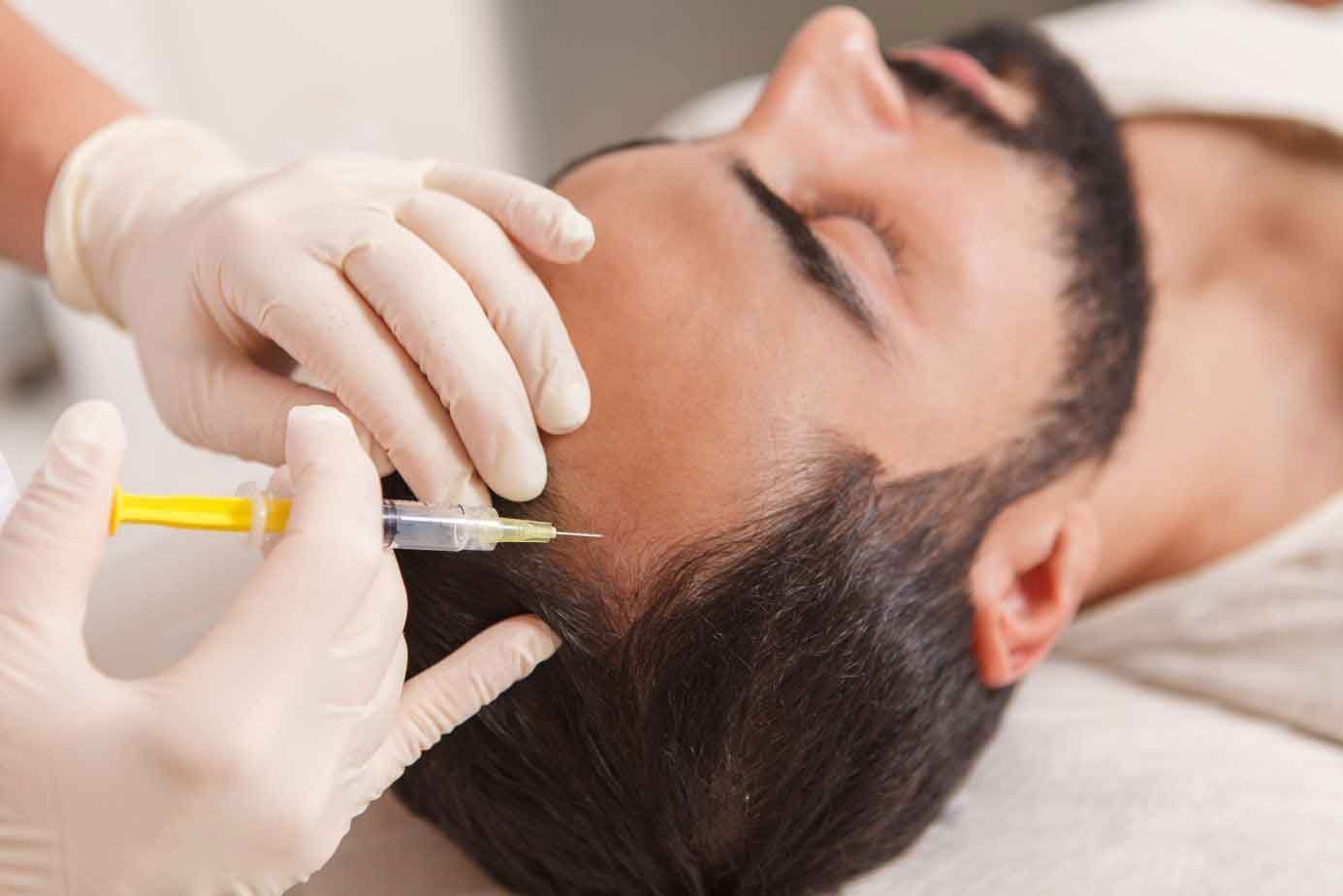
Exosomes are delivered directly to the scalp using precise techniques designed to reach weakened or dormant follicles. This targeted approach allows regenerative signals to act where they are most needed.
-
Use of microinjections or specialized delivery methods
-
Controlled placement across thinning areas
-
Even distribution for balanced follicle support
-
Focus on areas with active but weakened follicles
Post-Treatment Care
Recovery after exosome therapy is typically straightforward, with minimal disruption to daily routines. Most individuals experience only mild and temporary scalp reactions.
-
Short observation period after treatment
-
Ability to return to normal activities quickly
-
Temporary redness or sensitivity in treated areas
-
Guidance on scalp care and follow-up timelines
Start Your Regenerative Journey Today!
Contact Viezec for Personalized Stem Cell Therapy Plan
What Results Can Be Expected?
Hair regrowth is a gradual biological process. Exosome therapy supports natural cycles rather than producing immediate cosmetic changes.
Early Phase (Weeks 4–8)
-
Reduced hair shedding
-
Improved scalp comfort
-
Healthier scalp appearance
Mid Phase (3–6 Months)
-
Increased hair thickness
-
Improved hair density
-
Stronger hair shafts
Long-Term Phase (6–12 Months)
-
Visible regrowth in responsive areas
-
Stabilization of hair loss progression
-
Improved overall hair quality
Results vary depending on age, genetics, severity of hair loss, and scalp health.
Exosome Therapy and Aging & Longevity
Hair loss is one of the most visible signs of aging. As cellular energy declines and regenerative signals weaken, hair follicles become less resilient.
Exosome therapy fits within the broader framework of aging and longevity medicine by:
-
Supporting cellular repair mechanisms
-
Reducing oxidative stress
-
Enhancing tissue regeneration
-
Promoting long-term follicular health
Rather than treating hair loss as an isolated cosmetic issue, exosome therapy addresses it as part of systemic aging and regenerative decline.
Safety and Scientific Considerations
Exosome therapy is considered a cell-free regenerative approach, meaning it does not involve live stem cells or genetic modification.
Key Safety Points
-
No risk of cell rejection
-
No tumor formation risk
-
Purified and standardized preparations
-
Minimally invasive procedure
Ongoing research continues to explore optimal dosing, treatment intervals, and long-term outcomes.
Who May Be a Good Candidate?
Exosome therapy for hair loss may be suitable for individuals who:
-
Are experiencing early to moderate hair thinning
-
Want non-surgical hair restoration options
-
Have not responded well to conventional treatments
-
Are focused on regenerative and longevity-based care
It may be less effective in areas where follicles are completely inactive or scarred.
Combining Exosome Therapy with Other Treatments
For enhanced outcomes, exosome therapy is often integrated into a comprehensive hair restoration plan.
Common Combination Approaches
-
Microneedling for improved delivery
-
PRP or growth factor therapies
-
Nutritional and hormonal optimization
-
Scalp health and inflammation management
A personalized treatment strategy improves consistency and durability of results.
How Stem Cell and Exosome Therapy Work Together
Stem cell therapy and exosome therapy are closely connected but serve different roles in regenerative medicine. When used together, they create a complementary system that supports tissue repair, cellular communication, and long-term regeneration more effectively than either approach alone.
The Role of Stem Cells in Regeneration
Stem cells are specialized cells with the ability to self-renew and support tissue repair. In regenerative treatments, their primary value lies not only in their ability to differentiate, but in the bioactive signals they release.
These signals help:
-
Support tissue repair and regeneration
-
Influence surrounding cells to function more effectively
-
Maintain a regenerative environment in damaged or aging tissues
However, stem cells do not act in isolation. Much of their regenerative impact comes from what they secrete.
Advantages of Using Exosomes Alongside Stem Cells
When exosome therapy is used in conjunction with stem cell-based approaches, several advantages emerge.
-
Enhanced regenerative signaling without excessive cell proliferation
-
Reduced inflammatory response in treated tissues
-
Improved consistency and predictability of outcomes
-
Lower risk compared to cell-based implantation
In some protocols, exosomes are used independently to deliver the benefits of stem cells without introducing live cells, making treatment more controlled and targeted.
A Shift Toward Signal-Based Regeneration
Modern regenerative medicine is moving away from aggressive cell replacement and toward signal-based healing. Understanding how stem cells and exosomes work together has reshaped treatment strategies across dermatology, orthopedics, neurology, and aging medicine.
By leveraging the regenerative signals produced by stem cells and delivered through exosomes, therapies can support natural repair mechanisms in a safer, more refined way.
Is Your Condition Eligible for Stem Cell Therapy?
Speak directly with our specialist.
Exosome Therapy as a Cell-Free Regenerative Solution at Viezec
Exosome therapy at Viezec uses purified biological messengers that carry growth factors, proteins, and genetic instructions essential for tissue repair. Unlike cell-based treatments, exosomes do not replicate or form tissue, making them a precise and predictable regenerative option.
This cell-free approach is especially relevant within India’s regulatory and clinical landscape, where controlled delivery and consistency are critical. Exosomes help restore communication between cells affected by aging, inflammation, or environmental stress.
At Viezec, exosome therapy is applied to support regeneration at the molecular level, making it suitable for longevity-focused care, hair loss management, and scalp health optimization.
Best Exosome Therapy for Hair Loss in India
Viezec follows a structured regenerative care approach where precise biological signaling and targeted molecular communication work in alignment. This method allows the scalp and hair follicles to receive regenerative support without excessive stimulation or unnecessary intervention, helping maintain natural biological balance.
For hair loss and aging-related scalp concerns, this regenerative strategy focuses on improving follicle signaling, strengthening the scalp environment, and enhancing cellular resilience over time. Rather than forcing hair growth, the approach supports the body’s own ability to restore function and sustain healthy hair cycles naturally.
This integrated model reflects the broader evolution of regenerative medicine in India, where emphasis is placed on patient safety, evidence-based practices, and long-term biological health.
What to Expect About Cost
When it comes to exosome therapy for hair loss in India, there isn’t a one-size-fits-all cost. Every scalp is different, and so is every hair loss journey. That’s why treatment planning begins with understanding your hair concerns, scalp health, and how your follicles are responding over time.
Rather than offering a fixed price, the overall cost is shaped by a few important factors, such as:
-
How much thinning or hair loss you’re experiencing
-
The current health and sensitivity of your scalp
-
The number of sessions recommended to support regrowth
-
The quality and preparation standards of the exosomes used
This personalized approach ensures the treatment is tailored to your needs, with a focus on natural results, long-term scalp health, and a comfortable patient experience.
The Future of Hair Loss Treatment
Exosome therapy represents a shift toward biologically intelligent treatments. As research advances, protocols are becoming more refined, and applications continue to expand across dermatology, orthopedics, neurology, and longevity medicine.
Hair restoration is no longer limited to transplant surgery or daily medications. Regenerative science is opening pathways that work with the body’s natural repair systems rather than against them.
Frequently Asked Questions
Exosome therapy does not involve live stem cells. Instead, it uses purified signaling vesicles released by regenerative cells. These exosomes deliver growth factors and molecular instructions that activate hair follicles without introducing foreign or dividing cells. This makes the treatment cell-free, targeted, and focused on restoring natural hair growth signals.
Exosome therapy may help reactivate dormant but still viable hair follicles by restoring cellular communication and reducing inflammation in the scalp. However, follicles that are completely inactive or replaced by scar tissue may not respond. A professional scalp assessment is essential to determine expected outcomes.
Yes, exosome therapy is used for both men and women experiencing hair thinning or pattern hair loss. It is commonly explored for androgenetic alopecia, age-related thinning, and hormonally influenced hair loss in women, including post-pregnancy or perimenopausal changes.
Hair regrowth occurs gradually. Reduced shedding and improved scalp health may be noticed within the first two months. Visible improvements in hair thickness and density typically develop between three to six months, with continued progression over time as follicles respond to regenerative signals.
Exosome therapy supports natural regeneration, but hair aging and genetic factors continue over time. Some individuals may benefit from periodic maintenance treatments to sustain results. A personalized longevity-focused hair care plan helps determine the ideal treatment interval.
Final Thoughts
Hair loss is a multifactorial condition influenced by aging, genetics, inflammation, and cellular decline. Exosome therapy offers a promising regenerative approach that targets these root causes rather than simply managing symptoms.
By restoring cellular communication, supporting follicle regeneration, and improving scalp health, exosome therapy aligns with modern longevity-focused medicine. For individuals seeking advanced, science-driven solutions for hair loss, it represents an evolving and exciting option within regenerative healthcare.
List of References
Evaluates exosome topical therapy following microneedling in male AGA patients (n=16), with hair density improvements over 12 months and high patient satisfaction.
https://pubmed.ncbi.nlm.nih.gov/40146273/ PubMed
Prospective trial (n=30) using intradermal injections of foreskin MSC-derived exosomes, showing statistically significant increases in hair density at 4 and 12 weeks post-treatment.
https://pubmed.ncbi.nlm.nih.gov/39174804/ PubMed
RCT of a formulation with exosome components that significantly improved hair counts vs placebo in Norwood grade 2–3 male pattern hair loss over 16 weeks.
https://www.mdpi.com/2075-1729/15/3/500 MDPI
Systematic analysis of clinical studies (including RCTs, prospective studies, case series) showing hair density and thickness improvements with MSC-derived exosomes; includes details on clinical outcomes and treatment routes.
https://pubmed.ncbi.nlm.nih.gov/40955427/ PubMed
Reviews topical and injectable exosome interventions in human alopecia patients (e.g., topical ADSC-exosomes in 39 AGA patients), reporting significant increases in hair parameters and minimal adverse reactions.
https://pubmed.ncbi.nlm.nih.gov/37381168/ PubMed
Preclinical mechanistic study on hUCMSC-derived exosomes activating Wnt/β-catenin and promoting follicular regeneration (in vivo models) — Stem Cell Research & Therapy (2025).
https://link.springer.com/article/10.1186/s13287-025-04538-5