
Published on: March 7, 2025Updated on: December 29, 2025BY Viezec
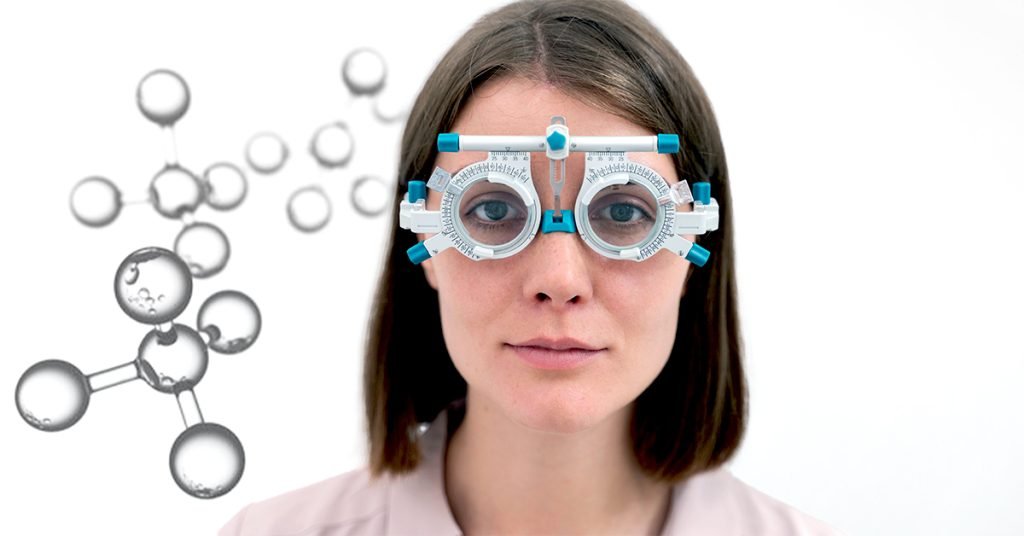
Optic nerve atrophy is a condition characterized by the progressive loss of optic nerve fibers, leading to impaired vision and, in severe cases, permanent blindness. The optic nerve, a crucial part of the visual system, transmits visual information from the retina to the brain. Damage to this nerve can result from glaucoma, optic neuritis, ischemic optic neuropathy, trauma, or hereditary conditions. Traditional treatment options for optic nerve atrophy are limited, focusing primarily on managing underlying causes and preventing further deterioration. However, exosome therapy has emerged as a promising regenerative approach that targets nerve repair at a cellular level.
Exosome therapy harnesses the power of extracellular vesicles secreted by stem cells, which contain growth factors, proteins, and RNA molecules capable of promoting cellular regeneration and neuroprotection. This innovative treatment has shown potential in supporting optic nerve regeneration, reducing inflammation, and improving visual function in patients with optic nerve damage.
Understanding Optic Nerve Atrophy
What is Optic Nerve Atrophy?
Optic nerve atrophy occurs when there is degeneration of the optic nerve fibers. This condition can manifest as gradual vision loss, reduced color perception, or difficulty seeing in low-light conditions. The severity of symptoms depends on the underlying cause and the extent of nerve damage.
Common causes include:
-
Glaucoma: Elevated intraocular pressure leading to optic nerve damage.
-
Ischemic optic neuropathy: Reduced blood flow to the optic nerve.
-
Trauma: Physical injury to the eye or head.
-
Optic neuritis: Inflammation of the optic nerve, often associated with multiple sclerosis.
-
Hereditary conditions: Such as Leber’s hereditary optic neuropathy (LHON).
The progressive nature of optic nerve atrophy often makes early intervention critical. Without timely treatment, the condition can lead to permanent vision impairment.
Symptoms of Optic Nerve Atrophy
Patients with optic nerve atrophy may experience:
-
Blurred or dim vision
-
Reduced peripheral vision
-
Difficulty differentiating colors
-
Decreased visual acuity
-
Blind spots in the visual field
Identifying these symptoms early and seeking specialized care can help prevent further deterioration and improve outcomes with regenerative therapies like exosomes.
What is Exosome Therapy?
Exosomes are tiny extracellular vesicles released by cells, particularly stem cells, that carry proteins, lipids, and genetic material such as microRNAs. These vesicles act as natural communication tools between cells, modulating various biological processes including tissue repair, immune response, and cellular regeneration.
Key components of exosomes include:
-
Growth factors: Promote cell survival and regeneration
-
Cytokines: Modulate inflammation
-
mRNA and microRNA: Influence gene expression in target cells
-
Lipids and proteins: Support cellular repair and communication
In medical research, exosomes derived from mesenchymal stem cells (MSCs) have been extensively studied for their regenerative and neuroprotective properties. Their ability to cross biological barriers and target damaged tissues makes them ideal candidates for treating optic nerve damage.
Discover if Stem Cell Therapy Can Help You!
Book a Free Consultation with Our Experts at Viezec !
How Exosome Therapy Supports Optic Nerve Healing
Exosome therapy is a cutting-edge regenerative treatment designed to repair and protect damaged optic nerves. It works through multiple complementary mechanisms that target the underlying causes of vision loss.
Neuroprotection: Safeguarding Existing Nerve Cells
Damage to optic nerve fibers can accelerate vision loss. Exosomes help preserve remaining nerve cells by:
-
Delivering neurotrophic factors that strengthen neurons
-
Reducing oxidative stress that harms cells
-
Inhibiting apoptosis (programmed cell death)
-
Stabilizing damaged retinal ganglion cells
These actions help slow disease progression and maintain residual vision.
Nerve Regeneration: Stimulating Repair and Growth
Exosomes support the regrowth of nerve fibers (axons) and enhance remyelination, which is crucial for transmitting visual signals from the eye to the brain.
-
Retinal ganglion cells regain some regenerative capacity
-
Neural pathways are reinforced for better signal transmission
-
Visual function can improve gradually over time
This regenerative effect makes exosome therapy a promising option for patients with optic nerve atrophy.
Anti-Inflammatory Action: Creating a Healing Environment
Chronic inflammation often worsens optic nerve damage. Exosomes modulate the immune response, creating conditions favorable for nerve repair:
-
Reduce pro-inflammatory cytokines
-
Promote anti-inflammatory signaling pathways
-
Limit secondary nerve damage
By calming inflammation, exosome therapy enhances both recovery and long-term nerve health.
Blood Flow and Angiogenesis: Nourishing the Optic Nerve
Adequate blood supply is essential for nerve regeneration. Exosomes support angiogenesis, improving vascularization around the optic nerve. Benefits include:
-
Enhanced oxygen and nutrient delivery
-
Support for tissue repair and nerve recovery
-
Particularly helpful in ischemic optic neuropathy
Targeted, Safe, and Minimally Invasive
Exosomes can be delivered directly to affected tissues, maximizing effectiveness while minimizing systemic exposure:
-
Intravitreal or subtenon injections target the optic nerve precisely
-
Well-tolerated with minimal side effects
-
Lower risk of immune rejection or tumor formation compared to stem cell transplants
This targeted delivery ensures that therapy is both safe and highly effective.
Treatment Process: What to Expect
Exosome therapy for optic nerve atrophy is a highly specialized procedure performed at advanced regenerative medicine clinics. Here’s an overview of the treatment process:
Step 1: Consultation and Assessment
-
Comprehensive ophthalmic examination
-
Visual field testing and optical coherence tomography (OCT)
-
Evaluation of underlying conditions causing optic nerve damage
Step 2: Exosome Preparation
-
Exosomes are isolated from mesenchymal stem cells under strict laboratory conditions
-
Quality control ensures purity, potency, and safety
-
The therapeutic dose is determined based on patient condition and severity
Step 3: Administration
Exosomes can be delivered via:
-
Intravitreal injection: Directly into the eye for targeted effect
-
Subtenon injection: Around the eye to allow diffusion to the optic nerve
-
Intravenous infusion: Systemic delivery for multi-organ regenerative effects
Step 4: Post-Treatment Care
-
Regular follow-up to monitor visual improvement and nerve health
-
Protective measures such as avoiding high intraocular pressure and oxidative stress
-
Complementary therapies like neuroprotective supplements or low-level light therapy
Step 5: Outcome Monitoring
Improvement may vary among patients. Some may notice enhanced vision within weeks, while others may require multiple sessions over months. Functional recovery depends on the extent of prior nerve damage and adherence to follow-up care.
Start Your Regenerative Journey Today!
Contact Viezec for Personalized Stem Cell Therapy Plan
Benefits of Exosome Therapy for Optic Nerve Atrophy
Exosome therapy supports optic nerve repair by targeting inflammation and cellular damage rather than only managing symptoms.
Key benefits include:
-
Minimally invasive approach with no surgical recovery
-
Encourages natural optic nerve regeneration at the cellular level
-
Reduces inflammation and oxidative stress that worsen nerve damage
-
Safe and well tolerated, with low risk of immune reaction
-
Can be combined with other neuroprotective treatments for improved outcomes
Clinical Evidence and Research
Several preclinical and clinical studies support the role of exosome therapy in optic nerve regeneration:
-
Animal studies: MSC-derived exosomes promoted retinal ganglion cell survival and axonal growth in models of optic nerve injury.
-
Early clinical trials: Patients with optic neuropathy receiving exosome therapy demonstrated improvements in visual acuity, contrast sensitivity, and visual field outcomes.
-
Mechanistic insights: Exosomal microRNAs were shown to regulate gene pathways involved in neuronal survival, synaptic plasticity, and anti-inflammatory responses.
These findings suggest that exosome therapy can provide a biologically plausible and safe regenerative solution for optic nerve atrophy, though ongoing research is essential for optimizing protocols and long-term efficacy.
Who Can Benefit from Exosome Therapy?
Exosome therapy may be suitable for patients with:
-
Glaucoma-related optic nerve damage
-
Ischemic optic neuropathy
-
Traumatic optic neuropathy
-
Hereditary optic neuropathies like LHON
-
Optic neuritis with incomplete recovery
Important: Early intervention typically yields better outcomes, as irreversible nerve degeneration may limit the potential for recovery in advanced stages. A comprehensive ophthalmologic assessment is crucial to determine candidacy.
Complementary Approaches for Optic Nerve Health
While exosome therapy addresses cellular repair, combining it with supportive strategies may enhance outcomes:
-
Neuroprotective supplements: Omega-3 fatty acids, antioxidants like lutein, zeaxanthin, and vitamins C & E
-
Low-level light therapy (LLLT): May support retinal cell function
-
Lifestyle adjustments: Managing blood pressure, diabetes, and glaucoma
-
Visual rehabilitation exercises: To maximize functional vision
Role of Stem Cells in Regenerative Healing
Stem cells support tissue repair by responding to injury signals and helping stabilize damaged areas. They create a regenerative environment by supporting cell survival, reducing tissue degeneration, and promoting long-term healing in nerves, joints, and organs.
How Exosomes Enhance Stem Cell Effects
Exosomes are bioactive messengers released by stem cells. They deliver growth factors, proteins, and genetic signals that activate repair pathways, reduce inflammation, and protect existing cells. Exosomes work quickly to guide healing without introducing additional living cells.
Why Combining Both Therapies Improves Outcomes
When used together, stem cells provide structural regenerative support, while exosomes deliver targeted molecular signals. This combination improves cellular communication, controls inflammation, and enhances functional recovery more effectively than either therapy alone.
Stem Cell Therapy vs Exosome Therapy
| Aspect | Stem Cell Therapy | Exosome Therapy |
|---|---|---|
| Nature | Living regenerative cells | Cell-free signaling vesicles |
| Main function | Tissue repair and support | Cellular communication and activation |
| Speed of action | Gradual | Faster biological response |
| Immune risk | Low | Very low |
| Best use | Structural regeneration | Inflammation control and signaling |
Is Your Condition Eligible for Stem Cell Therapy?
Speak directly with our specialist.
How Viezec Delivers Regenerative Therapy Services
Viezec provides regenerative therapy in India with a focus on safety, clinical oversight, and personalized care. The service model is designed to support patients seeking advanced, non-surgical treatment options.
Service approach includes:
-
Medical evaluation to determine suitability
-
Structured treatment planning based on patient condition
-
Ongoing monitoring and follow-up care
Exosome Therapy Offered as a Specialized Service
Exosome therapy at Viezec is offered as a targeted regenerative service to support cellular repair and recovery. This approach uses biologically active signaling molecules rather than living cells, making it a controlled and patient-friendly option.
Key service features:
-
Focus on inflammation control and tissue support
-
Minimally invasive administration methods
-
Emphasis on safety and recovery time
Combined Regenerative Services for Patients
Viezec offers combined stem cell and exosome therapy services when clinically appropriate. This service combination allows both long-term regenerative support and active cellular signaling, improving overall treatment effectiveness.
Why patients choose this service model:
-
Non-surgical and minimally invasive care
-
Personalized treatment plans
-
Availability for patients across the globe
Why Choose Exosome Therapy at Viezec?
At Viezec, we specialize in advanced regenerative medicine, providing personalized exosome therapy protocols for optic nerve atrophy and other ocular conditions.
Our approach includes:
-
Thorough diagnostic evaluation using state-of-the-art imaging
-
Customized exosome preparation and dosage
-
Minimally invasive administration by experienced ophthalmologists
-
Continuous follow-up for optimal results
-
Integration of lifestyle and neuroprotective strategies
By combining scientific expertise, clinical experience, and patient-centered care, Viezec ensures the highest standards of safety and efficacy.
Frequently Asked Questions
Yes. Exosome therapy services are available in India through specialized regenerative medicine providers like Viezec. Treatments are offered under clinical protocols with proper medical evaluation and patient consent, following applicable Indian healthcare guidelines.
Patients with neurological, orthopedic, eye-related, or degenerative conditions who have limited response to conventional treatments may be considered. Suitability is determined after a detailed medical assessment to ensure safety and relevance of the therapy.
Stem cell therapy focuses on cellular repair and long-term tissue support, while exosome therapy delivers biological signals that activate healing in existing cells. At Viezec, both services may be used individually or together based on patient needs.
Response time varies by condition and severity. Some patients notice early improvements within weeks, while others experience gradual benefits over several months as cellular repair processes continue.
Viezec provides medically supervised regenerative therapy services with personalized treatment planning, minimally invasive approaches, and structured follow-up care, making it a trusted option for patients across India.
Conclusion
Exosome therapy represents a progressive step in regenerative care, especially for patients seeking non-surgical treatment options. When delivered as a clinical service, it focuses on supporting cellular repair, reducing inflammation, and improving tissue response in a controlled and patient-centric manner.
At Viezec, regenerative therapy services are provided with medical oversight, individualized planning, and a strong emphasis on safety. By offering exosome therapy alone or in combination with stem cell therapy, Viezec supports patients across India who are looking for advanced regenerative solutions aligned with responsible clinical practice.
Patients considering regenerative therapy benefit most from proper evaluation, realistic expectations, and structured follow-up care. With the right guidance and service approach, regenerative therapies can play a meaningful role in long-term health support.
List of References
Exosome-Mediated Delivery of the Neuroprotective Peptide PACAP38 Promotes Retinal Ganglion Cell Survival and Axon Regeneration in Rats With Traumatic Optic Neuropathy
https://www.frontiersin.org/journals/cell-and-developmental-biology/articles/10.3389/fcell.2021.659783/full PubMed
Encapsulated Mesenchymal Stem Cell-Derived Exosomes Promote Optic Nerve Regeneration and Functional Recovery in a Mouse Model
https://pubmed.ncbi.nlm.nih.gov/41067302/ PubMed
Protective Effects of Intravitreal Administration of Mesenchymal Stem Cell-Derived Exosomes in an Experimental Optic Nerve Injury Model
https://pubmed.ncbi.nlm.nih.gov/34454924/ PubMed
Bone Marrow-Derived Mesenchymal Stem Cells-Derived Exosomes Promote Survival of Retinal Ganglion Cells
https://pubmed.ncbi.nlm.nih.gov/28198592/ PubMed
Stem Cell Ophthalmology Treatment Study (ClinicalTrials.gov)
https://clinicaltrials.gov/study/NCT01920867 ClinicalTrials.gov