
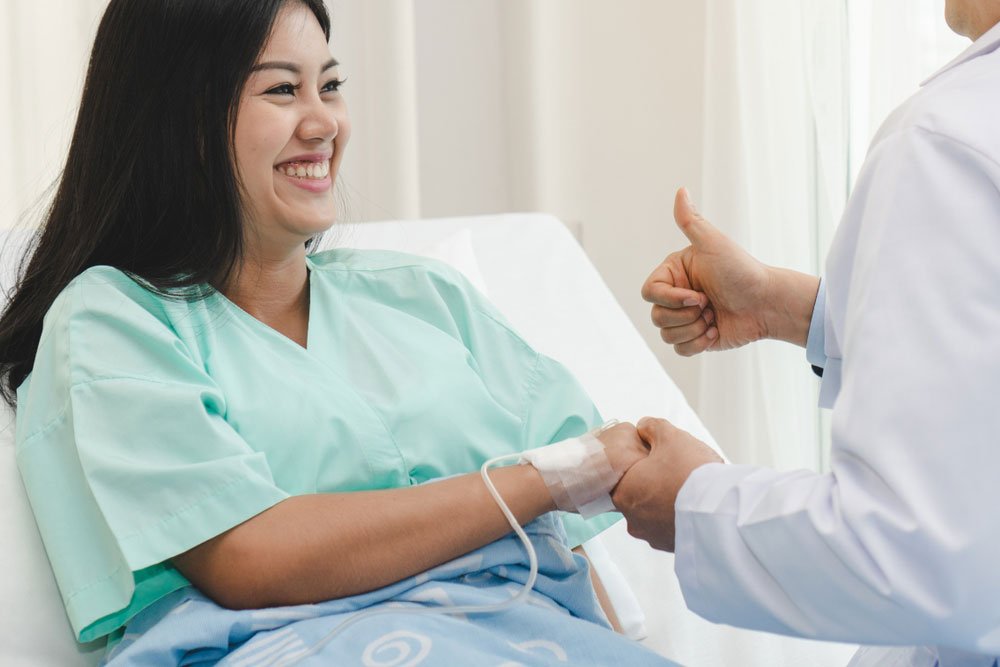
Infertility affects millions of individuals and couples worldwide and can be emotionally, physically, and financially challenging. While conventional treatments such as hormone therapy, assisted reproductive techniques, and surgery help many patients, they do not address the underlying cellular damage that often contributes to infertility.
Exosome therapy is emerging as a regenerative and science-backed approach that focuses on cellular communication, tissue repair, and functional restoration. By targeting the root causes of reproductive dysfunction, exosome therapy offers new possibilities for both male and female infertility.
This page explains how exosome therapy works for infertility, who may benefit, potential outcomes, safety considerations, and how it integrates with modern fertility care.
Understanding Infertility at the Cellular Level
Infertility is not always caused by a single issue. In many cases, it results from chronic inflammation, oxidative stress, hormonal imbalance, poor blood flow, or age-related cellular decline.
Common contributors to infertility include:
-
Damage to reproductive tissues
-
Reduced ovarian or testicular function
-
Poor egg or sperm quality
-
Endometrial receptivity issues
-
Hormonal signaling disruptions
-
Immune-related inflammation
Traditional treatments often bypass these problems rather than repair them. Regenerative therapies such as exosome therapy focus on restoring cellular health, which is critical for reproductive success.
What Is Exosome Therapy?
Exosomes are nano-sized extracellular vesicles naturally released by stem cells. They act as messengers, carrying bioactive molecules such as:
-
Growth factors
-
Proteins
-
Lipids
-
Messenger RNA (mRNA)
-
MicroRNA (miRNA)
These signals regulate tissue repair, immune modulation, angiogenesis, and cellular regeneration. Unlike stem cells, exosomes are cell-free, reducing risks associated with cell-based therapies.
Exosome therapy harnesses these signaling molecules to stimulate the body’s own healing processes.
How Exosome Therapy Works for Infertility
Exosome therapy supports reproductive health by improving the biological environment required for conception.
Key mechanisms include:
-
Reducing inflammation in reproductive organs
-
Enhancing blood supply to ovaries, testes, and uterus
-
Supporting hormonal signaling pathways
-
Promoting tissue regeneration
-
Improving egg and sperm quality
Rather than forcing ovulation or sperm production, exosomes help restore normal physiological function at the cellular level.
Discover if Stem Cell Therapy Can Help You!
Book a Free Consultation with Our Experts at Viezec !
Exosome Therapy for Female Infertility
Female infertility is often linked to declining ovarian function, uterine issues, or hormonal imbalance. Exosome therapy aims to support the entire reproductive system.
Conditions that may benefit include:
-
Diminished ovarian reserve
-
Premature ovarian insufficiency
-
Thin or non-receptive endometrium
-
Recurrent implantation failure
-
Polycystic ovary syndrome (PCOS)
-
Age-related fertility decline
Ovarian Support and Egg Quality
Exosomes may help improve ovarian microenvironment by reducing oxidative stress and supporting follicular development. This can lead to better egg quality and improved ovarian responsiveness.
Endometrial Receptivity
Healthy implantation requires a receptive uterine lining. Exosome therapy may support endometrial regeneration, improve blood flow, and reduce inflammation that interferes with implantation.
Exosome Therapy and Hormonal Balance
Hormones play a central role in fertility. Disrupted signaling between the brain, ovaries, and uterus can prevent ovulation or implantation.
Exosomes influence cellular communication pathways involved in:
-
Estrogen and progesterone responsiveness
-
Follicle-stimulating hormone activity
-
Luteinizing hormone signaling
By improving cellular responsiveness, exosome therapy may help restore natural hormonal rhythms.
Exosome Therapy for Male Infertility
Male infertility contributes to nearly half of all infertility cases. Common causes include poor sperm count, low motility, abnormal morphology, and testicular inflammation.
Exosome therapy supports male reproductive health by addressing underlying tissue and cellular damage.
Potential benefits for male fertility include:
-
Improved sperm concentration
-
Enhanced sperm motility
-
Better sperm morphology
-
Reduced testicular inflammation
-
Improved testosterone signaling
Supporting Spermatogenesis
Sperm production is highly sensitive to oxidative stress and inflammation. Exosomes deliver bioactive signals that may help protect developing sperm cells and improve the testicular environment.
Exosome Therapy and Age-Related Infertility
As age increases, reproductive cells accumulate damage and lose regenerative capacity. This applies to both men and women.
Exosome therapy may help by:
-
Supporting mitochondrial function
-
Reducing cellular aging markers
-
Enhancing tissue repair mechanisms
-
Improving overall reproductive vitality
While exosome therapy does not reverse aging, it may improve the biological quality of reproductive tissues, which is critical for fertility outcomes.
Integration with IVF and Assisted Reproductive Techniques
Exosome therapy is not a replacement for IVF or other assisted reproductive technologies. Instead, it may serve as a supportive therapy.
Potential roles alongside IVF:
-
Improving egg and sperm quality before cycles
-
Enhancing endometrial receptivity
-
Supporting recovery after failed cycles
-
Reducing inflammation related to repeated hormonal stimulation
Many fertility specialists are exploring regenerative therapies to optimize outcomes before conventional procedures.
Treatment Process Overview
Evaluation and Candidacy
A comprehensive medical evaluation is essential before considering exosome therapy. This may include:
-
Hormonal testing
-
Imaging studies
-
Semen analysis
-
Medical and reproductive history
Not all infertility cases are suitable for exosome therapy. Individualized assessment is critical.
Administration Methods
Depending on the clinical plan, exosomes may be administered through:
-
Intravenous infusion
-
Targeted local delivery
-
Combination regenerative protocols
The approach varies based on patient needs and treatment goals.
Expected Outcomes and Timeline
Exosome therapy works by stimulating natural biological processes rather than producing immediate results.
General expectations:
-
Gradual improvements over weeks to months
-
Enhanced reproductive tissue health
-
Potential improvement in fertility parameters
Results vary depending on age, underlying conditions, lifestyle factors, and overall health.
Safety and Ethical Considerations
Exosome therapy is generally considered well-tolerated when sourced and administered responsibly.
Key safety points:
-
Cell-free therapy reduces rejection risk
-
No genetic modification involved
-
Minimal immune reaction when properly prepared
Ethical sourcing and adherence to medical standards are essential. Patients should seek treatment only from qualified providers following regulatory guidelines.
Start Your Regenerative Journey Today!
Contact Viezec for Personalized Stem Cell Therapy Plan
Current Research and Clinical Evidence
Research into exosome therapy for infertility is ongoing. Preclinical and early clinical studies suggest promising roles in:
-
Ovarian regeneration
-
Endometrial repair
-
Testicular tissue support
-
Inflammatory modulation
While larger clinical trials are still needed, regenerative medicine continues to expand as a complementary approach in fertility care.
Who May Be a Good Candidate?
Exosome therapy may be considered for individuals who:
-
Have unexplained infertility
-
Have poor response to conventional treatments
-
Experience age-related fertility decline
-
Have inflammatory or immune-related fertility issues
-
Are preparing for IVF or fertility preservation
A personalized medical consultation is essential to determine suitability.
Lifestyle Factors That Enhance Results
Exosome therapy works best when combined with healthy lifestyle choices.
Supportive factors include:
-
Balanced nutrition
-
Stress management
-
Adequate sleep
-
Avoidance of smoking and alcohol
-
Maintaining healthy body weight
Optimizing overall health enhances the body’s response to regenerative therapies.
Stem Cell Therapy vs Exosome Therapy for Infertility
Infertility can result from cellular and tissue-level damage in reproductive organs. Both stem cell therapy and exosome therapy are regenerative approaches, but they work differently and have distinct advantages and limitations. Understanding these differences can help patients and clinicians decide the most appropriate option.
Key Differences Between Stem Cells and Exosomes
| Feature | Stem Cell Therapy | Exosome Therapy |
|---|---|---|
| Cell Source | Living stem cells | Vesicles secreted by stem cells |
| Mechanism | Differentiates into new cells, replaces damaged tissue | Signals patient’s own cells to repair and regenerate |
| Invasiveness | Often requires harvesting & injection | Minimally invasive, usually injection only |
| Risk | Higher (immune reaction, tumor potential, ethical concerns) | Lower (cell-free, minimal immune reaction) |
| Speed of Action | Gradual, depends on engraftment | May show early functional improvement via signaling molecules |
| Regulatory Consideration | More strictly regulated | Generally easier to administer under clinical supervision |
Is Your Condition Eligible for Stem Cell Therapy?
Speak directly with our specialist.
Why Exosome Therapy Is Gaining Attention
Regenerative Fertility Care in India
India is emerging as a key destination for advanced fertility care, supported by skilled clinicians, improving diagnostics, and growing awareness of regenerative medicine. Infertility in the Indian population is influenced by multiple factors, including metabolic health, hormonal imbalance, environmental exposure, and age-related cellular changes. Exosome therapy is being explored as a regenerative approach that supports cellular signaling and tissue repair, which are critical elements of reproductive health.
At Viezec, exosome therapy for infertility is evaluated through a medical and scientific lens. Each patient undergoes structured assessment to understand the underlying biological factors affecting fertility. This careful approach ensures that regenerative treatment options are considered responsibly and in alignment with accepted clinical and ethical standards in India.
Evidence-Informed Approach at Viezec
Every fertility journey is different. Viezec emphasizes personalized care by combining medical assessment, regenerative science, and patient education. This approach helps individuals understand their options and choose fertility support strategies that align with their long-term goals.
Frequently Asked Questions
Exosome therapy may be considered for unexplained infertility because it focuses on improving cellular communication, reducing inflammation, and enhancing tissue health. In some individuals, fertility challenges exist at a microscopic level that standard tests do not detect, and regenerative support may help improve the reproductive environment.
Exosome therapy is commonly explored before IVF or between IVF cycles to support egg quality, sperm health, and uterine receptivity. Some patients also consider it after unsuccessful cycles to help restore reproductive tissue health before attempting further treatment.
Exosome therapy is a cell-free regenerative approach. Unlike stem cell therapy, it does not involve live cells. Exosomes deliver biological signals that support healing and regeneration, which reduces risks related to immune reactions or uncontrolled cell growth.
Exosomes are known for their immune-modulating properties. In fertility care, this may help balance inflammatory or immune responses that interfere with implantation or sperm function. This aspect is particularly relevant in cases of recurrent implantation failure or chronic reproductive inflammation.
Improvements typically occur gradually, as exosome therapy works by activating natural repair processes. Some individuals may notice changes in hormonal balance, sperm parameters, or endometrial health within a few months, depending on overall health and underlying fertility factors.
Conclusion
Exosome therapy for infertility offers a promising regenerative option for individuals seeking advanced, science-driven fertility support. By enhancing cellular communication, reducing inflammation, and supporting tissue repair, exosomes may help restore reproductive function in both men and women.
While research continues to evolve, exosome therapy stands at the intersection of regenerative medicine and reproductive health, offering new hope where conventional treatments alone may fall short.
A qualified medical consultation is essential to determine whether exosome therapy is appropriate for your fertility journey.
List of References
Exosomes derived from hypoxic mesenchymal stem cell ameliorate premature ovarian insufficiency by reducing mitochondrial oxidative stress
https://www.nature.com/articles/s41598-025-90879-3
Mechanisms and applications of mesenchymal stem cell exosomes in enhancing fertility
Review article — Stem Cell Research & Therapy, 2025
https://link.springer.com/article/10.1186/s13287-025-04729-0
Extracellular vesicles in monitoring and modulation of oocyte competence: focus on exosomes
Ezzati M., Izadpanah M. — Journal of Ovarian Research, 2025
https://ovarianresearch.biomedcentral.com/articles/10.1186/s13048-025-01850-9
Current status and future prospects of mesenchymal stem cell-derived exosomes therapy for premature ovarian insufficiency
https://ovarianresearch.biomedcentral.com/articles/10.1186/s13048-025-01813-0
From biomolecules to breakthroughs: exosomes as next-generation theranostics in female infertility
https://www.frontiersin.org/journals/cell-and-developmental-biology/articles/10.3389/fcell.2025.1605174/full
Ethical & Transparent Patient Guidance
We provide consultation, case evaluation, and patient support services in regenerative medicine.
As per Indian guidelines, stem cell-based interventions (beyond approved uses) are
investigational and available only within regulated clinical research settings.
We also assist patients in accessing internationally accredited treatment pathways.
We Also Offer Treatments For
Testimonials
Related Videos
Recent Blog Posts
4.8 average based on 654 reviews.