How Global Development Delay Impacts Daily Life
Global Development Delay (GDD) significantly affects various aspects of a child’s daily life, often leading to challenges in education, social interactions, and family dynamics.
Challenges in School and Learning
Children with GDD often face difficulties in school settings, where they may struggle to keep pace with peers. They might experience challenges in acquiring basic academic skills, such as reading, writing, and math. This can lead to frustration and a lack of confidence. Special education programs and individualized education plans (IEPs) are crucial in providing tailored support. However, these resources may vary by school district, sometimes limiting access to necessary interventions.
Social and Emotional Impacts
Socially, children with GDD may have trouble forming friendships and engaging in group activities. They might not fully understand social cues, leading to misunderstandings or isolation. This can result in feelings of loneliness and low self-esteem. Emotionally, the challenges they face may lead to anxiety or behavioral issues. Supportive social skills training can help, but it requires consistent practice and encouragement from caregivers and peers.
Parental and Family Support Roles
The role of parents and family members is vital in managing the impacts of GDD. Families often become advocates for their children, seeking resources, therapies, and educational support. This can be both empowering and overwhelming, as navigating these systems requires time and energy. Additionally, families may need to adjust their expectations and routines to accommodate their child’s unique needs. Open communication and collaboration among family members create a supportive environment that fosters development and emotional well-being.
Prognosis and Long-Term Outcomes
Can Children with Global Development Delay Improve?
The prognosis for children with Global Development Delay (GDD) varies significantly based on several factors, including the severity of the delay, early intervention, and the specific developmental areas affected. Many children with GDD can improve substantially with timely and appropriate interventions. Early identification and consistent therapeutic support can lead to significant advancements in cognitive, physical, and social skills. Some children may catch up to their peers, while others may continue to experience challenges into adolescence and adulthood. Continuous monitoring and tailored support are crucial to enhancing their development.
Long-Term Management and Support Plans
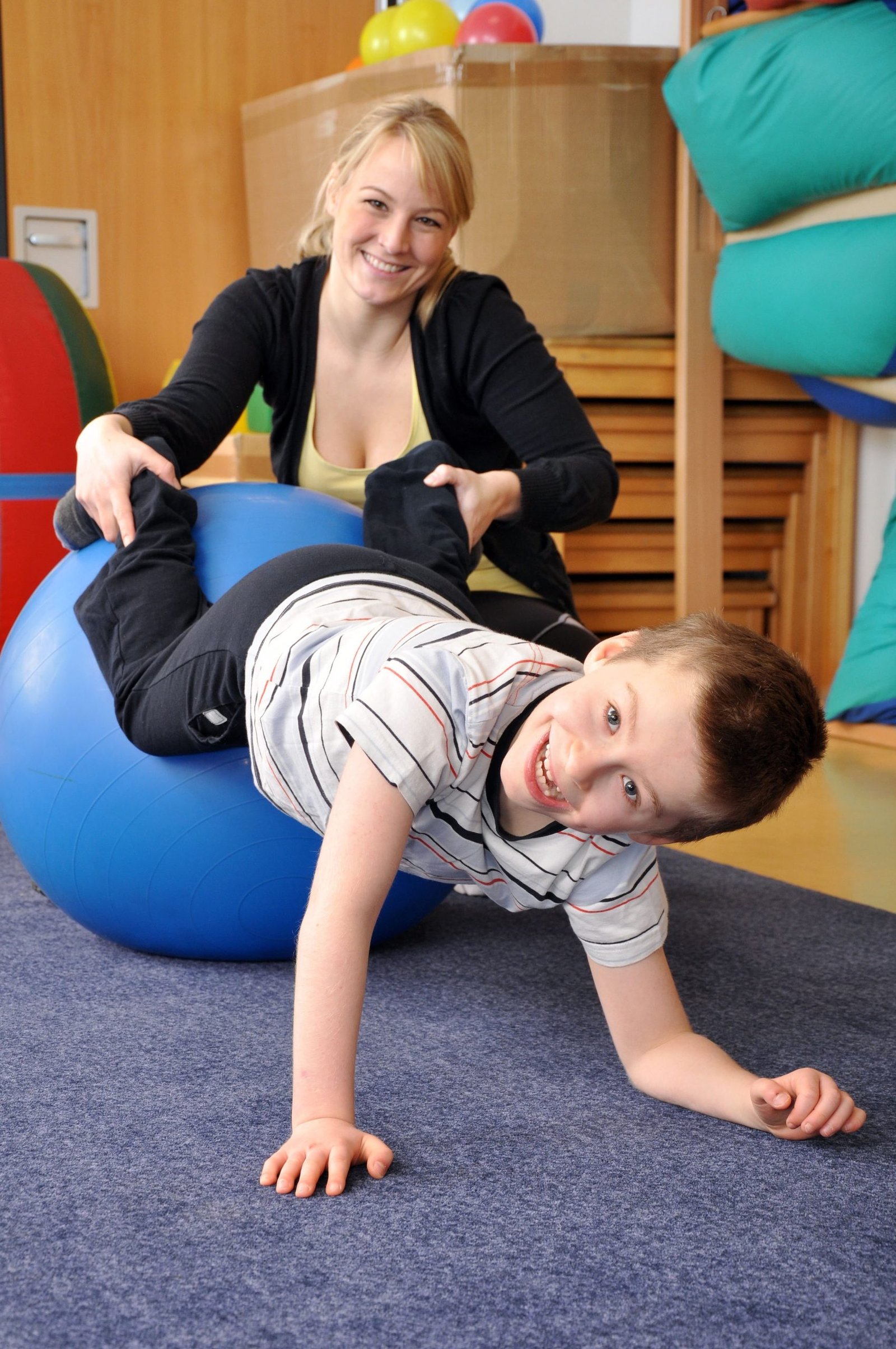
Long-term management for children with GDD involves a comprehensive, multidisciplinary approach. This includes regular assessments to monitor progress, adjusting therapies, and providing educational support. Families often work with a team of professionals, including pediatricians, therapists, and educators, to create individualized plans that address each child’s unique needs. Support may encompass physical, occupational, and speech therapies, as well as behavioral interventions. Additionally, fostering a nurturing home environment and engaging in community activities can significantly improve the child’s quality of life.
Transitioning to Adult Services
As children with GDD reach adolescence, planning for their transition to adult services becomes essential. This process involves preparing them for greater independence and integrating them into adult programs tailored to their skills and needs. Parents and caregivers should explore vocational training, supported employment opportunities, and community programs that promote social engagement and life skills development. Transitioning to adult services requires careful planning to ensure that necessary support systems are in place, helping them navigate adulthood with greater confidence and stability.