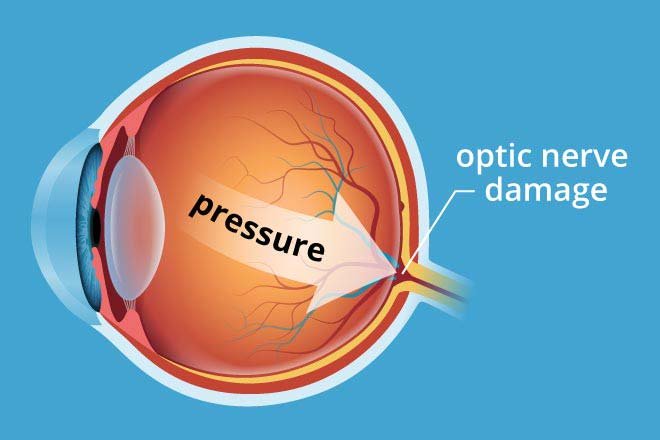
Glaucoma is one of the leading causes of irreversible blindness worldwide. Unlike many eye diseases that primarily affect vision clarity, glaucoma damages the optic nerve, the critical structure responsible for transmitting visual information from the eye to the brain. Once optic nerve fibers are lost, conventional treatments can only slow disease progression. They cannot restore lost vision.
In recent years, regenerative medicine has opened a promising new frontier. Among the most researched approaches is the use of mesenchymal stem cells (MSCs) for repairing glaucomatous optic nerve damage. These cells show potential not only to protect remaining nerve fibers but also to support optic nerve regeneration through neuroprotective and anti-inflammatory mechanisms.
This article provides a clear, evidence-based, and easy-to-understand explanation of how mesenchymal stem cells may help in glaucomatous optic neuropathy, current research insights, clinical considerations, and future possibilities. It is designed for patients, caregivers, and healthcare professionals seeking reliable, high-intent information.
Understanding Glaucoma and Optic Nerve Damage
What Happens to the Optic Nerve in Glaucoma?
Glaucoma primarily affects retinal ganglion cells (RGCs) and their axons, which together form the optic nerve. Elevated intraocular pressure is the most well-known risk factor, but glaucoma can also develop with normal eye pressure. Regardless of pressure levels, the final pathway of damage is progressive optic nerve degeneration.
As glaucoma advances:
-
Retinal ganglion cells undergo apoptosis
-
Optic nerve fibers thin and lose function
-
Visual field defects gradually expand
-
Vision loss becomes permanent once nerve tissue is destroyed
Traditional treatments such as eye drops, laser therapy, or surgery aim to lower eye pressure. While effective at slowing progression, they do not address optic nerve repair or regeneration.
Why Optic Nerve Regeneration Is Challenging
The optic nerve is part of the central nervous system. Unlike peripheral nerves, it has very limited natural regenerative capacity. Several factors contribute to this limitation:
-
Inhibitory molecules in the optic nerve environment
-
Chronic inflammation and oxidative stress
-
Loss of neurotrophic support
-
Poor survival of damaged retinal ganglion cells
Because of these challenges, repairing glaucomatous optic nerve damage requires more than pressure control. This is where mesenchymal stem cell therapy becomes highly relevant.
What Are Mesenchymal Stem Cells?
Mesenchymal stem cells are adult stem cells capable of self-renewal and differentiation. They are commonly derived from:
-
Bone marrow
-
Adipose (fat) tissue
-
Umbilical cord tissue
MSCs do not typically replace damaged nerve cells directly. Instead, they act as biological support systems, influencing the surrounding environment to promote healing and protection.
Key characteristics of mesenchymal stem cells include:
-
Strong anti-inflammatory properties
-
Secretion of neurotrophic growth factors
-
Immunomodulatory effects
-
Ability to support tissue repair
These properties make MSCs particularly attractive for neurodegenerative eye diseases, including glaucoma.
Discover if Stem Cell Therapy Can Help You!
Book a Free Consultation with Our Experts at Viezec !
How Mesenchymal Stem Cells Help Repair Glaucomatous Optic Nerve Damage
Neuroprotection of Retinal Ganglion Cells
One of the most important benefits of mesenchymal stem cells is their neuroprotective effect. MSCs secrete growth factors such as:
-
Brain-derived neurotrophic factor (BDNF)
-
Nerve growth factor (NGF)
-
Ciliary neurotrophic factor (CNTF)
These factors help:
-
Prevent retinal ganglion cell apoptosis
-
Improve cell survival under stress
-
Slow optic nerve degeneration
By protecting remaining nerve fibers, MSC therapy may preserve vision even in moderate to advanced glaucoma cases.
Reduction of Chronic Inflammation
Inflammation plays a significant role in glaucomatous optic neuropathy. Activated microglial cells and inflammatory cytokines accelerate nerve damage.
Mesenchymal stem cells help by:
-
Suppressing pro-inflammatory cytokines
-
Modulating immune cell activity
-
Creating a more favorable environment for nerve survival
This anti-inflammatory action supports long-term optic nerve health.
Support for Axonal Regeneration
Although full optic nerve regeneration remains a scientific challenge, MSCs contribute indirectly by:
-
Promoting axonal repair signals
-
Enhancing neuronal plasticity
-
Reducing inhibitory molecules in the optic nerve environment
Experimental studies suggest that MSC-derived exosomes may play a crucial role in axonal regeneration by delivering microRNAs and proteins to damaged neurons.
Improvement of Ocular Microenvironment
Glaucoma alters the biochemical balance within the eye. MSCs help restore this balance by:
-
Reducing oxidative stress
-
Improving mitochondrial function in neurons
-
Supporting vascular health around the optic nerve
These effects collectively improve the eye’s ability to resist ongoing damage.
Routes of Mesenchymal Stem Cell Administration in Glaucoma
Different delivery methods are being studied to optimize safety and effectiveness:
-
Intravitreal injection for direct retinal support
-
Periocular or sub-Tenon delivery for localized effect
-
Systemic administration for broader neuroprotective influence
Each method has specific advantages and is selected based on disease stage and patient profile.
Start Your Regenerative Journey Today!
Contact Viezec for Personalized Stem Cell Therapy Plan
Who May Benefit From MSC Therapy for Glaucomatous Optic Nerve Damage?
Mesenchymal stem cell therapy may be considered for:
-
Patients with progressive glaucoma despite controlled eye pressure
-
Individuals with optic nerve damage and visual field loss
-
Patients seeking regenerative options alongside conventional care
It is not typically recommended for acute glaucoma emergencies or untreated high intraocular pressure.
Safety and Ethical Considerations
When sourced, processed, and administered correctly, mesenchymal stem cells have demonstrated a favorable safety profile. Important considerations include:
-
Proper cell characterization and quality control
-
Sterile processing environments
-
Ethical sourcing of stem cells
-
Experienced clinical supervision
Reputable centers follow strict protocols to ensure patient safety and regulatory compliance.
Role of Regenerative Medicine Centers in India
India has emerged as a key destination for advanced regenerative medicine due to:
-
Skilled medical professionals
-
Research-driven clinical protocols
-
Cost-effective treatment options
Centers like Viezec, based in India, focus on integrating evidence-based stem cell therapies with ethical standards and patient-centric care. Viezec emphasizes scientific validation, safety, and transparency while exploring regenerative solutions for complex conditions such as optic nerve damage.
Integrating MSC Therapy With Conventional Glaucoma Treatment
Mesenchymal stem cell therapy does not replace standard glaucoma management. Instead, it complements:
-
Intraocular pressure-lowering medications
-
Laser or surgical interventions
-
Lifestyle and nutritional strategies
This integrative approach aims to preserve existing vision while supporting optic nerve health.
Addressing Common Myths About Stem Cell Therapy for Glaucoma
Can MSCs Restore Lost Vision Completely?
Current evidence suggests MSCs primarily help preserve and stabilize vision, rather than fully restore lost sight. Outcomes vary depending on disease stage and individual response.
Is Stem Cell Therapy a One-Time Treatment?
Some protocols involve single administration, while others may consider repeated treatments. Long-term strategies are still under investigation.
Is the Treatment Experimental?
MSC therapy for glaucomatous optic nerve damage is an evolving field. It is grounded in solid scientific research but is best pursued under controlled, ethical clinical frameworks.
Is Your Condition Eligible for Stem Cell Therapy?
Speak directly with our specialist.
The Viezec Approach to Regenerative Eye Care
At Viezec, regenerative therapies are approached with scientific responsibility and patient-first ethics. The focus is on:
-
Evidence-guided application of mesenchymal stem cells
-
Integration with conventional ophthalmic care
-
Transparent discussion of benefits and limitations
By aligning clinical expertise with emerging regenerative science, Viezec contributes to advancing responsible stem cell therapy in India.
Frequently Asked Questions
Mesenchymal stem cells do not directly replace damaged optic nerve fibers. Instead, they help protect remaining retinal ganglion cells, reduce inflammation, and support nerve survival. This can slow disease progression and help preserve existing vision in glaucoma patients.
No. Stem cell therapy is not a cure for glaucoma. It is considered a supportive regenerative approach that may help stabilize optic nerve damage when used alongside standard glaucoma treatments such as eye drops or surgery.
Mesenchymal stem cells release neurotrophic factors that protect retinal ganglion cells, reduce chronic inflammation, and improve the optic nerve microenvironment. These effects contribute to neuroprotection rather than full nerve regeneration.
When performed by experienced medical professionals using properly processed cells, mesenchymal stem cell therapy has shown a favorable safety profile in early clinical studies. Treatment should always follow ethical guidelines and strict clinical protocols.
Patients with progressive optic nerve damage despite controlled eye pressure may be considered for stem cell therapy. A detailed ophthalmic evaluation is essential to determine suitability and expected outcomes.
Final Thoughts
Mesenchymal stem cells represent a promising frontier in the management of glaucomatous optic nerve damage. Through neuroprotection, inflammation control, and microenvironment support, MSCs offer hope beyond pressure reduction alone.
While stem cell therapy is not a cure for glaucoma, it opens new possibilities for preserving vision and improving quality of life. As research evolves, responsible application through experienced centers will remain essential.
For patients seeking advanced, science-driven regenerative options, continued consultation with qualified specialists is the key to informed and safe decision-making.