Stem cell injections are becoming one of the most discussed regenerative treatments in modern medicine. Patients around the world are exploring this option for chronic pain, degenerative diseases, neurological disorders, orthopedic injuries, and autoimmune conditions. However, despite the growing interest, many people still lack clear, reliable, and practical information about what stem cell injections really involve.
This comprehensive guide explains stem cell injections in simple, factual terms. You will learn how they work, what conditions they are used for, how safe they are, what results to expect, and what questions you must ask before deciding on treatment. If you are considering stem cell injections in India or traveling internationally for care, this page is written to help you make an informed decision.
What Are Stem Cell Injections?
Stem cell injections involve introducing stem cells into a targeted area of the body to support tissue repair and regeneration. Stem cells are unique because they can self-renew and develop into specialized cell types such as bone, cartilage, nerve, or muscle cells.
Unlike conventional treatments that focus on symptom control, stem cell injections aim to address the underlying cause of tissue damage by supporting natural healing mechanisms.
These injections are typically used in regenerative medicine protocols under controlled clinical conditions. The type of stem cells, source, dosage, and delivery method vary depending on the patient’s condition.
How Do Stem Cell Injections Work?
Stem cell injections work through multiple biological mechanisms rather than a single action.
Once injected, stem cells may:
-
Release growth factors and signaling molecules
-
Reduce inflammation in damaged tissues
-
Support tissue repair and regeneration
-
Improve local blood supply
-
Modulate immune responses
It is important to understand that stem cells do not always transform directly into new tissue. In many cases, their paracrine effects play a major role. This means they influence the surrounding cells to repair themselves.
Results depend on the patient’s age, diagnosis, disease severity, overall health, and treatment protocol.
Types of Stem Cells Used in Injections
Different types of stem cells are used in clinical practice. Each has specific characteristics and applications.
Mesenchymal Stem Cells (MSCs)
These are the most commonly used stem cells in injections. MSCs can be derived from:
-
Bone marrow
-
Adipose tissue (fat)
-
Umbilical cord tissue
They are widely studied for orthopedic, neurological, autoimmune, and inflammatory conditions.
Hematopoietic Stem Cells
These stem cells primarily form blood cells and are commonly used in bone marrow transplants. Their role in injections for regenerative purposes is limited.
Neural Stem Cells
These are used in specialized research or clinical settings for neurological disorders. Their use is more restricted and condition-specific.
Discover if Stem Cell Therapy Can Help You!
Book a Free Consultation with Our Experts at Viezec !
Common Conditions Treated With Stem Cell Injections
Stem cell injections are explored for a wide range of medical conditions. Outcomes vary and depend on scientific evidence, clinical protocols, and patient selection.
Orthopedic and Musculoskeletal Conditions
-
Hip joint degeneration
-
Shoulder injuries
-
Ligament and tendon injuries
Neurological Conditions
Autoimmune and Inflammatory Disorders
Other Medical Conditions
-
Diabetes complications
-
Chronic wound healing
-
Liver disease support
-
Cardiovascular support therapies
It is essential to note that not all conditions respond equally, and stem cell injections are not a guaranteed cure.
Stem Cell Injection Procedure: Step-by-Step
Understanding the treatment process helps reduce anxiety and builds realistic expectations.
Step 1: Medical Evaluation
The process begins with a detailed medical assessment, including:
-
Medical history review
-
Diagnostic reports
-
Imaging studies if required
-
Eligibility assessment
Only suitable candidates should proceed with treatment.
Step 2: Stem Cell Source Selection
Based on the condition, doctors determine the most appropriate stem cell source. Umbilical cord-derived MSCs are commonly used due to their availability and regenerative potential.
Step 3: Cell Processing and Quality Testing
Stem cells undergo laboratory processing under strict protocols. Quality checks include:
-
Cell viability
-
Sterility testing
-
Cell count confirmation
Step 4: Injection Procedure
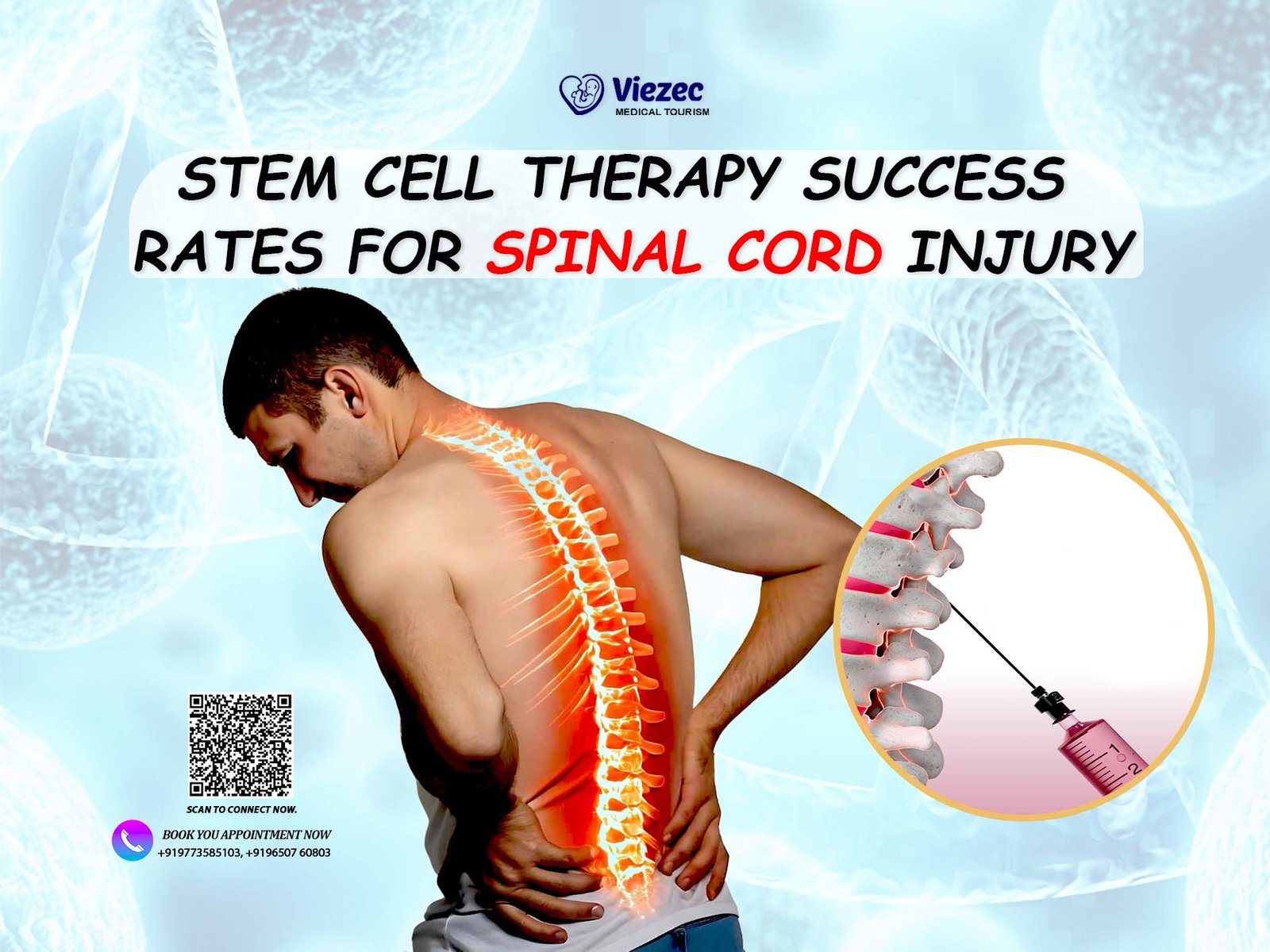
Stem cells are injected into the targeted area using imaging guidance or intravenous delivery, depending on the condition.
The procedure is minimally invasive and usually completed within a short time.
Step 5: Observation and Follow-Up
Patients are monitored for immediate reactions. Follow-up care includes:
-
Recovery guidance
-
Periodic medical evaluations
Start Your Regenerative Journey Today!
Contact Viezec for Personalized Stem Cell Therapy Plan
Are Stem Cell Injections Safe?
Safety is one of the most common concerns among patients.
When performed under regulated clinical settings, stem cell injections have shown a favorable safety profile. Most reported side effects are mild and temporary, such as:
-
Injection site pain
-
Swelling
-
Low-grade fever
-
Fatigue
Serious complications are rare when protocols are followed correctly. However, risks may increase with:
-
Unregulated clinics
-
Poor cell processing
-
Lack of medical supervision
Choosing an experienced provider is essential for minimizing risks.
Effectiveness and Success Rates
There is success rate for stem cell injections. Outcomes vary depending on:
-
Medical condition
-
Disease stage
-
Stem cell type
-
Treatment protocol
-
Patient health status
Some patients experience significant improvement, while others notice moderate or minimal changes. Improvements may occur gradually over weeks or months as the body responds to therapy.
Stem cell injections are often considered supportive or regenerative treatments, not instant cures.
How Long Do Results Last?
The durability of results depends on multiple factors.
-
Acute injuries may show faster improvement
-
Chronic degenerative conditions may require ongoing management
-
Some patients need repeat treatments
Lifestyle factors such as diet, physical therapy, stress management, and compliance with medical advice influence long-term outcomes.
Who Is an Ideal Candidate?
You may be a suitable candidate for stem cell injections if you:
-
Have a chronic or degenerative condition
-
Have limited response to conventional treatments
-
Are medically stable
-
Have realistic expectations
-
Are seeking regenerative support, not miracle cures
Patients with active infections, cancer, or certain blood disorders may not be eligible.
A personalized medical evaluation is always required.
Stem Cell Injections vs Traditional Treatments
Traditional treatments often focus on symptom relief. Examples include pain medications, steroids, or surgery.
Stem cell injections differ because they aim to:
-
Support tissue repair
-
Reduce inflammation naturally
-
Improve function rather than mask symptoms
However, stem cell therapy does not replace emergency care or proven life-saving treatments. It should be considered part of a broader medical strategy.
Cost of Stem Cell Injections in India
India has become a global destination for stem cell therapy due to:
-
Advanced medical infrastructure
-
Experienced clinicians
The cost varies depending on:
-
Condition treated
-
Number of injections
-
Stem cell type
-
Hospital facilities
Compared to many Western countries, treatment in India is often significantly more affordable while maintaining clinical standards.
Viezec, based in India, assist international patients by coordinating treatment planning, medical guidance, and logistical support throughout the process.
Choosing the Right Stem Cell Provider
Selecting the right provider is critical.
Before choosing a clinic, ask:
-
What type of stem cells are used?
-
Are treatments evidence-based?
-
Is the facility regulated?
-
What follow-up care is provided?
-
Are outcomes clearly explained?
Avoid clinics that promise guaranteed cures or immediate results.
Trusted platforms such as Viezec focus on patient education, ethical practices, and transparent communication, helping patients make informed healthcare decisions.
Ethical and Regulatory Considerations
Stem cell therapy is regulated differently across countries. In India, treatments are governed by national guidelines to ensure patient safety and ethical use.
Ethical stem cell practices include:
-
Informed consent
-
Ethical sourcing of cells
-
Transparent communication
-
Medical oversight
Patients should always request documentation and treatment protocols.
What to Expect After Stem Cell Injections
Recovery experiences vary.
Some patients resume normal activities within days. Others may require rest or rehabilitation depending on the condition treated.
Post-treatment expectations include:
-
Gradual improvement
-
Possible temporary discomfort
-
Follow-up assessments
-
Lifestyle modifications
Patience is essential, as regenerative processes take time.
Is Your Condition Eligible for Stem Cell Therapy?
Speak directly with our specialist.
Myths and Misconceptions About Stem Cell Injections
There are many misconceptions surrounding stem cell therapy.
Myth: Stem cell injections work instantly
Fact: Improvement is usually gradual
Myth: One injection cures all conditions
Fact: Results vary and may require multiple sessions
Myth: Stem cell therapy is unregulated everywhere
Fact: Many countries follow strict medical guidelines
Accurate information protects patients from unrealistic expectations.
Questions to Ask Before Treatment
Before proceeding, ask your doctor:
-
What outcomes are realistic for my condition?
-
What evidence supports this treatment?
-
What are the risks and limitations?
-
How will success be measured?
-
What follow-up is required?
Informed patients experience better satisfaction and outcomes.
Why Patients Travel to India for Stem Cell Injections
India attracts international patients due to:
-
Skilled medical professionals
-
Modern hospitals
-
Personalized care
-
Affordable treatment options
-
Comprehensive patient support
Viezec play a role in simplifying the journey for global patients by offering structured guidance and coordination.
Final Thoughts
Stem cell injections represent a promising area of regenerative medicine. They offer hope for patients seeking alternatives to conventional treatments, especially for chronic and degenerative conditions.
However, success depends on proper medical evaluation, ethical practices, realistic expectations, and expert clinical care. Stem cell injections are not magic solutions, but when used appropriately, they can support healing and improve quality of life.
If you are considering stem cell injections, take the time to educate yourself, consult qualified professionals, and choose providers who prioritize patient safety and transparency. Making informed decisions is the first step toward meaningful outcomes.