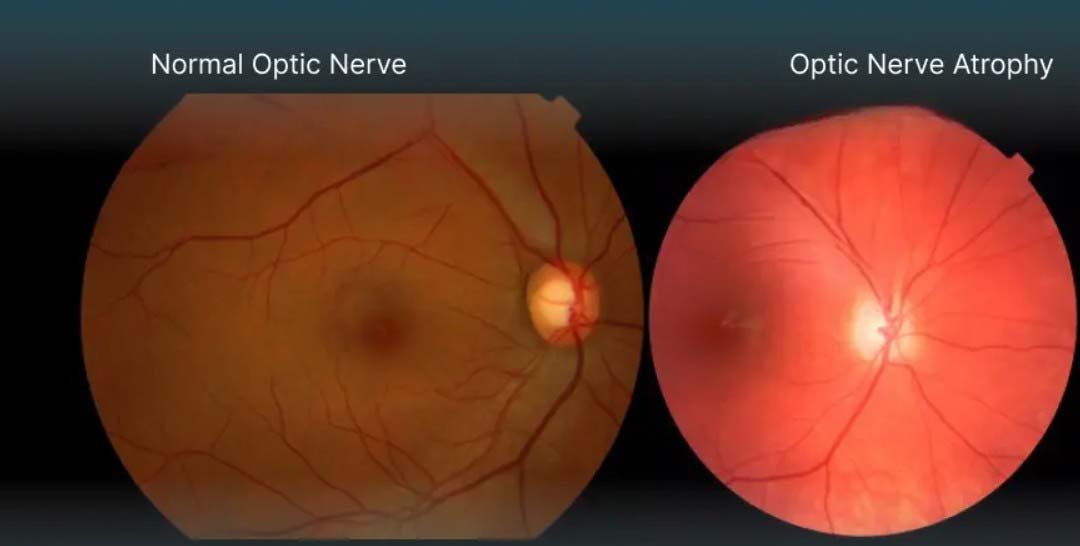
Optic nerve atrophy is one of the most challenging eye conditions because it directly affects the nerve responsible for vision. Once optic nerve fibers are damaged, vision loss can progress silently and often feels irreversible. For many patients, conventional treatments only help manage the underlying cause but offer little hope for restoring nerve function. This is where stem cell treatment for optic nerve atrophy is gaining attention, not as a miracle cure, but as a regenerative approach focused on protection, repair, and functional support of the optic nerve.
This page focuses primarily on the realistic benefits of stem cell therapy for optic nerve atrophy, explained in a natural, patient-friendly manner. The goal is to help patients and families understand why this treatment is being explored worldwide and what meaningful improvements it may offer.
Why Benefits Matter in Optic Nerve Atrophy Treatment
When someone is diagnosed with optic nerve atrophy, the first concern is not technology or medical terms. It is simple and human.
“Will my vision get worse?”
“Is there anything that can help my damaged nerve?”
The value of stem cell therapy lies in its potential benefits, especially in situations where traditional medicine reaches its limits. Rather than focusing only on disease control, stem cell treatment aims to support the optic nerve itself.
Core Benefits of Stem Cell Treatment for Optic Nerve Atrophy
1. Protection of Remaining Optic Nerve Fibers
One of the most important benefits of stem cell therapy is neuroprotection. In optic nerve atrophy, not all nerve fibers are lost at once. Many remain weak but alive.
Stem cells release growth factors and protective proteins that help:
-
Shield existing nerve cells from further damage
-
Reduce toxic stress on fragile optic nerve fibers
-
Support cell survival in a damaged environment
By protecting what remains, stem cell therapy may help slow or stabilize further vision loss, which is often the primary goal for patients in early or moderate stages.
2. Slowing the Progression of Vision Loss
Optic nerve atrophy often worsens over time, even when the original cause is controlled. Stem cell therapy offers a benefit that conventional treatments cannot fully provide.
It may help:
-
Reduce ongoing nerve degeneration
-
Create a healthier environment around the optic nerve
-
Delay further decline in visual function
For many patients, maintaining current vision levels for longer periods significantly improves quality of life and independence.
Discover if Stem Cell Therapy Can Help You!
Book a Free Consultation with Our Experts at Viezec !
3. Support for Nerve Repair and Regeneration
While complete nerve regeneration is still being researched, stem cell therapy provides biological support for repair mechanisms within the optic nerve.
Stem cells can:
-
Encourage repair signaling in damaged nerve pathways
-
Support regeneration at a cellular level
-
Improve communication between surviving nerve cells
Even partial repair can translate into meaningful functional improvements for some patients.
4. Potential Improvement in Visual Function
One of the most discussed benefits is the possibility of functional vision improvement. Outcomes vary, but some patients report improvements such as:
-
Better clarity of vision
-
Improved peripheral awareness
-
Enhanced light sensitivity
-
Better contrast perception
These improvements may appear gradually and differ from person to person, depending on the severity and duration of optic nerve damage.
5. Reduction of Inflammation Around the Optic Nerve
Chronic inflammation plays a major role in nerve degeneration. Stem cells have strong anti-inflammatory properties, which offer several benefits:
-
Reduced swelling and irritation around nerve tissue
-
Less immune-related damage to optic nerve fibers
-
Improved healing conditions for nerve cells
Lower inflammation helps preserve nerve health and may improve treatment outcomes over time.
6. Improvement in Blood Flow and Nutrient Supply
The optic nerve depends on a steady supply of oxygen and nutrients. Poor circulation can worsen nerve damage.
Stem cell therapy may help by:
-
Supporting new blood vessel formation
-
Improving microcirculation around the optic nerve
-
Enhancing oxygen delivery to damaged tissues
Better blood flow supports nerve survival and overall eye health.
7. Holistic Healing Environment for the Optic Nerve
Unlike treatments that target only one symptom, stem cell therapy works on multiple levels at once. This creates a supportive healing environment for the optic nerve.
Benefits include:
-
Cellular repair support
-
Reduced oxidative stress
-
Balanced immune response
-
Long-term tissue stabilization
This multi-layered benefit is why stem cell therapy is considered regenerative rather than symptomatic.
8. Non-Surgical and Minimally Invasive Approach
Another major benefit is that stem cell therapy is generally non-surgical. Most protocols involve injections or infusions rather than invasive eye surgery.
This offers:
-
Lower procedural risk
-
Faster recovery
-
Minimal disruption to daily life
-
Reduced hospital stay
For patients already dealing with vision challenges, this is a significant advantage.
9. Personalized Treatment Potential
Stem cell treatment protocols can be adapted based on:
-
Cause of optic nerve atrophy
-
Patient age and overall health
-
Stage of nerve damage
-
Visual function status
This personalized approach increases the chance of achieving meaningful benefits rather than a one-size-fits-all solution.
Start Your Regenerative Journey Today!
Contact Viezec for Personalized Stem Cell Therapy Plan
10. Potential Long-Term Benefits Rather Than Temporary Relief
Conventional treatments often require continuous management without improving nerve health. Stem cell therapy aims for long-term stabilization and support.
Potential long-term benefits include:
-
Slower disease progression
-
Sustained nerve protection
-
Reduced dependency on symptom-based treatments
This makes stem cell therapy appealing for patients looking beyond short-term relief.
Benefits for Different Stages of Optic Nerve Atrophy
Early Stage Patients
-
Better nerve preservation
-
Higher potential for functional improvement
-
Slower progression
Moderate Stage Patients
-
Stabilization of vision loss
-
Partial improvement in visual function
-
Reduced nerve stress
Advanced Stage Patients
-
Neuroprotective benefits
-
Support for remaining vision
-
Improved comfort and nerve health
Even when vision restoration is limited, protective benefits remain valuable.
Psychological and Quality-of-Life Benefits
Vision loss affects more than eyesight. It impacts emotional well-being and independence.
Stem cell therapy may offer:
-
Renewed hope for patients and families
-
Reduced anxiety about rapid vision decline
-
Improved confidence in daily activities
Knowing that an advanced treatment option exists can itself provide psychological relief.
Is Your Condition Eligible for Stem Cell Therapy?
Speak directly with our specialist.
Why Patients Explore Stem Cell Therapy in India
India has emerged as a destination for regenerative medicine due to:
-
Experienced medical professionals
-
Advanced regenerative protocols
-
Ethical and regulated clinical environments
Viezec, based in India, help patients understand stem cell treatment benefits clearly and responsibly, without unrealistic promises.
Frequently Asked Questions
The main benefits include protection of remaining optic nerve fibers, slowing of vision loss, reduction of nerve inflammation, and potential improvement in visual function such as clarity, contrast, or light perception. Results vary depending on the extent of nerve damage and overall health.
Stem cell therapy does not guarantee full vision restoration. However, it may help stabilize vision, support partial functional improvement, and protect surviving optic nerve cells. Many patients seek treatment to prevent further deterioration rather than complete recovery.
Patients in early to moderate stages of optic nerve atrophy tend to benefit the most. Those with some remaining optic nerve function may experience better stabilization and functional support compared to advanced cases with long-standing nerve damage.
Some patients notice changes within a few weeks, while others may require several months. Improvements usually occur gradually as stem cells work at a biological level to support nerve repair and protection.
When performed by qualified medical professionals using regulated protocols, stem cell therapy is generally considered safe. Proper patient evaluation, ethical stem cell sourcing, and post-treatment monitoring are essential for minimizing risks.
Final Thoughts
The true value of stem cell treatment for optic nerve atrophy lies in its benefit-driven approach. It focuses on preserving vision, protecting nerve health, and offering hope where traditional treatments fall short.
While it is not a cure, stem cell therapy represents a meaningful shift toward regenerative care. For patients seeking advanced options, understanding the real benefits helps make informed and confident decisions.
With responsible guidance from Viezec, patients in India and beyond can explore stem cell therapy with clarity, safety, and realistic expectations.
List of References
Published results showing significant visual improvement in Dominant Optic Atrophy patients treated with autologous bone marrow stem cells.
https://pubmed.ncbi.nlm.nih.gov/32039263/
Official clinical trial listing evaluating safety and efficacy of bone marrow-derived stem cell therapy for optic nerve and retinal damage.
https://clinicaltrials.gov/study/NCT01920867
An ongoing trial exploring purified CD34+/CD133+/CD271+ bone marrow stem cells for optic nerve repair.
https://clinicaltrials.gov/study/NCT02638714