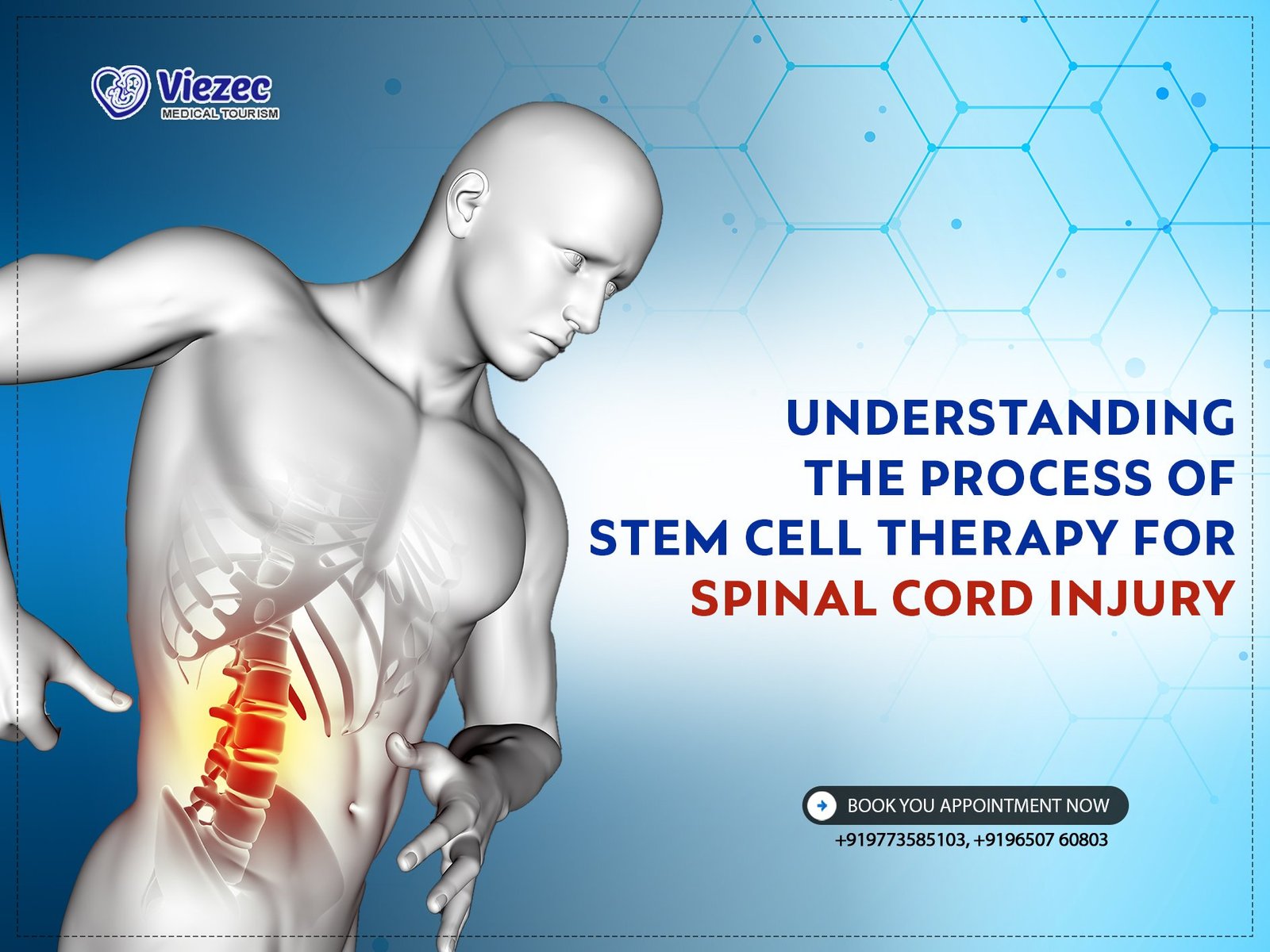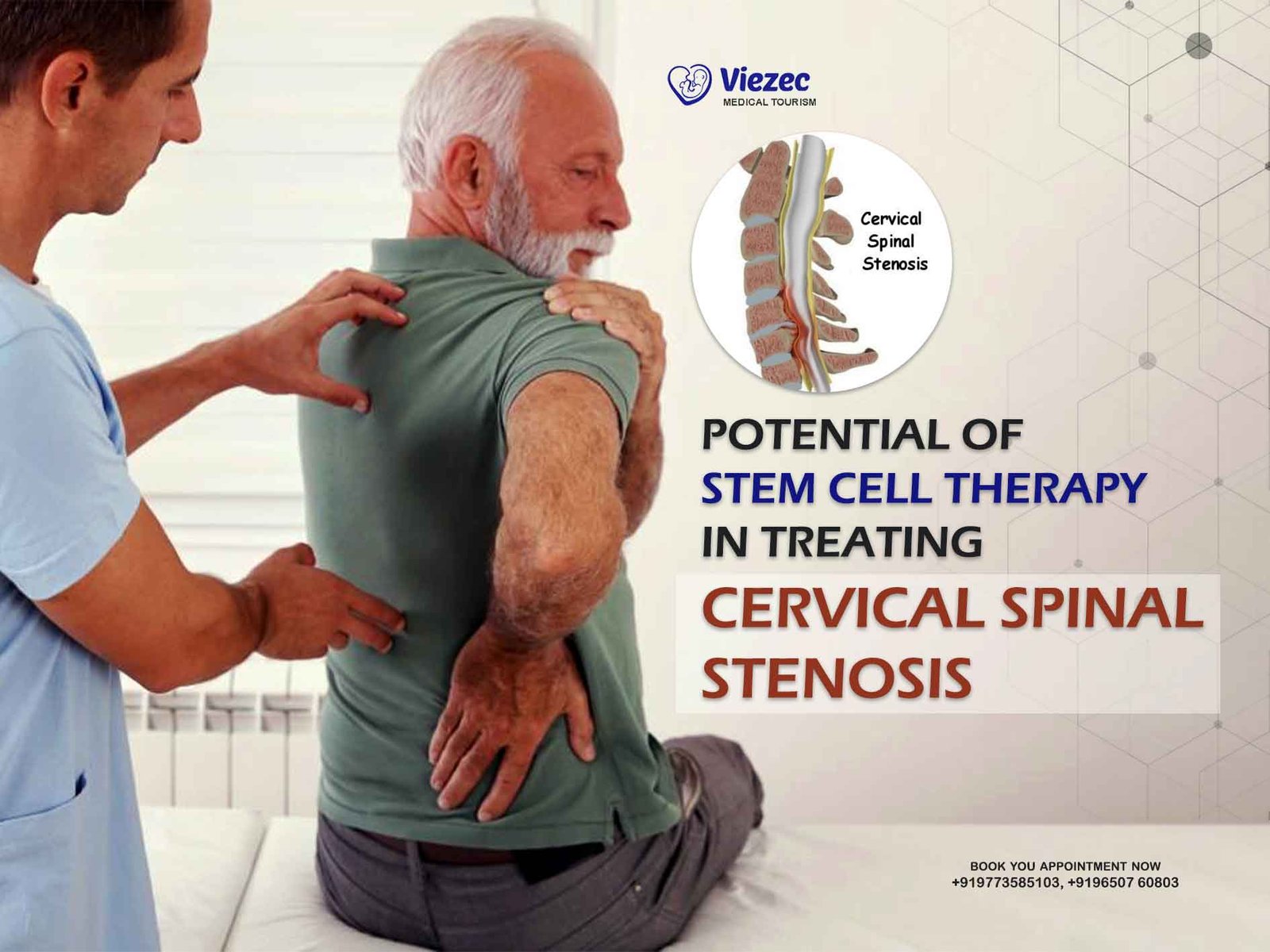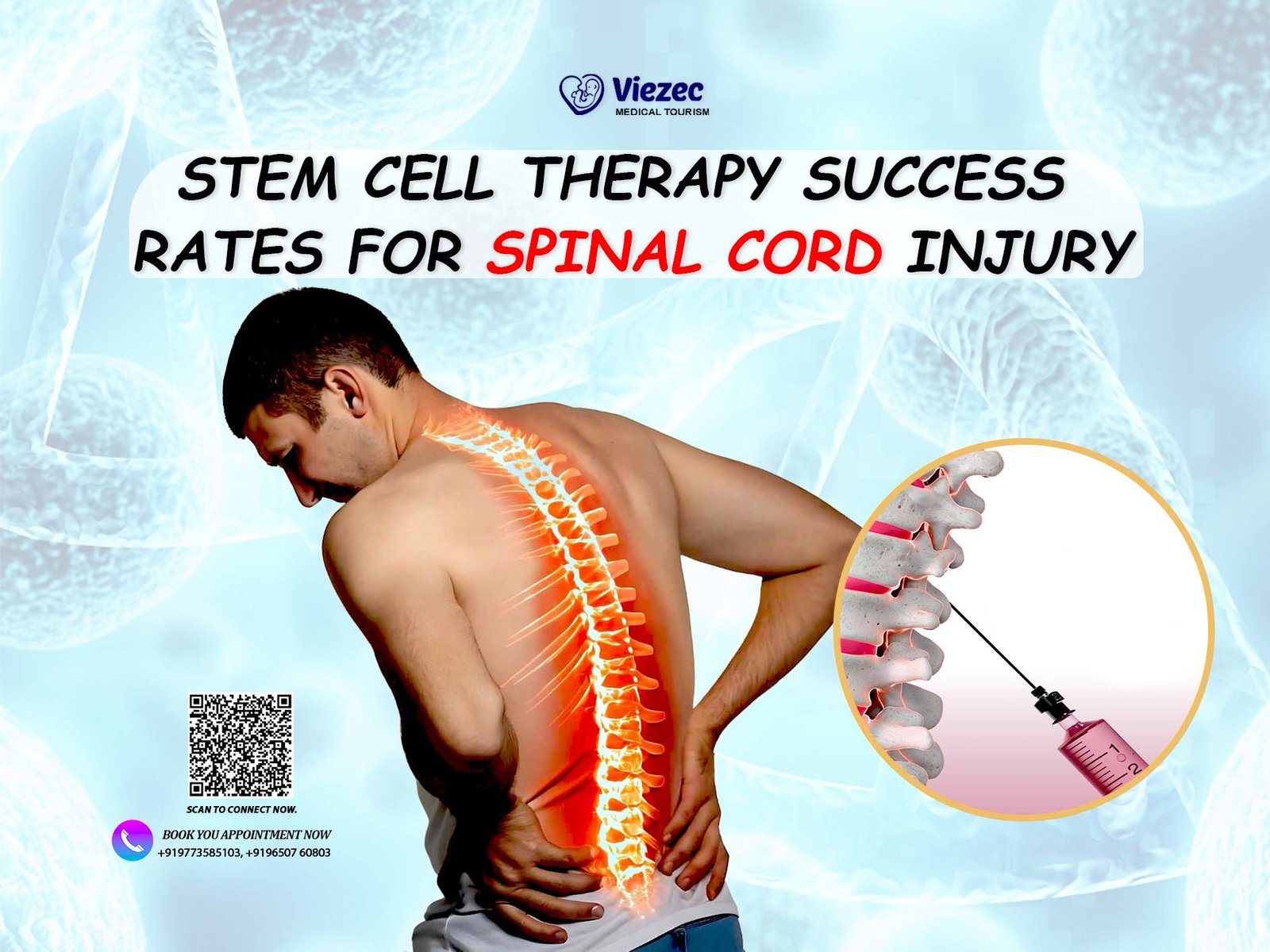

Spinal cord injury is one of the most life-altering medical conditions a person can experience. In a single moment, an accident or trauma can change how the body moves, feels, and functions. For many patients and families, the most common and emotional question is simple yet powerful: can someone with a spinal cord injury ever walk again?
In recent years, stem cell treatment has emerged as one of the most discussed and researched regenerative approaches for spinal cord injury. Clinics, researchers, and patients across the world are exploring whether stem cells can repair damaged nerves, restore lost functions, and improve quality of life.
This page explores the science, current outcomes, limitations, and realistic expectations of stem cell treatment for spinal cord injury. It also explains who may benefit, how the procedure works, and what patients should know before considering treatment.
Understanding Spinal Cord Injury and Paralysis
The spinal cord is the main communication pathway between the brain and the rest of the body. When it becomes damaged, signals that control movement, sensation, and organ function can be partially or completely blocked.
Spinal cord injuries are usually classified into two main types:
Complete Spinal Cord Injury
In a complete injury, there is a total loss of motor and sensory function below the level of injury. The brain cannot send or receive signals past the damaged area.
Incomplete Spinal Cord Injury
In an incomplete injury, some nerve signals still pass through the injured area. Patients may retain partial movement, sensation, or both.
The severity of paralysis depends on:
-
Location of the injury
-
Extent of nerve damage
-
Time since injury
-
Quality of rehabilitation
Traditional treatments focus on stabilization, surgery, medications, and physical therapy. These approaches help prevent further damage but do not regenerate lost nerve tissue. This is where stem cell therapy offers new hope.
What Is Stem Cell Treatment for Spinal Cord Injury?
Stem cells are unique cells with the ability to:
-
Self-renew
-
Differentiate into specialized cells
In spinal cord injury, the goal of stem cell treatment is not just symptom management. The goal is to repair or support damaged nerve pathways, reduce inflammation, and create an environment that allows nerve signals to reconnect.
Stem cells may help by:
-
Replacing damaged neural cells
-
Releasing growth factors that support nerve healing
-
Reducing scar tissue formation
-
Improving blood supply to injured areas
-
Enhancing neuroplasticity
It is important to understand that stem cell therapy is not a miracle cure. Results vary widely based on individual conditions.
Discover if Stem Cell Therapy Can Help You!
Book a Free Consultation with Our Experts at Viezec !
Types of Stem Cells Used for Spinal Cord Injury
Different types of stem cells are being studied and used in clinical settings. Each has unique properties.
Mesenchymal Stem Cells (MSCs)
These are the most commonly used stem cells for spinal cord injury treatment.
Sources include:
-
Bone marrow
-
Adipose tissue
-
Umbilical cord tissue
MSCs are known for their anti-inflammatory and immune-modulating effects. They support nerve repair indirectly by creating a healing environment.
Neural Stem Cells
These cells have the potential to differentiate into neurons and glial cells. Research is ongoing, and their clinical use is still limited.
Induced Pluripotent Stem Cells (iPSCs)
These are adult cells reprogrammed to behave like embryonic stem cells. They show promise but are still largely experimental due to safety concerns.
Most clinical protocols today rely on mesenchymal stem cells because of their safety profile and availability.
Can Stem Cell Treatment Help Patients Walk Again?
This is the most important question, and the answer requires honesty and clarity.
The Short Answer
Stem cell treatment may help some spinal cord injury patients regain partial movement, strength, balance, or sensation, but walking independently again is not guaranteed.
What Research and Clinical Experience Show
-
Patients with incomplete spinal cord injuries tend to show better improvement
-
Early intervention often leads to better outcomes
-
Improvements are usually gradual, not immediate
-
Gains may include muscle control, trunk stability, bladder control, and reduced spasticity
-
Walking aids or assisted walking may become possible in some cases
Complete spinal cord injuries show more limited results. However, even in these cases, patients may experience meaningful improvements in quality of life.
What Kind of Improvements Are Realistically Possible?
Rather than focusing only on walking, it is important to understand the broader benefits patients report.
Possible improvements include:
-
Increased muscle strength
-
Better coordination
-
Improved sitting and standing balance
-
Partial return of sensation
-
Reduced pain and muscle stiffness
-
Improved bladder and bowel control
-
Enhanced independence in daily activities
For many patients, these changes significantly improve confidence, mobility, and mental well-being.
Start Your Regenerative Journey Today!
Contact Viezec for Personalized Stem Cell Therapy Plan
The Role of Rehabilitation After Stem Cell Therapy
Stem cell treatment alone is not enough. Rehabilitation plays a critical role in outcomes.
After stem cell therapy, the nervous system becomes more responsive to training. Physical therapy helps:
-
Strengthen neural connections
-
Teach the body how to use regained signals
-
Improve muscle memory
-
Prevent muscle wasting
Patients who follow a structured rehabilitation plan often achieve better functional gains than those who do not.
Who Is a Good Candidate for Stem Cell Treatment?
Stem cell therapy is not suitable for everyone. Proper evaluation is essential.
Patients who may benefit include:
-
Individuals with incomplete spinal cord injury
-
Patients with stable medical conditions
-
Those who have completed initial surgical treatment
-
Patients willing to commit to long-term rehabilitation
Factors that influence eligibility:
-
Age
-
Level and duration of injury
-
Overall health
-
Presence of severe complications
A detailed medical assessment is always required before treatment.
Safety and Risks of Stem Cell Therapy
When performed in a regulated medical environment, stem cell therapy has shown a good safety profile.
Common side effects may include:
-
Temporary pain at injection site
-
Mild fever
-
Fatigue
Serious complications are rare when protocols follow ethical and medical guidelines.
Patients should be cautious of clinics that promise guaranteed walking recovery or instant results. Ethical providers focus on realistic outcomes and patient safety.
Stem Cell Treatment for Spinal Cord Injury in India
India has emerged as a significant destination for regenerative medicine due to:
-
Advanced medical infrastructure
-
Experienced specialists
-
Cost-effective treatment options
-
Strict clinical protocols
Many international patients choose India for stem cell therapy because it combines quality care with affordability.
Viezec, based in India, works to connect patients with trusted regenerative treatment options while focusing on transparency, education, and ethical care. Viezec emphasizes realistic expectations and patient-centric guidance throughout the treatment journey.
Is Your Condition Eligible for Stem Cell Therapy?
Speak directly with our specialist.
Cost of Stem Cell Treatment for Spinal Cord Injury
The cost varies depending on:
-
Type of stem cells used
-
Number of sessions
-
Hospital stay
-
Rehabilitation requirements
In India, treatment costs are generally lower compared to many Western countries, making therapy more accessible to patients worldwide.
Patients should always request a clear treatment plan and cost breakdown before proceeding.
Current Limitations of Stem Cell Therapy
Despite its promise, stem cell treatment has limitations.
Important points to understand:
-
Nerve regeneration is slow
-
Results vary widely
-
Multiple sessions may be required
-
Long-term data is still evolving
-
Not all patients respond equally
Stem cell therapy should be viewed as a supportive regenerative approach, not a guaranteed cure.
Ongoing Research and Future Possibilities
Research in spinal cord regeneration is advancing rapidly.
Future developments may include:
-
Combination therapies using stem cells and gene therapy
-
Bioengineered scaffolds to guide nerve growth
-
Electrical stimulation combined with regenerative medicine
-
Personalized stem cell protocols
As research progresses, outcomes may continue to improve.
Emotional and Psychological Impact of Recovery
Recovery is not only physical. Mental health plays a crucial role.
Patients often experience:
-
Anxiety
-
Depression
-
Fear of unrealistic expectations
Support from family, therapists, and counselors is essential. Small improvements should be celebrated, as they contribute to long-term motivation.
Choosing the Right Stem Cell Treatment Provider
Before choosing any treatment provider, patients should ask:
-
What type of stem cells are used?
-
What evidence supports the protocol?
-
What outcomes are realistic?
-
What rehabilitation support is included?
Viezec help patients navigate these questions by providing structured guidance, education, and access to experienced medical teams in India.
Frequently Asked Questions
Stem cell treatment may help some patients regain partial movement, strength, or balance after spinal cord injury. Independent walking is not guaranteed and depends on injury type, severity, and rehabilitation.
Patients with incomplete spinal cord injuries, stable medical conditions, and early intervention generally show better outcomes compared to those with complete injuries.
Improvements usually appear gradually over weeks or months. Recovery depends on nerve healing, physical therapy, and individual response to treatment.
When performed under regulated medical protocols, stem cell therapy has shown a good safety profile. Mild side effects like temporary pain or fatigue may occur.
Yes. Rehabilitation is essential to strengthen neural connections, improve mobility, and maximize the benefits of stem cell treatment.
Final Thoughts
Stem cell treatment has changed the conversation around spinal cord injury. While it does not promise miracles, it offers real, measurable hope for many patients.
Some patients may regain partial walking ability with support. Others may experience improvements that restore independence and dignity in daily life. Each journey is unique.
The most important step is making informed decisions based on science, safety, and realistic expectations.
If you or a loved one is exploring regenerative options, understanding the facts is the first step toward meaningful progress.