

Stem cell therapy has become one of the most researched and discussed topics in modern regenerative medicine. As chronic diseases increase and organ damage becomes a leading cause of disability worldwide, researchers are exploring how stem cells might repair, regenerate, or even replace damaged organs. While the field is still evolving, the potential it holds for heart repair, liver regeneration, kidney repair, lung tissue healing, pancreatic cell restoration, and neurological recovery is remarkable.
This guide explores how stem cell therapy works for different organs, its current applications, clinical evidence, limitations, safety considerations, and what the future may hold.
Understanding Stem Cell Therapy for Organ Repair
Stem cells are unique because they can transform into different types of cells—such as heart cells, liver cells, kidney cells, or nerve cells. They also have the ability to self-renew, which makes them powerful tools for medical research and treatment.
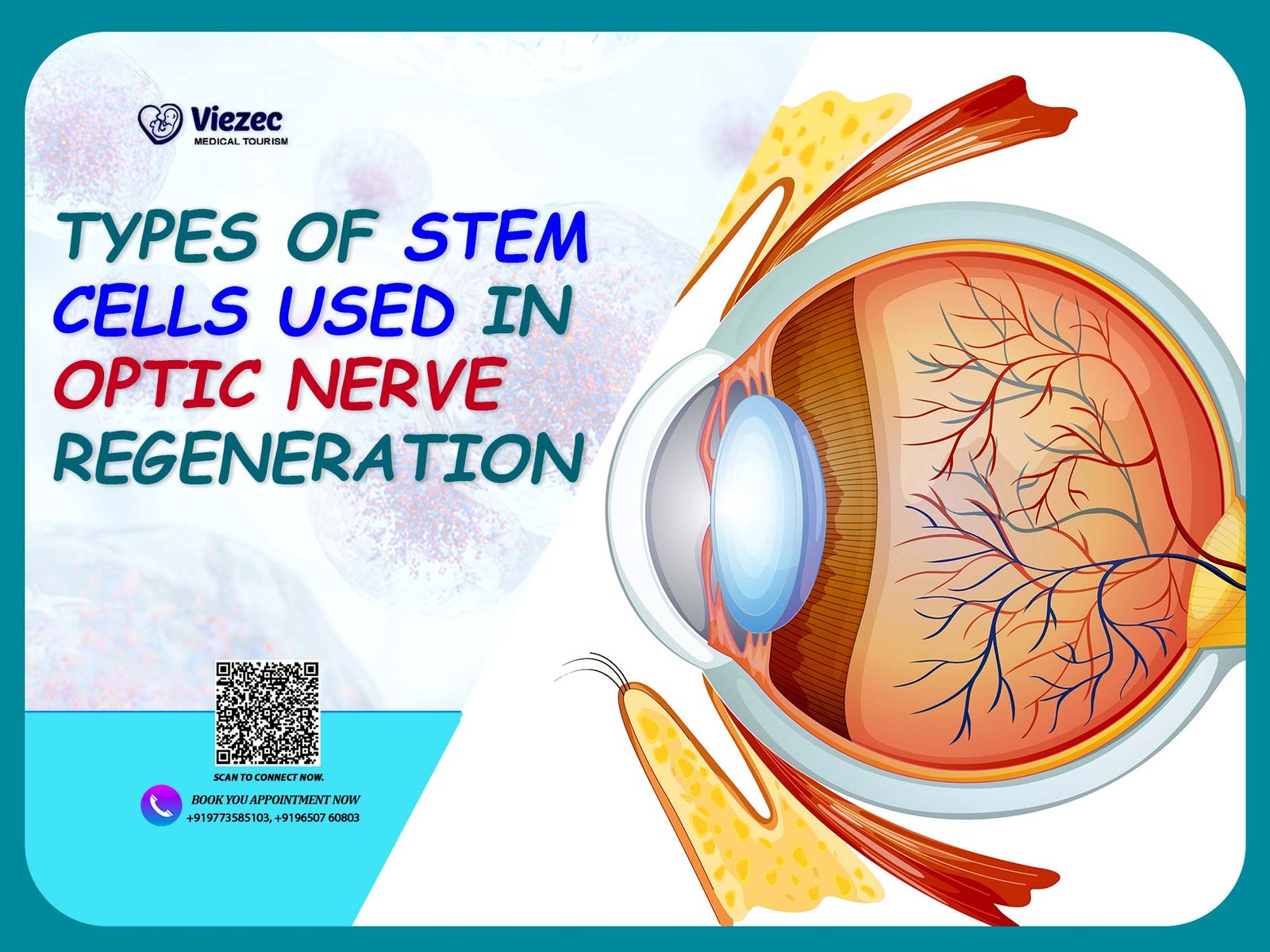
Types of Stem Cells Used for Organ Repair
| Type of Stem Cell | Description | Common Uses in Organ Repair |
|---|---|---|
| Mesenchymal Stem Cells (MSCs) | Adult stem cells found in bone marrow, fat tissue, umbilical cord tissue, and other sources. Known for strong anti-inflammatory and regenerative properties. | Used for heart repair, liver regeneration, kidney healing, lung tissue repair, and reducing inflammation in chronic organ diseases. |
| Hematopoietic Stem Cells (HSCs) | Stem cells that form all blood cells. Commonly sourced from bone marrow, peripheral blood, and cord blood. | Used mainly for blood and immune-related conditions, and supportive therapy for organ repair through immune modulation and regeneration. |
| Induced Pluripotent Stem Cells (iPSCs) | Adult cells reprogrammed back into a pluripotent state so they can become almost any cell type in the body. | Useful in research for organ-specific cell development, disease modeling, and experimental regeneration of heart, liver, pancreatic, and neural tissue. |
| Embryonic Stem Cells (ESCs) | Pluripotent cells derived from early-stage embryos. Capable of becoming any cell type in the human body. | Used primarily in research for organ regeneration, including heart cells, liver cells, pancreatic beta cells, and neural cells. Limited clinical use due to ethical and regulatory considerations. |
| Organ-Specific Progenitor Cells | Specialized stem cells found in specific organs such as liver progenitor cells, neural progenitors, and cardiac progenitors. | Help repair and regenerate the organ they originate from, such as liver repair, neural regeneration, and cardiac tissue healing. |
Each type works differently. MSCs are commonly used for anti-inflammatory and tissue repair purposes. iPSCs can theoretically become any cell type, which is why they are a major part of regenerative medicine research.
Discover if Stem Cell Therapy Can Help You!
Book a Free Consultation with Our Experts at Viezec !
How Stem Cells Help in Organ Regeneration?
Key Mechanisms of Action
Stem cells support organ healing through:
-
Cellular regeneration – replacing dead or damaged cells.
-
Paracrine signaling – releasing growth factors that support healing.
-
Reduction of inflammation – minimizing chronic inflammation that destroys organs.
-
Angiogenesis – helping form new blood vessels.
-
Immune modulation – reducing immune reactions that worsen organ damage.
These actions make stem cell-based therapies a potential alternative for individuals waiting for organ transplants or dealing with chronic organ diseases.
Stem Cell Therapy for Different Organs
Below is an organ-wise breakdown that explains how stem cell therapy is being studied for different organs, what current clinical research shows, and where future potential lies. This section highlights the scientific progress made so far along with practical applications. It also gives a clear view of how regenerative medicine is shaping the future of organ repair.
1. Stem Cell Therapy for Heart Regeneration
Heart diseases remain one of the leading causes of death worldwide. The heart has a very limited natural ability to regenerate, which is why stem cell therapy has gained significant attention.
How Stem Cells Help the Heart?
Stem cells support cardiac healing by repairing damaged heart muscle and reducing scar tissue. They also improve blood flow and promote the formation of new blood vessels.
-
Repair damaged myocardium
-
Reduce post–heart attack scar tissue
-
Improve overall blood circulation
-
Support the growth of new blood vessels
-
Enhance the heart’s natural healing ability
2. Stem Cell Therapy for Liver Regeneration
Stem cell therapy supports the liver’s natural healing ability, especially when chronic conditions such as hepatitis, fatty liver disease, or alcoholic liver damage limit regeneration.
How Stem Cells Support Liver Healing?
Stem cells help restore liver function by repairing damaged tissue and improving overall regeneration. They enhance the liver’s natural healing process through multiple biological mechanisms.
-
Regenerating hepatocytes
-
Reducing liver inflammation
-
Slowing fibrosis
-
Supporting bile duct repair
-
Promoting overall liver tissue recovery
Potential Uses
-
Chronic liver failure
-
Cirrhosis (early stages)
-
Autoimmune liver disease
-
Liver damage caused by toxins
Many studies show stem cells may delay liver disease progression and improve liver function markers.
3. Stem Cell Therapy for Kidney Repair
Kidneys have a very limited ability to regenerate on their own, particularly once long-term damage has occurred. Chronic injury makes it even harder for kidney tissue to repair itself.
How Stem Cells Help Kidneys?
Stem cells support kidney healing by improving cellular repair and reducing damage caused by chronic inflammation. They also help enhance overall kidney function and slow the progression of long-term kidney diseases.
-
Reduce inflammation in renal tissues
-
Improve glomerular filtration efficiency
-
Support regeneration of damaged tubular cells
-
Slow the advancement of chronic kidney disease (CKD)
-
Enhance overall kidney microenvironment for healing
4. Stem Cell Therapy for Lungs
Chronic lung diseases like COPD, pulmonary fibrosis, and asthma cause long-lasting damage that cannot fully reverse on their own.
What Are the Benefits of Stem Cells in Lung Healing?
Stem cells offer several potential advantages when it comes to supporting lung repair and improving respiratory function. They help restore damaged tissue, reduce inflammation, and slow the progression of chronic lung diseases.
-
Reduce persistent airway inflammation
-
Support regeneration of alveolar (air sac) cells
-
Improve overall oxygen exchange in the lungs
-
Slow or limit the development of lung fibrosis
-
Promote healthier lung tissue remodeling
5. Stem Cell Therapy for Pancreas and Diabetes
One of the most promising areas of research focuses on regenerating insulin-producing beta cells for diabetes.
How Stem Cells Could Help Pancreatic Repair?
Stem cells offer several supportive benefits for pancreatic healing, especially in conditions where insulin-producing cells are damaged. They may enhance natural regeneration and improve overall metabolic balance.
-
Regenerate damaged or lost beta cells
-
Boost natural insulin production
-
Reduce pancreatic inflammation
-
Support healthier glucose regulation
-
Slow progression of diabetes-related pancreatic decline
Applications
-
Type 2 diabetes with reduced beta cell function
Although stem cell-based insulin-producing therapies are still in trials, the future looks promising.
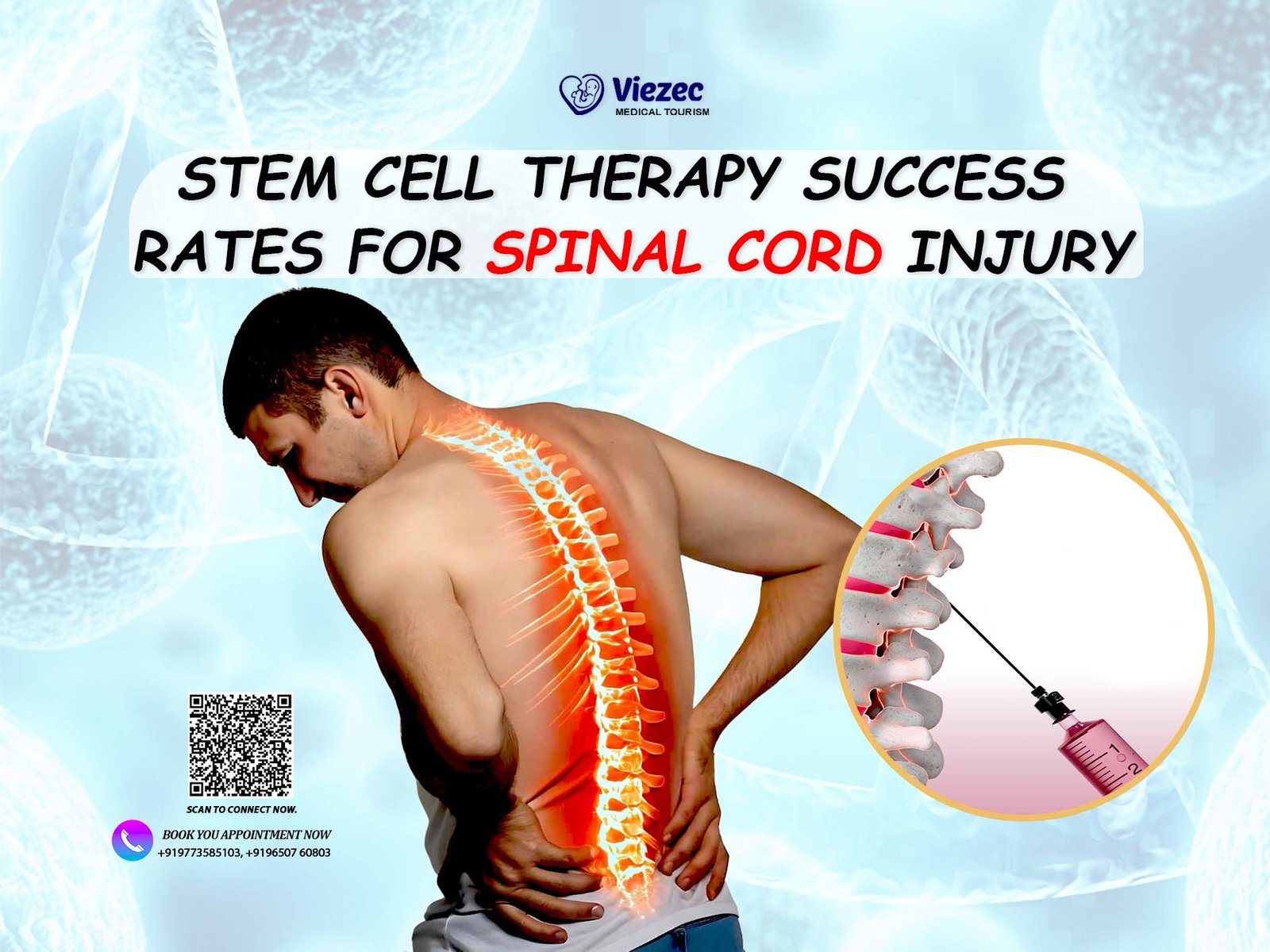
6. Stem Cells for Neurological Organs and the Brain
The brain and spinal cord have minimal natural regenerative ability, which is why neurological organ repair is one of the biggest challenges in medicine.
How Stem Cells Support Neural Repair?
Stem cells play a significant role in helping the brain and nervous system recover by promoting cellular healing and improving overall neural function. They work through multiple mechanisms that support regeneration and reduce long-term damage.
-
Replace damaged or lost neurons
-
Promote healthier synaptic connections
-
Reduce neuroinflammation in affected areas
-
Support repair and regeneration of myelin
-
Encourage growth of new neural pathways
Potential Uses
While therapeutic results vary, many trials show improvement in function, mobility, and cognitive performance in early phases.
Start Your Regenerative Journey Today!
Contact Viezec for Personalized Stem Cell Therapy Plan
Is Stem Cell Therapy Safe for Organ Repair?
Safety depends largely on treatment protocols, cell quality, and the expertise of the medical center. When performed in accredited facilities, stem cell therapy shows a strong safety profile.
General Safety Notes
-
Adult stem cells (especially MSCs) are considered safe in most clinical studies.
-
Very low risk of rejection due to their immune-modulating nature.
-
Side effects are usually mild, such as fatigue, soreness, or low-grade fever.
-
Proper screening, cell processing, and sterile laboratory conditions are essential.
-
Treatment safety increases significantly when administered by trained specialists.
Stem Cell Therapy vs Organ Transplantation
| Factor | Stem Cell Therapy | Organ Transplant |
|---|---|---|
| Invasiveness | Minimally invasive | Major surgery |
| Availability | Readily available | Long waiting lists |
| Recovery Time | Shorter | Longer |
| Rejection Risk | Low | High without lifelong medication |
| Use Case | Early to mid-stage disease | End-stage organ failure |
Stem cells are not replacing organ transplants at present, but they can delay the need for one.
Benefits of Stem Cell Therapy for Organs
Stem cell therapy offers significant benefits for organ repair by promoting regeneration and improving overall function. It supports the body’s natural healing mechanisms while reducing long-term damage.
-
Supports natural tissue healing and regeneration
-
Reduces inflammation and minimizes scarring
-
Improves the function of weakened or damaged organs
-
Potentially delays or prevents progressive organ failure
-
Enhances overall quality of life for patients not eligible for transplants
Who Might Benefit from Stem Cell Therapy for Organ Repair?
Stem cell therapy can be suitable for individuals experiencing early or chronic organ damage, especially when traditional treatments offer limited improvement. It is often recommended for patients who want regenerative, minimally invasive options to support healing and slow disease progression.
Common Candidate Profiles:
-
Patients with chronic organ degeneration
-
Individuals who are not healthy enough for traditional organ transplants
-
People with early-stage liver, kidney, heart, or lung disease
-
Patients looking for regenerative, non-surgical treatment alternatives
-
Those aiming to delay or slow progressive organ damage
Is Your Condition Eligible for Stem Cell Therapy?
Speak directly with our specialist.
Why Choose Viezec for Stem Cell Therapy in India?
Viezec is a premier regenerative medicine center based in India, specializing in organ-specific stem cell therapy for patients worldwide. With a team of trained specialists, advanced laboratory facilities, and personalized treatment protocols, Viezec ensures that each patient receives safe and effective care tailored to their condition.
International patients can benefit from comprehensive support services, including travel arrangements, accommodation guidance, and dedicated care coordination, ensuring a smooth treatment experience. Viezec follows stringent medical and ethical standards, giving patients confidence in the quality and safety of the therapy.
By choosing Viezec, patients gain access to cutting-edge organ-specific stem cell therapy in India, benefiting from expert care, advanced technology, and proven regenerative outcomes, making it a trusted choice for global patients seeking innovative organ repair treatments.
Frequently Asked Questions
Complete organ regeneration is not possible yet, but stem cells can significantly repair tissues and enhance organ function. Ongoing research is moving closer to full regeneration, but it is still in the experimental stage.
The choice depends on the severity and stage of the disease. Stem cell therapy is often preferred for early or moderate organ damage. For advanced failure or severe structural damage, surgery or transplantation remains the recommended option.
Results vary widely based on the condition, patient health, and treatment protocol used. Many clinical observations show improvements lasting several months to multiple years.
The procedure itself usually takes a few hours, including preparation and cell administration. Recovery time is minimal, and most patients return to normal activities the next day.
Patients with advanced organ failure, active infections, or severe uncontrolled chronic diseases may not be suitable. A medical evaluation is required to assess individual safety and expected outcomes.
Stem cell therapy cannot fully transplant whole organs yet, but it can help regenerate parts of the heart, liver, pancreas, and nervous system. Research is ongoing to create lab-grown organs using stem cells.
Yes, stem cell therapy can support repair by reducing inflammation, regenerating damaged cells, and improving organ function. While not a complete cure, it helps slow disease progression and enhances natural healing.
The liver is the only human organ capable of fully regenerating significant portions of its tissue. Other organs can repair partially but not regenerate completely the way the liver can.
Conclusion
Stem cell therapy for organs represents one of the most exciting advances in medicine. It offers hope for patients with chronic organ diseases and provides a pathway toward healing through natural regeneration. While it is not a complete replacement for organ transplantation yet, it has shown strong potential in improving organ function, reducing inflammation, and slowing disease progression.
List of References: -
Ethical & Transparent Patient Guidance
We provide consultation, case evaluation, and patient support services in regenerative medicine.
As per Indian guidelines, stem cell-based interventions (beyond approved uses) are
investigational and available only within regulated clinical research settings.
We also assist patients in accessing internationally accredited treatment pathways.
Natural small molecules synergize mesenchymal stem cells for injury repair in vital organs: a comprehensive review — Stem Cell Research & Therapy (2024)
https://stemcellres.biomedcentral.com/articles/10.1186/s13287-024-03856-4
Mesenchymal stem cells in injury repair of vital organs: from mechanism to clinical application — American Journal of Stem Cells (2025)
https://e-century.us/files/ajsc/14/2/ajsc0164690.pdf
Organ Regeneration Through Stem Cells and Tissue Engineering — Cureus (2023)
https://pmc.ncbi.nlm.nih.gov/articles/PMC9973391/
Enhancing regenerative medicine: the crucial role of stem cell therapy — Frontiers in Neuroscience (2024)
https://doi.org/10.3389/fnins.2024.1269577
(full text at PMC: https://pmc.ncbi.nlm.nih.gov/articles/PMC10881826/)
Advancements and challenges in stem cell transplantation for regenerative medicine — Heliyon (2024)
https://doi.org/10.1016/j.heliyon.2024.e35836
We Also Offer Treatments For
Testimonials
Related Videos
Recent Blog Posts
4.8 average based on 654 reviews.