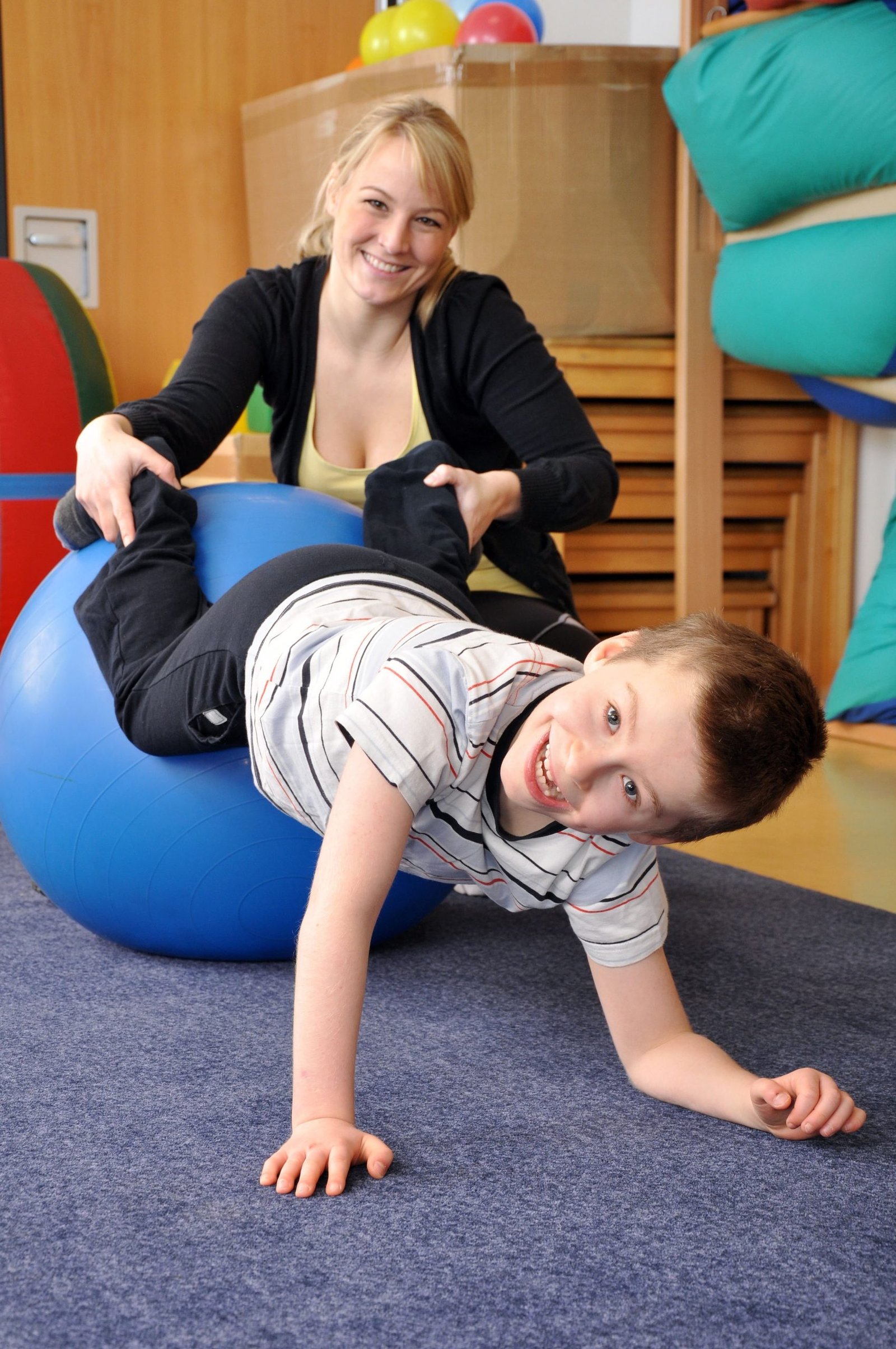
Global Development Delay (GDD) is a condition in which children experience slower progress in reaching developmental milestones across multiple domains, including motor, cognitive, language, and social skills. Children with GDD may take longer to achieve skills such as walking, talking, and interacting socially. Causes vary and can include genetic factors, prenatal influences, or environmental factors. Early identification of GDD is essential for providing timely support through therapies and specialized education programs. Interventions, including physical and speech therapy, help children develop vital skills, improving their quality of life. Early intervention offers the best chance for positive developmental progress.

How Common Is Global Development Delay?

Global Developmental Delay (GDD) affects around 1-3% of children worldwide, though prevalence can vary based on region and factors like genetics, prenatal health, and environmental conditions. GDD is more common among children born prematurely or with specific genetic conditions such as Down syndrome. Early identification is essential, as timely intervention can help improve outcomes. While GDD itself is relatively common, its manifestations vary widely, making personalized care crucial. Increased awareness and screening efforts have also led to more diagnoses, helping families find support and resources sooner.

Early Signs of Global Development Delay

Physical Developmental Delays

Children may show physical delays by missing milestones such as rolling over, crawling, or walking. They might struggle with coordination or exhibit unusual muscle tone, which can affect their ability to play and explore.

Cognitive Developmental Delays

Cognitive delays affect a child’s ability to think, learn, and process information. Children with GDD may show slower progress in language development, struggling to form sentences or understand simple instructions. They might have trouble with memory tasks, problem-solving, and recognizing shapes or colors compared to their peers.

Social and Emotional Developmental Delays

Social and emotional delays can be observed when a child struggles to engage with peers or express emotions appropriately. They may have difficulty understanding social cues or forming attachments, leading to challenges in building relationships.

Causes of Global Development Delay

Global Development Delay (GDD) can arise from a variety of factors, each contributing to the child’s developmental challenges. Understanding these causes is crucial for early identification and intervention.

Genetic Factors

Genetic factors play a significant role in GDD. Certain genetic conditions, such as Down syndrome, fragile X syndrome, and other chromosomal abnormalities, can lead to delays in physical, cognitive, and social development. These conditions often disrupt normal brain development, affecting how children learn and grow. Genetic testing can help identify these underlying issues, enabling targeted support and planning.

Environmental and Prenatal Influences

Environmental factors and prenatal influences are also critical in the development of GDD. Exposure to harmful substances during pregnancy, such as alcohol, drugs, or toxins, can significantly impact fetal development. Maternal health, including nutritional deficiencies and chronic illnesses, also affects the baby’s growth. Additionally, socio-economic factors like lack of access to healthcare, education, and adequate nutrition can contribute to developmental delays.

Health Conditions and Complications

Health conditions and complications during pregnancy or early life can lead to GDD. Premature birth, low birth weight, and complications like infections or oxygen deprivation at birth can hinder normal development. Chronic health issues, such as neurological disorders or metabolic conditions, may also contribute to delays. Early diagnosis and intervention can help manage these complications and improve developmental outcomes for affected children.

Diagnosing Global Development Delay

Screening and Assessment Tools

Developmental screenings are typically the first step in diagnosing GDD. Healthcare providers often use standardized screening tools, such as the Ages and Stages Questionnaires (ASQ) or the Denver Developmental Screening Test. These tools help identify children who may be at risk for developmental delays by assessing various areas like communication, motor skills, and social interactions. Parents’ observations and concerns play a critical role in this process, guiding healthcare professionals in determining whether further evaluation is necessary.

Medical Evaluations and Developmental Testing

Once a potential delay is identified, a more in-depth medical evaluation is conducted. This may involve referrals to specialists such as pediatric neurologists, psychologists, or developmental pediatricians. During this evaluation, comprehensive developmental testing is performed. These tests assess cognitive functioning, motor skills, language abilities, and social-emotional development. Additionally, medical history reviews and physical examinations are conducted to rule out underlying medical conditions that could contribute to developmental delays.

Identifying the Level and Type of Delay

The next step involves identifying the specific level and type of delay. GDD can range from mild to severe, and pinpointing the affected areas—such as cognitive, physical, or emotional—allows for tailored intervention strategies. Multidisciplinary teams often collaborate to ensure that all aspects of the child’s development are considered. This thorough diagnostic process enables healthcare providers to create individualized treatment plans, maximizing the potential for positive outcomes and supporting the child’s growth and development. Early diagnosis and intervention significantly improve a child’s ability to achieve developmental milestones and enhance their overall quality of life.

Treatment Options for Global Development Delay

Therapy-Based Interventions

Therapy-based interventions play a crucial role in supporting children with GDD. Physical therapy targets motor skills, helping children improve coordination and strength. Occupational therapy focuses on daily living skills and fine motor development.

Educational Support Programs

Educational support programs, including individualized education plans (IEPs), provide tailored learning strategies for children with GDD. These programs help accommodate specific needs, ensuring children receive the appropriate resources and guidance to thrive academically.

Family Involvement and Supportive Strategies

Family involvement is essential in the treatment process. Parents and caregivers can implement supportive strategies at home, such as establishing routines, encouraging social interactions, and reinforcing skills learned in therapy.

How Global Development Delay Impacts Daily Life

Global Development Delay (GDD) significantly affects various aspects of a child’s daily life, often leading to challenges in education, social interactions, and family dynamics.

Challenges in School and Learning

Children with GDD often face difficulties in school settings, where they may struggle to keep pace with peers. They might experience challenges in acquiring basic academic skills, such as reading, writing, and math. This can lead to frustration and a lack of confidence. Special education programs and individualized education plans (IEPs) are crucial in providing tailored support. However, these resources may vary by school district, sometimes limiting access to necessary interventions.

Social and Emotional Impacts

Socially, children with GDD may have trouble forming friendships and engaging in group activities. They might not fully understand social cues, leading to misunderstandings or isolation. This can result in feelings of loneliness and low self-esteem. Emotionally, the challenges they face may lead to anxiety or behavioral issues. Supportive social skills training can help, but it requires consistent practice and encouragement from caregivers and peers.

Parental and Family Support Roles

The role of parents and family members is vital in managing the impacts of GDD. Families often become advocates for their children, seeking resources, therapies, and educational support. This can be both empowering and overwhelming, as navigating these systems requires time and energy. Additionally, families may need to adjust their expectations and routines to accommodate their child’s unique needs. Open communication and collaboration among family members create a supportive environment that fosters development and emotional well-being.

Prognosis and Long-Term Outcomes

Can Children with Global Development Delay Improve?

The prognosis for children with Global Development Delay (GDD) varies significantly based on several factors, including the severity of the delay, early intervention, and the specific developmental areas affected. Many children with GDD can improve substantially with timely and appropriate interventions. Early identification and consistent therapeutic support can lead to significant advancements in cognitive, physical, and social skills. Some children may catch up to their peers, while others may continue to experience challenges into adolescence and adulthood. Continuous monitoring and tailored support are crucial to enhancing their development.

Long-Term Management and Support Plans

Long-term management for children with GDD involves a comprehensive, multidisciplinary approach. This includes regular assessments to monitor progress, adjusting therapies, and providing educational support. Families often work with a team of professionals, including pediatricians, therapists, and educators, to create individualized plans that address each child’s unique needs. Support may encompass physical, occupational, and speech therapies, as well as behavioral interventions. Additionally, fostering a nurturing home environment and engaging in community activities can significantly improve the child’s quality of life.

Transitioning to Adult Services

As children with GDD reach adolescence, planning for their transition to adult services becomes essential. This process involves preparing them for greater independence and integrating them into adult programs tailored to their skills and needs. Parents and caregivers should explore vocational training, supported employment opportunities, and community programs that promote social engagement and life skills development. Transitioning to adult services requires careful planning to ensure that necessary support systems are in place, helping them navigate adulthood with greater confidence and stability.


Traditional Approaches to Managing Global Development Delay

Physical and Occupational Therapy

Physical therapy focuses on improving motor skills, balance, and coordination. Therapists design activities that promote muscle strength and enhance physical capabilities. Occupational therapy, on the other hand, targets daily living skills, helping children develop fine motor skills needed for tasks like writing and self-care.

Speech and Language Therapy

Speech therapy is vital for children with GDD, as it addresses communication challenges. Therapists work with children to improve their speech clarity, language comprehension, and social communication skills. Activities may include interactive games, storytelling, and exercises that enhance verbal expression.

Behavioral and Educational Interventions

Behavioral interventions help in developing social skills and managing behaviors. These approaches create a supportive learning environment, often through structured educational programs tailored to the child’s developmental level. Collaborating with educators to implement Individualized Education Plans (IEPs) can significantly enhance a child’s learning experience and progress.

Stem Cell Therapy for Global Development Delay: A New Frontier

Stem cell therapy is emerging as a potential treatment for Global Development Delay (GDD), offering hope for many families. This innovative approach aims to address developmental delays by utilizing the unique properties of stem cells, which can differentiate into various specialized cell types.

How Stem Cells May Address Developmental Delays

Stem cells have the remarkable ability to repair and regenerate damaged tissues in the body. In the context of GDD, stem cells may help stimulate brain repair and support the growth of new neural connections. By targeting areas of the brain affected by developmental delays, stem cell therapy may enhance cognitive, motor, and social skills. While research is still in its early stages, initial findings suggest that administering stem cells could lead to significant improvements in various developmental domains.

Current Research and Clinical Trials

Current research on stem cell therapy for GDD is promising, with several clinical trials underway. These studies aim to explore the safety and efficacy of different types of stem cells, such as mesenchymal stem cells derived from umbilical cord tissue or bone marrow. Researchers are investigating how these stem cells can be administered and their potential long-term benefits for children with GDD. Preliminary results have shown improvements in cognitive function, motor skills, and overall development in some participants.

As more trials progress, it is crucial for families considering this option to stay informed about ongoing research and developments in stem cell therapy for GDD. Consulting with medical professionals can help families weigh the potential benefits and risks, ensuring the best course of action for their child. Stem cell therapy represents an exciting frontier in managing GDD, offering hope for improved outcomes in the future.

Benefits of Stem Cell Therapy in Managing Developmental Delays

Potential Cognitive Improvements

One of the most significant benefits of stem cell therapy is its potential to improve cognitive functions. Research indicates that stem cells may stimulate the brain’s ability to repair and regenerate damaged cells, which could enhance memory, attention, and problem-solving skills. Parents have reported notable improvements in their children’s ability to process information, communicate, and engage in learning activities. Early intervention through stem cell therapy may lead to better cognitive outcomes and a more positive educational experience for children.

Enhanced Motor Skill Development

Stem cell therapy may also contribute to enhanced motor skill development. Children with developmental delays often struggle with fine and gross motor skills, impacting their ability to perform everyday tasks. Stem cells have the potential to regenerate damaged muscle and nerve tissues, which can lead to improvements in coordination, balance, and strength. As children undergo therapy, they may experience greater independence in physical activities, fostering confidence and self-esteem.

Potential for Long-Term Benefits

The long-term benefits of stem cell therapy extend beyond immediate improvements. Ongoing research suggests that early and consistent stem cell treatments may result in sustained developmental gains over time. This could mean better outcomes in adulthood, including increased opportunities for education, employment, and social integration. By investing in stem cell therapy, families may pave the way for a brighter future for their children, enhancing their overall quality of life.

Is Stem Cell Therapy Right for Your Child? Key Considerations

Consulting with Medical Professionals

When considering stem cell therapy for your child with Global Development Delay (GDD), consulting with medical professionals is crucial. Start by discussing your child’s condition with a pediatrician or a specialist in developmental disorders. These experts can provide insights into the suitability of stem cell therapy based on your child’s specific needs and circumstances. They can evaluate the potential impact of the therapy, recommend reputable clinics, and explain the types of stem cells being considered.

Weighing the Benefits and Risks

Weighing the benefits and risks of stem cell therapy is essential in making an informed decision. On one hand, stem cell therapy may offer potential improvements in cognitive and motor skills, helping your child progress in areas where they may struggle. Preliminary research suggests that stem cells could enhance brain repair and development, leading to positive outcomes.

Global Development Delay vs. Other Developmental Disorders

Understanding Global Development Delay (GDD) is essential, especially when comparing it to other developmental disorders. Each condition presents unique characteristics, challenges, and treatment approaches.

Differences from Autism Spectrum Disorders

While both GDD and Autism Spectrum Disorders (ASD) involve developmental delays, their core symptoms and focus areas differ significantly. GDD is characterized by delays in multiple developmental domains, including motor, cognitive, social, and communication skills. In contrast, ASD primarily affects social communication and behavior, with individuals often displaying restricted interests and repetitive behaviors. Children with ASD may have typical cognitive skills but struggle significantly with social interactions. While both conditions require support, the strategies for intervention may vary. For instance, children with GDD may benefit from a broader range of therapies targeting multiple developmental areas, while those with ASD might focus more on social skills and communication therapies.

Global Development Delay vs. Intellectual Disability

GDD and Intellectual Disability (ID) are often confused, but they are distinct. GDD is a diagnosis for children under the age of five who show delays in achieving developmental milestones. These delays can improve over time, especially with early intervention. In contrast, ID is defined by limitations in intellectual functioning and adaptive behaviors, typically identified through IQ testing, with an IQ score below 70. ID is a lifelong condition and is often associated with a range of cognitive impairments.

While GDD, ASD, and ID may share overlapping traits of developmental challenges, each condition requires tailored interventions to address its specific needs. Early diagnosis and intervention can significantly improve outcomes across all these disorders.

FAQs

What age can global development delay be diagnosed?

GDD can often be identified as early as 18 months to 3 years, depending on developmental milestones.

Can children outgrow global development delay?

Some children can catch up with intensive support, while others may experience lifelong challenges.

Is global development delay a lifelong condition?

The outcomes vary, with some children improving over time and others needing long-term support.

What is the role of early intervention?

Early intervention can significantly improve outcomes by providing timely support and therapy.

How can parents support a child with global development delay?

Parents can support by creating a structured environment, engaging in therapy activities, and accessing specialized programs.

What resources are available for families?

Families can access therapy services, support groups, and financial assistance programs to support their child’s development.

How does global development delay differ from other developmental disorders?

GDD affects multiple developmental domains, whereas other disorders, like ASD, may have more specific impacts on communication or social skills.

Menu