Stem cell therapy has been making headlines in recent years as a groundbreaking treatment for various injuries and chronic conditions. From sports injuries to arthritis, patients are increasingly curious about how stem cells can help their bodies heal. But how exactly do stem cells repair tissue? In this guide, we’ll break it down in simple terms, explain the science behind it, and explore what patients can realistically expect.
What Are Stem Cells?
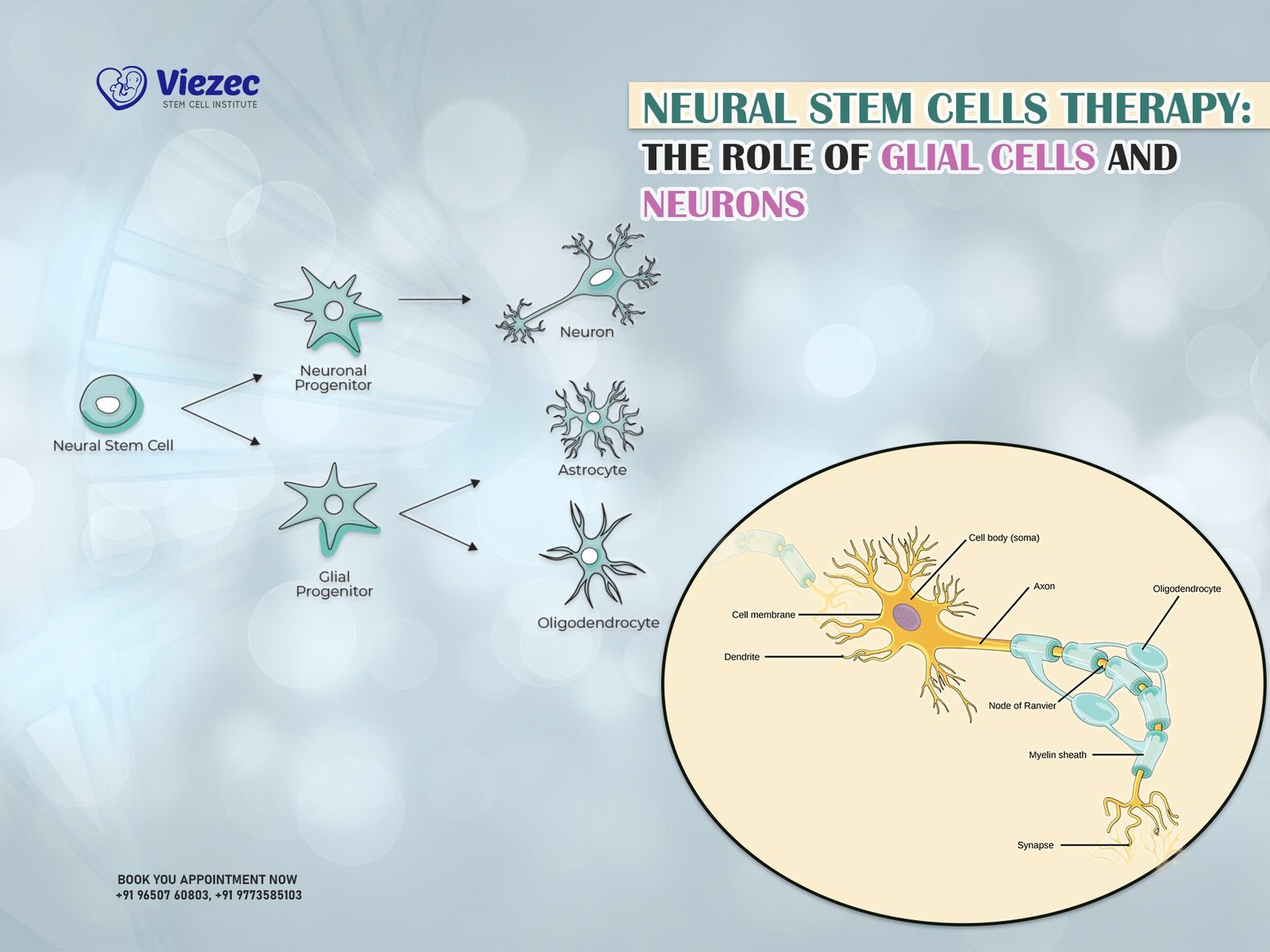
Stem cells are unique cells in the body capable of developing into different types of specialized cells. Unlike regular cells, they have two key properties:
-
Self-renewal: They can divide and produce more stem cells.
-
Differentiation: They can transform into specialized cells, such as bone, muscle, cartilage, or tendon cells.
Types of Stem Cells
Stem cells are generally categorized into several types:
-
Embryonic stem cells: Found in early-stage embryos; capable of becoming any cell type.
-
Adult stem cells: Found in various tissues like bone marrow and fat; limited in the types of cells they can become.
-
Induced pluripotent stem cells (iPSCs): Adult cells reprogrammed in a lab to behave like embryonic stem cells.
For musculoskeletal conditions and tissue repair, adult stem cells, especially mesenchymal stem cells (MSCs), are most commonly used. These cells are found in bone marrow, adipose tissue, and even some blood sources.
How Stem Cells Repair Tissue: The Science Explained
Stem cells can repair tissue in two main ways:
Differentiation into Specialized Cells
When injected into damaged tissue, stem cells can transform into the specific type of cell that is needed. For example:
-
Muscle stem cells can become muscle fibers.
-
Cartilage stem cells can become chondrocytes, which make up cartilage.
-
Bone marrow stem cells can become osteoblasts, which help repair bone.
Secreting Healing Signals
Stem cells do more than just replace damaged cells. They also release signaling molecules that help:
-
Reduce inflammation
-
Stimulate existing tissue to repair itself
-
Encourage blood vessel formation (angiogenesis)
-
Modulate immune responses to prevent excessive scarring
This dual action—cell replacement and signaling support—is what makes stem cell therapy so promising.
Discover if Stem Cell Therapy Can Help You!
Book a Free Consultation with Our Experts at Viezec !
Conditions Where Stem Cells Can Help
Stem cell therapy is being studied and used for various musculoskeletal conditions. Here are some of the most common:
Musculoskeletal Conditions
-
-
Stem cells can regenerate cartilage and reduce joint pain.
-
-
Tendon Injuries (Tendinopathy)
-
Promote healing of torn or inflamed tendons.
-
-
Ligament Damage
-
Supports repair after sports injuries.
-
-
Muscle Tears
-
Encourages faster and stronger muscle recovery.
-
-
Bone Fractures
-
Especially useful in slow-healing or complex fractures.
-
Other Emerging Uses
-
Intervertebral disc repair
-
Meniscus regeneration in the knee
-
Rotator cuff injuries
How Stem Cell Therapy is Performed?
Stem cell therapy is generally minimally invasive and can be done in an outpatient setting. Here’s what a patient can expect:
Step 1: Stem Cell Collection
-
Bone marrow aspiration: Stem cells are collected from the hip bone.
-
Fat tissue extraction (liposuction): Adipose tissue contains a high concentration of MSCs.
-
Blood draw: Some therapies use stem cells from peripheral blood.
Step 2: Stem Cell Processing
-
Collected cells are concentrated in a lab.
-
Sometimes, cells are combined with platelet-rich plasma (PRP) to enhance healing.
Step 3: Injection Into the Target Area
-
The stem cells are injected precisely into the injured tissue using imaging guidance (like ultrasound).
-
Procedure usually takes less than an hour.
-
Recovery is typically fast, with minimal downtime.
Benefits of Stem Cell Therapy for Tissue Repair
Stem cell therapy provides a promising alternative to traditional treatments by harnessing the body’s own repair mechanisms. It not only targets the root cause of tissue damage but also supports long-term healing with minimal disruption to the patient’s daily life.
-
Natural healing: Stimulates the body’s own cells to repair damaged tissue.
-
Minimally invasive: Often performed with simple injections, avoiding major surgery.
-
Pain reduction: Helps decrease inflammation and improves comfort in affected areas.
-
Long-term improvement: Some patients experience sustained tissue regeneration and better function over time.
Start Your Regenerative Journey Today!
Contact Viezec for Personalized Stem Cell Therapy Plan
How Fast Can You Expect Results?
The timeline for improvement after stem cell therapy depends on several factors, including the type and severity of the condition, the patient’s age, overall health, lifestyle habits, and the source and quality of stem cells used. While some patients notice subtle changes within a few weeks, tissue regeneration is a gradual process, and full benefits may take months to manifest. Consistent follow-up care, physical therapy, and proper nutrition can all influence recovery speed.
| Condition | Typical Improvement Timeline | What to Expect |
|---|---|---|
| Osteoarthritis | 4–12 weeks | Patients may experience reduced joint pain, less stiffness, and improved mobility. Gradual cartilage repair continues over several months. |
| Tendon injuries (tendinopathy, partial tears) | 6–12 weeks | Early improvements usually include reduced inflammation and pain. Tendon strength and flexibility gradually return as tissue regenerates. |
| Muscle tears or strains | 3–8 weeks | Mild pain and soreness typically improve first. Full muscle strength and function may take additional weeks of physical therapy. |
| Bone fractures or slow-healing bones | 6–16 weeks | Pain relief and initial bone healing may be noticeable within a few weeks. Complete structural repair and bone density restoration usually take longer. |
It’s important to remember that stem cell therapy supports the body’s natural healing processes, rather than providing instant fixes. Patients often notice gradual improvements, such as reduced pain, increased range of motion, and enhanced function, before the underlying tissue is fully restored. Recovery timelines can vary widely, so maintaining realistic expectations and adhering to post-treatment guidelines is key for optimal results.
Supporting Healing After Stem Cell Therapy
Even after receiving stem cell therapy, how you care for your body plays a crucial role in achieving the best results. Proper post-treatment support can help the stem cells integrate into the tissue and improve overall recovery.
-
Physical therapy: Gentle exercises and targeted movement help strengthen muscles and joints, promoting better tissue repair.
-
Nutrition: A balanced, protein-rich diet provides the building blocks your body needs for healing.
-
Rest and gradual activity: Give the treated area time to recover and avoid putting too much strain too soon.
-
Follow-up appointments: Regular check-ins with your healthcare provider ensure progress is on track and any issues are addressed promptly.
Common Myths About Stem Cells
Myth 1: Stem Cells Can Cure Everything
Many people believe stem cells are a miracle solution for all health issues. In reality, they are most effective for targeted injuries and specific conditions.
-
Stem cells are not a universal cure.
-
They work best for musculoskeletal and tissue repair.
-
Research is ongoing for other applications.
-
Outcomes vary depending on the patient and condition.
Myth 2: Stem Cell Therapy is Painful
Some fear that stem cell injections are extremely painful. The truth is that most procedures are minimally invasive and well-tolerated.
-
Only mild discomfort is usually experienced.
-
Local anesthesia is often used to reduce pain.
-
The procedure is outpatient and quick.
-
Recovery time is typically short.
Myth 3: Results Are Instant
Stem cell therapy does not provide immediate healing. Tissue repair is a gradual process that can take several weeks or months.
-
Pain relief may appear slowly over time.
-
Regeneration of tissue is gradual.
-
Multiple sessions may sometimes be needed.
-
Patience and follow-up care improve outcomes.
Is Your Condition Eligible for Stem Cell Therapy?
Speak directly with our specialist.
Future of Stem Cell Therapy
Stem cell research is moving fast, offering new ways to repair tissue more effectively.
-
Gene-edited stem cells
Enhance repair and reduce inflammation.-
Correct damaged genes
-
Improve cell specialization
-
-
3D bioprinting of tissues
Create customized tissue structures.-
Match patient anatomy
-
Repair cartilage, bone, and muscle
-
-
Stem cells with growth factors
Speed up healing and tissue formation.-
Boost cell survival
-
Reduce recovery time
-
These advances suggest stem cell therapy could soon be a mainstay for musculoskeletal repair.
FAQs
Stem cells support tissue repair in two main ways: they can transform into the specific cells needed for healing, and they release signals that reduce inflammation and stimulate natural tissue regeneration. This combination helps injured muscles, tendons, cartilage, and bones heal more effectively.
Preparation is usually simple:
-
Avoid anti-inflammatory medications (like ibuprofen) unless approved by your doctor.
-
Stay hydrated and maintain a healthy diet.
-
Follow any specific instructions from your provider regarding activity or supplements.
-
Arrange for a companion if needed, as you may have mild discomfort after the procedure.
Stem cell therapy is mainly used for musculoskeletal injuries, including:
-
Osteoarthritis and joint degeneration
-
Tendon and ligament injuries
-
Muscle tears and soft tissue damage
-
Certain slow-healing bone fractures
Researchers are also exploring its potential for spinal discs and meniscus repair.
Stem cell therapy is used to promote natural tissue healing, reduce inflammation, and improve mobility. It can be an alternative or complement to surgery and traditional treatments, helping patients recover faster from injuries or degenerative conditions.
Recovery varies depending on the injury and patient:
-
Mild improvement may be noticed in 2–4 weeks.
-
Significant tissue repair typically takes 6–12 weeks.
-
Physical therapy and gradual activity can enhance healing and speed recovery.
Final Thoughts
Stem cell therapy is a promising approach for repairing damaged tissue and supporting natural healing. By using the body’s own cells, it can reduce inflammation, promote regeneration, and improve mobility in conditions like arthritis, tendon injuries, and muscle tears. While results vary and recovery takes time, ongoing research and technological advances are making treatments safer and more effective. Always consult a qualified medical professional to determine if stem cell therapy is right for you.
List of References -
The regenerative journey: exploring stem cell roles from injury detection to tissue repair
https://stemcellres.biomedcentral.com/articles/10.1186/s13287-025-04609-7
Natural small molecules synergize mesenchymal stem cells for injury repair in vital organs: a comprehensive review
https://stemcellres.biomedcentral.com/articles/10.1186/s13287-024-03856-4
Activating the healing process: three-dimensional culture of stem cells in Matrigel for tissue repair
https://bmcbiotechnol.biomedcentral.com/articles/10.1186/s12896-024-00862-5
Mesenchymal stem cells: An efficient cell therapy for tendon repair (Review)
https://doi.org/10.3892/ijmm.2023.5273
Mesenchymal stem cells in injury repair of vital organs: from mechanism to clinical application
https://e-century.us/files/ajsc/14/2/ajsc0164690.pdf