Stem cell therapy has gained global attention for its potential to support patients with chronic, degenerative, and neurological conditions. From orthopedic injuries and autoimmune disorders to neurological and developmental conditions, patients around the world are actively searching for safe, ethical, and effective stem cell treatment options.
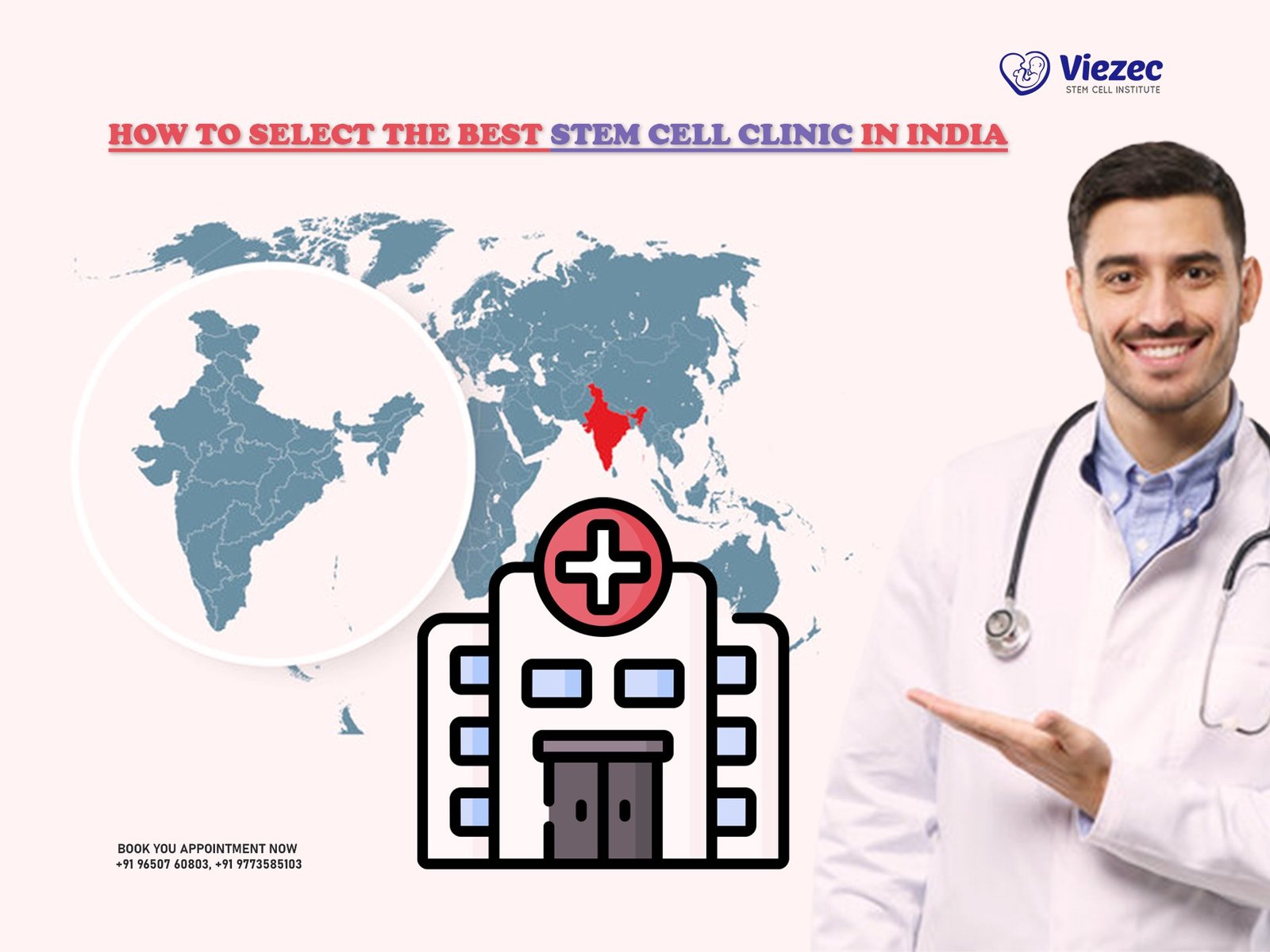
However, choosing the right stem cell clinic is not a simple decision. The industry includes reputable medical institutions, research-driven hospitals, and unfortunately, clinics that make exaggerated claims without scientific backing. For international patients, especially those traveling to countries like India for advanced yet affordable care, the decision becomes even more critical.
This guide is designed to help you make an informed choice. It explains how to evaluate a stem cell clinic, what questions to ask before booking, and how to identify clinics that follow ethical, medical, and scientific best practices.
Why Choosing the Right Stem Cell Clinic Matters
Stem cell therapy is not a cosmetic or wellness procedure. It involves complex biological processes, strict handling protocols, and clinical expertise. The outcome of treatment depends on:
-
The type and quality of stem cells
-
The experience of the medical team
-
Proper patient evaluation and eligibility
-
Ethical sourcing and laboratory standards
-
Transparent communication and realistic expectations
A poorly chosen clinic can result in ineffective treatment, financial loss, or health risks. That is why due diligence is essential before committing to any stem cell program.
Understanding Stem Cell Therapy Basics Before You Choose
Before evaluating clinics, it is important to understand the fundamentals of stem cell treatment.
Common Types of Stem Cells Used in Therapy
-
Mesenchymal Stem Cells (MSCs)
Commonly derived from bone marrow, adipose tissue, or umbilical cord tissue. Used in orthopedic, neurological, autoimmune, and inflammatory conditions. -
Autologous Stem Cells
Collected from the patient’s own body. Lower risk of immune rejection. -
Allogeneic Stem Cells
Sourced from donors, usually umbilical cord tissue. Require strict screening and processing standards.
A reliable clinic clearly explains which type of stem cells are used and why they are appropriate for your condition.
Question 1: Is the Clinic Legally Registered and Regulated?
This is the first and most important question.
A trustworthy stem cell clinic should be:
-
Registered with local health authorities
-
Operating under national medical regulations
-
Transparent about compliance with guidelines
In India, legitimate clinics follow regulations set by national health bodies and ethical committees. Clinics that operate without oversight or avoid discussing regulation should raise concern.
What to ask:
-
Is the clinic registered with recognized medical authorities?
-
Do you follow national stem cell research or therapy guidelines?
-
Are your procedures ethically approved?
Discover if Stem Cell Therapy Can Help You!
Book a Free Consultation with Our Experts at Viezec !
Question 2: What Medical Conditions Does the Clinic Actually Treat?
Not all stem cell clinics treat all conditions. Be cautious of clinics that claim stem cells can cure everything.
A credible clinic:
-
Lists specific conditions they work with
-
Explains why stem cell therapy may help
-
Clarifies whether the therapy is supportive, regenerative, or experimental
For example, stem cell therapy may support functional improvement in neurological conditions, but it is not a guaranteed cure.
Red flag: Clinics promising 100 percent cures or instant results.
Question 3: What Is the Experience of the Medical Team?
Stem cell therapy should always be supervised and performed by qualified medical professionals.
Ask about:
-
Doctors’ qualifications and specialties
-
Experience in regenerative medicine
-
Involvement in clinical research or publications
A strong clinic is led by physicians with backgrounds in neurology, orthopedics, internal medicine, or regenerative medicine, supported by trained laboratory staff.
At Viezec, patients are guided through treatment options by experienced medical professionals and care coordinators who focus on ethical, patient-centric decision making.
Question 4: How Are Patients Evaluated Before Treatment?
A responsible clinic does not accept every patient.
Proper evaluation includes:
-
Review of medical history
-
Diagnostic reports and imaging
-
Understanding disease stage and progression
-
Assessment of realistic outcomes
If a clinic approves treatment without reviewing your medical records, it is a serious warning sign.
Ask this directly:
-
Will my medical reports be reviewed before confirming treatment?
-
What factors determine if I am eligible?
Question 5: What Type of Stem Cells Are Used and Where Do They Come From?
Stem cell source and handling are critical to safety and effectiveness.
You should clearly understand:
-
Whether stem cells are autologous or allogeneic
-
Source of donor cells, if applicable
-
Screening and testing protocols
-
Cell viability and quality control measures
Ethical clinics provide transparency without hesitation.
Question 6: Are There Clear Treatment Protocols?
Stem cell therapy is not a one-size-fits-all procedure.
A good clinic explains:
-
Route of administration (IV, intrathecal, localized injection)
-
Number of sessions
-
Hospital stay duration
-
Rehabilitation or follow-up care
Treatment plans should be personalized, not generic packages.
Question 7: What Are the Realistic Outcomes and Limitations?
One of the strongest signs of a trustworthy clinic is honesty.
Stem cell therapy:
-
May help slow disease progression
-
May improve quality of life and functional ability
-
May reduce inflammation or pain
It does not guarantee complete reversal of advanced diseases.
Question 8: Are Risks and Side Effects Explained Clearly?
Every medical procedure carries some level of risk.
A credible clinic discusses:
-
Possible side effects
-
Short-term and long-term risks
If risks are dismissed or minimized, reconsider your choice.
Start Your Regenerative Journey Today!
Contact Viezec for Personalized Stem Cell Therapy Plan
Question 9: Is There Transparent Pricing Without Hidden Costs?
Medical tourism patients must be especially careful about pricing transparency.
Ask for:
-
Detailed cost breakdown
-
What is included and excluded
-
Additional charges for hospitalization, tests, or follow-ups
Ethical clinics avoid vague pricing and provide clarity upfront.
Question 10: Does the Clinic Offer Post-Treatment Follow-Up?
Stem cell therapy does not end on the day of discharge.
Follow-up care may include:
-
Progress tracking
-
Rehabilitation guidance
-
Teleconsultations
-
Long-term monitoring
A clinic invested in outcomes stays connected even after treatment.
Question 11: Are Patient Testimonials Genuine and Verifiable?
Patient experiences matter, but they must be authentic.
Look for:
-
Detailed case stories rather than one-line reviews
-
Consistent information across platforms
-
No exaggerated claims or guarantees
A balanced mix of outcomes is more credible than perfect success stories.
Question 12: Does the Clinic Follow Ethical Marketing Practices?
Ethical clinics:
-
Avoid fear-based marketing
-
Do not pressure patients into quick decisions
-
Encourage second opinions
-
Provide educational content
Viezec focuses on informational guidance, helping patients understand options before committing to treatment.
Why India Is a Preferred Destination for Stem Cell Therapy
India has emerged as a leading destination for regenerative medicine due to:
-
Highly trained medical professionals
-
Advanced hospital infrastructure
-
Cost-effective treatment compared to Western countries
-
Strong focus on ethical and regulated care
International patients often choose India for a balance of affordability and medical expertise.
How Viezec Helps Patients Choose the Right Stem Cell Clinic
Viezec is based in India and works as a patient-centric healthcare facilitator, guiding individuals through complex medical decisions.
Rather than promoting unrealistic outcomes, Viezec focuses on:
-
Medical record evaluation
-
Connecting patients with ethical clinics
-
Transparent communication
-
Support for international patients traveling to India
This approach helps patients make informed, confident decisions without pressure.
Is Your Condition Eligible for Stem Cell Therapy?
Speak directly with our specialist.
Red Flags to Avoid When Choosing a Stem Cell Clinic
Be cautious if a clinic:
-
Guarantees cures
-
Avoids discussing risks
-
Accepts all patients without evaluation
-
Refuses to share medical credentials
-
Uses aggressive sales tactics
Your health deserves careful consideration, not rushed decisions.
Final Checklist Before You Book a Stem Cell Clinic
Before confirming treatment, ensure you have answers to:
-
Is the clinic regulated and ethical?
-
Are doctors qualified and experienced?
-
Is my condition suitable for stem cell therapy?
-
Are risks and limitations explained clearly?
-
Is pricing transparent?
-
Is follow-up care included?
If any of these answers are unclear, take time to reassess.
Conclusion
Choosing the best stem cell clinic requires research, patience, and the right questions. Stem cell therapy holds promise, but its success depends heavily on ethical practices, medical expertise, and realistic expectations.
By asking the right questions and avoiding exaggerated claims, you protect both your health and your investment. Whether you are exploring treatment options in India or traveling internationally, informed decision-making is your strongest tool.
Platforms like Viezec aim to simplify this journey by offering transparent guidance and access to responsible stem cell treatment options, helping patients move forward with clarity and confidence.