
Sports injuries affect not only professional athletes but also fitness enthusiasts and individuals with active lifestyles. From ligament tears and cartilage damage to chronic tendon pain, sports-related injuries can significantly limit movement and quality of life. While conventional treatments such as physiotherapy, medications, and surgery remain standard options, many patients now explore regenerative medicine as an alternative or complementary approach.
Stem cell therapy has gained global attention for its potential to promote natural healing rather than simply managing symptoms. However, the most common and important question remains: Are stem cell treatments safe for sports injuries?
This comprehensive guide answers that question using current medical understanding, clinical experience, and expert insights. It is designed to help patients make informed decisions while understanding both the benefits and limitations of stem cell therapy.
Understanding Stem Cells and Their Role in Healing
Stem cells are unique cells capable of self-renewal and differentiation into specialized cells such as muscle, cartilage, bone, and tendon tissue. These characteristics make them central to regenerative medicine.
In the human body, stem cells play a role in maintaining tissue health and repairing damage. As injuries become more severe or chronic, the body’s natural repair capacity may decline. Stem cell therapy aims to enhance this repair process by introducing concentrated regenerative cells directly into the injured area.
For sports injuries, this approach focuses on healing damaged tissues rather than masking pain or inflammation.
How Stem Cell Therapy Works for Sports Injuries
When a sports injury occurs, inflammation is the body’s first response. While inflammation is necessary for healing, prolonged inflammation can slow recovery and cause further tissue breakdown.
Stem cell therapy works through several biological mechanisms. It helps regulate inflammation, supports the repair of damaged tissues, and encourages the formation of healthier cells. Rather than replacing injured tissue immediately, stem cells create an environment that supports the body’s natural healing response.
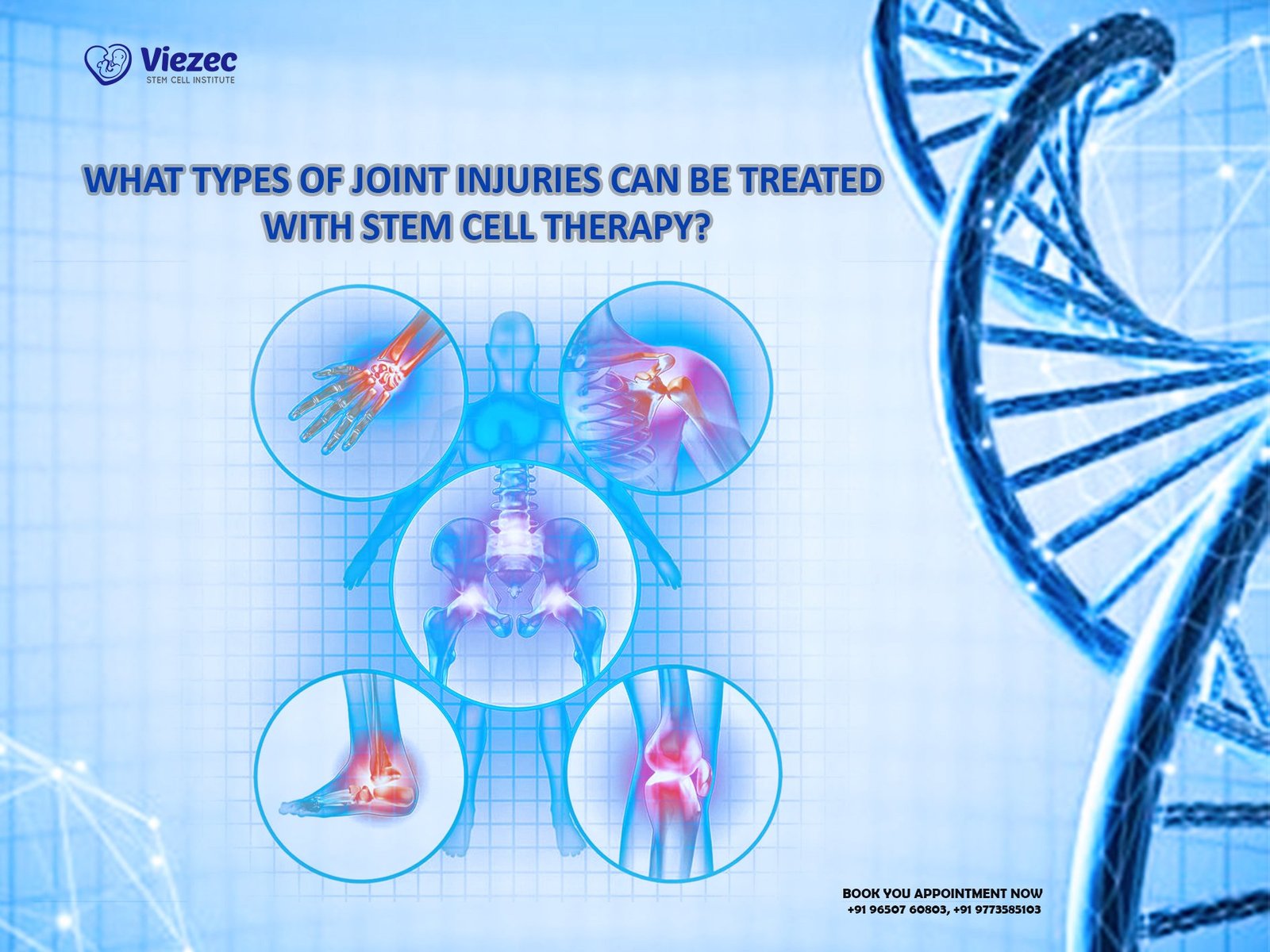
This approach is especially relevant for injuries such as tendon degeneration, cartilage wear, ligament damage, and joint injuries that respond poorly to conventional treatments.
Types of Stem Cells Commonly Used in Sports Injury Treatment
Not all stem cell therapies are the same. The safety and effectiveness of treatment depend largely on the source and handling of stem cells.
Autologous stem cells are derived from the patient’s own body, typically from bone marrow or adipose tissue. Because the cells come from the same individual, the risk of immune rejection is minimal.
Allogeneic stem cells are obtained from donors and processed under controlled laboratory conditions. These require strict screening and regulatory compliance to ensure safety.
Birth tissue-derived stem cells, such as those from umbilical cord tissue, are also used in some settings. Their use varies by region and regulatory guidelines.
At Viezec, treatment protocols prioritize patient safety, ethical sourcing, and evidence-based practices to ensure responsible use of stem cell therapies.
Discover if Stem Cell Therapy Can Help You!
Book a Free Consultation with Our Experts at Viezec !
Safety of Stem Cell Treatments According to Medical Experts
Medical experts generally agree that stem cell therapy can be safe when performed correctly by trained professionals in regulated environments. Problems arise primarily when treatments are offered without proper clinical oversight, standardized protocols, or transparent patient evaluation.
Safety depends on several factors, including the source of stem cells, laboratory processing standards, physician expertise, and patient selection. Clinics that bypass regulatory frameworks or make unrealistic promises increase the risk of complications.
When stem cell therapy is provided as part of a medically supervised program, serious adverse effects are uncommon. This is why choosing a reputable provider is essential.
Scientific Evidence Supporting Stem Cell Therapy for Sports Injuries
Clinical research on stem cell therapy for sports injuries continues to expand. Multiple studies suggest positive outcomes for conditions such as tendon injuries, early cartilage degeneration, and joint pain.
Research has shown improvements in pain scores, functional mobility, and tissue quality in selected patients. Imaging studies in some cases demonstrate structural improvement following treatment.
However, experts also emphasize that stem cell therapy is not a guaranteed cure. Results depend on injury severity, patient age, overall health, and adherence to rehabilitation protocols.
Ongoing research aims to refine treatment protocols, standardize dosing, and determine long-term outcomes.
Possible Side Effects and Risks
While stem cell therapy is generally considered low-risk, patients should be aware of potential side effects.
The most common reactions include temporary pain, swelling, or stiffness at the injection site. These symptoms usually resolve within a few days.
Less common risks include infection, unintended tissue response, or inflammation beyond the expected healing phase. These risks are minimized through sterile procedures, careful patient screening, and post-treatment monitoring.
Viezec emphasize detailed pre-treatment evaluation and follow-up care to ensure patient safety throughout the recovery process.
Regulatory Oversight and Safety Standards in India
India has established regulatory frameworks governing stem cell research and clinical use. These guidelines are designed to ensure ethical practices, patient safety, and scientific accountability.
Reputable centers comply with national regulations and align their practices with international standards. This includes proper documentation, informed consent, and transparent communication about expected outcomes.
Patients seeking treatment in India should verify that the provider follows recognized medical guidelines and does not promote unverified or experimental claims.
Patient Experiences and Recovery Expectations
Patient experiences with stem cell therapy vary. Many individuals report reduced pain, improved joint function, and faster recovery compared to conventional treatments alone.
Athletes with chronic tendon injuries often experience gradual improvement over several weeks to months. Those with cartilage damage may notice increased joint stability and mobility with proper rehabilitation support.
It is important to understand that stem cell therapy supports healing rather than delivering instant results. Recovery is progressive and often combined with physiotherapy and lifestyle adjustments.
Start Your Regenerative Journey Today!
Contact Viezec for Personalized Stem Cell Therapy Plan
Comparing Stem Cell Therapy With Traditional Sports Injury Treatments
Traditional treatments for sports injuries include physical therapy, medications, injections, and surgery. Each approach has its advantages and limitations.
Physical therapy remains essential for restoring strength and mobility but may not fully repair damaged tissues. Steroid injections can reduce inflammation quickly but do not promote tissue regeneration and may weaken tissues over time.
Surgical intervention is effective for severe injuries but involves longer recovery periods and potential complications.
Stem cell therapy offers a regenerative option that may reduce pain and improve tissue health while preserving joint structure. It is not a replacement for all treatments but may serve as an alternative or adjunct in selected cases.
Who Is a Suitable Candidate for Stem Cell Therapy
Stem cell therapy may be appropriate for individuals with chronic sports injuries that have not responded well to conservative treatments. This includes tendon degeneration, ligament injuries, cartilage wear, and joint pain related to overuse.
Patients with active infections, advanced joint destruction, or certain medical conditions may not be suitable candidates. A thorough medical evaluation is necessary to determine eligibility.
Personalized assessment ensures that treatment decisions are based on realistic expectations and medical appropriateness.
Important Questions to Ask Before Choosing Treatment
Before proceeding with stem cell therapy, patients should ask detailed questions about the treatment process. These include the type of stem cells used, the physician’s experience, expected outcomes, and post-treatment care.
Transparency and patient education are essential for building trust and ensuring informed consent. Clinics that prioritize open communication tend to deliver better patient experiences and outcomes.
Why Patients Choose Viezec for Stem Cell Treatment
Viezec is recognized for its patient-focused approach to regenerative medicine. Based in India, Viezec follows evidence-based protocols and emphasizes safety, ethical practices, and individualized care.
The medical team at Viezec conducts thorough evaluations before recommending stem cell therapy. Treatment plans are tailored to the patient’s condition, health status, and recovery goals.
With a strong emphasis on follow-up care and rehabilitation support, Viezec aims to deliver meaningful and sustainable outcomes rather than short-term relief.
Is Your Condition Eligible for Stem Cell Therapy?
Speak directly with our specialist.
Final Expert Perspective
Stem cell treatments for sports injuries are generally safe when performed by qualified professionals using regulated protocols. They represent a promising advancement in regenerative medicine, offering hope for improved healing and reduced downtime.
However, they are not a universal solution. Success depends on proper patient selection, realistic expectations, and comprehensive post-treatment care.
For individuals exploring advanced treatment options for persistent sports injuries, informed decision-making and expert guidance are essential.
Take the Next Step Toward Recovery
If you are considering stem cell therapy for a sports injury, consult with a qualified specialist who can evaluate your condition and guide you through appropriate options.
Viezec offers expert-led consultations, transparent treatment planning, and a commitment to patient safety and education.
Understanding your options is the first step toward a confident and informed recovery journey.
Frequently Asked Questions
Stem cell therapy is commonly used for tendon injuries, ligament damage, cartilage wear, joint pain, and overuse injuries. It is often considered when conventional treatments have not provided sufficient improvement.
Most side effects are mild and temporary, such as pain or swelling at the injection site. Serious complications are rare when the procedure is performed in a controlled medical setting.
Improvement is usually gradual. Many patients notice reduced pain and better function within a few weeks, while tissue healing and strength may continue to improve over several months.
Stem cell treatments in India are regulated under national medical guidelines. Reputable clinics follow ethical standards, informed consent practices, and evidence-based protocols to ensure patient safety.
Stem cell therapy may not be suitable for patients with active infections, advanced joint destruction, certain immune disorders, or conditions requiring immediate surgical intervention. A medical evaluation is essential before treatment.
List of References
-
Stem cell therapy in sports medicine: current applications and challenges – Review on mechanisms, applications, and research status of stem cells in sports injury treatment. PubMed: Stem cell therapy in sports medicine: current applications, challenges and future perspectives
-
Clinical evidence & success rates of stem cell therapy for joint/cartilage repair – Discusses improvement rates (often 60–80%+) in pain/function and long-term outcomes in orthopedic injuries. Joint and Cartilage Repair: What Stem Cell Therapy Can Really Do for Arthritis and Sports Injuries
-
Systematic review of cell-based therapy for knee soft tissue injuries – Summarizes evidence quality and points out insufficient high-quality evidence for definitive success in tendon/ligament healing. Cell‑based therapy in soft tissue sports injuries of the knee: systematic review
-
Emerging applications of regenerative medicine to sports injuries – Early overview showing potential efficacy and safety in musculoskeletal injury treatments (cartilage, tendon, ligament). Emerging Applications of Stem Cell and Regenerative Medicine to Sports Injuries
-
Safety considerations for stem cell treatments in sports injuries – A sports medicine expert review on safety, FDA oversight, common adverse effects, and concerns with manipulated cells. Is It Safe to Treat Sports Injuries with Stem Cells? (Sports‑Health)