Back pain can quietly take over your life. What starts as a mild discomfort may gradually turn into persistent pain, limited mobility, and sleepless nights. For many people diagnosed with a slip disc, the fear of worsening symptoms—and the possibility of surgery—adds emotional stress to physical suffering.
Surgical procedures, while effective in some cases, often raise concerns about recovery time, risks, and long-term outcomes. This has led patients across the world to ask an important question:
Is it possible to treat slip disc and back pain without surgery?
With advancements in modern medicine, regenerative therapies such as stem cell treatment are emerging as promising alternatives. These approaches focus on healing damaged tissues naturally rather than removing or altering them surgically.
In this blog, we’ll explore whether regenerative medicine can truly transform the future of slip disc treatment.
What Is a Slip Disc?
A slip disc, also known as a herniated or prolapsed disc, occurs when the soft inner portion of a spinal disc pushes out through its outer layer.
The spine is made up of bones (vertebrae) cushioned by discs that act as shock absorbers. When a disc becomes damaged, it can press on nearby nerves, leading to pain and other symptoms.
Common Causes of Slip Disc
Slip disc can develop due to several reasons, including:
- Age-related degeneration (wear and tear)
- Sudden injury or trauma
- Poor posture over time
- Heavy lifting with incorrect technique
- Obesity or excess body weight
- Sedentary lifestyle
Understanding these causes helps in both prevention and treatment planning.
Symptoms of Slip Disc and Back Pain
Symptoms can vary depending on the severity and location of the disc problem.
Common Symptoms Include:
- Persistent lower back pain
- Pain radiating to legs (sciatica)
- Numbness or tingling sensation
- Muscle weakness
- Difficulty standing or walking
- Increased pain while bending or sitting
If left untreated, symptoms may worsen and significantly impact daily life.
Discover if Stem Cell Therapy Can Help You!
Book a Free Consultation with Our Experts at Viezec !
Traditional Surgical Treatments: Limitations & Risks
Surgery is often recommended when conservative treatments fail or symptoms become severe.
Common Surgical Options
- Discectomy (removal of damaged disc portion)
- Laminectomy (removal of bone to relieve pressure)
- Spinal fusion
While these procedures can provide relief, they are not without concerns.
Limitations of Surgery
- Long recovery period
- Risk of complications (infection, nerve damage)
- Possibility of recurring pain
- Reduced spinal flexibility (in some cases)
- High physical and emotional stress
Because of these factors, many patients explore non-surgical alternatives.
Non-Surgical Treatment Options for Slip Disc
Before considering advanced therapies, doctors often recommend:
- Physiotherapy
- Pain medications
- Lifestyle changes
- Posture correction
- Epidural steroid injections
While these can help manage symptoms, they may not always address the root cause—damaged disc tissue.
This is where regenerative medicine offers a new perspective.
What Is Regenerative Medicine?
Regenerative medicine is an advanced field that focuses on repairing and restoring damaged tissues using the body’s natural healing mechanisms.
One of the most promising approaches in this field is stem cell therapy.
Stem Cell Therapy for Slip Disc: How It Works
Stem cells are unique cells capable of transforming into different types of tissues and promoting healing.
How the Treatment Works
- Cell Collection: Stem cells are typically obtained from the patient’s bone marrow or fat tissue
- Processing: The cells are prepared and concentrated
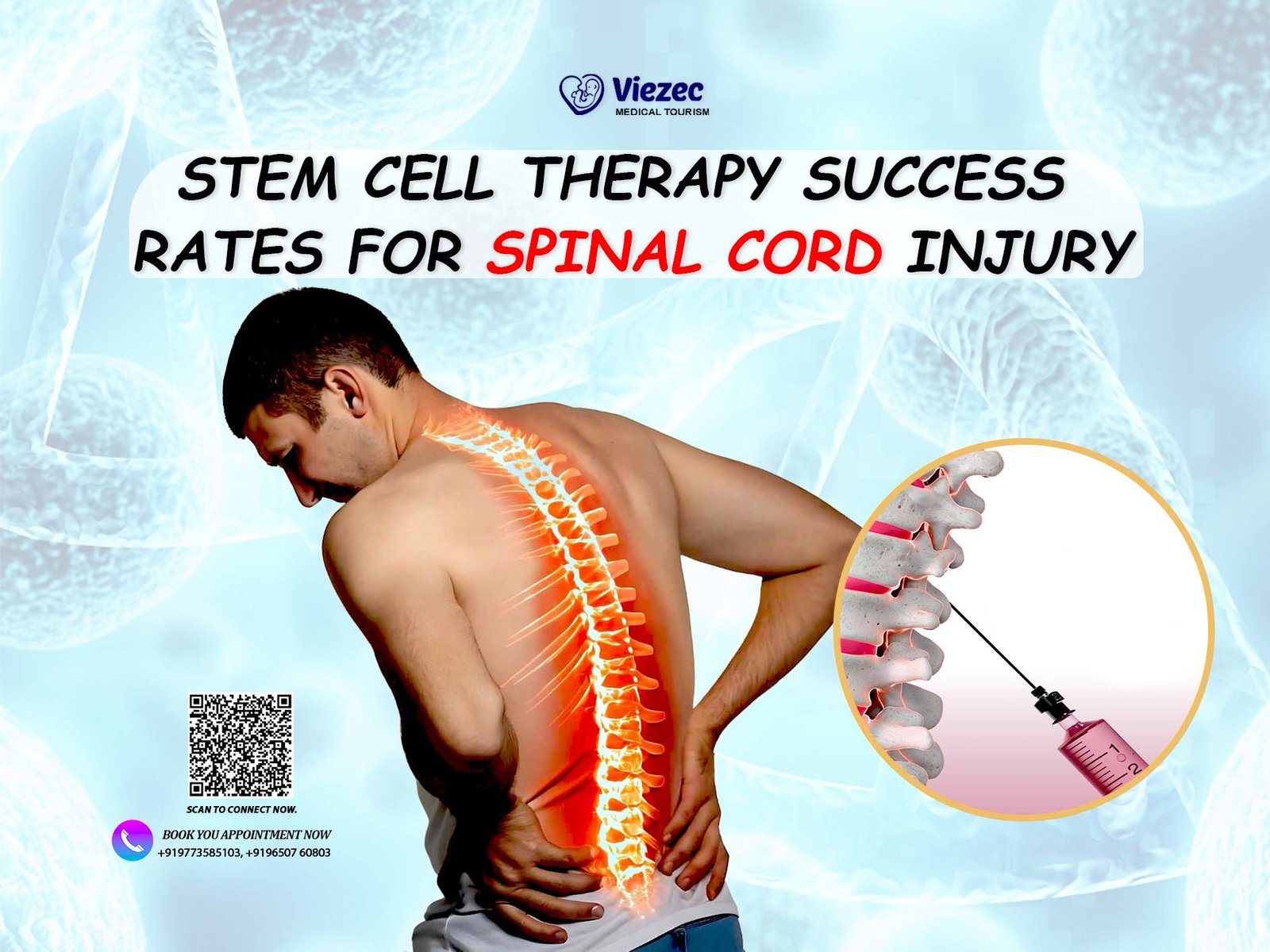
- Targeted Injection: Injected into the damaged disc area
- Healing Activation: Cells reduce inflammation and support tissue repair
Instead of removing the damaged disc, this therapy aims to restore its structure and function.
Key Benefits of Regenerative Therapy
Patients worldwide are increasingly considering regenerative treatments due to several advantages:
- Minimally invasive procedure
- Reduced recovery time
- Lower risk compared to surgery
- Targets root cause, not just symptoms
- May improve mobility and quality of life
- Reduced inflammation and pain
While results vary, the approach is focused on natural healing rather than structural alteration.
Start Your Regenerative Journey Today!
Contact Viezec for Personalized Stem Cell Therapy Plan
Surgery vs Regenerative Medicine: A Comparison
| Factor | Traditional Surgery | Regenerative Medicine |
|---|---|---|
| Invasiveness | Highly invasive | Minimally invasive |
| Recovery Time | Weeks to months | Faster recovery |
| Pain Level | Moderate to high | Generally lower |
| Risk of Complications | Higher | Lower |
| Focus | Removal/alteration | Tissue regeneration |
| Hospital Stay | Often required | Usually minimal |
| Long-Term Impact | May affect flexibility | Aims to preserve structure |
This comparison highlights why regenerative medicine is gaining attention as a future-focused solution.
Who Is an Ideal Candidate?
Regenerative therapies may be suitable for:
- Patients with mild to moderate slip disc
- Individuals not responding to conservative treatments
- Those seeking to avoid surgery
- Patients without severe nerve damage
- People looking for faster recovery options
However, not all cases are suitable. Severe conditions may still require surgical intervention.
Recovery and Aftercare
One of the key advantages is smoother recovery.
What to Expect
- Minimal downtime
- Gradual improvement in symptoms
- Return to daily activities sooner
Aftercare Tips
- Follow physiotherapy recommendations
- Maintain proper posture
- Avoid heavy lifting
- Stay physically active
- Maintain a healthy weight
Consistency in aftercare significantly improves outcomes.
Availability of Advanced Treatments
Regenerative therapies are now available in specialized medical centers globally.
When choosing a provider, consider:
- Medical expertise and credentials
- Treatment transparency
- Clinical infrastructure
- Ethical and evidence-based practices
Making an informed choice is crucial for safety and effectiveness.
Conclusion
Slip disc and chronic back pain can be life-altering, but treatment options are evolving rapidly. While surgery remains important for severe cases, it is no longer the only path.
Regenerative medicine offers a promising, minimally invasive alternative that focuses on healing rather than removal. For many patients, it represents hope for recovery with fewer risks and faster return to normal life.
However, every case is unique. The best approach is always one guided by expert medical advice and personalized evaluation.
If you are exploring non-surgical options for slip disc or chronic back pain, consulting with a qualified specialist can help you understand whether regenerative therapies are the right choice for your condition.
Is Your Condition Eligible for Stem Cell Therapy?
Speak directly with our specialist.
Frequently Asked Questions
Yes, many cases improve with non-surgical treatments, including physiotherapy and regenerative therapies.
It is generally considered safe when performed by qualified professionals, but outcomes may vary.
Recovery is typically faster than surgery, though timelines differ for each patient.
It aims to provide long-term relief, but results are not guaranteed.
Patients with severe nerve compression or loss of function may require surgical intervention.
Side effects are usually minimal but may include temporary discomfort at the injection site.
Disclaimer
This content is for informational purposes only and does not replace professional medical advice. Always consult a qualified healthcare provider before making treatment decisions.