Rotator cuff tears are among the most common causes of chronic shoulder pain, stiffness, and loss of arm function. For many people, everyday activities such as lifting, combing hair, or sleeping on one side become painful. Traditionally, treatment options have revolved around physiotherapy, pain medications, steroid injections, or surgery. However, not everyone is an ideal candidate for surgery, and recovery can be long and demanding.
Stem cell therapy has emerged as a promising regenerative treatment for rotator cuff tears, especially for patients seeking a non-surgical or minimally invasive option. In India, this advanced treatment is increasingly chosen due to its affordability, experienced specialists, and growing clinical expertise.
This guide explains everything you need to know about rotator cuff tear stem cell treatment in India, including cost, treatment process, eligibility, recovery, results, and how it compares with surgery.
Understanding Rotator Cuff Tears
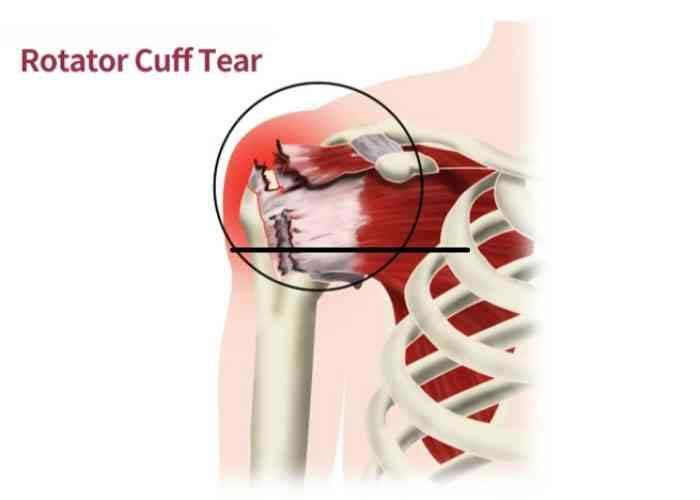
The rotator cuff is a group of four muscles and tendons that stabilize the shoulder joint and allow smooth arm movement. A tear occurs when one or more of these tendons become damaged due to injury, overuse, or age-related degeneration.
Common causes of rotator cuff tears
-
Repetitive overhead activities
-
Sports injuries or sudden trauma
-
Age-related tendon degeneration
-
Poor posture or muscle imbalance
-
Long-standing shoulder impingement
Symptoms of a rotator cuff tear
-
Persistent shoulder pain, especially at night
-
Weakness while lifting or rotating the arm
-
Reduced range of motion
-
Clicking or grinding sensation in the shoulder
-
Pain that worsens with activity
Rotator cuff tears can be partial or full thickness. While small tears may respond to conservative care, chronic or degenerative tears often fail to heal on their own.
What Is Stem Cell Therapy for Rotator Cuff Tear?
Stem cell therapy is a regenerative medicine approach that focuses on repairing damaged tissue rather than masking pain. It uses the body’s own healing cells to promote tendon regeneration and reduce inflammation.
In rotator cuff injuries, autologous stem cells are commonly used. These cells are usually harvested from:
-
Bone marrow
-
Adipose (fat) tissue
Once processed, the concentrated stem cells are injected directly into the damaged rotator cuff tendon under image guidance.
How stem cell therapy works
-
-
Reduces inflammation at the injury site
-
Stimulates tendon repair and regeneration
-
Enhances blood supply to damaged tissue
-
Improves shoulder strength and mobility over time
-
Discover if Stem Cell Therapy Can Help You!
Book a Free Consultation with Our Experts at Viezec !
Who Is a Suitable Candidate for Stem Cell Therapy?
Stem cell therapy is not a one-size-fits-all solution. Careful patient selection is essential for optimal results.
Ideal candidates include
-
Patients with partial rotator cuff tears
-
Chronic degenerative rotator cuff injuries
-
Individuals with persistent shoulder pain despite physiotherapy
-
Patients not fit for surgery due to age or medical conditions
-
Those seeking alternatives to rotator cuff surgery
Cases where surgery may still be required
-
Massive full-thickness tears with tendon retraction
-
Severe muscle atrophy or fatty degeneration
-
Acute traumatic tears in young athletes
At Viezec, detailed clinical evaluation and imaging help determine whether stem cell therapy is appropriate or if surgical intervention is necessary.
Stem Cell Treatment Process for Rotator Cuff Tear
Understanding the treatment process helps set realistic expectations and builds confidence.
Step 1: Clinical evaluation and imaging
A thorough orthopedic assessment is performed, supported by MRI or ultrasound imaging. This identifies tear type, size, and tissue quality.
Step 2: Stem cell harvesting
Depending on the case, stem cells are collected from:
-
Bone marrow, usually from the pelvic bone
-
Adipose tissue through a minimally invasive procedure
The harvesting process is done under local anesthesia and is generally well tolerated.
Step 3: Processing and concentration
The collected sample is processed in a sterile environment to concentrate stem cells and growth factors.
Step 4: Image-guided injection
Using ultrasound or fluoroscopy, stem cells are precisely injected into the torn rotator cuff tendon. Image guidance ensures accuracy and safety.
Step 5: Post-procedure care
Patients are observed briefly and usually discharged the same day. A customized rehabilitation plan follows.
The entire stem cell injection procedure for shoulder injuries typically takes a few hours.
Recovery and Rehabilitation After Stem Cell Therapy
Recovery after stem cell therapy is gradual and biologically driven. Unlike surgery, there is no prolonged immobilization.
Immediate post-procedure phase
-
Mild soreness or swelling for a few days
-
Pain managed with non-opioid medications
-
Avoid strenuous shoulder activity initially
Rehabilitation phase
-
Gentle range-of-motion exercises
-
Progressive physiotherapy after 2–3 weeks
-
Strength training introduced gradually
Expected recovery timeline
-
Pain reduction within 4–8 weeks
-
Functional improvement over 3–6 months
-
Continued tissue healing up to 9–12 months
Adherence to physiotherapy plays a critical role in achieving optimal stem cell therapy results for rotator cuff tears.
Start Your Regenerative Journey Today!
Contact Viezec for Personalized Stem Cell Therapy Plan
Results and Success Rate of Stem Cell Therapy for Rotator Cuff Tear
Clinical outcomes vary based on tear severity, patient age, and rehabilitation compliance.
Expected benefits
-
Reduction in shoulder pain
-
Improved range of motion
-
Better shoulder strength
-
Delay or avoidance of surgery in selected cases
Studies and clinical experience suggest that partial and degenerative rotator cuff tears respond better than massive tears.
Success rate considerations
-
Higher success in early-stage and moderate tears
-
Gradual improvement rather than instant relief
-
Results depend on tissue quality and patient health
Stem cell therapy is not an overnight cure, but for many patients, it offers meaningful improvement and functional recovery.
Cost of Rotator Cuff Stem Cell Treatment in India
One of the key reasons international and Indian patients choose India is affordability.
Average cost range in India
The rotator cuff stem cell treatment cost in India typically ranges between:
-
INR 4,50,000 to INR 8,00,000
The exact cost depends on:
-
Type and severity of rotator cuff tear
-
Source of stem cells used
-
Number of injections required
-
Hospital infrastructure and expertise
-
Imaging and rehabilitation support
Cost comparison with surgery
Rotator cuff surgery in India can cost significantly more when considering:
-
Hospital stay
-
Anesthesia
-
Surgical risks
-
Long rehabilitation period
Stem cell therapy often provides a cost-effective alternative for eligible patients.
At Viezec, transparent cost counseling helps patients understand what is included and what outcomes to expect.
Stem Cell Therapy vs Surgery for Rotator Cuff Tear
Choosing between stem cell therapy and surgery depends on individual circumstances.
Stem cell therapy advantages
-
Minimally invasive
-
Lower complication risk
-
No hospital stay
-
Faster initial recovery
-
Uses the body’s own healing mechanisms
Surgery advantages
-
Necessary for large or acute tears
-
Mechanical repair of completely torn tendons
-
Suitable for high-demand athletes in selected cases
For many patients with chronic shoulder pain and partial tears, stem cell therapy offers a middle path between conservative care and surgery.
Safety and Ethical Considerations
Safety is a major concern when considering regenerative treatments.
Safety aspects
-
Autologous stem cells reduce rejection risk
-
Image-guided injections enhance precision
-
Low incidence of serious complications when done correctly
Ethical practices in India
-
Use of adult stem cells
-
No embryonic stem cell usage
-
Compliance with medical and ethical guidelines
Choosing an experienced provider is crucial for safe and effective outcomes.
Why India Is a Preferred Destination for Stem Cell Therapy
India has become a global hub for regenerative orthopaedic treatments.
Key advantages
-
Experienced stem cell specialists
-
Advanced imaging and lab facilities
-
Significantly lower treatment costs
-
English-speaking medical teams
-
Comprehensive patient support
Viezec help patients navigate treatment options, connect with qualified specialists, and plan care with confidence.
Limitations of Stem Cell Therapy
While promising, stem cell therapy has limitations.
-
Not suitable for all tear types
-
Results vary between individuals
-
Requires patience and commitment to rehab
-
May not completely restore anatomy in severe tears
An honest discussion of expectations is essential before treatment.
Is Your Condition Eligible for Stem Cell Therapy?
Speak directly with our specialist.
Long-Term Outlook After Stem Cell Therapy
Many patients experience sustained improvement in shoulder function and quality of life.
Long-term benefits
-
Reduced dependence on pain medications
-
Improved daily activity performance
-
Potential delay of surgical intervention
-
Better joint health when combined with physiotherapy
Lifestyle changes, posture correction, and shoulder conditioning help maintain results.
Frequently Asked Questions
Stem cell therapy may help delay or avoid surgery in patients with partial or degenerative rotator cuff tears by reducing pain and improving tendon healing. Surgery may still be required for large or acute full-thickness tears.
Most treatments in India use autologous adult stem cells sourced from bone marrow or adipose tissue. These cells are taken from the patient’s own body, reducing the risk of rejection or immune reaction.
In many cases, a single stem cell injection is sufficient. Some patients with more advanced tendon damage may require an additional injection based on clinical response and imaging findings.
Yes. Structured physiotherapy is an essential part of recovery. It supports tendon healing, restores shoulder mobility, and improves long-term outcomes after stem cell therapy.
Results can be long-lasting when combined with proper rehabilitation and activity modification. However, ongoing tendon health depends on age, tear severity, and lifestyle factors such as posture and shoulder use.
Final Thoughts
Stem cell therapy is transforming the way rotator cuff tears are managed, offering a regenerative, patient-friendly alternative to surgery for selected cases. With growing expertise and accessible costs, India has become a preferred destination for this advanced treatment.
For patients seeking evidence-based guidance and trusted treatment pathways, Viezec plays a vital role in connecting individuals with appropriate care while ensuring transparency and informed decision-making.
If you are exploring options beyond conventional shoulder surgery, rotator cuff stem cell treatment in India may be a meaningful step toward pain relief and improved mobility.
List of References
Title: Autologous Adipose-Derived Regenerative Cells Show Higher Function Scores vs Steroid
Link: https://josr-online.biomedcentral.com/articles/10.1186/s13018-020-01631-8
MDPI Review — Cell-Based Therapies for Rotator Cuff Injuries
Title: Cell-Based Therapies (including MSCs) for Rotator Cuff Injuries — Current Evidence
Link: https://www.mdpi.com/1422-0067/25/6/3139
SciDirect Meta-analysis — MSC Augmentation with Repair
Title: MSC Augmentation with Arthroscopic Repair Improves Structural Integrity vs RCR Alone
Link: https://www.sciencedirect.com/science/article/pii/S2666638325000994
Title: Clinical Trials of BMC/MSC Injections for Rotator Cuff Tears — Mixed Outcomes
Link: https://pmc.ncbi.nlm.nih.gov/articles/PMC10470406/