Stem cell therapy has emerged as a revolutionary and scientifically supported treatment for a wide range of medical conditions, including orthopedic injuries, degenerative joint diseases, autoimmune disorders, and certain neurological conditions. Patients, caregivers, and healthcare professionals are increasingly interested in understanding the duration of positive outcomes and how long improvements can be maintained after treatment. The effectiveness of stem cell therapy depends on several critical factors, such as the type of stem cells used, the patient’s overall health, the severity of the condition, and adherence to post-treatment care and rehabilitation protocols.
In this article, we’ll break down the expected longevity of stem cell therapy results, explore factors that influence effectiveness, and provide practical strategies to maximize long-term benefits for optimal patient outcomes.
Understanding Stem Cell Therapy
Stem cells are remarkable and highly specialized cells with the ability to develop into different types of cells within the human body. This powerful regenerative capability allows them to repair damaged tissues, reduce inflammation, restore normal function, and promote long-term healing at the cellular level.
Stem cell therapy has been successfully applied to a wide variety of medical conditions, including:
-
Orthopedic problems such as osteoarthritis, tendon injuries, and cartilage degeneration
-
Neurological conditions including spinal cord injuries, stroke recovery, and neurodegenerative diseases
-
Cardiac disorders, particularly heart tissue repair after cardiac events
-
Autoimmune diseases, where the therapy helps regulate immune response and reduce chronic inflammation
-
Cosmetic and anti-aging treatments, supporting tissue rejuvenation and skin regeneration
Because stem cell therapy works at a cellular and molecular level, the duration and effectiveness of its benefits can vary significantly depending on the patient’s health, condition severity, type of stem cells used, and post-treatment care protocols.
How Long Do the Benefits Last?
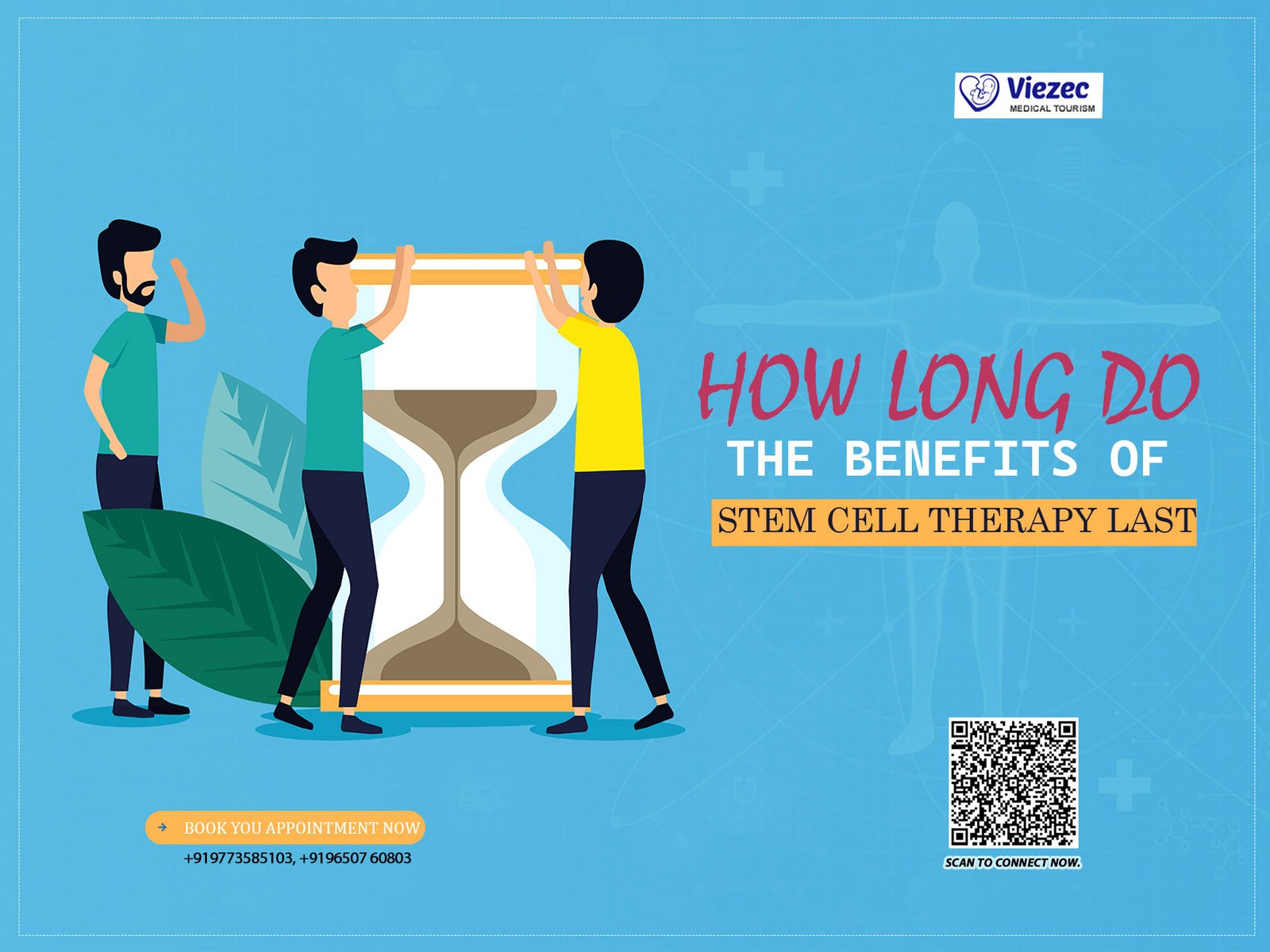
The effectiveness and longevity of positive outcomes from stem cell therapy depend on several important variables. Based on current research, clinical studies, and real-world patient experiences, the duration of benefits can vary significantly:
Type of Stem Cell Therapy
-
Autologous stem cells (derived from the patient’s own body) tend to provide longer-lasting effects because the body is naturally compatible and less likely to reject them. These therapies often show sustained improvements in tissue regeneration, inflammation reduction, and functional recovery over time.
-
Allogenic stem cells (sourced from donors) may have shorter-term effects due to immune system responses and compatibility challenges. Although they can still provide significant relief and regenerative benefits, some patients may require follow-up treatments to maintain results over time.
Condition Being Treated
Different medical conditions respond differently to stem cell therapy, and the expected duration of improvement depends on the type and severity of the disease:
-
Orthopedic conditions: Patients with joint injuries or osteoarthritis can experience pain relief and improved mobility lasting anywhere from 6 months to 2 years, especially when combined with physical therapy and proper rehabilitation.
-
Cardiac conditions: Functional improvements in heart muscle and blood circulation may last 1–3 years, often enhanced by complementary therapies, medications, and lifestyle modifications to maintain cardiovascular health.
-
Neurological conditions: Recovery may be gradual, with benefits potentially lasting from several months to multiple years, depending on the extent of nerve damage and the patient’s overall neurological health.
Patient-Specific Factors
Several individual factors can influence how long the benefits of stem cell therapy last. Key considerations include:
-
Age and overall health: Younger, healthier patients often experience more robust and long-lasting results.
-
Severity of the condition: Early-stage diseases tend to respond better than advanced conditions.
-
Lifestyle choices: Regular exercise, balanced nutrition, avoiding smoking or alcohol, and maintaining a healthy weight can enhance long-term effectiveness.
-
Adherence to post-treatment rehabilitation: Following medical advice, physiotherapy protocols, and lifestyle recommendations is crucial to prolonging therapy benefits and achieving optimal regenerative outcomes.
Maximizing Long-Term Benefits
Even though stem cell therapy can provide significant relief and regenerative potential, the sustainability of long-term results is largely influenced by how patients manage their overall health and lifestyle afterward. Incorporating proper strategies can significantly enhance the effectiveness and longevity of treatment outcomes. Here are some key tips:
-
Follow post-treatment rehabilitation protocols – Physiotherapy, targeted exercises, or guided mobility programs can strengthen treated tissues and maximize the therapy’s regenerative impact.
-
Maintain a healthy lifestyle – A balanced diet, adequate hydration, stress management, and avoiding smoking or excessive alcohol intake can help prolong the benefits of stem cell therapy.
-
Regular medical check-ups – Consistent monitoring with your healthcare provider ensures early detection of complications and supports long-term effectiveness.
-
Adjunct therapies – Some patients may achieve enhanced results by combining stem cell therapy with PRP (platelet-rich plasma), lifestyle interventions, or complementary regenerative treatments.
By following these strategies, patients can support their body’s natural healing process, improve recovery, and enjoy long-lasting improvements in mobility, pain reduction, and overall quality of life.
How Long Should You Expect Results?
While results are patient-specific, clinical studies, peer-reviewed research, and anecdotal evidence from regenerative medicine specialists suggest a general timeline:
-
Short-term improvement: 2–6 months, often noticeable as reduced pain, improved mobility, and decreased inflammation
-
Medium-term improvement: 6–12 months, with continued functional gains and better quality of life
-
Long-term benefits: 1–3 years, sometimes longer when combined with maintenance therapies, lifestyle modifications, and follow-up care
It’s important to note that stem cell therapy is not a permanent cure for most chronic conditions. Instead, it works by supporting the body’s natural regenerative processes, promoting tissue repair, and reducing degeneration. By enhancing the body’s inherent healing potential, stem cell therapy can delay or reduce the need for more invasive interventions like surgery while improving overall patient outcomes and long-term quality of life.
Factors That Can Reduce Effectiveness
Several factors can potentially shorten the duration and overall effectiveness of stem cell therapy, limiting its regenerative benefits. Chronic illnesses such as diabetes, autoimmune disorders, or other underlying medical conditions can impair the body’s natural healing ability and reduce the therapy’s long-term impact. Similarly, severe joint degeneration, extensive tissue damage, or advanced-stage disease can make it more challenging for stem cells to fully restore function and promote repair.
In addition, poor post-treatment care, lack of adherence to rehabilitation protocols, and unhealthy lifestyle choices can significantly diminish outcomes. Smoking, excessive alcohol consumption, sedentary habits, or an unbalanced diet may interfere with tissue regeneration, reduce stem cell activity, and prevent patients from achieving optimal and sustained therapeutic results. Proper guidance, follow-up, and healthy lifestyle adjustments are therefore essential to maximize the longevity and benefits of stem cell therapy.
FAQs
Stem cells can survive and remain active in the body for several months to a few years, depending on the type of stem cells used, the tissue environment, and the patient’s overall health. Autologous stem cells (from your own body) often last longer due to lower immune rejection.
For knee osteoarthritis or joint injuries, most patients experience significant improvement in pain and mobility for 6 months to 2 years. Long-term benefits may be extended with physiotherapy, weight management, and healthy lifestyle choices.
Results vary depending on the condition treated and the type of stem cells used. Many patients notice improvements in pain and function within 4 to 12 weeks, while full regenerative benefits may take 3 to 6 months to become evident.
Stem cell therapy for chronic back pain or degenerative disc disease can provide relief lasting 6 months to 2 years, depending on the severity of spinal degeneration and adherence to post-treatment rehabilitation and lifestyle recommendations.
Stem cell therapy is primarily regenerative and supportive, helping repair damaged tissues and reduce symptoms. While it can significantly improve quality of life, most chronic conditions require ongoing care, healthy lifestyle habits, and sometimes additional treatments to maintain long-term results.
Patients can enhance and prolong outcomes by following post-treatment rehabilitation programs, maintaining a healthy lifestyle, avoiding smoking and excessive alcohol, attending regular follow-ups, and integrating complementary therapies when recommended by specialists.
No. Stem cell therapy is most effective for orthopedic injuries, joint degeneration, and certain autoimmune conditions. Results for neurological or advanced cardiac conditions may vary, and ongoing research continues to explore broader applications.
Final Thoughts
Stem cell therapy offers promising and sometimes life-changing benefits for a wide range of medical conditions, from orthopedic injuries and degenerative joint disorders to autoimmune and neurological diseases. While individual results may vary, many patients experience months to several years of improved mobility, reduced pain, and enhanced overall quality of life. Understanding the key variables that influence effectiveness—such as the type of stem cells used, patient health, and post-treatment care—along with adherence to rehabilitation protocols, is essential for maximizing long-term outcomes.
If you are considering stem cell therapy, it is highly recommended to consult a certified medical specialist or regenerative medicine expert who can provide a personalized treatment plan, set realistic expectations, and guide you on the most effective strategies to maintain results over time.
List of References: –
Jo CH, et al. Mesenchymal stem cell therapy for knee osteoarthritis: 5-year follow-up of three patients. PubMed. https://pubmed.ncbi.nlm.nih.gov/25990685/
Lee WC, et al. Safety and efficacy of intra-articular injection of mesenchymal stem cells for osteoarthritic knee: 5-year follow-up study. PubMed. https://pubmed.ncbi.nlm.nih.gov/35567774/
Lamo-Espinosa JM, et al. Intra-articular injection of two different doses of mesenchymal stem cells for the treatment of knee osteoarthritis: A 24-month follow-up. PubMed. https://pubmed.ncbi.nlm.nih.gov/27882169/
Jo CH, et al. Efficacy of a single intra-articular injection of mesenchymal stem cells for knee osteoarthritis: A dose-focused meta-analysis of randomized controlled trials. Journal of Orthopaedic Surgery & Research. https://josr-online.biomedcentral.com/articles/10.1186/s13018-025-06190-4
Matas Y, et al. Effectiveness and safety of multiple injections of human placenta-derived MSCs for knee osteoarthritis: Phase I trial. BMC Musculoskeletal Disorders. https://bmcmusculoskeletdisord.biomedcentral.com/articles/10.1186/s12891-025-08664-2