Stem cell therapy has become one of the most talked-about regenerative treatments in modern medicine. Patients with joint pain, arthritis, sports injuries, spinal conditions, and degenerative diseases often ask one critical question before moving forward.
Is stem cell treatment permanent, or is it only a temporary solution?
The answer is not simple. Stem cell therapy does not work the same way for every patient or every condition. Outcomes depend on biology, disease severity, treatment quality, and patient lifestyle. This article explains what patients should realistically expect from stem cell treatment, how long results may last, and why some people experience lasting improvement while others need repeat therapy.
Understanding Stem Cell Therapy in Simple Terms
Stem cell therapy uses specialized cells with the ability to repair, regenerate, or support damaged tissues. These cells do not function like painkillers or steroids. Instead of masking symptoms, they aim to improve the underlying tissue environment.
Stem cells are commonly used in regenerative medicine for:
Musculoskeletal injuries
Tendon and ligament damage
Certain autoimmune and inflammatory disorders
The goal is not instant relief. The goal is biological repair over time.
What Does “Permanent” Mean in Stem Cell Treatment?
Many patients assume permanent means a one-time treatment that cures the condition forever. In regenerative medicine, permanence has a different meaning.
In stem cell therapy, permanent results mean:
Long-term improvement in pain and function
Tissue repair that lasts for years
Reduced dependence on medications or surgery
It does not mean aging stops or tissues never wear down again.
Human tissues naturally degenerate with age, stress, and lifestyle factors. Stem cell treatment works within those biological limits.
Discover if Stem Cell Therapy Can Help You!
Book a Free Consultation with Our Experts at Viezec !
Is Stem Cell Treatment Permanent or Temporary?
The honest answer is:
Stem cell treatment can be long-lasting, but it is not always permanent.
Some patients experience benefits that last many years. Others may need repeat treatments to maintain results. This depends on several important factors explained below.
Factors That Determine How Long Stem Cell Therapy Lasts
Type and Severity of the Condition
Early-stage conditions respond better than advanced disease.
Better long-term outcomes are seen in:
Mild to moderate osteoarthritis
Early cartilage damage
Partial tendon or ligament injuries
Inflammatory conditions with less structural damage
Less permanent results are seen in:
End-stage arthritis
Severe bone-on-bone joint damage
Advanced degenerative spine disease
Stem cells can support repair. They cannot rebuild completely destroyed joints.
Patient Age and Overall Health
Younger patients tend to respond better, but age alone does not disqualify anyone.
Important health factors include:
Metabolic health
Immune system function
Blood circulation
Hormonal balance
Patients with uncontrolled diabetes, smoking habits, obesity, or chronic inflammation may experience shorter-lasting results.
Source and Quality of Stem Cells
Not all stem cell treatments are the same.
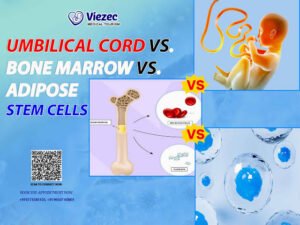
Common stem cell sources include:
Bone marrow-derived stem cells
Adipose (fat)-derived stem cells
Umbilical cord-derived stem cells
The quality, processing method, and cell concentration significantly affect outcomes. Poor-quality or diluted preparations often lead to temporary relief rather than long-term improvement.
Treatment Technique and Clinical Expertise
Stem cell therapy is not just about the cells. It is about how they are delivered.
Longer-lasting results are associated with:
Image-guided injections
Accurate placement at the injury site
Proper dosing protocols
Sterile and standardized processing
Experience matters. Clinics with regenerative medicine expertise tend to achieve more consistent outcomes.
Post-Treatment Care and Lifestyle
Stem cell therapy is not magic. Patients play an active role in maintaining results.
Lifestyle factors that affect longevity:
Physical activity level
Joint loading patterns
Diet and nutrition
Weight management
Smoking and alcohol use
Patients who follow rehabilitation protocols and maintain healthy habits usually see longer-lasting benefits.
Start Your Regenerative Journey Today!
Contact Viezec for Personalized Stem Cell Therapy Plan
How Long Does Stem Cell Therapy Usually Last?
There is no universal timeline, but clinical observations provide useful ranges.
Typical duration of benefits:
1 to 3 years for many musculoskeletal conditions
3 to 5 years or longer in early-stage disease
Ongoing improvement in some inflammatory conditions
Some patients choose maintenance treatments every few years, similar to dental care or physical therapy.
Does Stem Cell Therapy Wear Off Over Time?
Stem cells do not “wear off” like medications. Instead, the underlying condition may continue to progress slowly due to aging and mechanical stress.
Over time:
New wear and tear may occur
Inflammation may return
Degeneration may resume
This does not mean the treatment failed. It means biology continues to change.
Is Repeat Stem Cell Treatment Common?
Yes. Repeat treatment is common and often planned.
Repeat therapy may be recommended when:
Symptoms gradually return
Disease progresses further
Patient activity level increases
New injury occurs
Many patients find repeat treatments easier and more effective because the joint or tissue environment has already improved.
Stem Cell Therapy vs Temporary Treatments
How stem cells differ from short-term solutions:
Pain medications
Provide temporary symptom relief
Do not repair tissue
Long-term side effects possible
Steroid injections
Reduce inflammation temporarily
May weaken tissues with repeated use
Do not regenerate cartilage or tendon
Stem cell therapy
Targets tissue repair
Modulates inflammation naturally
Aims for long-term improvement
Stem cell therapy is not instant, but it is designed for durability.
What Patients Should Expect After Stem Cell Treatment
Short-Term Expectations (First 1–6 Weeks)
Mild swelling or soreness
Gradual pain changes
No immediate dramatic relief
Medium-Term Expectations (2–6 Months)
Improved mobility
Reduced pain
Increased joint stability
Long-Term Expectations (6–24 Months)
Sustained symptom relief
Slower disease progression
Better quality of life
Results develop gradually because tissue regeneration takes time.
Can Stem Cell Therapy Stop Disease Progression Permanently?
In some early conditions, stem cell therapy may significantly slow or halt progression for years.
However:
Degenerative diseases are complex
Genetics and lifestyle still matter
Aging continues
Stem cells improve the environment but do not freeze time.
Conditions Where Results Tend to Last Longer
Knee osteoarthritis (early to moderate)
Shoulder tendon injuries
Tennis elbow and golfer’s elbow
Mild hip joint degeneration
Partial ligament injuries
Chronic inflammatory joint pain
Conditions Where Results May Be Temporary
Advanced arthritis with severe joint damage
Complete cartilage loss
Severe spinal degeneration
Mechanical deformities requiring surgery
In these cases, stem cell therapy may still reduce pain but not permanently correct structure.
Are Claims of “Permanent Cure” Reliable?
Patients should be cautious of clinics promising permanent cures.
Red flags include:
Guaranteed lifetime results
Claims of cartilage regrowth in bone-on-bone joints
One-size-fits-all treatment plans
Ethical providers explain limitations clearly and set realistic expectations.
Stem Cell Treatment and Long-Term Safety
Current clinical data suggests stem cell therapy is generally safe when performed correctly.
Long-term safety depends on:
Proper cell sourcing
Sterile handling
Medical supervision
Safety does not determine permanence, but it affects patient confidence and repeat options.
Is Your Condition Eligible for Stem Cell Therapy?
Speak directly with our specialist.
What Makes Stem Cell Results Last Longer?
Early intervention
Accurate diagnosis
High-quality cells
Experienced clinicians
Patient commitment to recovery
Stem cell therapy works best as part of a comprehensive care plan.
Setting Realistic Expectations as a Patient
Stem cell therapy is not a miracle cure. It is a powerful biological tool.
Gradual improvement, not overnight change
Long-term relief, not instant cure
Maintenance, not permanence in every case
Understanding this prevents disappointment and builds trust.
Is Stem Cell Treatment Worth It?
For many patients, stem cell therapy offers something traditional treatments cannot.
It offers:
A regenerative approach
Reduced reliance on pain medications
Potential delay or avoidance of surgery
Improved function and quality of life
Whether results are permanent or temporary depends on biology, not marketing.
Conclusion
So, is stem cell treatment permanent or temporary?
It is neither completely permanent nor merely temporary.
Stem cell therapy provides long-lasting biological improvement that can persist for years, especially when used early and appropriately. While it does not stop aging or guarantee lifelong results, it represents a meaningful shift toward regenerative care.
Patients who understand what to expect, choose qualified providers, and support healing with healthy habits are more likely to experience lasting benefits.
List of References
Long-term outcomes of mesenchymal stem cell therapy in severe COVID-19 patients: 3-year follow-up of a randomized, double-blind, placebo-controlled trial. https://link.springer.com/article/10.1186/s13287-025-04148-1
Efficacy and safety of mesenchymal stem cells in knee osteoarthritis: a systematic review and meta-analysis of randomized controlled trials. https://stemcellres.biomedcentral.com/articles/10.1186/s13287-025-04252-2
Seven-Year Longitudinal Study: Clinical Evaluation of Knee Osteoarthritic Patients Treated with Mesenchymal Stem Cells
https://www.mdpi.com/2077-0383/13/13/3861
Mid- to long-term efficacy and safety of stem cell therapy for acute myocardial infarction: a systematic review and meta-analysis. https://pubmed.ncbi.nlm.nih.gov/39256845/
Evaluating the long-term efficacy of umbilical cord-derived mesenchymal stem cell therapy in retinitis pigmentosa: findings from a 1-to-4-year follow-up. https://pubmed.ncbi.nlm.nih.gov/40905668/