Stem cell therapy has emerged as one of the most promising developments in modern regenerative medicine. It focuses on repairing, restoring, or replacing damaged cells and tissues rather than only managing symptoms. As research and clinical applications expand, patients and clinicians alike are exploring the potential benefits of stem cell therapy across a wide range of medical conditions.
This guide explains how stem cell therapy works, its potential advantages, supported clinical uses, safety considerations, and what patients should realistically expect. The content is designed to be easy to understand while remaining medically accurate and aligned with current scientific standards.
Understanding Stem Cell Therapy
Stem cells are unique cells with the ability to develop into different types of specialized cells. Unlike ordinary cells, stem cells can self-renew and differentiate into tissues such as bone, cartilage, muscle, nerve, or blood cells under the right conditions.
Stem cell therapy uses these properties to promote healing and regeneration. In clinical settings, stem cells are introduced into injured or diseased areas to support the body’s natural repair processes.
Types of Stem Cells Used in Therapy
Different stem cell sources are used depending on the condition being treated.
-
Adult stem cells are commonly obtained from bone marrow or adipose tissue.
-
Mesenchymal stem cells (MSCs) are widely used due to their regenerative and anti-inflammatory properties.
-
Autologous stem cells come from the patient’s own body, reducing the risk of immune rejection.
These approaches are increasingly studied in orthopedic, neurological, and autoimmune conditions.
How Stem Cell Therapy Works in the Body
The benefits of stem cell therapy depend on how stem cells interact with damaged tissues.
Cell Repair and Regeneration
Stem cells release bioactive molecules that support tissue repair. They help create a healing environment by promoting cell growth and reducing inflammation.
Differentiation into Specialized Cells
In certain conditions, stem cells can develop into specific cell types, such as cartilage cells in joint injuries or nerve-supporting cells in neurological disorders.
Immune Modulation
Stem cells can regulate immune responses, which is especially valuable in autoimmune and inflammatory conditions. This helps reduce chronic inflammation that may otherwise prevent healing.
Key Potential Benefits of Stem Cell Therapy
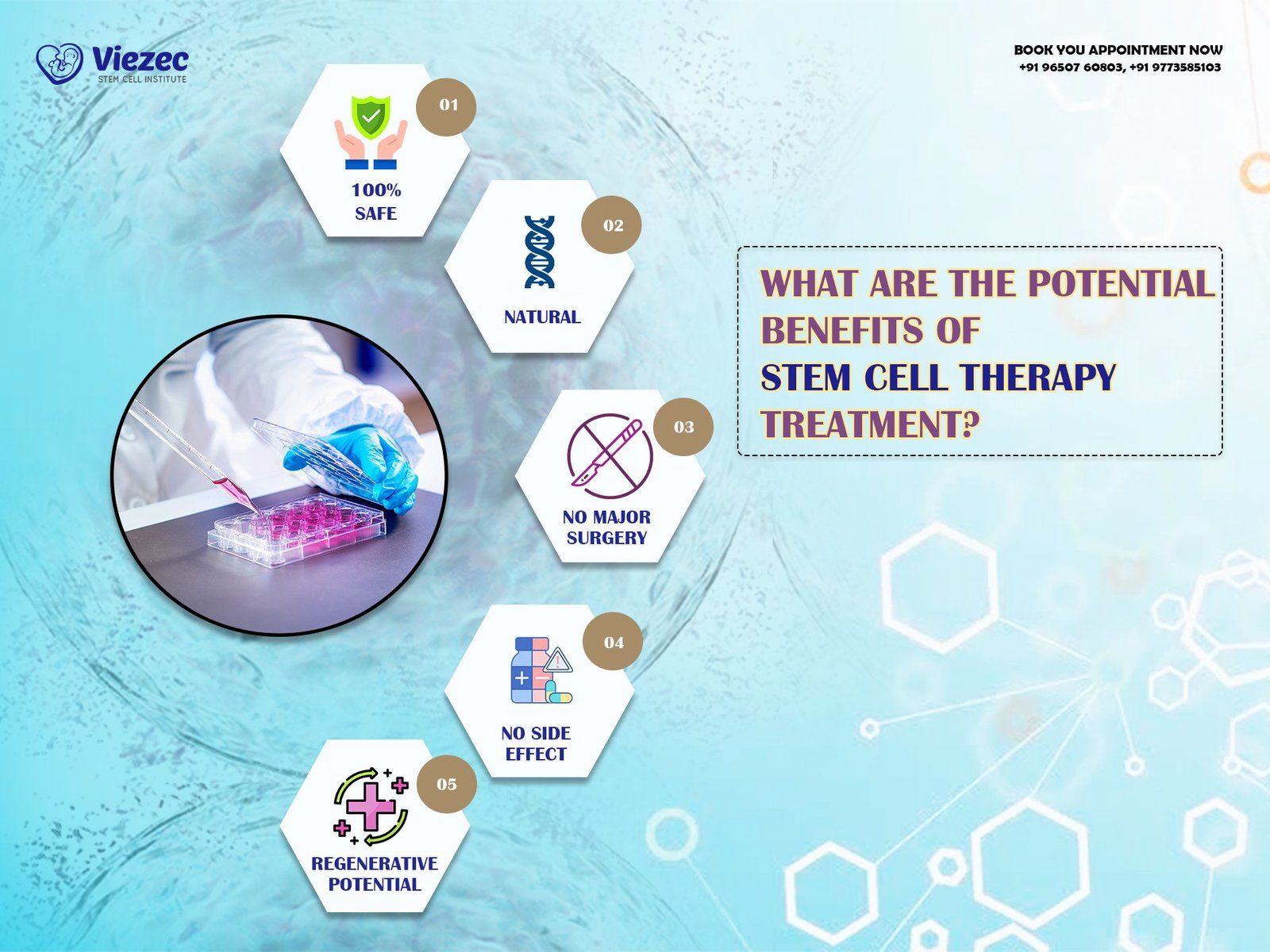
Stem cell therapy offers several potential advantages compared to conventional treatments.
Promotes Natural Healing
One of the main benefits of stem cell treatment is its ability to support the body’s natural repair mechanisms. Rather than replacing damaged tissue with artificial implants or relying solely on medication, stem cells encourage regeneration from within.
Minimally Invasive Treatment Option
Most stem cell therapies are delivered through injections rather than surgery. This reduces tissue trauma, lowers the risk of complications, and shortens recovery time for many patients.
Reduces Pain and Inflammation
Chronic pain often results from inflammation and tissue degeneration. Stem cell therapy may help reduce pain by controlling inflammatory responses and supporting tissue repair at the source.
Potential to Delay or Avoid Surgery
For some patients, stem cell therapy may help delay or eliminate the need for invasive surgical procedures, especially in orthopedic conditions such as joint degeneration.
Supports Long-Term Tissue Health
Unlike treatments that only provide temporary relief, stem cell therapy aims to improve tissue quality over time, potentially offering longer-lasting benefits.
Discover if Stem Cell Therapy Can Help You!
Book a Free Consultation with Our Experts at Viezec !
Potential Benefits for Orthopedic Conditions
Orthopedic applications are among the most studied uses of stem cell therapy.
Joint Pain and Arthritis
Stem cell therapy for joint pain focuses on cartilage regeneration and inflammation reduction. Patients with osteoarthritis may experience improved mobility and reduced stiffness.
Sports Injuries
Athletes and physically active individuals often seek stem cell therapy for ligament, tendon, and muscle injuries. The regenerative properties may help accelerate recovery and improve tissue strength.
Spine and Disc Conditions
Stem cell therapy is being explored for degenerative disc disease and spinal injuries. The goal is to support disc health and reduce inflammation around affected nerves.
Potential Benefits for Neurological Conditions
Neurological disorders present complex challenges, but stem cell therapy offers potential advantages under carefully regulated protocols.
Nerve Repair Support
Stem cells may help support nerve regeneration by releasing growth factors that encourage neural repair.
Neuroprotective Effects
In certain conditions, stem cells may help protect existing nerve cells from further damage by reducing inflammation and oxidative stress.
Improving Quality of Life
While not a cure, stem cell therapy may help improve function, mobility, or symptom control in selected neurological conditions when combined with rehabilitation.
Potential Benefits for Autoimmune and Inflammatory Disorders
Autoimmune diseases occur when the immune system mistakenly attacks healthy tissues.
Immune System Regulation
Stem cells can modulate immune activity, helping restore balance and reduce harmful immune responses.
Reduced Dependence on Long-Term Medications
Some patients seek stem cell therapy to reduce reliance on medications that may have long-term side effects.
Systemic Healing Support
By reducing inflammation at a cellular level, stem cell therapy may support overall tissue health across multiple systems.
Cardiovascular and Metabolic Applications
Research is ongoing into how stem cell therapy may benefit cardiovascular and metabolic health.
Tissue Repair After Injury
Stem cells are being studied for their role in repairing damaged heart tissue following ischemic injury.
Improved Blood Vessel Formation
Certain stem cells can promote angiogenesis, which supports better blood flow and tissue oxygenation.
Start Your Regenerative Journey Today!
Contact Viezec for Personalized Stem Cell Therapy Plan
Skin, Hair, and Soft Tissue Regeneration
Stem cell therapy is also being explored in aesthetic and reconstructive medicine.
Wound Healing
Stem cells may support faster wound closure and improved tissue quality in chronic or non-healing wounds.
Hair and Skin Health
Regenerative approaches using stem cells aim to improve skin texture, elasticity, and hair follicle health by stimulating cellular renewal.
Recovery and Healing Timeline
Recovery experiences vary depending on the condition and individual factors.
Short-Term Phase
Most patients resume daily activities shortly after treatment. Mild soreness or swelling at the injection site is common.
Progressive Improvement
Benefits often appear gradually over weeks or months as tissues heal and regenerate.
Long-Term Outcomes
Stem cell therapy focuses on long-term tissue health rather than immediate symptom suppression. Follow-up care and lifestyle management play an important role.
Scientific Evidence and Ongoing Research
Stem cell therapy is supported by a growing body of clinical research.
-
Studies demonstrate potential benefits in orthopedic and inflammatory conditions.
-
Ongoing clinical trials continue to refine treatment protocols.
-
Regulatory frameworks aim to ensure patient safety and treatment quality.
It is important to rely on scientifically supported treatments rather than unverified claims.
Who May Be a Good Candidate for Stem Cell Therapy
Stem cell therapy is not suitable for everyone.
Suitable Candidates Often Include
-
Patients with degenerative or chronic conditions
-
Individuals seeking non-surgical treatment options
-
Patients with realistic expectations and commitment to follow-up care
Medical Evaluation Is Essential
A thorough medical assessment determines whether stem cell therapy is appropriate and safe for a specific condition.
Role of Specialized Medical Centers
The expertise of the treatment center plays a critical role in outcomes.
At Viezec, patients benefit from evidence-based regenerative approaches, clinical evaluation, and ethical treatment protocols. Based in India, Viezec focuses on patient safety, transparency, and scientifically supported regenerative therapies.
Choosing a reputable center ensures that stem cell therapy is administered under proper medical supervision.
Ethical and Regulatory Considerations
Ethical practice is fundamental in regenerative medicine.
Responsible Use of Stem Cells
-
Use of adult stem cells
-
No unproven or exaggerated claims
-
Transparent patient education
Compliance With Medical Guidelines
Regulatory compliance helps protect patients and ensures treatment credibility.
Is Your Condition Eligible for Stem Cell Therapy?
Speak directly with our specialist.
Comparing Stem Cell Therapy With Traditional Treatments
Stem cell therapy differs from conventional approaches in several ways.
-
Traditional treatments often manage symptoms.
-
Stem cell therapy targets underlying tissue damage.
-
Recovery may be faster compared to surgery in suitable cases.
However, stem cell therapy should complement, not replace, standard medical care when necessary.
Limitations of Stem Cell Therapy
Despite its promise, stem cell therapy has limitations.
-
Not all conditions respond equally.
-
Results are not guaranteed.
-
Multiple treatments may be required in some cases.
Clear communication and realistic expectations are essential for patient satisfaction.
Long-Term Benefits and Lifestyle Support
Stem cell therapy works best when combined with supportive care.
Healthy Lifestyle Choices
-
Balanced nutrition
-
Regular physical activity
-
Stress management
Ongoing Medical Monitoring
Follow-up visits help track progress and optimize outcomes.
Frequently Asked Questions
When performed using a patient’s own stem cells under regulated medical protocols, stem cell therapy is generally considered safe. Proper clinical evaluation and ethical standards are essential.
Some patients notice improvement within a few weeks, while others experience gradual benefits over several months as tissue healing and regeneration progress.
Stem cell therapy is commonly explored for orthopedic conditions, joint pain, arthritis, sports injuries, inflammatory disorders, and certain neurological conditions under medical supervision.
Stem cell therapy does not replace surgery or medications in all cases. It may help delay or reduce the need for invasive treatments for some patients, depending on the condition and severity.
Final Thoughts
Stem cell therapy represents a shift toward regenerative, patient-centered healthcare. By addressing tissue damage at a cellular level, it offers potential benefits such as pain reduction, improved function, and enhanced quality of life.
While not a miracle cure, stem cell therapy continues to gain attention due to its minimally invasive nature and focus on long-term healing. Patients considering this option should seek evidence-based care from reputable providers like Viezec, where treatments are guided by medical expertise and ethical standards.
As research evolves, stem cell therapy is expected to play an increasingly important role in modern medicine, offering hope to patients seeking advanced, science-driven treatment options.
List of References
Stem Cell Therapy Success Rates Hit 78% — Breakdown by Condition — analysis of clinical outcomes and quality-of-life improvements in various MSC applications.
https://globalrph.com/2025/03/stem-cell-therapy-success-rates-hit-78-new-research-reveals-breakthrough-results/
Sheba Medical Center on Stem Cell Transplantation Success — review citing ~60–70% success in hematologic applications, with variability by patient health and condition.
https://www.shebaonline.org/patient-knowledge-base/question/what-is-the-success-rate-of-stem-cell-therapy/
Clinical Trials of Stem Cell Therapy for Stroke & Neurodegenerative Diseases — systematic review showing functional improvements in stroke, Alzheimer’s, and Parkinson’s trials with good safety profiles.
https://pubmed.ncbi.nlm.nih.gov/37786546/
Recent Developments in Stem Cell Therapies (Heart Failure Trial Results) — clinical evidence of stem cells reducing cardiovascular risk and inflammation in heart failure.
https://www.europeanpharmaceuticalreview.com/article/182527/recent-developments-in-stem-cell-therapies/