

Stem cell eye treatment has become one of the most promising developments in modern ophthalmology. With millions of people suffering from corneal blindness, age-related macular degeneration, diabetic retinopathy, retinal tears, optic nerve damage, and severe dry eyes, regenerative medicine is opening a new door—one that focuses on repairing rather than just managing eye diseases.
This comprehensive guide explains how stem cell eye therapy works, types of stem cells used, conditions treated, success rates, risks, benefits, eligibility, treatment procedure, scientific evidence, and future possibilities.
What is Stem Cell Eye Treatment?
Stem cell eye treatment is a regenerative medical approach where healthy stem cells are used to replace, restore, or regenerate damaged tissue inside the eye. These cells have the ability to:
-
Transform into specialized eye cells
-
Repair damaged corneal or retinal tissue
-
Reduce inflammation
-
Slow or stop progression of degenerative eye diseases
Unlike conventional eye treatments, which often aim to slow damage, stem cell therapy works at a cellular level to rebuild the tissue itself.
Why Stem Cells are Important for Eye Health?
The human eye is one of the most delicate and complex organs in the body. Unfortunately, many of its essential cells cannot regenerate on their own once they are damaged due to age, injury, or disease. This is where stem cells become incredibly valuable. Their unique ability to transform into different types of eye cells allows them to repair, replace, and restore tissues that traditional treatments cannot fix.
How Stem Cells Support Natural Regeneration?
Stem cells can develop into various specialized eye cells, including:
-
Corneal epithelial cells – essential for maintaining a clear and healthy corneal surface.
-
Retinal pigment epithelial (RPE) cells – responsible for supporting photoreceptors and preventing retinal degeneration.
-
Rods and cones (photoreceptors) – crucial for visual clarity, night vision, and color perception.
-
Nerve cells (in experimental research) – with the potential to help regenerate parts of the optic nerve and improve signaling to the brain.
Because these cells can replace damaged tissues at the source, stem cell therapy opens new possibilities for treating conditions that were once considered irreversible.
The Key Advantage: Restoring Function at a Cellular Level
Unlike conventional eye treatments that only manage symptoms, stem cells work at the cellular level. This means they not only reduce inflammation and slow disease progression but also help rebuild the actual tissue that has been lost. This regenerative capacity is why stem cell therapy is considered one of the most promising future solutions for restoring vision and preventing blindness.
Discover if Stem Cell Therapy Can Help You!
Book a Free Consultation with Our Experts at Viezec !
Types of Stem Cells Used in Eye Treatment
Different forms of stem cells are used depending on the condition, the level of tissue damage, and the specific vision restoration goals set by the ophthalmologist. Each stem cell type offers unique benefits, healing capabilities, and applications, which is why selecting the right one is essential for achieving the best possible regenerative outcome.
1. Limbal Stem Cells
Found in the cornea, limbal stem cells are essential for producing new corneal cells.
Used for:
-
Corneal burns
-
Limbal stem cell deficiency (LSCD)
-
Chemical injuries
-
Chronic corneal damage
2. Mesenchymal Stem Cells (MSCs)
Derived from bone marrow or adipose tissue, these cells have strong anti-inflammatory and healing properties.
Used for:
-
Optic nerve damage
-
Uveitis
-
Severe dry eye disease
-
Retinal injuries (experimental)
3. Induced Pluripotent Stem Cells (iPSCs)
Adult cells genetically reprogrammed to behave like embryonic stem cells.
Used for:
-
Personalized retinal treatments
-
Avoiding immune rejection
-
Advanced research and trials
Conditions That Stem Cell Eye Treatment Can Help
Stem cell therapy is not effective for every eye disease, but growing clinical evidence shows promising results across several major conditions. These regenerative treatments can support tissue repair, reduce inflammation, and potentially restore partial vision in cases where traditional therapies provide limited benefit.
Age-Related Macular Degeneration (AMD)
Stem cells can replace damaged retinal pigment epithelial (RPE) cells and help protect remaining photoreceptors from ongoing degeneration. This regenerative effect may offer better long-term management for patients who experience rapid central vision decline.
Benefits often include:
-
Possible improvement in overall vision clarity
-
Reduction in central vision blurring, especially during reading
-
Slowing of disease progression in early to mid-stage AMD
These improvements collectively provide better stability and visual comfort compared to conventional treatments alone.
Corneal Blindness & Corneal Injuries
Limbal stem cell transplantation has become a recognized treatment for severe corneal damage, particularly in patients who experience scarring, burns, or chronic surface disorders. This therapy helps rebuild the corneal surface and support natural healing.
It helps by improving:
-
Restoration of corneal transparency for clearer vision
-
Reduction of scarring that affects light entry
-
Enhancement of visual acuity and day-to-day comfort
This approach is especially valuable for patients with limbal stem cell deficiency or repeated corneal injuries.
Retinitis Pigmentosa (RP)
While still considered experimental, stem cell–based interventions show potential to regenerate damaged photoreceptors and slow the degenerative process associated with RP. These treatments may also improve retinal function by reducing inflammation and supporting surviving cells.
Many studies highlight small but meaningful benefits such as:
-
Stabilizing night vision
-
Supporting healthier photoreceptor survival
This offers hope for individuals who otherwise face gradual progressive vision loss.
Diabetic Retinopathy
Mesenchymal stem cells (MSCs) can help reduce retinal inflammation and assist in repairing blood vessel damage caused by chronic high blood sugar levels. These improvements may complement existing treatments like laser therapy or injections.
MSC therapy contributes to:
-
Restoration of healthier microvascular structures
-
Reduction in retinal swelling and oxidative stress
-
Better long-term visual stability for diabetic patients
This makes the therapy a promising supportive option for improving retinal health.
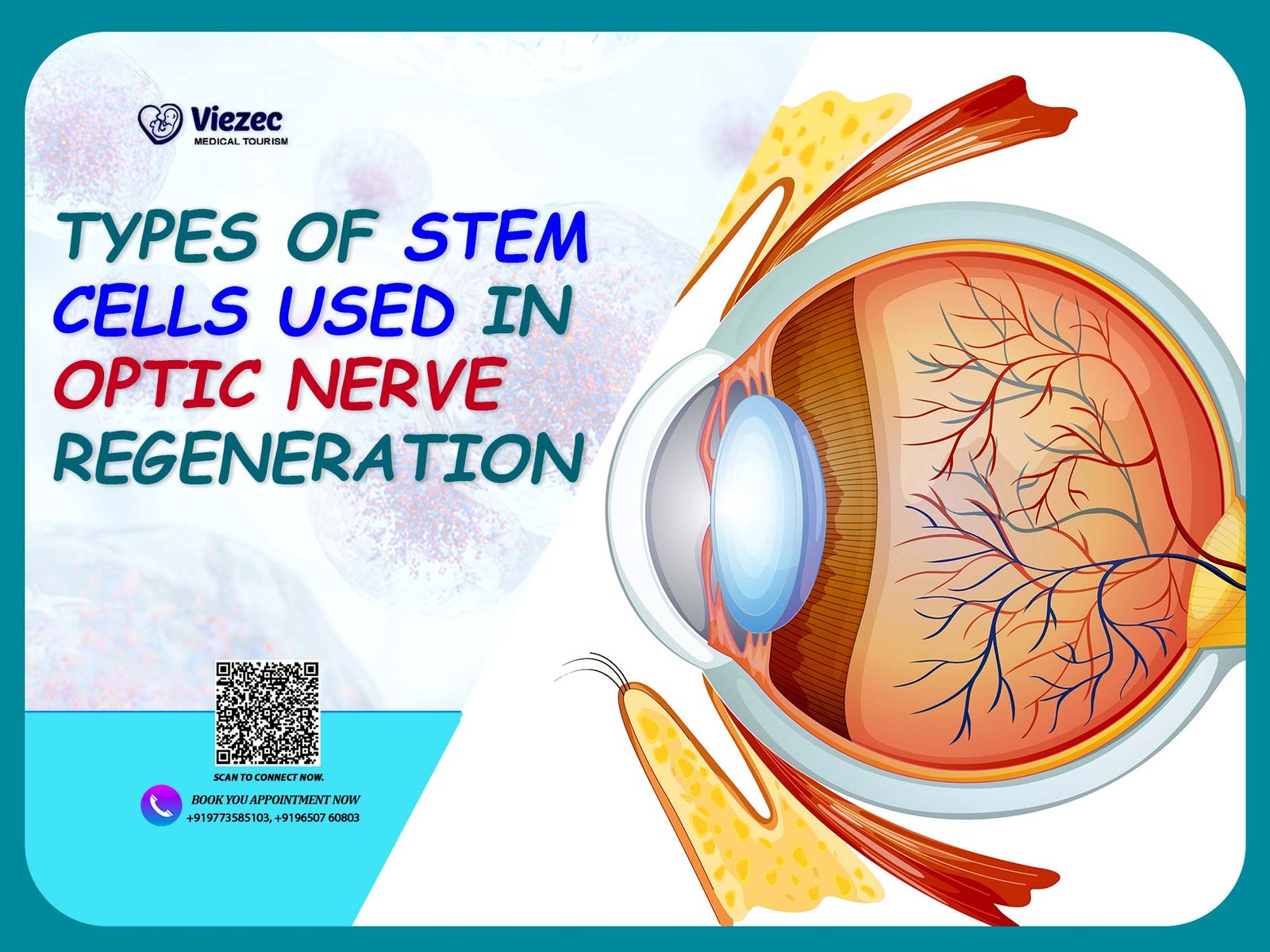
Optic Nerve Damage (Including Glaucoma)
Stem cells may support optic nerve regeneration and protect retinal ganglion cells, which are often damaged in glaucoma and traumatic optic neuropathy. Although research is ongoing, early results suggest that stem cells can create a healthier environment for nerve repair.
Key regenerative benefits include:
-
Supporting optic nerve fiber repair and survival
-
Protecting retinal ganglion cells from further degeneration
-
Reducing inflammation around the optic nerve head
These effects may help slow down vision loss progression in certain patients.
Severe Dry Eye Syndrome
Stem cell-based therapies can help rebuild tear-producing cells and repair the ocular surface, offering relief for individuals with chronic dry eye conditions that do not respond to regular eye drops or medications.
Therapeutic improvements may include:
-
Enhanced tear quality and stability
-
Reduction of corneal surface inflammation
-
Faster healing of micro-abrasions caused by dryness
This can significantly improve comfort, especially for patients with autoimmune-related dry eye.
Chemical Eye Burns
Limbal stem cell transplantation plays a crucial role in restoring the cornea after chemical injuries. These burns can destroy the eye’s natural healing cells, and stem cell therapy helps replenish them with healthy, functional tissue.
This treatment helps by:
-
Re-establishing a stable and clear corneal surface
-
Minimizing long-term scarring and haze
-
Supporting faster recovery and better vision outcomes
It remains one of the most successful clinical uses of ocular stem cell therapy.
Start Your Regenerative Journey Today!
Contact Viezec for Personalized Stem Cell Therapy Plan
Benefits of Stem Cell Eye Treatment
Stem cell eye treatment offers several scientifically supported advantages that make it a promising option for patients dealing with corneal damage, retinal degeneration, or chronic inflammatory eye disorders. These benefits are based on regenerative medicine principles, clinical evidence, and ongoing advancements in ophthalmology.
Regenerates Damaged Eye Tissue
Unlike conventional eye drops or medications that only manage symptoms, stem cell therapy actively works to regenerate damaged corneal or retinal tissue. This cellular repair can improve long-term eye health by restoring structural integrity.
-
Helps rebuild corneal epithelial cells
-
Supports retinal pigment epithelium renewal
This makes it especially valuable for patients with chronic or progressive eye damage.
Reduces Inflammation
Stem cells naturally release bioactive molecules that help control inflammation and reduce immune reactions within the eye. This anti-inflammatory effect provides relief for patients with autoimmune eye disorders, nerve damage, or severe surface irritation while also supporting healing.
Some common improvements include:
-
Reduced redness and irritation
-
Decrease in chronic swelling
This helps stabilize the ocular environment and encourages smoother recovery.
Delays Progression of Degenerative Diseases
One of the most important advantages is the therapy’s potential to slow or delay the progression of degenerative eye diseases. Conditions like AMD, RP, diabetic retinopathy, and glaucoma-related nerve damage often worsen over time, and stem cells can help protect vulnerable cells from further deterioration by providing nutritional and regenerative support.
Minimally Invasive (in many cases)
Many stem cell procedures are minimally invasive and do not require complex surgeries. In several cases, treatment is done through targeted injections around or inside the eye, making the process faster, safer, and more comfortable for patients.
-
Shorter downtime
-
Lower surgical risks
-
Faster healing response
This also makes the therapy accessible to patients who are not good candidates for traditional surgical interventions.
May Improve Vision Quality
Stem cell therapy has shown potential to enhance various aspects of visual function by improving the health of underlying tissues. Patients often report better clarity, reduced glare, improved contrast sensitivity, and a possible increase in visual sharpness as the regenerated cells start functioning more effectively.
Lower Risk of Rejection
Because many treatments use the patient’s own stem cells, the risk of immune rejection is significantly reduced. Autologous stem cell therapy reduces complications, improves safety, and supports long-term stability, especially in treatments involving corneal repair or retinal support.
Scientific Evidence & Clinical Trials
Over the past decade, several major studies have shown encouraging outcomes:
-
Limbal Stem Cell Therapy: High success rates in restoring corneal clarity (65–85% improvement).
-
Macular Degeneration ESC Trials: Some patients gained measurable visual improvement.
-
MSCs for Optic Nerve Damage: Reduced inflammation and supported nerve survival.
-
iPSC Retinal Transplantation: First successful trial demonstrated safety and partial improvement.
Overall, research continues to advance quickly, and the next decade may bring even more breakthroughs.
Who is a Good Candidate for Stem Cell Eye Treatment?
You may be a good candidate for stem cell eye treatment if you have vision problems that are still responsive to regenerative therapy and have not fully progressed. This includes individuals with:
-
Moderate to severe corneal damage
-
Early to mid-stage macular degeneration
-
Retinal injury or inflammation
-
Autoimmune-related eye conditions affecting the ocular surface
-
Progressive vision declines despite standard treatment
Some candidates may also qualify if they still have:
-
Healthy supporting retinal tissue
-
Partial optic nerve function
However, this treatment is not recommended for people with:
-
Total retinal detachment
-
A fully dead optic nerve
-
Advanced irreversible blindness
A specialist evaluation is required to confirm eligibility based on disease stage and eye health.
How Much Does Stem Cell Eye Treatment Cost?
The cost of stem cell eye treatment can vary depending on the country, the clinic’s expertise, the type of stem cells used, and the specific eye condition being treated. Prices also change based on how advanced the technology is and whether the procedure requires simple injections or a more complex transplantation process.
Key factors that influence the cost include:
-
The type of eye disease and severity
-
The method of stem cell delivery
-
The level of laboratory preparation required
Corneal procedures, retinal therapies, and treatments for dry eye or inflammation all fall into different cost ranges, and experimental options may be higher due to specialized lab work. A proper evaluation with a qualified eye specialist is the best way to understand your exact treatment estimate.
Recovery & Aftercare
Following treatment, patients may experience mild redness, irritation, or blurred vision for a few days as the eye gradually adapts to the newly introduced stem cells and begins the healing process. During this period, it’s important to protect the eye from strain and environmental exposure. Many patients notice steady improvement, especially when they follow their ophthalmologist’s guidance and maintain proper aftercare routines. A few essential points to remember include:
-
Avoiding harsh light or dusty environments
-
Keeping the eye clean with recommended solutions
Additional instructions may include:
-
Using cooling compresses if advised
-
Avoiding swimming or makeup near the eye area
Aftercare Includes:
-
Avoid rubbing or touching the eye
-
Follow prescribed eye drops carefully
-
Wear protective glasses outdoors
-
Attend follow-up appointments regularly
-
Limit screen time for a few days
Healing time varies from 1 week to 3 months, depending on the type of stem cell therapy performed, the degree of pre-existing eye damage, and the patient’s overall healing response.
Is Your Condition Eligible for Stem Cell Therapy?
Speak directly with our specialist.
Why Choose Viezec in India for Stem Cell Eye Treatment?
Viezec is a trusted name in regenerative eye care, offering advanced stem cell therapy solutions designed to restore, protect, and enhance vision using globally recognized medical standards. With a strong focus on safety, expertise, and ethical treatment protocols, Viezec provides international patients with a seamless, end-to-end care experience that includes teleconsultation, personalized treatment planning, travel assistance, and continuous post-treatment monitoring.
Key reasons to choose Viezec for stem cell eye treatment:
✔ Specialized Expertise in Ocular Regenerative Medicine:
Our treatments follow the latest clinical evidence and international ophthalmic guidelines, ensuring science-backed therapy for conditions such as corneal damage, macular degeneration, dry eye syndrome, and retinal degeneration.
✔ Advanced and Minimally Invasive Procedures:
Depending on the eye condition, stem cells may be delivered through targeted ocular injections, topical application, corneal transplantation, or intravenous infusion—all performed using modern, precision-based techniques.
✔ Customized Vision Recovery Plans:
Each treatment plan is tailored to the patient’s unique eye condition, severity of damage, visual goals, and overall health profile, ensuring personalized and effective care.
✔ Global Patient Assistance & Care Coordination:
Viezec supports international patients with visa facilitation, airport pickup, accommodation arrangements, medical interpretation, and telemedicine consultations before and after the procedure.
With an unwavering commitment to ethical practice, patient safety, and transparent treatment protocols, Viezec ensures that individuals seeking stem cell eye therapy in India receive high-quality, reliable, and compassionate care focused on long-term visual improvement.
FAQs
Stem cell eye procedures involve transplanting or injecting healthy stem cells into the cornea, retina, or surrounding tissues to repair damaged cells and promote natural healing.
Stem cells may partially restore vision by regenerating damaged eye tissues, improving clarity, and slowing degeneration, though full vision recovery depends on the condition and severity.
Most patients notice gradual improvement within a few weeks, while full therapeutic results can take anywhere from one to three months depending on the treatment and healing response.
Yes, scientific studies and clinical trials show promising outcomes—especially for corneal damage and early macular degeneration—though some retinal treatments remain experimental.
Stem cells help treat eye diseases by reducing inflammation, regenerating damaged cells, supporting tissue repair, and slowing progression of degenerative disorders.
Available options include limbal stem cell transplants for corneal injuries, mesenchymal stem cell injections for inflammation, and experimental retinal cell therapies in ongoing clinical trials.
After treatment, patients should avoid rubbing the eyes, intense screen time, swimming, heavy exercise, or exposure to dust and bright sunlight until cleared by their ophthalmologist.
Conclusion
Stem cell eye treatment represents one of the most exciting advances in modern ophthalmology. By using regenerative cells to repair damaged corneal, retinal, and nerve tissue, stem cell therapy offers hope for thousands of patients who previously had limited options. While not a miracle cure, it can significantly improve vision quality, slow disease progression, and enhance overall eye health—especially when performed at specialized centers with proper follow-up care.
Ethical & Transparent Patient Guidance
We provide consultation, case evaluation, and patient support services in regenerative medicine.
As per Indian guidelines, stem cell-based interventions (beyond approved uses) are
investigational and available only within regulated clinical research settings.
We also assist patients in accessing internationally accredited treatment pathways.
List of References :-
Good manufacturing practice production of human corneal limbus-derived stromal stem cells
https://stemcellres.biomedcentral.com/articles/10.1186/s13287-023-03626-8
Advances in retinal pigment epithelial cell transplantation for retinal degenerative diseases
https://stemcellres.biomedcentral.com/articles/10.1186/s13287-024-04007-5
Exploring Stem-Cell-Based Therapies for Retinal Regeneration
https://www.mdpi.com/2075-1729/14/6/668
Cell-based Therapies for Corneal and Retinal Disorders
https://pubmed.ncbi.nlm.nih.gov/37704835/
Recent Progress in Photoreceptor Cell-Based Therapy for Degenerative Retinal Disease
https://academic.oup.com/stcltm/article/13/4/332/7615801
We Also Offer Treatments For
Our Testimonials
Related Videos
Recent Blog Posts
4.8 average based on 654 reviews.