Diabetes is one of the fastest-growing chronic health conditions worldwide, affecting millions of people across all age groups. In India alone, the number of people living with diabetes continues to rise, placing a heavy burden on individuals, families, and the healthcare system. While traditional diabetes treatments focus on managing blood sugar through medication, insulin, and lifestyle changes, advances in regenerative medicine are opening new possibilities.
One of the most promising areas of innovation is stem cell therapy for diabetes. This emerging field aims to address diabetes at a cellular level by repairing or replacing damaged insulin-producing cells and improving overall pancreatic function. Rather than only controlling symptoms, regenerative medicine focuses on restoring biological function, which represents a major shift in how diabetes could be treated in the future.
This article explores how regenerative medicine and stem cell therapy relate to diabetes, the science behind these approaches, current research, potential benefits, risks, and what patients in India should know when considering advanced regenerative options.
Understanding Diabetes: A Cellular and Metabolic Disorder
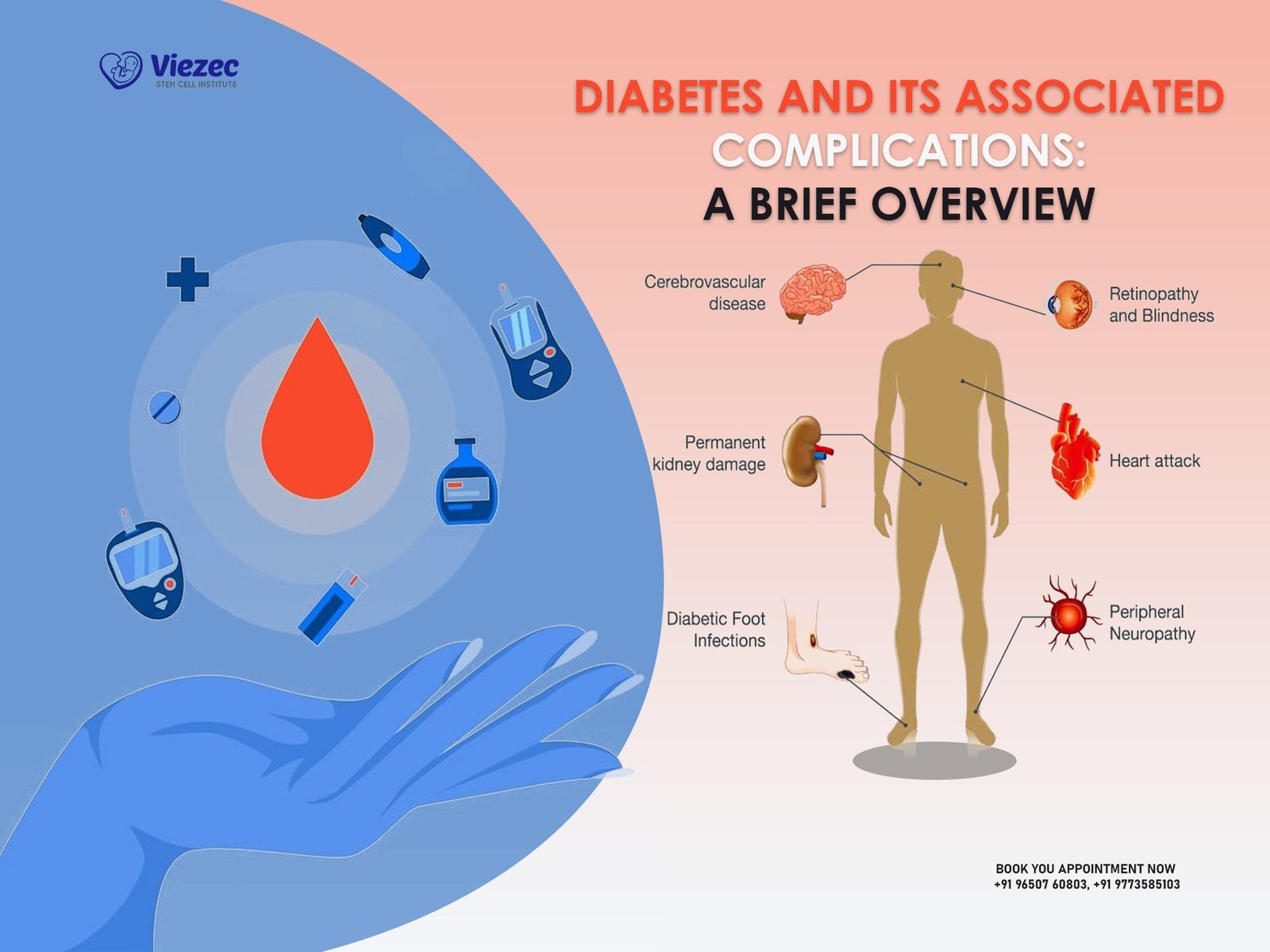
Diabetes is a metabolic disease characterized by chronically elevated blood glucose levels. It occurs when the body is unable to produce enough insulin, use insulin effectively, or both. Insulin is a hormone produced by specialized beta cells in the pancreas that allows glucose to enter cells and be used for energy.
There are two main types of diabetes:
Type 1 Diabetes
Type 1 diabetes is an autoimmune condition. The immune system mistakenly attacks and destroys pancreatic beta cells, leading to little or no insulin production. People with type 1 diabetes typically require lifelong insulin therapy. Because beta cells are destroyed, this form of diabetes is directly linked to loss of insulin-producing cells.
Type 2 Diabetes
Type 2 diabetes is primarily associated with insulin resistance and gradual beta cell dysfunction. The body still produces insulin, but cells do not respond to it effectively. Over time, the pancreas may become unable to keep up with insulin demand. Type 2 diabetes is often linked to genetics, obesity, sedentary lifestyle, and metabolic syndrome.
In both forms of diabetes, damage or dysfunction at the cellular level plays a central role. This is where regenerative medicine becomes especially relevant.
What Is Regenerative Medicine?
Regenerative medicine is a branch of medicine focused on repairing, replacing, or regenerating damaged cells, tissues, or organs. Instead of simply treating symptoms, it aims to restore normal biological function.
Key areas of regenerative medicine include:
-
Tissue engineering
-
Cellular therapy
-
Gene-based therapies
-
Growth factor and biologic treatments
In diabetes, regenerative medicine primarily targets the pancreas, immune system, and metabolic pathways involved in insulin production and glucose regulation.
Discover if Stem Cell Therapy Can Help You!
Book a Free Consultation with Our Experts at Viezec !
What Are Stem Cells and Why Are They Important in Diabetes?
Stem cells are unique cells with two defining characteristics:
-
Self-renewal – They can divide and make more stem cells.
-
Differentiation – They can develop into specialized cell types, such as insulin-producing beta cells.
Because of these properties, stem cells are being studied as a way to regenerate or replace damaged pancreatic cells in people with diabetes.
Types of stem cells commonly studied in diabetes research include:
-
Mesenchymal stem cells (MSCs)
-
Hematopoietic stem cells
-
Induced pluripotent stem cells (iPSCs)
-
Embryonic stem cells (in research settings)
Each type has different characteristics, safety profiles, and potential clinical applications.
How Stem Cell Therapy Works for Diabetes
Stem cell therapy for diabetes is designed to target the disease at its biological roots. Depending on the approach, stem cells may be used to:
1. Replace Insulin-Producing Beta Cells
One major goal is to generate new insulin-producing cells. Researchers are working on differentiating stem cells into pancreatic beta-like cells that can sense glucose and release insulin.
This strategy is especially relevant for:
-
Type 1 diabetes, where beta cells are destroyed
-
Advanced type 2 diabetes, where beta cell function is severely impaired
2. Support Pancreatic Repair and Regeneration
Some stem cells, especially mesenchymal stem cells, may help repair damaged pancreatic tissue by releasing growth factors and anti-inflammatory molecules. This can support the survival and function of existing beta cells.
3. Modulate the Immune System
In type 1 diabetes, autoimmune attack is a major problem. Certain stem cell-based therapies aim to regulate immune responses, reduce inflammation, and promote immune tolerance. This may help protect remaining beta cells from further destruction.
4. Improve Insulin Sensitivity
In type 2 diabetes, stem cell therapy may help reduce inflammation and improve insulin sensitivity, which can enhance how the body responds to insulin and improve glucose metabolism.
Stem Cell Therapy for Type 1 Diabetes
Type 1 diabetes is a strong focus of stem cell research because it directly involves the loss of insulin-producing cells. Several regenerative strategies are under investigation:
Beta Cell Replacement Therapy
This approach involves generating new insulin-producing cells from stem cells and transplanting them into the patient. The goal is to restore natural insulin production.
Islet Cell Transplantation
Islet cell transplantation has been studied for years. It involves transferring insulin-producing islet cells into a person with type 1 diabetes. While this approach has shown promise, it is limited by donor availability and immune rejection.
Stem cell-derived islet cells could help overcome these limitations in the future.
Immune Modulation
Some regenerative therapies aim to retrain the immune system to reduce or stop autoimmune attacks on beta cells. This is an important area of research for preserving newly generated or remaining insulin-producing cells.
Stem Cell Therapy for Type 2 Diabetes
In type 2 diabetes, the problem is more complex. Insulin resistance, chronic inflammation, and gradual beta cell dysfunction all contribute to disease progression.
Regenerative medicine strategies for type 2 diabetes may focus on:
-
Supporting beta cell survival and function
-
Reducing chronic inflammation
-
Improving insulin sensitivity
-
Enhancing pancreatic microenvironment health
Mesenchymal stem cells are often studied in this context because of their anti-inflammatory and immune-modulating properties. They may help improve metabolic control and support better long-term glycemic management.
Start Your Regenerative Journey Today!
Contact Viezec for Personalized Stem Cell Therapy Plan
Scientific Mechanisms Behind Regenerative Therapy in Diabetes
Stem cell and regenerative therapies work through several biological mechanisms:
-
Cell differentiation into insulin-producing cells
-
Paracrine signaling, where stem cells release growth factors that support tissue repair
-
Immune modulation to reduce autoimmune and inflammatory damage
-
Angiogenesis, or formation of new blood vessels, which supports pancreatic tissue health
-
Tissue microenvironment improvement, creating better conditions for beta cell survival
These mechanisms are complex and still under active research, but they form the scientific foundation of regenerative medicine for diabetes.
Current Clinical Research and Trials
Stem cell therapy for diabetes is still considered an emerging and evolving field. Clinical trials are ongoing worldwide to evaluate safety, effectiveness, dosing, and long-term outcomes.
Areas of active research include:
-
Stem cell-derived beta cell implants
-
Encapsulation technologies to protect transplanted cells from immune attack
-
Mesenchymal stem cell infusions for immune and metabolic modulation
-
Combination therapies with immune-modulating drugs
While early studies show encouraging results, large-scale clinical evidence is still developing. Patients should understand that regenerative therapies for diabetes are not yet considered a standard cure.
Potential Benefits of Stem Cell Therapy for Diabetes
Although outcomes vary and research is ongoing, potential benefits being explored include:
-
Improved glycemic control
-
Reduced insulin requirements
-
Preservation or restoration of beta cell function
-
Better HbA1c levels over time
-
Reduced inflammation
-
Improved quality of life
-
Potential long-term disease modification
These benefits depend on many factors, including type of diabetes, disease duration, overall health, and specific regenerative approach used.
Safety, Risks, and Limitations
Key considerations include:
-
Stem cell therapy is still evolving
-
Not all treatments marketed as stem cell therapy are evidence-based
-
Risk of infection, immune reactions, or unintended effects
-
Long-term safety data is still being collected
-
Regulatory oversight varies by country and clinic
-
Results are not guaranteed and vary from patient to patient
Patients should always seek treatment under proper medical supervision and avoid unproven or poorly regulated therapies.
Who May Be a Candidate for Regenerative Therapy?
Not every person with diabetes is an ideal candidate for stem cell-based treatments. Suitability may depend on:
-
Type of diabetes
-
Duration of disease
-
Remaining beta cell function
-
Overall metabolic health
-
Presence of complications
-
Immune status
-
Other medical conditions
A comprehensive medical assessment is essential before considering any regenerative approach.
Role of Regenerative Medicine in the Future of Diabetes Care
Regenerative medicine represents a shift from symptom management to biological restoration. While it is not yet a universal cure, it offers a new direction in diabetes research and care.
Future developments may include:
-
More reliable stem cell-derived beta cell therapies
-
Improved immune protection for transplanted cells
-
Personalized regenerative medicine approaches
-
Combination therapies integrating cell therapy and advanced medications
-
Long-term disease-modifying strategies
As research advances, regenerative medicine may become a more established part of diabetes treatment pathways.
Stem Cell Therapy for Diabetes Treatment in India
India is becoming an important hub for advanced medical and regenerative research. With a growing burden of diabetes, there is increasing interest in innovative therapies that go beyond conventional management.
Patients in India should be especially careful to:
-
Seek reputable medical providers
-
Ask detailed questions about treatment protocols
-
Understand regulatory status
-
Avoid exaggerated claims or guarantees
-
Focus on evidence-based and medically supervised care
Is Your Condition Eligible for Stem Cell Therapy?
Speak directly with our specialist.
Regenerative Medicine for Diabetes Treatment at Viezec
At Viezec, the focus is on advancing regenerative medicine approaches with a strong emphasis on patient safety, ethical standards, and evidence-based care. Based in India, Viezec works within a medically guided framework to explore how regenerative therapies may support individuals with chronic conditions, including diabetes.
Viezec emphasizes:
-
Comprehensive patient evaluation
-
Responsible use of regenerative technologies
-
Transparent communication
-
Focus on long-term patient outcomes
-
Alignment with current scientific understanding
By integrating regenerative medicine into a broader care strategy, Viezec aims to support patients seeking advanced, future-focused healthcare options.
Integrating Regenerative Therapy with Standard Diabetes Care
It is important to understand that regenerative medicine is not a replacement for standard diabetes care at this stage. Instead, it may be considered as part of a broader, integrated approach that includes:
-
Blood sugar monitoring
-
Insulin or oral medications
-
Weight control
-
Physical activity
-
Regular medical follow-up
Combining conventional care with responsible regenerative strategies may help optimize overall outcomes for some patients.
Frequently Asked Patient Questions
At present, stem cell therapy is not considered a proven cure for diabetes. Research is ongoing, and while some patients may see improvements, outcomes vary.
Safety depends on the type of therapy, clinical protocol, and medical supervision. Long-term safety data is still being studied.
Many regenerative approaches are still under research or limited clinical use. Regulatory status varies, so patients should verify details carefully.
Patients with specific clinical profiles may be considered after thorough medical evaluation.
Final Thoughts
Diabetes and regenerative medicine are converging in ways that could reshape future treatment strategies. Stem cell therapy offers exciting potential by targeting the root causes of diabetes at the cellular level. While much research is still underway, regenerative medicine represents a promising frontier that moves beyond traditional symptom management.
For patients in India exploring advanced care options, responsible providers such as Viezec focus on ethical, medically guided approaches that align with current scientific evidence. As the field continues to evolve, regenerative medicine may play an increasingly important role in comprehensive diabetes care.
List of References
Clinical efficacy of stem-cell therapy on diabetes mellitus (Systematic Review & Meta-Analysis – PubMed)
https://pubmed.ncbi.nlm.nih.gov/36372144/
Mesenchymal Stem Cell Therapy for Diabetes – Meta-Analysis (PubMed)
https://pubmed.ncbi.nlm.nih.gov/38800472/
Clinical Efficacy and Safety of Stem Cell Therapy for Diabetes Mellitus (PubMed)
https://pubmed.ncbi.nlm.nih.gov/32010488/
Efficacy of Mesenchymal Stem Cell Transplantation for Type 1 & Type 2 Diabetes (BioMed Central)
https://stemcellres.biomedcentral.com/articles/10.1186/s13287-021-02342-5
Clinical Efficacy of Stem Cell Therapy for Diabetes Mellitus – Meta-Analysis (PubMed)
https://pubmed.ncbi.nlm.nih.gov/27073927/