Vision is central to how people experience the world. When inherited retinal diseases slowly damage the retina and lead to progressive vision loss, the emotional and functional impact can be overwhelming. For decades, treatment options were limited to supportive care, visual aids, and coping strategies. Today, regenerative medicine is changing that narrative. Stem cell therapy for inherited retinal diseases is emerging as a promising approach that aims not only to slow degeneration but to restore lost retinal function.
Advances in retinal stem cell therapy are offering new hope for patients diagnosed with genetic eye disorders such as retinitis pigmentosa, Stargardt disease, and Leber congenital amaurosis. While this field is still evolving, clinical research and early outcomes suggest that stem cell–based interventions may redefine how inherited vision loss is treated in the future.
This comprehensive guide explores how stem cell therapy works for inherited retinal diseases, who may benefit, what current research shows, and what patients should realistically expect.
Understanding Inherited Retinal Diseases
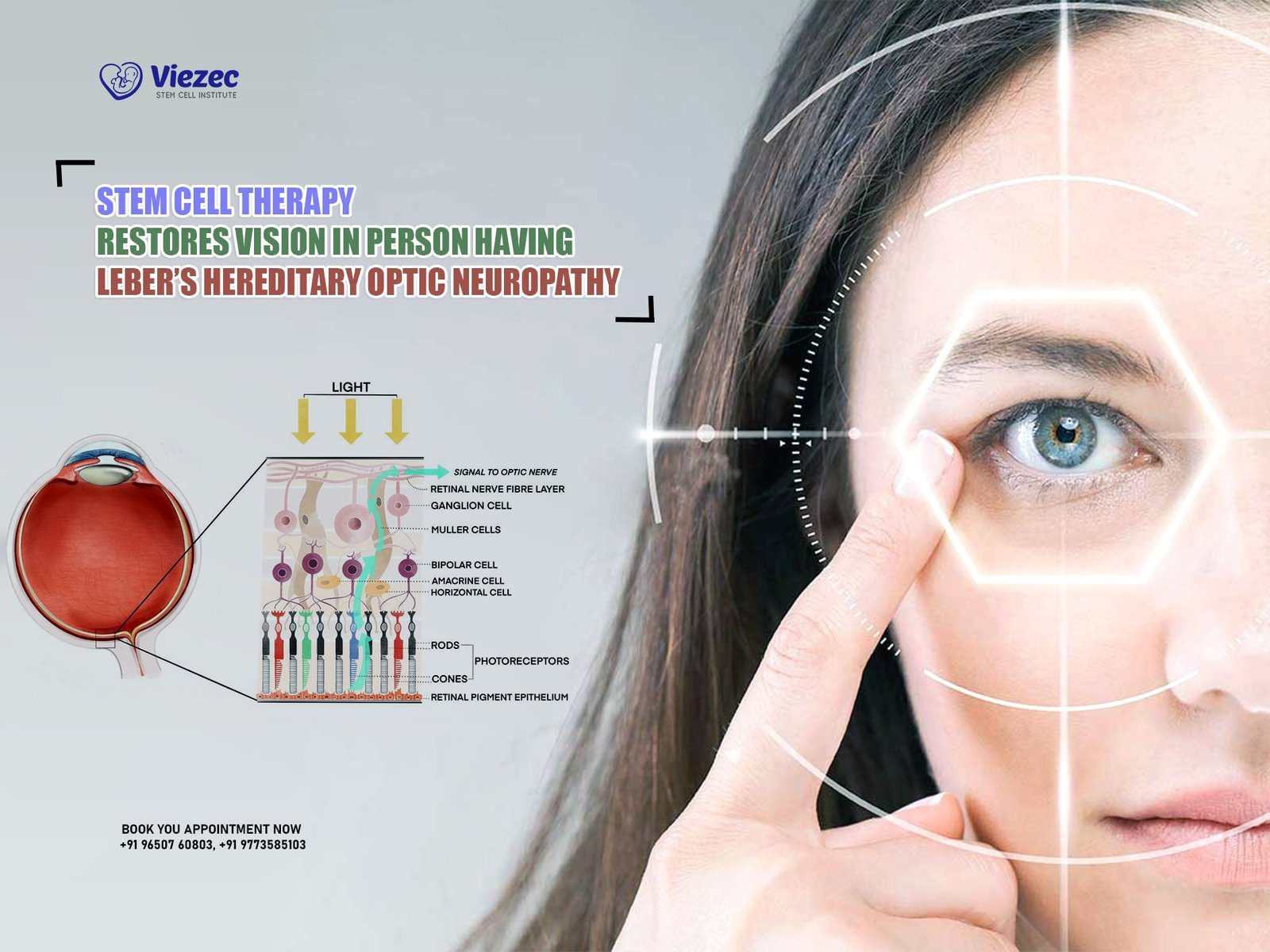
Inherited retinal diseases, also known as inherited retinal dystrophies, are a group of genetic disorders that cause progressive damage to the retina. The retina is the light-sensitive tissue at the back of the eye responsible for converting light into signals sent to the brain.
These conditions are usually caused by mutations in genes responsible for retinal cell function, survival, or development. Over time, affected retinal cells degenerate, leading to partial or complete vision loss.
Common Types of Inherited Retinal Diseases
Some of the most commonly diagnosed inherited retinal conditions include:
-
Retinitis pigmentosa, characterized by night blindness and tunnel vision
-
Stargardt disease, which affects central vision and often appears in childhood or adolescence
-
Leber congenital amaurosis, a severe form of inherited blindness present from birth
-
Cone-rod dystrophy, causing early loss of color and central vision
-
Choroideremia, leading to progressive peripheral vision loss
Although each condition differs in genetic cause and progression, they share a common challenge. Once retinal cells are damaged, the body cannot naturally regenerate them.
Why Traditional Treatments Have Limitations
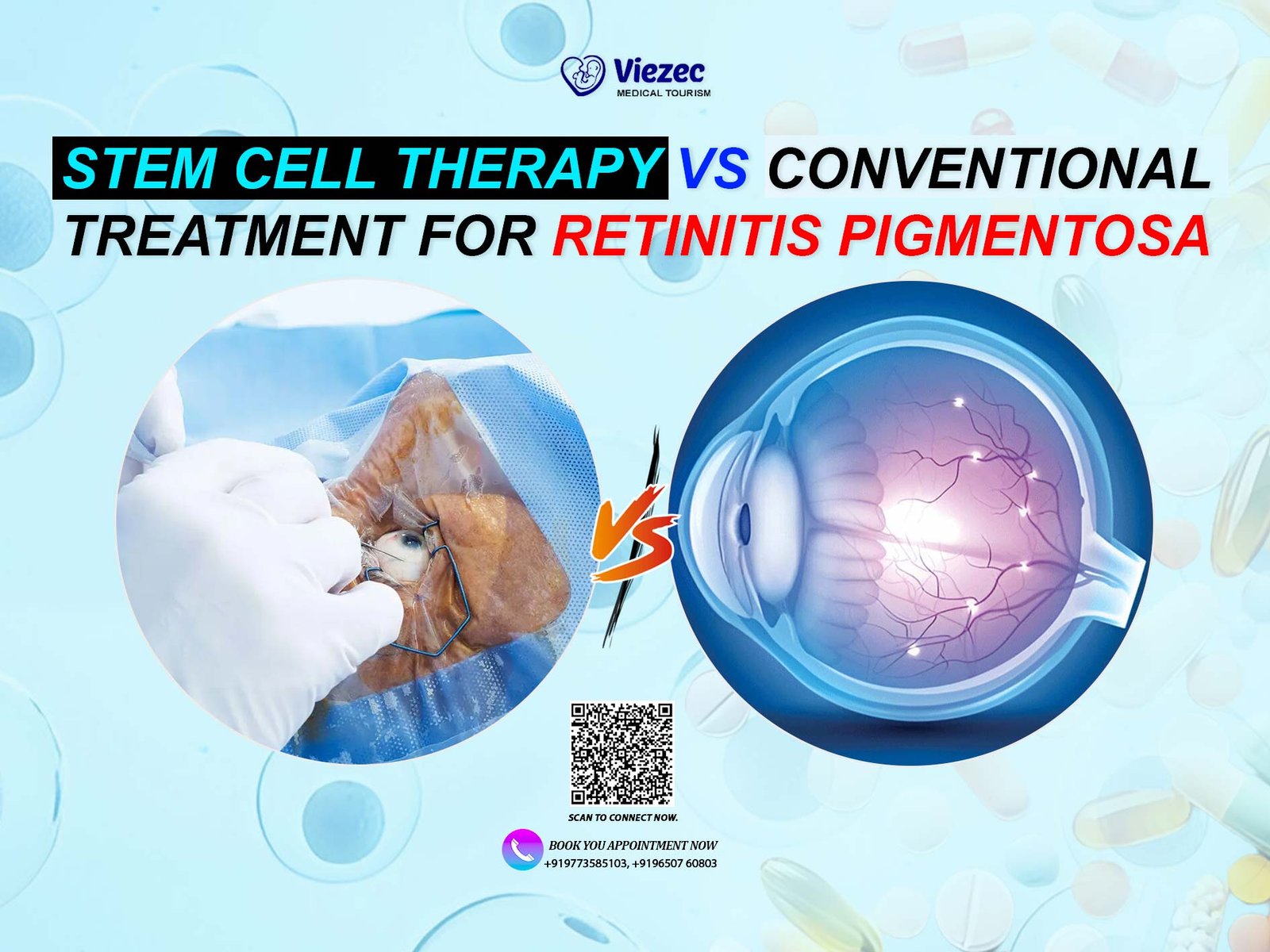
Conventional treatment options for inherited retinal diseases focus primarily on symptom management rather than reversal of damage. These may include:
-
Low-vision aids and assistive devices
-
Vitamin supplementation for specific conditions
-
Gene therapy in select cases
-
Visual rehabilitation programs
While gene therapy has shown promise for certain mutations, it is not suitable for all patients or disease stages. Most inherited retinal diseases still lack a definitive treatment that restores vision once retinal cells are lost.
This is where regenerative medicine for retinal diseases is creating a paradigm shift.
What Is Stem Cell Therapy for Retinal Diseases
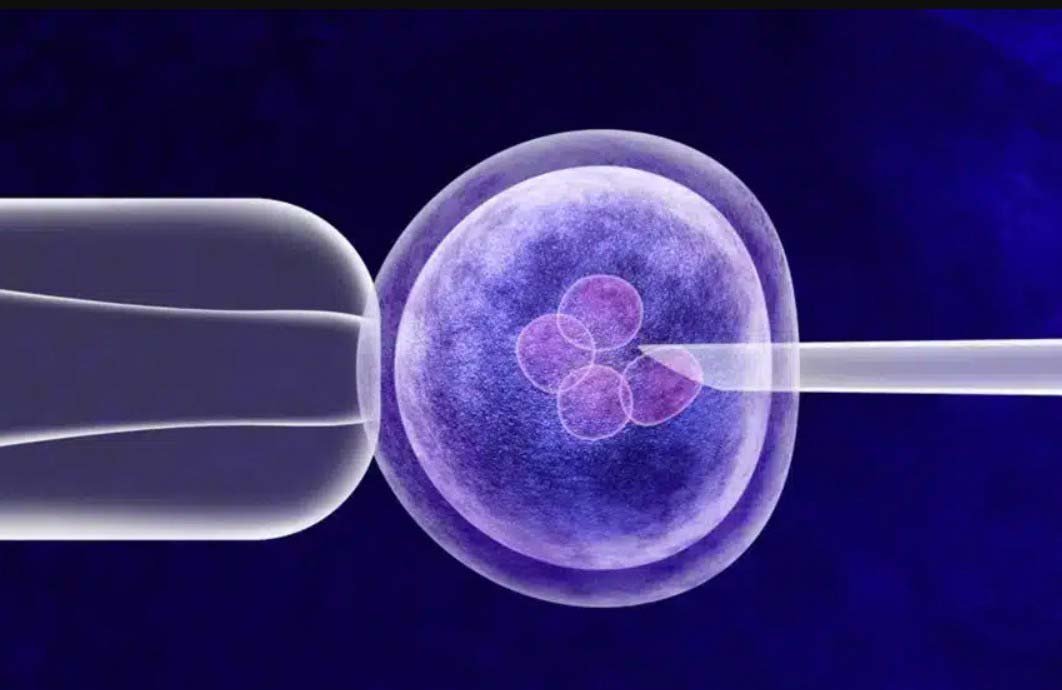
Stem cell therapy is a form of regenerative medicine that uses specialized cells capable of developing into different cell types. In retinal applications, stem cells are guided to become retinal cells that can replace or support damaged tissue.
The primary goal of stem cell therapy for inherited retinal diseases is to restore or preserve visual function by repairing or replacing degenerated retinal cells.
How Stem Cell Therapy Works in the Retina
Stem cell therapy for vision restoration typically follows these steps:
-
Cell sourcing, using embryonic stem cells, induced pluripotent stem cells, or mesenchymal stem cells
-
Cell differentiation, where stem cells are programmed to develop into retinal-specific cells
-
Delivery to the eye, often via minimally invasive surgical techniques
-
Cell integration, where transplanted cells support or replace damaged retinal tissue
Unlike traditional treatments, retinal stem cell therapy aims to address the root cause of vision loss rather than just managing symptoms.
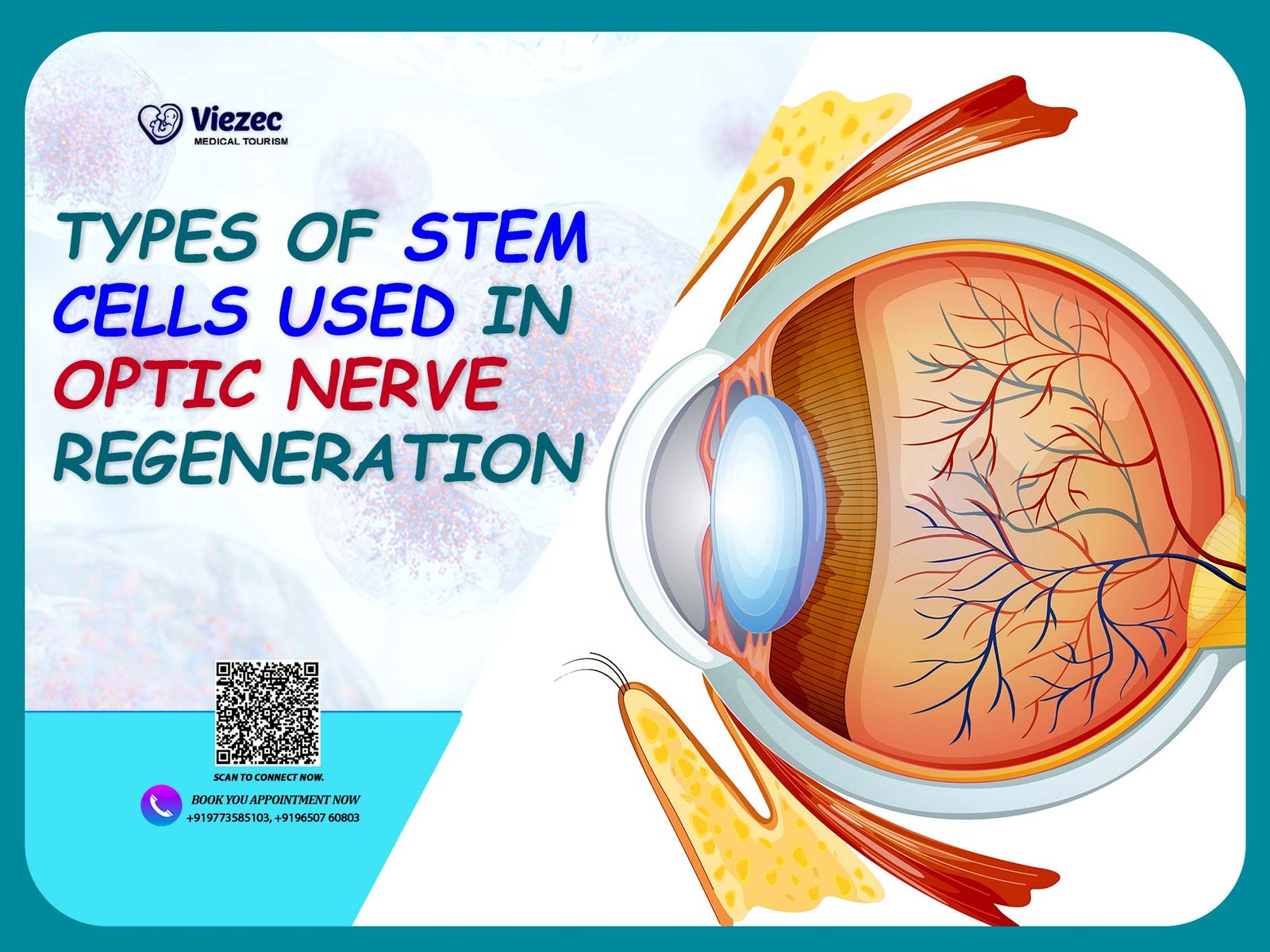
Types of Stem Cells Used in Retinal Therapy
Different stem cell types are being studied for their effectiveness in treating inherited retinal disorders.
Embryonic Stem Cells
Embryonic stem cells can differentiate into any cell type, including retinal pigment epithelium cells. These cells play a critical role in supporting photoreceptors and maintaining retinal health.
Induced Pluripotent Stem Cells
Induced pluripotent stem cells are created by reprogramming adult cells into a stem-like state. They offer the advantage of being patient-specific, reducing the risk of immune rejection.
Mesenchymal Stem Cells
Mesenchymal stem cells are known for their anti-inflammatory and neuroprotective properties. While they may not directly replace photoreceptors, they can support retinal repair and slow degeneration.
Each approach has unique advantages, and ongoing clinical trials are helping determine the most effective strategies for different inherited retinal diseases.
Conditions Being Studied for Stem Cell Therapy
Stem cell therapy is currently being researched for a wide range of genetic retinal disorders.
Stem cell treatment for retinitis pigmentosa focuses on preserving remaining photoreceptors and improving retinal signaling. Early studies show potential improvements in light perception and visual field stability.
Stargardt Disease
In Stargardt disease, stem cell–derived retinal pigment epithelium cells may help protect photoreceptors and slow central vision loss.
Leber Congenital Amaurosis
For severe early-onset conditions like Leber congenital amaurosis, stem cell therapy may offer long-term retinal support when applied at appropriate stages.
Other Inherited Retinal Dystrophies
Cone-rod dystrophy, choroideremia, and other rare genetic eye disorders are also being explored as candidates for retinal regeneration therapy.
Stem Cell Therapy vs Gene Therapy
Patients often ask whether stem cell therapy or gene therapy is the better option. The answer depends on several factors.
Gene therapy targets specific genetic mutations and works best when retinal cells are still viable. Stem cell therapy, on the other hand, aims to replace or regenerate damaged cells, making it suitable for more advanced disease stages.
In many cases, these approaches may eventually complement each other rather than compete.
Clinical Evidence and Research Progress
Stem cell therapy for inherited retinal diseases is supported by a growing body of preclinical and clinical research. Early-phase clinical trials have demonstrated:
-
Improved retinal structure on imaging
-
Stabilization of vision in progressive conditions
-
Partial functional vision improvements in select patients
While large-scale randomized trials are still ongoing, the consistency of early results has increased confidence in the long-term potential of retinal stem cell therapy.
Safety and Ethical Considerations
Safety is a central concern in any regenerative therapy. Reputable stem cell programs follow strict protocols to ensure:
-
Proper cell differentiation
-
Sterile processing environments
-
Ethical sourcing of stem cells
-
Careful patient selection
Reported side effects in controlled clinical settings have been limited and manageable. Patients should always seek treatment from experienced providers working within established regulatory frameworks.
Who May Be a Candidate for Stem Cell Therapy
Not every patient with inherited retinal disease is an immediate candidate for stem cell therapy. Eligibility often depends on:
-
Type and stage of retinal disease
-
Degree of remaining retinal structure
-
Overall eye health
-
Age and general medical condition
A thorough evaluation by retinal specialists is essential before considering treatment.
Viezec, based in India, play a key role in guiding patients through this evaluation process by connecting them with advanced regenerative treatment options and evidence-based information.
What Patients Can Expect from Treatment
It is important to set realistic expectations. Stem cell therapy is not an instant cure for inherited blindness. Instead, potential outcomes may include:
-
Slowing of disease progression
-
Improved light sensitivity
-
Partial restoration of visual function
-
Better quality of life
Results vary depending on the condition, treatment approach, and individual patient response.
Cost and Accessibility Considerations
Stem cell therapy for retinal diseases is a specialized intervention that may involve significant costs. Factors influencing cost include:
-
Type of stem cells used
-
Number of treatment sessions
-
Clinical setting and expertise
-
Post-treatment monitoring
India has emerged as a destination for advanced regenerative treatments due to its combination of medical expertise and cost efficiency. Viezec help patients navigate treatment pathways, access credible providers, and understand the financial aspects involved.
The Role of India in Retinal Regenerative Medicine
India is increasingly recognized for its contributions to regenerative ophthalmology. With experienced clinicians, modern infrastructure, and active participation in clinical research, the country is well positioned to advance stem cell therapy for genetic eye disorders.
Indian-based organizations are also playing an important role in patient education, ethical treatment access, and international collaboration.
Frequently Asked Questions
Stem cell therapy aims to restore or preserve visual function by repairing damaged retinal tissue. While full vision restoration is not guaranteed, many patients may experience functional improvements or slowed disease progression.
When performed in regulated clinical settings using established protocols, stem cell therapy has shown a favorable safety profile in retinal applications.
Results vary by condition and treatment approach. Ongoing monitoring and follow-up are essential to assess long-term benefits.
Some stem cell–based treatments are available through clinical trials or regulated programs, while others are still under investigation.
Conclusion
Inherited retinal diseases were once considered untreatable conditions with inevitable outcomes. Today, stem cell therapy is reshaping that outlook. By addressing retinal degeneration at the cellular level, regenerative medicine offers renewed hope for vision preservation and restoration.
While challenges remain, progress in retinal stem cell therapy continues to accelerate. With responsible research, ethical practice, and patient-centered care, this innovative approach is moving closer to becoming a mainstream option for those living with genetic vision loss.
For patients seeking credible guidance and access to advanced treatment pathways in India, organizations like Viezec serve as a valuable bridge between emerging science and real-world care.