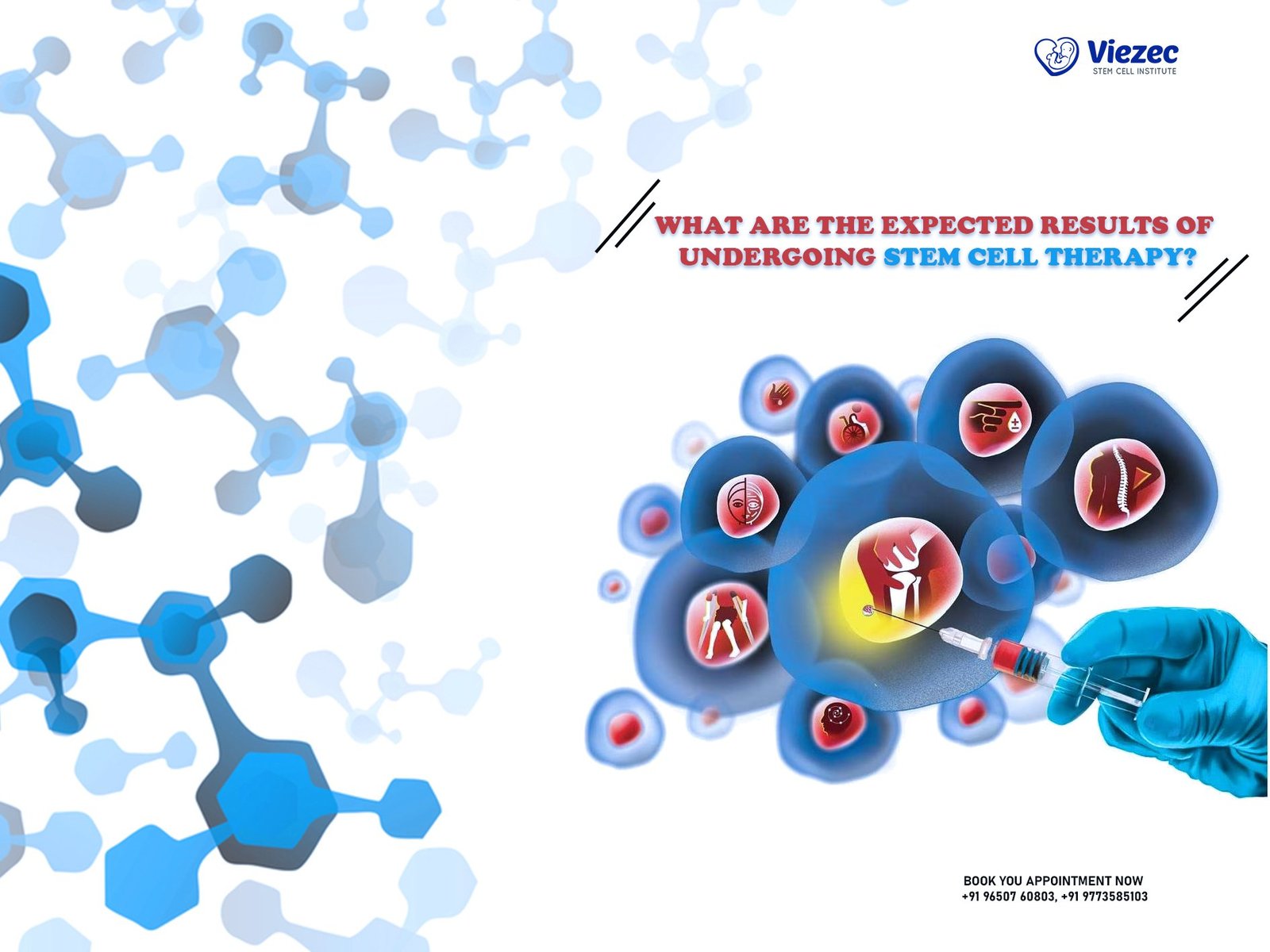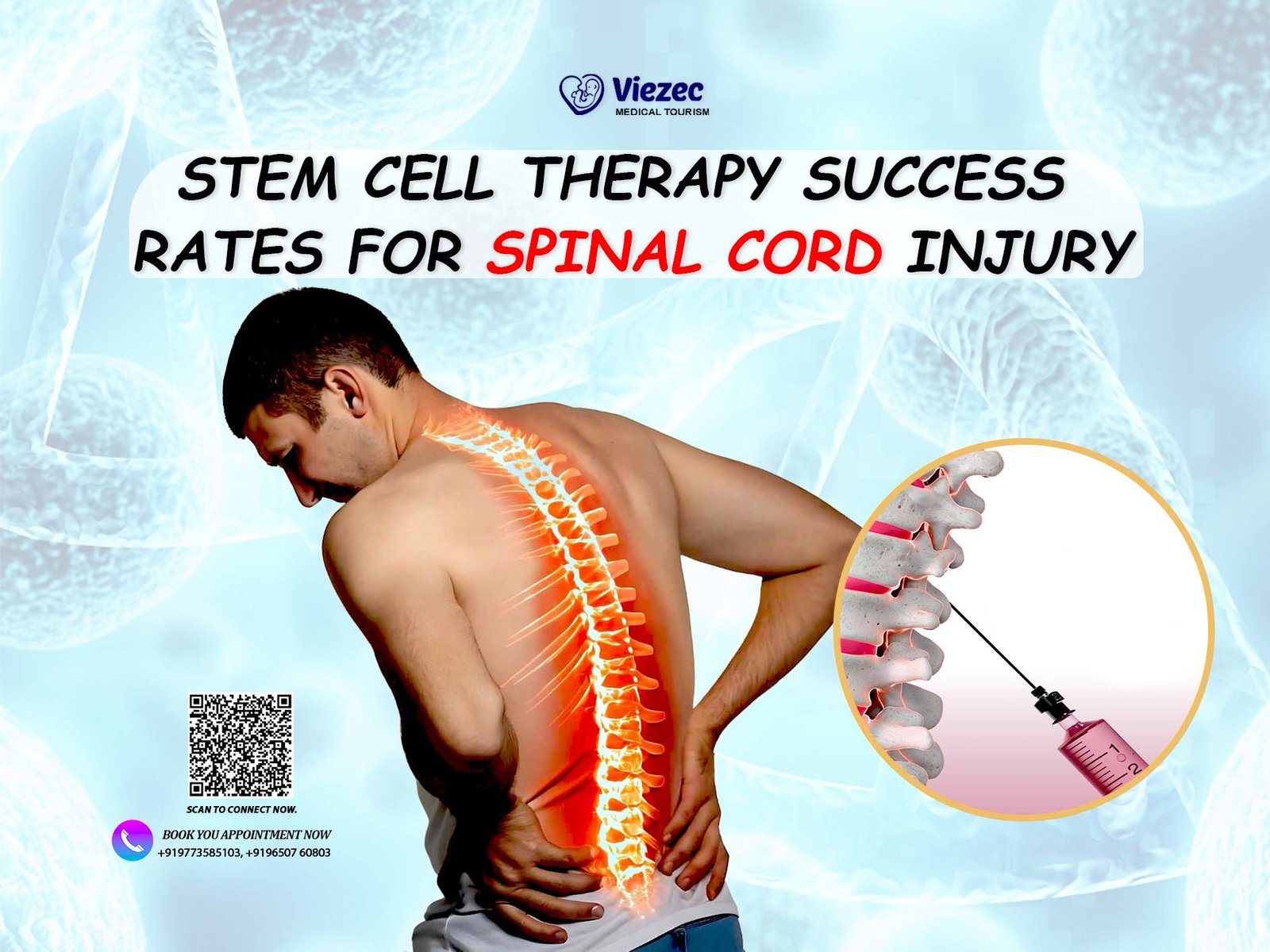

Stem cell therapy is rapidly emerging as a promising treatment for musculoskeletal conditions, joint injuries, arthritis, and other chronic ailments. If you are considering this advanced therapy, asking the right questions before your appointment is crucial. Proper preparation ensures you understand the procedure, potential outcomes, risks, and costs, helping you make informed decisions.
In this guide, we will cover the essential questions to ask before your stem cell therapy appointment, so you can approach the treatment with confidence and clarity.
Why Asking Questions Before Stem Cell Therapy Matters
Stem cell therapy is a complex medical procedure that involves harvesting, processing, and reintroducing stem cells into the body to promote tissue repair and regeneration. While it shows potential in treating joint pain, tendon injuries, and degenerative diseases, the results may vary based on individual health conditions.
By asking the right questions, you can:
-
Understand the expected results and limitations of the therapy
-
Assess the safety and credibility of the clinic
-
Avoid unnecessary procedures or unproven treatments
-
Make a fully informed decision about cost, recovery, and risks
Understanding the Procedure
One of the first things to clarify before your appointment is how the therapy works. Different clinics may offer variations of stem cell therapy, such as:
-
Autologous stem cell therapy: Using your own stem cells
-
Allogeneic stem cell therapy: Using donor stem cells
-
Bone marrow-derived stem cells vs. adipose (fat)-derived stem cells
Questions to ask:
-
What type of stem cells will be used in my treatment?
-
How are the stem cells collected, processed, and injected?
-
Will the therapy target specific areas such as knees, shoulders, or back?
-
How many treatment sessions will be required?
-
Are there alternatives to stem cell therapy for my condition?
Understanding these details ensures you know exactly what to expect and reduces uncertainty.
Safety and Risks
Safety is a top priority in any medical procedure. While stem cell therapy is generally considered safe, potential risks can include infection, inflammation, or unexpected reactions.
Questions to ask:
-
What are the possible side effects or complications?
-
How often do patients experience adverse reactions?
-
Are the stem cells FDA-approved or compliant with medical guidelines?
-
What measures does the clinic take to minimize risks?
-
Is anesthesia required during the procedure?
Tip: Look for clinics that provide transparent safety protocols and documented patient outcomes.
Discover if Stem Cell Therapy Can Help You!
Book a Free Consultation with Our Experts at Viezec !
Effectiveness and Expected Results
Stem cell therapy can reduce pain, improve mobility, and promote tissue healing. However, outcomes may vary depending on age, severity of the condition, and overall health.
Questions to ask:
-
How effective is stem cell therapy for my specific condition?
-
How long will it take to notice improvements?
-
Are there any scientific studies or clinical trials supporting this treatment?
-
What is the success rate at this clinic?
-
How long do the results typically last?
Providing realistic expectations will help you avoid disappointment and plan follow-up care effectively.
Clinic Credentials and Expertise
Expertise, Authoritativeness, Trustworthiness is crucial in selecting a stem cell therapy provider. Make sure your doctor and clinic are qualified and reputable.
Questions to ask:
-
What are the credentials and experience of the doctor performing the therapy?
-
Is the clinic licensed and compliant with local medical regulations?
-
How many stem cell procedures has the clinic performed successfully?
-
Can you provide references or patient testimonials?
-
Are the staff trained in handling stem cells safely?
A clinic that demonstrates expertise and transparency is more likely to deliver reliable results.
Costs and Insurance Coverage
Stem cell therapy can be expensive, and insurance coverage may be limited. Knowing the financial aspects in advance helps avoid surprises.
Questions to ask:
-
What is the total cost of the procedure, including pre- and post-treatment care?
-
Are there any hidden charges or additional fees?
-
Does insurance cover any portion of the therapy?
-
Are payment plans or financing options available?
-
What is your refund policy if the treatment is ineffective?
Planning ahead financially ensures you can proceed without stress or hesitation.
Recovery and Aftercare
Recovery and rehabilitation play a major role in the success of stem cell therapy. Post-procedure care often involves rest, physical therapy, or activity restrictions.
Questions to ask:
-
How long is the recovery period?
-
Will I need physical therapy or rehabilitation sessions?
-
Are there any activity restrictions post-treatment?
-
How often should I follow up with the doctor?
-
What signs should prompt an immediate medical consultation?
Knowing your recovery plan helps you integrate therapy into your lifestyle safely.
Legal and Ethical Considerations
Stem cell therapy is a rapidly evolving field, and not all treatments are fully regulated. Asking questions about the ethical and legal aspects is important.
Questions to ask:
-
Are the stem cells sourced ethically and legally?
-
Does the clinic comply with FDA or local health authority guidelines?
-
Is the therapy experimental, or is it an approved medical procedure?
-
Are all treatment risks and benefits disclosed in writing?
Transparency in legal and ethical matters ensures patient protection and trust.
Additional Considerations
Here are some extra points to discuss with your doctor to make your appointment as productive as possible:
-
Lifestyle modifications: Are there diet or exercise changes recommended before or after treatment?
-
Compatibility with medications: Will current medications affect the effectiveness of stem cell therapy?
-
Pain management: How will pain or discomfort be handled post-procedure?
-
Long-term monitoring: Are long-term check-ups or imaging required to track results?
These questions help cover all aspects of the therapy, leaving no surprises.
Start Your Regenerative Journey Today!
Contact Viezec for Personalized Stem Cell Therapy Plan
Tips to Prepare for Your Stem Cell Therapy Appointment
To maximize the value of your consultation, consider the following preparation tips:
-
Bring your medical history – Include previous surgeries, injuries, and medications.
-
List your questions in advance – Organize them in order of priority to ensure nothing is missed.
-
Research the clinic and doctor – Read reviews, check credentials, and review published studies if available.
-
Take notes during the consultation – Helps in comparing options later.
-
Bring a support person – Someone can help you remember details and ask additional questions.
Conclusion
Asking the right questions before your stem cell therapy appointment is essential for making an informed decision. By discussing procedure details, safety, effectiveness, credentials, costs, recovery, and legal aspects, you can approach the treatment confidently and with realistic expectations.
Stem cell therapy offers hope for patients with musculoskeletal conditions, joint pain, and injuries. However, being proactive, asking questions, and understanding the therapy fully ensures you get the most benefit while minimizing risks.
Remember: Knowledge is power. The more questions you ask, the better prepared you are to make a safe, effective, and personalized treatment decision.
References
What to Ask Before Considering Stem Cell Therapy
https://www.health.harvard.edu/staying-healthy/what-to-ask-before-considering-stem-cell-therapy
Stem Cell Therapy: What Patients Should Know
https://www.mayoclinic.org/tests-procedures/stem-cell-transplant/in-depth/stem-cell-therapy/art-20048133
Questions to Ask About Stem Cell Treatments
https://www.fda.gov/consumers/consumer-updates/stem-cell-therapy-what-you-need-know
Stem Cell Therapy for Orthopaedic Conditions: Patient Guide
https://orthoinfo.aaos.org/en/treatment/stem-cell-treatments/
Understanding Stem Cell Therapy: Benefits, Risks, and Questions
https://www.webmd.com/a-to-z-guides/stem-cell-therapy-overview