
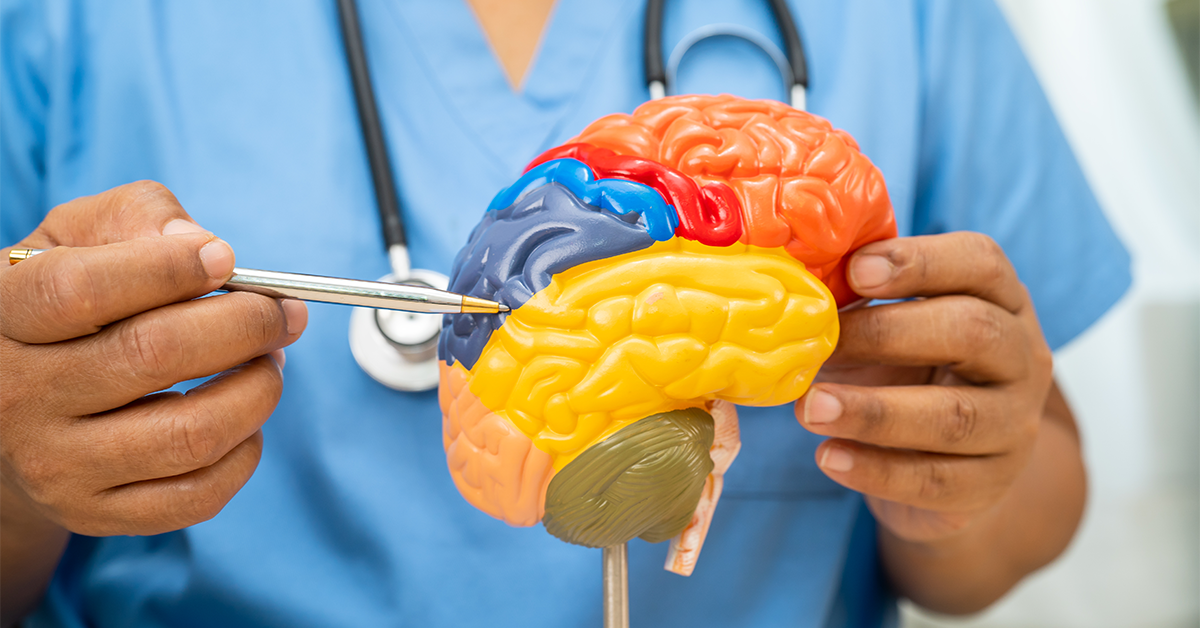
Hypoxic ischemic encephalopathy (HIE) is a serious condition where the brain is deprived of oxygen or blood flow, leading to injury or dysfunction. This deprivation can occur at any stage, whether before birth, during labor, or in the early days of life. The duration of oxygen or blood loss plays a crucial role in determining the extent of brain injury, with longer periods typically resulting in more severe damage.
The outcomes for children affected by HIE vary greatly. Some may overcome the initial trauma with no lasting effects, while others may face challenges ranging from mild to moderate difficulties to more significant disabilities. HIE-related brain injury can affect areas of development, leading to conditions like developmental delays or cognitive impairments. In some cases, children might develop cerebral palsy, which affects movement and posture, or epilepsy, a seizure disorder that may require ongoing care.
The signs of HIE can be subtle and may not immediately appear, often emerging as the child grows. For some, challenges become apparent during early milestones, while for others, difficulties are noticed as they reach school age and begin interacting more independently with the world. Every child’s journey with HIE is unique, and while some effects may be challenging, early intervention and supportive therapies can often help children make meaningful progress, providing families with hope and a roadmap for the future.
Hypoxic-Ischemic Encephalopathy (HIE) is a brain injury caused by a lack of oxygen and blood flow to the brain. HIE often affects newborns during or shortly after birth, though it can occur in people of any age following events like cardiac arrest, stroke, or traumatic injury. Symptoms of HIE vary widely based on the severity of oxygen deprivation and the brain areas affected.
Symptoms in Newborns
In newborns, HIE symptoms can be classified based on severity:
- Mild HIE: Symptoms may include irritability, excessive crying, poor feeding, and slightly decreased muscle tone. Babies with mild HIE generally recover well with appropriate care and monitoring.
- Moderate HIE: These infants might experience lethargy, weak reflexes, poor muscle tone, and difficulty breathing on their own. Seizures are common and may require medication to control. While some babies with moderate HIE may recover, others may have long-term developmental delays or motor impairments.
- Severe HIE: Symptoms are often more pronounced, including lack of response to stimuli, significant difficulty in breathing, severely decreased muscle tone, unresponsiveness, and persistent seizures. Severe HIE often results in extensive brain injury and carries a higher risk of long-term disabilities like cerebral palsy, intellectual disability, and epilepsy.
Symptoms in Older Children and Adults
For older children and adults who experience HIE due to events like cardiac arrest or head trauma, symptoms may include:
- Cognitive Impairments: Memory loss, difficulty with problem-solving, attention issues, and other cognitive challenges are common.
- Motor Impairments: Loss of coordination, muscle weakness, or paralysis can occur, affecting mobility and physical function.
- Seizures: These may arise shortly after the hypoxic event or as a long-term consequence.
- Behavioral and Mood Changes: Anxiety, depression, irritability, and personality changes can appear due to brain injury.
- Speech and Language Difficulties: Difficulty with speech production, language comprehension, or both is common.
- Sensory Processing Issues: Sensitivity to sounds, lights, or touch may be heightened.
Long-Term Effects and Complications
People who survive HIE may experience lasting complications depending on the severity and duration of the brain injury. These can include:
- Cerebral Palsy: A group of disorders affecting movement, posture, and muscle tone.
- Developmental Delays: In children, delayed milestones in speech, movement, and social interactions are common.
- Epilepsy: Persistent seizure disorders can arise as a result of brain injury.
- Learning Disabilities: HIE may lead to difficulties in learning, memory, and problem-solving, impacting education and daily life.
- Emotional and Behavioral Issues: Anxiety, depression, and mood swings are common in long-term survivors of HIE.
Importance of Early Intervention
Early diagnosis and intervention are crucial in managing HIE symptoms and preventing further complications. For newborns, treatments like therapeutic hypothermia (cooling therapy) can help reduce brain injury if administered within hours of birth. In older patients, rehabilitation therapies, including physical, occupational, and cognitive therapies, are essential for maximizing recovery and improving quality of life.
Hypoxic-Ischemic Encephalopathy (HIE) is a type of brain injury resulting from reduced oxygen (hypoxia) and blood flow (ischemia) to the brain, typically occurring around the time of birth. Diagnosis of HIE is crucial for timely intervention, as early treatment can improve outcomes and reduce the risk of long-term disabilities. Diagnosing HIE involves a combination of clinical assessments, neurological evaluations, and imaging studies.
Key Diagnostic Methods for HIE
- Clinical History and Physical Examination
Doctors start with a detailed clinical history, focusing on prenatal, perinatal, and delivery events. Risk factors such as umbilical cord issues, maternal health, and complications during birth are considered. Physical examination includes assessing the baby’s Apgar score (which measures heart rate, breathing, muscle tone, reflexes, and color), muscle tone, reflexes, and level of consciousness. - Neurological Assessment
Neurologists evaluate the newborn for specific symptoms, including altered consciousness, abnormal breathing, seizures, poor feeding, and abnormal muscle tone. These symptoms may indicate brain injury severity, guiding the need for further diagnostic testing. - Blood Gas Analysis
Analyzing blood gases, particularly arterial blood, helps to determine oxygen and carbon dioxide levels in the baby’s blood. Low pH (acidosis) or high levels of lactate can indicate hypoxia, giving insights into potential HIE severity. - Neuroimaging
- MRI (Magnetic Resonance Imaging): MRI is the most reliable imaging method for diagnosing and assessing HIE. It provides detailed images of the brain, helping to detect brain swelling, lesions, or damage in specific regions. MRI with Diffusion-Weighted Imaging (DWI) is especially useful within the first week of life, revealing early brain changes associated with HIE.
- Ultrasound: Often used as an initial imaging tool, brain ultrasound helps to detect gross abnormalities in newborns and monitor changes over time, although it’s less sensitive than MRI for detailed brain injury assessment.
- CT (Computed Tomography) Scan: CT is generally less preferred for neonates due to radiation exposure, but it may be used when MRI is unavailable or if there’s a need for urgent imaging.
- Electroencephalogram (EEG)
EEG monitors electrical brain activity and is essential for detecting seizures, which are common in HIE. Continuous EEG monitoring provides real-time data on brain function and identifies abnormal brain wave patterns associated with HIE. Amplitude-Integrated EEG (aEEG), a simplified form of EEG, can be used at the bedside in neonatal intensive care units to monitor brain function and seizures. - Biomarkers
Research into biomarkers is ongoing, but certain blood markers like S100B, NSE (Neuron-Specific Enolase), and GFAP (Glial Fibrillary Acidic Protein) are being studied for their potential to help in early detection of brain injury and assess injury severity in HIE. - Umbilical Cord Blood Analysis
Immediately after birth, the analysis of umbilical cord blood gas provides valuable information about oxygen levels and metabolic state during birth. This can indicate whether the newborn experienced hypoxia, supporting the diagnosis of HIE.
Staging and Severity of HIE
Based on the Sarnat staging criteria, HIE is often categorized into three stages:
- Mild HIE: Babies show slight behavioral abnormalities but no seizures or significant neurological impairments.
- Moderate HIE: Babies may display lethargy, hypotonia (reduced muscle tone), and seizures, but with good chances of recovery.
- Severe HIE: Newborns may be comatose, with frequent seizures and abnormal brainstem function, often with a high risk of permanent injury or death.
Accurate staging helps clinicians decide on treatment strategies, such as therapeutic hypothermia (cooling therapy), which can minimize further brain damage if applied within six hours of birth.
Importance of Early Diagnosis
Early diagnosis of HIE allows prompt intervention, which is critical to reducing the extent of brain injury. Timely therapeutic hypothermia, seizure control, and close monitoring can significantly improve neurological outcomes.
Hypoxic-Ischemic Encephalopathy (HIE) is a type of brain injury resulting from oxygen deprivation (hypoxia) and reduced blood flow (ischemia) to the brain, most often occurring in newborns. This condition can lead to long-term neurological issues or even be life-threatening. Understanding the causes of HIE is essential to identify potential risks and manage preventive strategies. Here are the primary causes:
1. Complications During Labor and Delivery
- Umbilical Cord Problems: Issues like umbilical cord prolapse, a knotted or compressed cord, or a nuchal cord (cord wrapped around the neck) can restrict blood flow to the fetus, reducing oxygen supply.
- Placental Abruption: If the placenta detaches from the uterine wall prematurely, it interrupts oxygen and nutrient transfer, potentially leading to HIE.
- Uterine Rupture: A tear in the uterus can lead to severe oxygen deprivation for the fetus.
2. Maternal Health Conditions
- Infection: Certain maternal infections, like chorioamnionitis, can lead to inflammation and increase the risk of HIE.
- High or Low Blood Pressure: Abnormal maternal blood pressure can affect placental blood flow, limiting oxygen supply to the fetus.
3. Birth Trauma
- Difficult or Prolonged Labor: When labor is challenging or prolonged, it increases the likelihood of complications, such as reduced oxygen supply.
- Use of Assisted Delivery Tools: Tools like forceps or vacuum extractors can sometimes lead to trauma and HIE, especially if used improperly.
4. Neonatal Conditions
- Premature Birth: Premature babies have underdeveloped organs, making them more susceptible to complications, including reduced oxygenation.
- Heart or Respiratory Issues: Babies born with congenital heart or lung problems may struggle to supply oxygen to the brain effectively.
5. Postnatal Asphyxia
- Meconium Aspiration Syndrome: When a newborn inhales meconium-stained amniotic fluid, it can obstruct the airways and reduce oxygen levels, potentially causing HIE.
- Respiratory Distress Syndrome: Insufficient lung function can lead to inadequate oxygenation, increasing HIE risk.
6. Delayed Resuscitation
- Any delay in resuscitating a newborn who isn’t breathing at birth can prolong oxygen deprivation, leading to hypoxic-ischemic injury.
Preventive measures include regular prenatal care, monitoring maternal health, and close fetal monitoring during labor to identify early signs of distress. Early intervention can mitigate risks, but HIE remains a complex condition often linked to multiple factors interacting in ways that aren’t always predictable.
Hypoxic-Ischemic Encephalopathy (HIE) is a serious neurological condition caused by oxygen deprivation and limited blood flow to the brain, commonly occurring in newborns during or shortly after birth. This deprivation can lead to brain damage, and in severe cases, long-term disabilities. Traditional HIE treatments often focus on minimizing further damage and managing symptoms, while newer approaches, including stem cell therapy, are exploring ways to repair damaged brain tissue.
1. Traditional Treatment Approaches for HIE
- Therapeutic Hypothermia: Cooling therapy is the primary treatment for moderate-to-severe HIE. By reducing the newborn’s body temperature to around 33.5°C (92.3°F) for about 72 hours, therapeutic hypothermia can slow brain cell damage and potentially reduce the severity of injury.
- Supportive Care: Supportive measures in neonatal intensive care units (NICUs) include mechanical ventilation, medications to stabilize blood pressure, and management of seizures.
- Rehabilitation Therapy: In cases where HIE results in developmental delays, physical, occupational, and speech therapy are used to improve motor skills and communication abilities.
2. Stem Cell Therapy for HIE
Stem cell therapy is an emerging approach for treating HIE, leveraging the unique regenerative properties of stem cells to potentially repair and regenerate damaged brain tissue. Types of stem cells investigated for HIE treatment include:
- Mesenchymal Stem Cells (MSCs): MSCs are multipotent cells that can differentiate into various cell types, including neural cells. They have shown promise in reducing inflammation, promoting neural cell repair, and potentially enhancing neurogenesis (formation of new brain cells).
- Umbilical Cord Blood Stem Cells: Umbilical cord blood, often collected at birth, contains stem cells with potential for neuroprotection and anti-inflammatory effects. Early trials suggest that cord blood stem cells may aid in brain tissue repair and improve outcomes in newborns with HIE.
- Neural Stem Cells (NSCs): NSCs can differentiate directly into brain cells. Research on NSCs for HIE is ongoing, with some evidence indicating they may aid in tissue repair and functional recovery.
3. Mechanism of Action
Stem cell therapy for HIE is believed to work primarily through two mechanisms:
- Anti-inflammatory and Neuroprotective Effects: Stem cells release cytokines and growth factors that reduce brain inflammation, limiting further damage to the brain’s neurons.
- Promotion of Neurogenesis and Angiogenesis: Stem cells may help create new neurons and blood vessels in damaged brain areas, which can enhance brain function and recovery.
Stem cell therapy for hypoxic-ischemic encephalopathy (HIE) is a rapidly evolving area of research, with promising potential for mitigating brain injury. Hypoxic-ischemic encephalopathy is a type of brain damage that occurs due to a lack of oxygen and blood flow, often occurring during birth. This condition can lead to various degrees of neurological impairment, ranging from mild developmental delays to severe disabilities. While traditional treatments focus on stabilizing the condition and reducing secondary damage, stem cell therapy seeks to repair or regenerate damaged brain tissue, offering new hope for affected infants.
Mechanism of Stem Cell Therapy in HIE
Stem cells have the unique ability to differentiate into various cell types, including neurons and glial cells, which are essential for brain repair. The primary goal of stem cell therapy in HIE is to promote neuroregeneration and reduce inflammation. After being introduced into the body, stem cells migrate to damaged areas in the brain, where they release neuroprotective factors, promote repair mechanisms, and potentially replace damaged cells. The anti-inflammatory effects of stem cells are also crucial, as they can help reduce secondary brain damage following the initial hypoxic-ischemic event.
Types of Stem Cells Used
Several types of stem cells are being studied for HIE, including:
- Mesenchymal Stem Cells (MSCs): MSCs, often sourced from bone marrow, umbilical cord, or adipose tissue, are known for their immunomodulatory and anti-inflammatory properties, making them suitable for treating neuroinflammation in HIE.
- Neural Stem Cells (NSCs): NSCs can differentiate directly into neuronal cells and are believed to have a higher potential for integration into the brain’s existing neural network, potentially restoring lost functions.
- Induced Pluripotent Stem Cells (iPSCs): iPSCs are derived from adult cells that are reprogrammed into a pluripotent state. These cells can theoretically become any cell type, including neurons, offering versatility for personalized therapy.
- Umbilical Cord Blood Stem Cells (UCBSCs): UCBSCs contain both hematopoietic and mesenchymal stem cells and have shown promise in preclinical studies due to their availability at birth and ease of harvesting.
Implantation Methods
The implantation of stem cells for HIE can vary, depending on the stem cell type and the extent of brain damage:
- Intravenous (IV) Infusion: The most common and least invasive method involves delivering stem cells through an IV line. This method allows stem cells to circulate in the bloodstream and migrate to the brain. Although minimally invasive, IV infusion may result in fewer cells reaching the target area compared to direct methods.
- Intrathecal Injection: This method involves injecting stem cells into the cerebrospinal fluid (CSF) via a lumbar puncture, allowing direct access to the central nervous system. Intrathecal injection improves the chances of stem cells reaching damaged brain tissue and is widely used in clinical trials for neurological disorders.
- Intra-arterial Infusion: Some studies have explored delivering stem cells through an arterial catheter, targeting the carotid artery for a more direct route to the brain. This method may enhance cell delivery to the affected areas but requires specialized expertise and carries a slightly higher risk of complications.
- Stereotactic Intracerebral Injection: This direct method involves surgically implanting stem cells into specific brain regions using a stereotactic device. Although precise, this approach is more invasive and is primarily used in severe cases or experimental settings.
1. What is Hypoxic-Ischemic Encephalopathy (HIE)?
- HIE is a type of brain injury caused by oxygen deprivation and limited blood flow to the brain, often occurring during birth. This condition can lead to developmental delays, motor impairments, and cognitive challenges, depending on the severity of the injury.
2. How does stem cell therapy work for HIE?
- Stem cell therapy aims to repair or replace damaged brain cells. Stem cells can differentiate into various cell types, potentially aiding in neural repair, reducing inflammation, and promoting tissue regeneration to improve neurological function in children with HIE.
3. What types of stem cells are used for HIE treatment?
- The most commonly used stem cells for HIE are mesenchymal stem cells (MSCs), typically derived from umbilical cord blood, bone marrow, or adipose tissue. These stem cells are known for their regenerative properties and safety profile in clinical applications.
4. Is stem cell therapy for HIE safe?
- Research shows stem cell therapy to be relatively safe, with minimal risk of severe side effects. However, more extensive studies are still required to fully understand its safety, especially over the long term, and to establish standardized protocols.
5. What are the potential benefits of stem cell therapy for children with HIE?
- Stem cell therapy may improve motor skills, cognitive function, and speech development in children with HIE. The treatment aims to support brain repair processes, which may enhance quality of life and reduce the severity of symptoms.
6. Are there any risks or side effects associated with stem cell treatment for HIE?
- Potential risks include immune reactions, infection, and cell rejection, though these are rare. Selecting a reputable medical provider and ensuring proper stem cell handling minimizes these risks.
7. How long does it take to see results from stem cell therapy for HIE?
- Results vary based on individual factors such as the extent of brain injury and the child’s response to treatment. Some children may show improvement within months, while others may take longer. Regular follow-up assessments are essential to monitor progress.
8. Is stem cell therapy covered by insurance for HIE treatment?
- Stem cell therapy for HIE is often classified as an experimental treatment and may not be covered by insurance. Parents should consult their healthcare providers and insurance companies for specifics on coverage and financial options.
Hypoxic-ischemic encephalopathy (HIE) is a neurological condition caused by reduced blood flow and oxygen to a newborn’s brain during birth. It can lead to long-term disabilities, including motor impairments, developmental delays, and cognitive challenges. Stem cell therapy is emerging as a promising approach to mitigate these effects, offering hope for improvements in brain function and quality of life.
1. Neuroprotection and Reduced Brain Damage
Stem cell therapy, especially with mesenchymal stem cells (MSCs), has shown potential for reducing brain damage. MSCs release growth factors and anti-inflammatory agents, which support neuroprotection and tissue repair. They help prevent further neuron loss by modulating inflammation, which is crucial in HIE, where inflammation often exacerbates brain injury. Early studies report less cell death and improved cellular survival rates in treated infants.
2. Improved Motor Skills and Muscle Tone
Motor impairments are common in children with HIE, but some cases report improvement following stem cell therapy. By fostering neurogenesis (the creation of new neurons) and enhancing the connections between neurons, stem cells may help improve muscle tone, movement control, and coordination. In some studies, patients demonstrated better grip strength, muscle control, and mobility, indicating enhanced motor function.
3. Enhanced Cognitive Function
Children with HIE often face cognitive challenges due to early brain injury. Stem cell therapy’s ability to promote neuroplasticity, or the brain’s capacity to reorganize and form new connections, can be beneficial for cognitive development. Improvements in attention, memory, and learning have been reported in some studies, suggesting that stem cells may support intellectual development and reduce cognitive delays.
4. Speech and Language Improvements
Speech and language delays are prevalent in children with HIE. By supporting brain regions responsible for communication, stem cell therapy may aid in language development. In some cases, parents and clinicians have observed progress in speech clarity, comprehension, and vocabulary following stem cell therapy. The therapy’s neuroregenerative effects can help support areas of the brain involved in speech and communication skills.
5. Better Quality of Life and Emotional Well-being
For children and families dealing with HIE, improvements in physical and cognitive abilities can enhance overall quality of life. Stem cell therapy has shown potential to provide a degree of independence for children, allowing them to participate in daily activities more easily. This can have positive effects on emotional well-being for both the children and their families, alleviating some of the psychological burdens associated with HIE.
6. Fewer Seizures and Reduced Neurological Symptoms
Seizures are a common symptom in children with HIE due to irregular electrical brain activity caused by the brain injury. Stem cell therapy’s ability to repair damaged neurons and regulate brain inflammation may contribute to fewer seizure episodes and a reduction in neurological symptoms. Some studies show that children experience fewer and less severe seizures after undergoing stem cell treatment.
Stem cell therapy shows promising potential as a treatment for hypoxic-ischemic encephalopathy (HIE), a severe brain injury due to oxygen deprivation and restricted blood flow, often occurring during birth. HIE triggers extensive cell death, inflammation, and oxidative stress in the brain. Stem cells, particularly mesenchymal stem cells (MSCs) and neural stem cells (NSCs), have regenerative properties that can help mitigate these effects.
Mechanisms of Stem Cell Therapy in HIE
Stem cells act primarily through paracrine signaling, releasing bioactive molecules that modulate the brain’s response to injury. These molecules include anti-inflammatory cytokines, growth factors, and neurotrophic factors, which contribute to neuroprotection and neural repair. Here’s a closer look at the specific mechanisms:
- Anti-Inflammatory Effects: Stem cells secrete anti-inflammatory factors that reduce inflammation in the injured brain. This helps minimize secondary damage due to the inflammatory response, which can exacerbate brain injury.
- Immunomodulation: MSCs, in particular, modulate immune cells, including microglia and astrocytes, which are highly active after hypoxic-ischemic injury. By controlling these cells, stem cells help prevent further inflammatory damage.
- Promotion of Neurogenesis and Synaptogenesis: Stem cells support neurogenesis by creating a favorable environment for new neuron growth. Growth factors such as BDNF (brain-derived neurotrophic factor) and VEGF (vascular endothelial growth factor) promote neural cell proliferation, differentiation, and synapse formation, critical for restoring lost functions.
- Angiogenesis: By enhancing angiogenesis, stem cells promote the formation of new blood vessels, improving blood flow and oxygen supply to the injured area. VEGF is a major contributor to this process, fostering vascular repair in hypoxic areas.
- Protection Against Apoptosis and Oxidative Stress: Stem cells secrete factors that inhibit apoptosis (programmed cell death) and reduce oxidative stress, which are major contributors to neuronal damage in HIE.
- Exosome-Mediated Communication: Stem cells release exosomes, which are tiny vesicles carrying proteins, RNA, and other signaling molecules. Exosomes can cross the blood-brain barrier and deliver therapeutic molecules to injured cells, promoting repair.
Hypoxic-ischemic encephalopathy (HIE) is a severe condition affecting infants, resulting from a lack of oxygen and blood flow to the brain. This can occur during birth or due to complications afterward. The damage caused by HIE can lead to long-term disabilities, impacting the child’s cognitive and physical development. Fortunately, advancements in medical research have led to innovative treatments, including stem cell therapy.
Viezec is a pioneer in utilizing stem cell therapy to address HIE. Their approach focuses on the regenerative potential of stem cells, which can differentiate into various cell types and promote healing in damaged tissues. Viezec’s promise lies in their commitment to harnessing this potential to improve outcomes for infants suffering from HIE.
The stem cells used in Viezec’s therapy are sourced from umbilical cord tissue, which is rich in mesenchymal stem cells (MSCs). These cells have shown great promise in preclinical studies for their ability to reduce inflammation and promote neuroprotection in the brain. By administering these cells soon after diagnosis, Viezec aims to mitigate the damage caused by HIE and improve neurological function in affected infants.
Clinical trials have shown encouraging results, with many infants experiencing significant improvements in motor skills, cognitive abilities, and overall quality of life following treatment. Viezec emphasizes the importance of early intervention, as the effectiveness of stem cell therapy is often linked to the timing of administration.
Moreover, Viezec adheres to rigorous safety standards, ensuring that all procedures are conducted with the utmost care. Their team of experts, including neurologists and stem cell researchers, collaborates to provide tailored treatment plans that address each child’s specific needs.
Parents considering stem cell therapy for HIE should consult with medical professionals to understand the potential benefits and risks. Viezec provides comprehensive consultations to help families make informed decisions regarding treatment options.
Encephalopathy, a term that encompasses various brain disorders, can lead to significant neurological deficits. Traditional treatments often focus on managing symptoms rather than addressing underlying causes. However, stem cell therapy has emerged as a promising option, showing encouraging treatment results.
Research indicates that stem cell therapy can potentially repair damaged brain tissue and promote regeneration. Clinical trials have demonstrated improved cognitive function, reduced inflammation, and enhanced neuroplasticity in patients receiving stem cell treatment. This therapy harnesses the body’s natural healing abilities, with mesenchymal stem cells being the most studied for encephalopathy. These cells can differentiate into neural cells, supporting recovery.
Patients report significant improvements in memory, motor skills, and overall quality of life. Many have experienced a decrease in seizure frequency, which is often associated with encephalopathy. Furthermore, stem cell therapy is generally well-tolerated, with minimal side effects.
While the results are promising, more extensive studies are necessary to fully understand the long-term effects and optimal protocols. Nonetheless, the preliminary outcomes highlight the potential of stem cell therapy as a revolutionary treatment for encephalopathy. As research progresses, this innovative approach may become a standard option in clinical practice, offering hope for those affected by this complex condition.
Hypoxic ischemic encephalopathy (HIE) is a serious condition that occurs when the brain doesn’t receive enough oxygen and blood flow, often leading to significant neurological damage. In recent years, stem cell therapy has emerged as a promising treatment for HIE, offering hope for improved outcomes. However, as with any medical treatment, the quality and safety of these therapies are paramount. This is where quality certification plays a critical role.
Understanding Quality Certification
Quality certification in stem cell therapy involves a rigorous evaluation process by regulatory bodies or accredited organizations. This process ensures that treatment protocols adhere to the highest standards of safety and efficacy. The certification process typically includes assessing the facility’s compliance with established medical guidelines, the qualifications of the medical staff, and the sourcing and handling of stem cells.
Importance of Quality Certification
- Patient Safety: Quality certification helps protect patients by ensuring that treatments are conducted in a safe environment, minimizing risks associated with stem cell procedures.
- Standardization of Procedures: Certified facilities follow standardized protocols, which contribute to consistent treatment outcomes and help in comparing results across different institutions.
- Efficacy of Treatment: Certification involves evaluating the scientific evidence supporting the treatment’s effectiveness, ensuring that only therapies with proven benefits are offered to patients.
- Transparency: Quality certification promotes transparency within the medical community. Patients can make informed decisions when they know their treatment center meets established quality standards.
- Regulatory Compliance: Certification ensures that facilities comply with local and international regulations governing stem cell therapy, thereby enhancing credibility and trust.
Key Components of Quality Certification
- Facility Accreditation: Treatment centers must obtain accreditation from recognized bodies that assess their compliance with safety and quality standards.
- Staff Qualifications: Healthcare providers involved in stem cell therapy must have appropriate training and experience. This includes ongoing education to stay updated on the latest advancements.
- Stem Cell Handling: Quality certification evaluates how stem cells are sourced, processed, and administered. This includes ensuring that stem cells are obtained ethically and are free from contamination.
- Patient Care Protocols: Certified facilities must have established protocols for patient evaluation, treatment planning, and post-treatment care to monitor outcomes and manage any potential complications.
- Research and Development: Certified centers often engage in clinical research, contributing to the body of evidence that supports the efficacy and safety of stem cell therapies for HIE.
Follow-up care is a critical component after stem cell therapy for encephalopathy. It ensures that patients receive ongoing assessment and management of their condition. Initially, patients may feel hopeful after treatment, but monitoring is essential for evaluating the therapy’s effectiveness. During follow-up appointments, healthcare providers can track improvements in neurological function and address any emerging symptoms.
Moreover, follow-ups facilitate timely interventions for potential complications. These may include assessing any adverse reactions to the stem cells or changes in health status. Regular follow-up also allows healthcare teams to adjust rehabilitation plans and optimize patient outcomes.
Communication between patients and providers is key. Patients should report any new symptoms or concerns during follow-up visits. This collaboration helps in creating personalized care strategies tailored to individual needs. Patients are often encouraged to maintain a healthy lifestyle, including physical therapy and cognitive exercises, to support recovery.
Follow-up care after stem cell therapy for encephalopathy is vital for monitoring progress, managing complications, and ensuring the best possible outcomes. It provides an opportunity for patients to receive ongoing support and guidance on their recovery journey. Always discuss follow-up plans with your healthcare provider for optimal care.
Different Neuro Disorders That Could Benefit From Stem Cell Therapy
How could stem cell therapy be used to treat neuropathy?
Explore The Benefits Of Stem Cell Therapy For Intellectual Disabilities
How Might Stem Cell Therapy Help Treat ALS?
How could stem cell therapy help treat autism?
How could Stem Cell Treatment be used to Treat Parkinson’s Disease?
How could stem cell therapy help treat CP?
How is Stem Cell Treatment Helping Muscular Dystrophy Patients?
How Can Stem Cell Therapy Help Alzheimer’s Patients?
How can stem cells help treat multiple sclerosis?
What are the benefits of stem cell treatment for stroke patients?
Ahead of undergoing this process; a patient needs to understands that stem cell therapy is an experimental therapy that might not work at certain times. At the time of procedure, a patient might be refused the treatment or the proposed protocol might change depending on the patient’s health condition.
At Viezec Stem Cell Institute, our main motive is to give the best technology and safety available; of which has been proven across the globe.
As with any medical treatment, there are no guarantees or claims of cures are made as to the extent of the response to treatment. Every patient has different internal status of body; hence results vary from patient to patient, even with a similar diagnosis. This means that we cannot offer, infer or suggest that there is any certainty of a given outcome. For our any treatment we do not use embryonic or fetal cells.